#371: Plant Powered Seniors: How to Stay Strong, Sharp, and Independent as You Age with Brenda Davis, RD & Vesanto Melina, RD
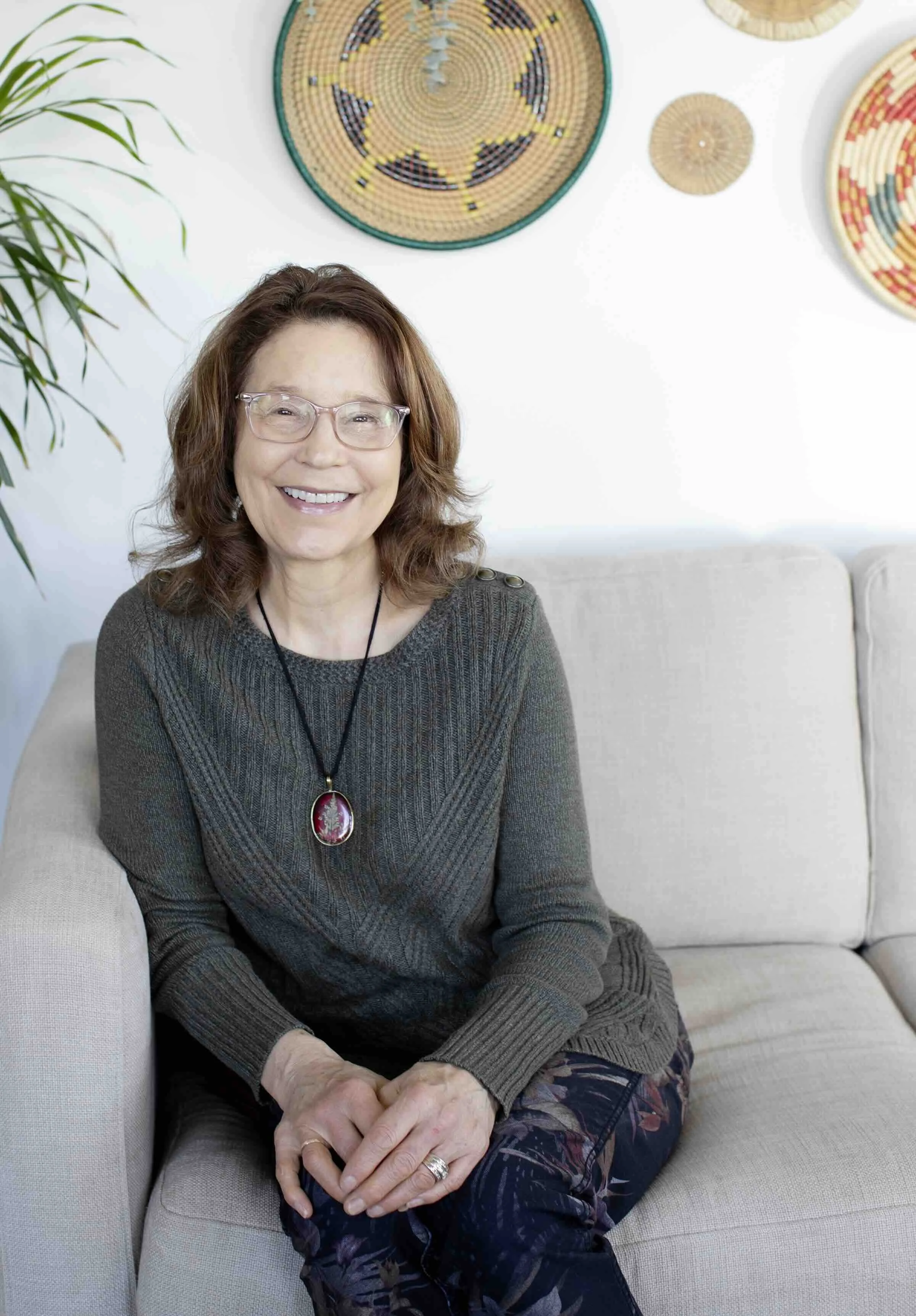
Brenda Davis, RD
Getting older may be inevitable. Getting weak, frail, and sedentary? Brenda Davis and Vesanto Melina say absolutely not.
In their new book, Plant Powered Seniors, these longtime plant-based nutrition experts explore how to stay strong, healthy, and independent as we age — and they’re living proof. At 84, Vesanto still takes fitness and yoga classes regularly, while Brenda, 67, runs trails, does pushups, and climbs on the monkey bars with her grandkids.
In this conversation, Rip, Brenda, and Vesanto dig into what changes nutritionally after 50, including: protein needs, sarcopenia and bone health, calcium, vitamin D, B12, and omega-3s, and why progressive resistance training is so important for preserving strength
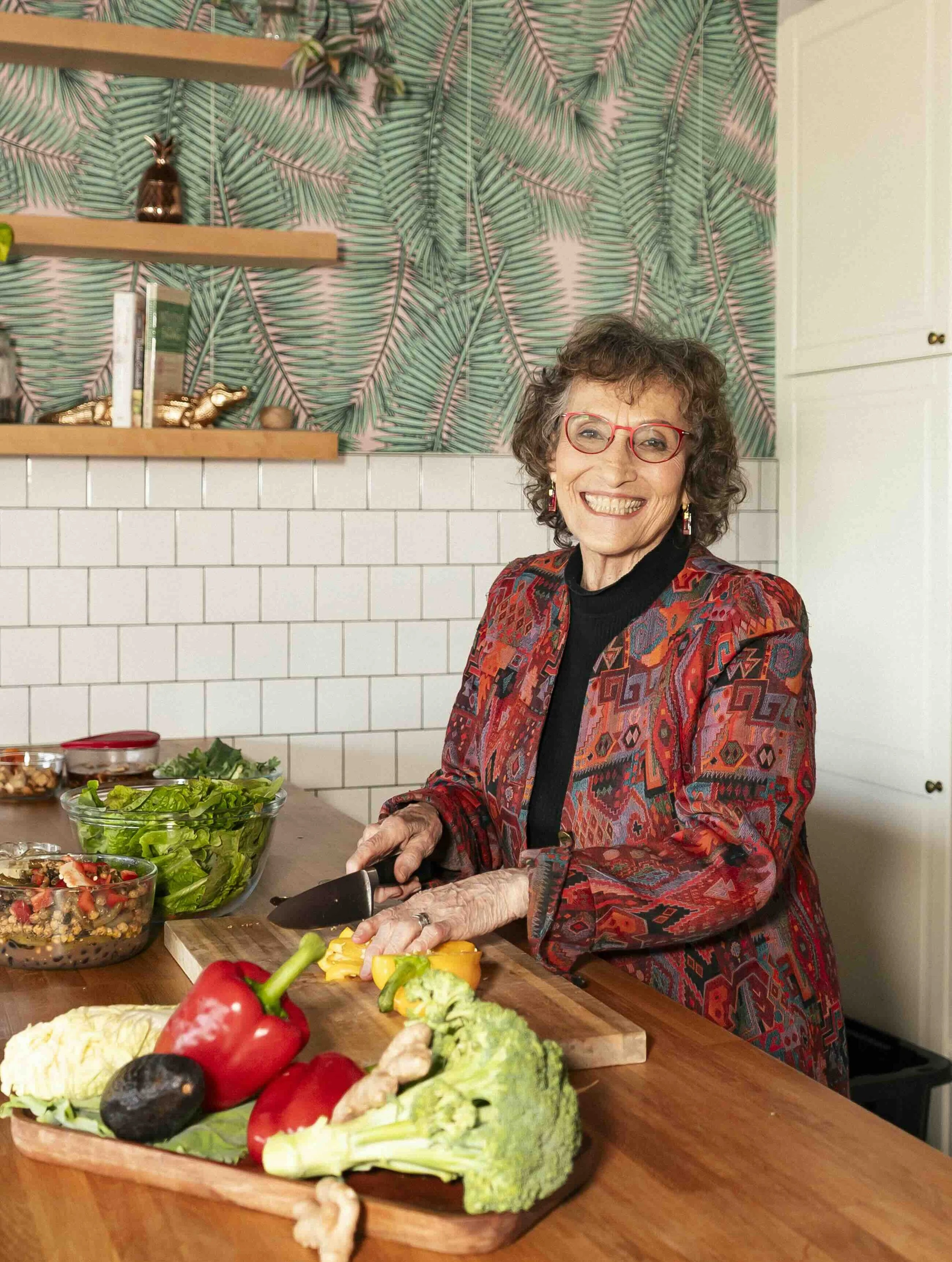
Vesanto Melina, RD
They also talk about appetite changes, how loneliness, affects eating, building community, purpose, and why healthy aging is about much more than just nutrients alone.
And their message is clear: it is never too late to improve your health.
It's never too late. Brenda says there is no age at which we can't reclaim at least some degree of health and improve quality of life.
You’ll Learn:
Muscle loss isn't inevitable. Brenda says many people may lose enormous amounts of muscle by their eighth decade, but continuing to use and challenge muscle can dramatically change that trajectory.
Walking isn't the whole answer. Progressive resistance training two to three times per week gets a major endorsement for both muscle and bone health.
Protein needs deserve more attention after 50. Their conversation lands closer to 1.0–1.2 g/kg of healthy body weight for many older adults, depending on activity and health status.
A plant-based diet still needs to be well planned. Vesanto says one of her biggest takeaways from researching the book was shifting her thinking from simply “vegan” to “well-planned vegan.”
Community is part of nutrition. Appetite loss and poor nutrition can have social roots — grief, isolation, difficulty shopping or cooking — and Vesanto talks about the benefits of her co-housing community and shared meals.
Start small. Brenda recommends berries at breakfast, tofu or lentils on salads, soy milk swaps, and gradually increasing plant-based meals rather than believing everything has to change overnight.
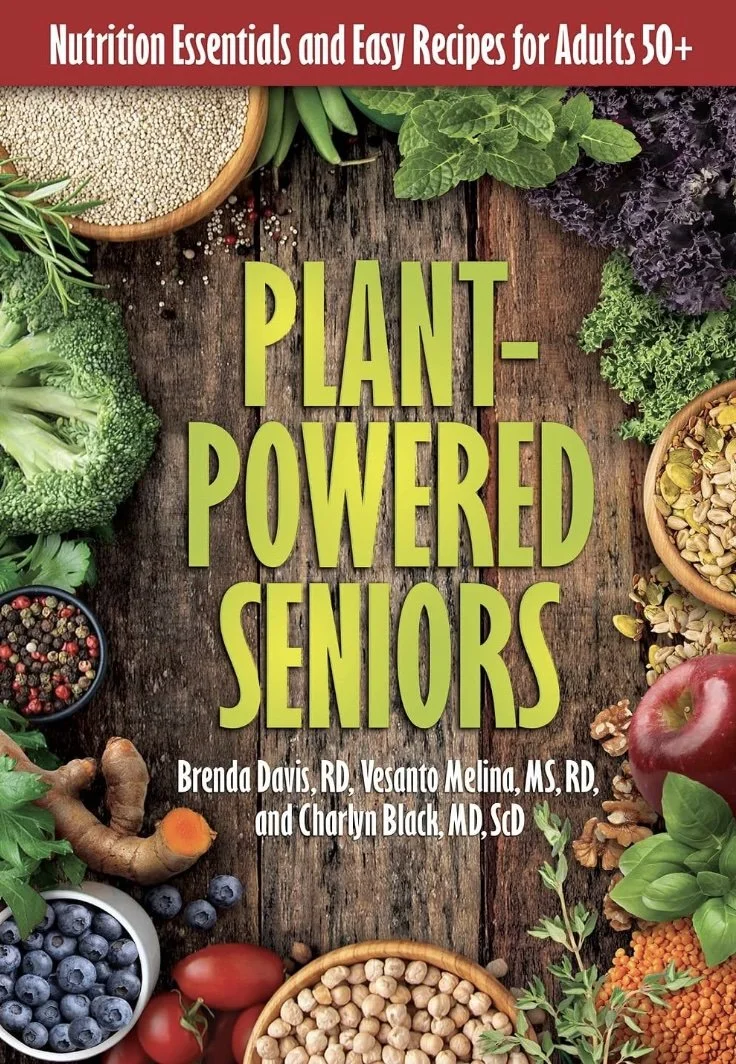
Order Plant Powered Seniors
Episode Resources
Watch the Episode on You Tube: https://youtu.be/PqTh4XiXO4g
Order Plant Powered Seniors: https://a.co/d/0f0bFm2b
We hope to see YOU at one of our Live Events! https://plantstrong.com/pages/events
To stock up on the best-tasting, most convenient, 100% PLANTSTRONG foods, check out all of our PLANTSTRONG products: https://plantstrong.com/ Use code: podcast to receive 10% off your first order.
Give us a like on the PLANTSTRONG Facebook Page and check out what being PLANTSTRONG is all about. We always keep it stocked full of new content and updates, tips for healthy living, and delicious recipes, and you can even catch me LIVE on there!
We’ve also got an Instagram! Check us out and share your favorite PLANTSTRONG products and why you love it! Don’t forget to tag us using #goplantstrong 🌱💪
Episode Transcript via AI Transcription Service
[0:00] I'm Rip Esselstyn, and you're listening to the Plant Strong Podcast.
[0:05] I've got an intriguing question to start today's episode. How do we get older without getting old? How do we hang on to our muscle, our bones, our brain power, our independence, and our ability to get out there and do the things that bring us joy? Well, my guests today are two absolute legends in the plant-based Nutrition World, Brenda Davis and Vesanto Melina, co-authors of the new book, Plant-Powered Seniors. And these two aren't just writing about healthy aging, they are living it. Vesanto is 84 years young, goes to multiple fitness and yoga classes every week, and was recently kicked out of a senior balance class because she was too fit. Brenda is 67, still climbing on monkey bars with her grandkids.
[1:01] Doing handstands, hiking, running trails, and showing all of us what's possible, when we continue asking our bodies to show up. Today, we discuss all the ways to stay powerful as you age, maintaining bone health with resistance training, the importance of knowing your levels of calcium, vitamin D, B12, and omega-3s, and why a well-planned, plant-based diet becomes even more important as the years roll on. And perhaps most importantly, Brenda and Vesanto remind us of a few things that we say around here all the time. It is never too late to change your trajectory, and it doesn't have to be perfect. So get ready to get stronger, smarter and a little more plan strong with every birthday let's dig in right after these words from plan strong.
Retreat Results
[2:00] What can change in just one week more than you think? Across more than 900 participant data points, we have seen that a week, immersed in the principles of Plan Strong Living can produce meaningful improvements in key biomarkers, including weight loss, cholesterol, and blood pressure. That's one of the reasons our retreats are so powerful. For six days, you step into an environment where the food, movement, education, support, and community are all working in the same direction. Our Sedona retreat is officially sold out, but registration is now open for our spring Plant Strong retreat in Black Mountain, North Carolina, April 25th through the 30th, 2027. So whether you're looking for a reset, more confidence in the kitchen, better habits, or simply time with people who understand why this matters, Black Mountain is a chance to experience Plan Strong Living fully and take those lessons home with you. Just visit PlanStrongEvents.com to learn more and reserve your spot.
[3:17] And you don't have to wait for a retreat to start eating this way. Our Plant Strong food line was built around the same nutritional principles that we teach at our retreats. Foods made from whole plants with no added oils, no refined sugar, and no excessive sodium. From chilies and stews to cereals, granola, pizza kits, and a lot more, we created these foods to make Plant Strong living easier in the real world, especially on those days when you don't have time to cook everything from scratch. Visit plantstrong.com and use the code podcast and save 10% on your order today.
Senior Book Launch
[4:06] All right, everybody, we definitely have a treat today. So I want to welcome back with open arms, Brenda Davis and Vesanto Melina. You guys are like the you guys are tried and true. You guys have been in the whole food plant based arena swinging hard for decades and decades. The last time that I had you on Vesanto was episode one hundred and ninety nine. You had written the book with Brenda and Brenda's son, Corey, Plant-Powered Protein. And then, Brenda, the last time you were on the podcast was episode 71, and we were talking about your book, Nourish, specifically for families and children. But we have you on today for a whole nother reason. And that is because it seems that this whole aging thing is inevitable. And, you know, I'm going to just start off right right off the bat. Brenda and Vesanto, do you mind telling the Plant Strong podcast audience how old each of you are? I'm 84, and I just got kicked out of a fitness class yesterday because I was too fit.
[5:25] Come on. He said, go back to the desk and get your money back. So I did. Are you serious? Yeah. I go to usually five fitness classes a week and two yoga. But this was one for balance. They're for seniors, some of them. and that they wouldn't let me in. They said, you don't need this. You're too good. She knew how I was. So anyway, that was funny. Oh, that's hilarious. That right there is a testimony to you representing and doing things right. Brenda, how about yourself? Well, I'm 67 and I'll tell a story too since we've got the stories going. So my granddaughter said to me, I have three granddaughters. One is three, one is seven, one is ten. And my granddaughter, at about seven, said to me, Grandma, she said, you're not like other grandmas, are you? She said, because, you know, most grandmas don't do the monkey bars. They don't go down the slides, and they don't do cartwheels or handstands.
Aging and Change
[6:40] Yeah and she said she said i am so lucky, and i thought that's why we're doing this we want that you know wonderful quality of life to enjoy that to be a child again, to be able to do all those fun things so yeah well are you still are you still able to knock out 40 or 50 pushups at a time? You know what? I would say I could easily do 25 or 30, but I had a setback last. Well, in the past year, I've broken my elbow and had a really bad ankle sprain, both doing crazy things. One, I was bike riding. The other, I was running in a very rugged trail in the bush and didn't see a huge pothole. So that broken elbow put a little damper in my pushups, but I'm back up to about 25 or 30. So hopefully in the next year, I'll get back to where I was. Well, that's that, that Vesanto and Brenda, that's really impressive. And then you guys both heard about Ann and her.
[7:46] Re-breaking her old world record. And this time she did the dead hang for three minutes and 43 seconds. Well, and I heard that she has done it like not on with anybody watching for over four minutes. Is this true? Well, this was, this was according to Ann and, and Ann said that she didn't have a clock. She was counting in her head. So it's, it's not official by any means.
[8:16] It's just astounding. We are so proud of her. Yeah. She's our idol. Thank you. Thank you. We are. Let's officially dive in. So you guys... I've just written this incredibly comprehensive book, Plant Powered Seniors. I have gone through it. It is outstanding. You guys really like bravo on creating another masterpiece that will really, this will be so helpful for this aging demographic, this swath that I am part of. You know, Basanto and Brenda, I'm now 63. So I think I officially qualify as a senior, but that's what I wanted to start out with asking you guys. So plant-based seniors, who qualifies as a senior officially?
[9:09] We wrote it for people that are 50 up or who are planning to be over 50, or who have grandparents and parents that they, you know, want to support them into being in really healthy later life. Yeah, and I think officially often, you know, senior is considered 65 plus, but at some stores it's 60 plus or 55 plus. Yeah. So, you know, we're just really thinking about aging beautifully on a completely plant-based diet. And so older adults can be any 150 plus. Well, it's interesting. I went in to get a haircut yesterday, as you can tell, right? It looks very nice. And the senior discount, instead of paying $26, you pay $16, was $62 and over. So I qualify. You did. Bonus.
[10:15] But so let me, I mean, this is the first book that I know of that is specifically targeting kind of seniors. And so I'm wondering, like, why, how did you guys huddle together and decide, hey, I think that there's a gap that could be filled here with people that are looking to really maximize.
[10:39] You know, their health and their well-being as they're aging. Like, you guys know what a task this is, writing a book. Who proposed this and how did you guys, like, decide, okay, we're going to bring this out into the universe now? Well, Brenda and I like writing together. We've been doing it for 34 years now. Oh, my God. And we're still enjoying it, although I'm not going to do that many more. But it was really an interesting one to put together. And then we had Dr. Charlotte Black join us. And she's just retiring from the University of British Columbia, has her medical background. And it was just so interesting to do this. And we all have both the scientific expertise and the experience. Like we all are living this. We're seeing our neighbors and friends succumb to different chronic diseases and seeing how tragic it is if they're not taking care of things well.
[11:53] And you know to be honest rip we really couldn't find a comprehensive resource that was designed for adults who, you know want to age eating a plant you know beautifully eating a plant forward or fully plant-based diet and we just thought we needed to fill the gap and we had done you know the becoming vegan the general books the the book for children that you know we had covered a lot of demographics. And we just felt like we can see the plant-based world. There are a lot of seniors in that world. And we thought it would be really wonderful for them to have a resource that was specifically, you know, written for them. Yeah. So would you guys consider yourselves like really good friends? Yes. Yeah. I talk to Brenda almost every day. I've known her longer than my husband.
[12:53] Well, what's amazing to me is that you guys have been writing books together for over 30 years and you still get along. you still laugh, you still like, obviously have a chemistry. It's not easy to do. And a lot of times, you know, And I can tell you, having written just four books and having somebody that I was, you know, helping me write, you get at each other's throats. It can get very, very intense. We won't say we've never had arguments.
[13:25] What did you say, Brenda? I said we can't say we've never had arguments. Yeah, that's right. Yeah, we'll do drafts. You know, we divide up the book. You take this chapter, you take this one, do a draft, and then rip it to threads of each other when we pass them back and forth. But we have very different perspectives on a lot of things. And that helps, actually, because I like things really, really simple, kind of Johnny Cash, two-syllable words at the most, one-syllable. Yeah. And Brenda knows all these long words and uses them very fluently. And she is kind of a gourmet cook and makes things really elegant. She does everything really fast. And I go kind of simple and I like things very simple. And so somehow in the process, we managed to cover the bases for our readers. Well, that's nice. You guys complement each other very, very well, Ben. Yeah. Easy to see. Easy to see.
Health Trajectory
[14:29] So so tell me, Brenda and Vesanto, you know, you were just mentioning how you've.
[14:36] You've seen some friends that get are getting older and they're succumbing to these chronic Western diseases. What does the science tell us about our ability to change our health trajectory later in life? The science is very, very clear, and you know that as well as anyone with your dad's research. It's unbelievable how much the body wants to heal, wants to be healthy, wants to survive. And there is no age at which we cannot reclaim our health, at least to some extent. And so every step we make in a positive direction is going to help us get there. But we know there are several diseases we can actually, you know, treat eating this way. There are some we can even reverse eating this way.
[15:29] And when you add in all the other, you know, pillars of lifestyle medicine, it's just incredible what can be accomplished. And we all have stories watching people who have really changed the trajectory of how they live. And it's like they're born again, you know, like a whole new person. And I think that's the most encouraging thing. You are never too old to make the kinds of changes that will have a profound influence on, you know, your quality of life. And that's exciting news to me. Yeah. Bravo.
[16:11] I've had clients that have just turned their diabetes around, come to me, you know, six, eight months after and said, hey, I'm back to normal. And it's just so heartwarming. Or people going through cancer that needed to regain weight or went through, just tragic family situations where they lost weight and then started to recover their health and hope again. And it's just really heartwarming to see this. And we looked at 15 different chronic conditions that are common to Americans, say, and to North Americans. And we found that the general healthy eating plant-based diet, well-planned, can work for all of them. And then there were specifics in the different cases. So we went through like hypertension, cardiovascular disease, type 2 diabetes, gout.
[17:07] Dementia, macular degeneration, cataracts. We went through these different conditions and gave specifics beyond just eat a healthy, well-planned, plant-based diet about how you can get yourself to a good place. Yeah. Isn't that something? So, you know, I'm 63. For the most part, I would say that I have not changed up really anything since I've been, you know, I've been doing this now 40 years, but I would imagine, and you guys write about this, that our nutritional needs change as we age.
[17:44] And I don't want you to talk about protein yet. So please don't talk about that. But is there anything in, in, you know, particular that deserves our attention once we cross that 50 year mark.
Nutrients After 50
[17:59] Well, I can start. And I can start by saying that one of the sort of paradoxes of aging is that as we grow older, we generally need fewer calories, but we don't need fewer nutrients. And, you know, in fact, requirements for some nutrients actually increase. Like, for example, calcium, vitamin D, vitamin B6. Calcium increases for women after 50, for men after 70. B6 increases after 50 for both genders, vitamin D increases after 70, the RDAs. And so these are nutrients that, you know, we need to pay attention to. And then at the same time, as, you know, we're needing, we're eating fewer calories, needing the same or more nutrients.
[18:46] You know, sometimes we have barriers, like, you know, our spouse has passed away, it's harder to do groceries, it's, You know, we they're just challenges that can make us, I would say, nutritionally vulnerable. And and so we need to be aware of that as we're getting older, that that we are more nutritionally vulnerable and we do have to take steps that will help to ensure that we're actually meeting our nutritional requirements. But Vesanto, before you go, you mentioned vitamin D, you mentioned calcium.
[19:24] And you mentioned vitamin B6. Help me out with B6. Where do we get B6 from? Oh, it's from the different food groups, including fruits like bananas and avocado. You might not have thought of avocado as a fruit, but because it's got a seed. Yeah, it is. And lots of vegetables, all the yams, even potatoes, and squash, all sorts of different vegetables, spinach, and then legumes, the beans, peas, lentils, and seeds. So it's in a whole host of things. We like the kind of rainbow idea of foods, but vitamin B6 is one that goes up quite significantly. And what it does is help us reduce our risk of depression. And it also helps clear something called homocysteine, which is toxic. And it ends up as a result of metabolism. But when you've got vitamin B6, you break it up into a couple of amino acids that we can actually use and to build proteins. So it does this very, very good stuff. Well, isn't that homocysteine, isn't that kind of a byproduct of sorts.
[20:48] From too much methionine? Is that right? Yeah, that's exactly right. And it is linked to heart disease if you get too much. Right, right. And possibly cognitive decline as well. That's right. So...
Supplements Explained
[21:09] Thank you for bringing that up about those nutrients. Based upon that, what's your position as far as if you want to be a plant-powered senior, should you be getting your calcium, your vitamin D, your B6, all these nutrients from food, or when might be the appropriate time to supplement?
[21:32] Well, it's not an or. We do need a few supplements for sure. So we need a well-planned plant-based diet. And that's where the research is really interesting. It's moving along a mile a minute. And we watch it for vitamin D, what's recommended, for calcium, for omega-3 fatty acids. And it's moving so fast that the official recommendations don't even always keep up. So everybody needs vitamin B12 that's on plant-based, but it's even recommended for everybody on any kind of diet when they get to be a senior over 50, because we don't absorb it very well, even if you eat animal products. We need more vitamin D. And I was speaking in Maui and Honolulu earlier this year, and the cancer research people there told me that a lot of people in Hawaii are low in vitamin D. And, you know, and the reason is that they still just go into their garage, they drive to the shopping mall, drive to work if they're still working, that kind of thing. And they cover up they put sunscreen on and so vitamin d is something we often need as a supplement and brenda and i have been having our vitamin serum vitamin d levels checked so that we know so what do you two see as ideal.
[23:00] Vitamin d numbers that we should be shooting for it's different in canada and the united states but i think it's numbers fifth you know 50 to, you know So, I mean, at least 30, but 50 is sort of where you're targeting 50. I think it's nanograms per...
[23:20] Yeah, because we've got the two numbering systems. In Canada, you're thinking 70. But what we do is I go to the lab, pay for my test, and then the lab comes back and tells me if I'm in the optimal range or in at least an okay range. So that's been really helpful to me because I found I was a poor vitamin D absorber and have been for decades. Right right yeah so i think clinical targets 30 to 50 and i think it's i think it might actually be nanograms per mil and.
[23:59] Then in canada i think it's nanomoles per liter or something but yeah yeah, yeah okay well well um, i i was i was talking to a gentleman on the podcast the other day and he he likes all of his patients to be at 70, um and this is the united states numbers not yeah and i'm i try and be above 70 when when my lab results come back and am yeah yeah yeah so so i would i would assume then that you're you're supplementing with vitamin d, oh yeah i am supplementing it has been 9 000 international units a day which is a lot but then i could start backing down but i got low. So, you know, I've tracked it a few times just to see what level I'm at, because I really want to keep my bones strong. Yeah. And I tend to be good if I'm at a thousand or 2000, uh, I use a day, I, my levels stay pretty, pretty good. So it's different for different people. And I think, you know, one point rip that is really important to make is generally, you know, we take a food first approach. The principle around supplements is simple.
[25:13] And supplementation is appropriate when nutritional needs are not reliably met through food alone. And so for people eating plant-based diets, food doesn't provide the B12 or the vitamin D, or rarely does, unless you, you know, you can buy mushrooms and expose them to UV light for 30 minutes before you eat them. And if you eat enough every day, you'll get plenty of vitamin D. Uh so you know and their first in some circumstances people might need iodine or long-chain omega-3s or you know other things as well and and you know so some may be appropriate when dietary intake isn't isn't optimal and the other possibility for people is to use them up you know a good quality multi-vitamin mineral supplement as a a bit of an insurance policy but generally, you know, supplements are there to fill the gaps. That's it. We want our diet to be providing most of our nutrients. Yeah.
Bone Health Basics
[26:14] Okay. Good, good stuff. So, you know, we talked about vitamin D. You mentioned calcium. Vesanto, you just said that, you know, you take the vitamin D because you want, to be careful about your bones. But to me, to me, you know, bone health is so much more than, you know, making sure your vitamin D levels at a certain, at a certain level, you know, what else, is very, very instrumental in preserving our bone health?
[26:45] I see clients and do nutritional analyses, and I hardly ever see anyone on any dietary pattern, plant-based or not, that meets their recommended calcium intakes, which go up as we get older. 1,000 when you're younger, 1,200 when you're older. It's surprising. But the food guides told you a long time ago to have four glasses of cow's milk to get your calcium. Well, of course, nobody does that, and they don't have four glasses of soy milk either, which is fortified to the same level. But I find that people often need a calcium supplement, and it's best delivered in two little bits, like 300 milligrams at breakfast and another at supper. So that's surprising, but I find that so many people have, and not on only plant-based diets, but on any diets, have low bone density, have osteopenia or osteoporosis. So adding some calcium can really help. And it's not in your multi. You'll have just a tiny little amount or it would be like a golf ball too big to swallow. So calcium is another interesting one.
[28:00] What I find is when I do an analysis on someone, they're often around 600 to 800 milligrams. Yeah, that's right. So if you're at 600 to 800 milligrams, you need an extra 400 to 600 to get to 1,200 if you're a senior.
[28:16] It's like one to two cups of fortified non-dairy milk or fortified yogurt or some fortified food that will get you there. I mean, certainly you can do it with, you know, adding in more low oxalate leafy greens and these foods. But for a lot of us, we already eat a lot of those. You have to eat quite a volume to get to that. Now, if you're doing this six times a day, like your dad says to do. You might get there, especially if you're doing it with, you know, the low oxalate greens. But for a lot of people that are around 6 to 800, that little boost of having one or two cups of fortified non-dairy milk may just get you to the 1200 without having to do a supplement. And that's what I do myself.
[29:03] I find that when I analyze my diet, I'm usually very close to 1200 milligrams without any supplement. Well, you know, so I'm just doing a little, a little very clean plug here, but you know, our, all of our clean plant-based milks, non-dairy obviously, are fortified with 300 milligrams of calcium per serving. So two of these, and if you're a plant-based senior, you're hitting your 1200 easily, right? Yeah, and it's so easy to do because you can do a cup in your cereal. You can make your chia pudding, your soups, your sauces with these wonderfully fortified non-dairy milks, and it's just easy to get there that way. But now, Vesanto and Brenda, would you not agree that the most important thing.
[29:55] To preserving that bone health is you got to stress those bones, right? A little weight-bearing exercise? A little impact. Yes, weight-bearing and impact. And progressive resistance training is really key. You know, even just weight-bearing exercise may not be enough to get you there. You need progressive resistance training. What does that mean? What does that mean? It means you're actually using weight. I mean, it can be body weight, it can be bands, and you can build up slowly to using weights, but you're putting a different kind of stress on your muscles and bones. And so I think that it's absolutely critical. So, you know, calcium is important, but vitamin D is important, protein is important, vitamin K and magnesium and zinc, and there are all these nutrients, but probably the most important is that you're telling your bones to stay strong by continuing to provide that progressive reason. And progressive means that, you know, once you get, you know, you're comfortable with the 10 pounds, you move up to 12 and then you move up to 15. And that's that progression of increasing weight as you train.
[31:08] You guys talk about.
[31:11] Sarcopenia in this book. And one of the things that I've noticed, you know, not only with, you know, my, well, a little bit with my parents, but just with people that are getting up into their seventies, eighties, and nineties, they have a greater likelihood of, of slipping, falling, getting injured. Then you're down for the count for, you know, a little while and it becomes this downward spiral. So talk to me about how important it is to preserve our muscle mass as we age, and how do we best do that? Well, it sure is important, you know, to keep strong enough to prevent falling, that kind of thing. And so we really need to do that. And I've been helping a couple of people who were way underweight. And one of the best things was a chocolate pudding that's in our book.
[32:05] It's so good. It's got two ingredients. And so one of the people went through a kind of depression family thing. and one had oral cancer, and both lost weight. And they love this chocolate pudding, and it's just so easy. So we put it in our book, and you can add things beyond. It's got soft tofu in it and a chocolate bar, and a vegan chocolate bar, and you just melt it. It takes just a couple minutes, and they were so happy to get this, and it really rounded out the day well.
[32:42] Nice, nice. Yeah, and you know, Rip, on this topic of sarcopenia, I think a lot of people don't realize that by our eighth decade, a lot of people have lost 50% of their muscle mass. And, you know, we're looking at losing 1% to 2% per year after the age of 50. But it's not inevitable. You know, you can absolutely retain your muscle mass as you get older if you keep using it. And, you know, on the topic of sarcopenia, I also want to say that there have been a few studies that I think are really, really interesting. And the first one was from Europe from 2020, where they showed that people that were eating between 0.8 and 1 gram of protein per kilogram body weight had a higher risk of sarcopenia than people who were eating more protein. And at 1 to 1.2, risk was a little lower. But if you were eating more than 1.2 grams, your risk was probably 40% lower. It was very significantly reduced. But what was most impressive in this study is the researchers said.
[33:58] Does the protein source actually matter? And what they found was it absolutely mattered. And plant protein intake was associated with a lower sarcopenia risk across all levels of protein intake. And higher plant protein was associated with faster walking speed and better physical performance. Because when you're eating plants for protein, you're reducing oxidative stress, you're reducing inflammation, you're reducing lipotoxicity, you're reducing dysbiosis, all of the things that can, make matters worse. And then there was another study from Taiwan that showed a similar thing where people in the higher end of protein intake had fewer.
[34:49] Or lower odds of low bone mass, I should say. And it was like, You know, I over double the risk reduction for people eating plant versus animal protein. And then you may be aware of this study out of the Netherlands that compared people eating all their protein from plants and people eating 60% of their protein from meat and other animal products. And there was absolutely no difference in muscle protein synthesis in these older adults. They were average age of over 70. So, I mean, there was another study that just came out a few days ago that found, this was an interesting one too, that self-selected. So the former study was people were given that amount of protein and it was the same for the meat eaters versus the plant eaters. They got exactly the same amount of protein.
[35:46] But in this study, and this is the same group from the Netherlands, and in this study, what they did was they compared omnivores, self-selecting food, versus vegans. It wasn't vegans, but people who were told to eat a vegan diet, self-selecting. And the people eating the vegan diet ate about 19 to 28 or something, fewer grams of protein per day. And they actually had reduced muscle protein synthesis. However, they did a third arm looking at the plant-based diet plus resistance exercise. And when they added in that piece, they didn't have any less muscle protein synthesis. It was like that was enough to get them over the top. And that just came out a few days ago. So it's really interesting. Plant protein seems to really have an advantage. Oh, yeah.
[36:38] Well, not surprising, not surprising to me at all. It's unfortunate that the vast majority of people seem to think that the, Premier protein is from animal products and dairy when it's kind of a, you know, a very janky, unintelligent form of protein, so to speak. That's right. And the foods that are called protein foods could well be called fat foods. Like cheese is 75% calories from fat, cheddar. And meat is maybe half of it the calories are from fat. And it's bad kinds of fat. So it's odd that we call them protein foods. We could call them fat foods because that's what they do. And, you know, dairy is designed to bring a little calf up to 400 pounds in about six months. That's what its purpose is in life and so you know that's full fat dairy and uh even even when it's reduced to two percent it's still got a lot of fat and people do not want to get to be 400 pounds that i've met anyway no, no no i i so.
Protein Debate
[37:58] I i want to understand this because, You know, the World Health Organization basically says that we want to be getting 0.8 grams of protein per kilogram of body weight. But I have, I've seen a lot, and you guys talk about it in your book, that as we get older, it's probably important to be getting more like 1 to 1.2 to 1.4 grams of protein. However, you know, contrary to that, then you also have people like Dr. Michael Greger, who in his book, How Not to Age, say you really want to be careful to not overdo the protein because it affects the mTOR pathways and are aging. So.
[38:42] I'm kind of torn not really knowing what, in fact, is the ideal way to go with protein. I just I really don't know. Brenda, I'm really happy to take that one on. Because, you know, there are a lot of physiological changes that happen, like, you know, impaired digestion, reduced, you know, we get anabolic resistance as we get older. There's greater vulnerability to muscle loss. A lot of the problems of aging, like sarcopenia and frailty, are to do with the loss of muscle. And so we really need to retain that. And so, you know, to me, that 1 to 1.2, little higher if you have illness or sarcopenia or frailty, is absolutely and completely reasonable. Now, the whole argument about mTOR...
[39:43] I think is a really, really important conversation, but I think it's being misunderstood, to be honest. So mTOR is basically a nutrient and energy sensing pathway that promotes growth and repair and muscle protein synthesis and all of that. And it is activated after we eat a protein meal or after we do resistance training. And it helps us to retain and build muscle. And this, of course, is increasingly important as we get older. Now, the problem with mTOR is when it is chronically activated, not activated after a meal for a short period of time or after resistance exercise. That's necessary mTOR activation, which we desperately need to maintain the muscle mass we have. The issue becomes an issue when we have chronic activation of mTOR. And chronic activation, it can contribute to aging and age-related conditions. And it just keeps the cells in growth mode. And I think it could even, you know, it suppresses autophagy or cell death where we're supposed to get rid of cells.
[41:03] It is, you know, a situation that could, you know, contribute to cancer growths and so forth. But persistent activation of mTOR is really favored when we have chronic excess consumption of unhealthy foods. So typical of a Western-style diet where we're living on ultra-processed food and meat. And you don't get this kind of, at least to my knowledge, we don't get this type of chronic over-activation with a healthy plant-based diet. So to me, where mTOR is concerned, the goal is balance. We want periods of growth and rebuilding of muscle, alternating with periods that allow for, you know, the maintenance and repair and cleanup of our tissues that is required on a regular basis. So that's my position. And I think it to me, it just makes a lot of sense because we need to preserve that muscle mass.
[42:16] And I think Michael Greger's a lot talking to the general public that is so overweight and obese, you know, and has this very high protein intake. With the plant-based people, the Scandinavian countries in Australia are a bit ahead in terms of official recommendations, suggesting 1, to 1.2 grams of protein per kilogram healthy body weight. And some of the Scandinavian countries are up to 1.4. And that's really doable on plant-based diets. And I find most of my clients reach that quite well. They already are there. And they go, oh, good. I'm there already. Yeah.
[43:02] And, you know, just so people know. So we've got, you know, a number of countries that say, you know, the RDA is the same for all adults. and they haven't made any adjustments for seniors. And the US and Canada are among those. But, you know, Austria, Germany, Australia, Switzerland are all recommending at least a gram per kilogram, which is about 20 to 25% more than for younger adults. And then the Nordic countries, as Vicento said, their new recommendations are 1.2 to 1.5, which may be a little much. I mean, to me, that's a very reasonable amount for someone with sarcopenia or, you know, illness or something like that. But I think 1 to 1.2 is really what most, for healthy older adults, most of the expert consensus papers are saying now. They're saying for very active older adults, you might want to be 1.2 to 1.4, as you said, those with disease 1.2 to 1.5. And that's per...
[44:08] A kilogram of healthy body weight. So if you're weight overweight, yeah, it's, you don't need it for all your fat cells, but, um, so it's not per pound. Sometimes people think it's per pound. That's a really good point. And you, and you address that in the book very, very well. When you're assessing your protein needs, you want to do it on your, what should be your ideal healthy weight, not what you are now, or, you know, if you're, or if you're too lean, right. But, you know, RFK recently came out with the U.S. new dietary guidelines, which you know are a bit of a mess. And I believe it's now they're up to like 1.6, grams per kilogram of body weight is what they're recommending. And, you know, look how many Americans. Yeah. And people have to understand that they hired, what, 20 or 22 leading scientists to the scientific advisory committee. To spend two years of their time volunteering to go through all of the evidence to create this 400 page report so that the government could have reliable science to base the guidelines on, including, experts like Christopher Gardner and a mix of people from different perspectives. They had a thousand plus pages of backup evidence and it got trashed.
[45:34] You know, it got trashed. And instead, they hired nine individuals, seven of whom had ties to the meat industry. Eight. Eight. Yeah, eight to the meat. So who had these strong ties to recreate, you know, some sort of document and help to write the guidelines. And it's really concerning. There were so many errors in the guidelines. It's an embarrassment as far as I'm concerned. And I don't think he even talked to his wife, RFK, who is a vegetarian, apparently. He didn't let her come. Yeah. Well, let's move on because- Can I just say one more thing, Rip? Because I think this is a really important point. So I have had several older plant-based women who are eating a whole food plant-based diet who are coming in at about 35 to 45 grams of protein a day. And they are very, very often finding that they are, you know, their skin is breaking, bruising, bleeding, they're losing hair, their, you know, wound healing doesn't occur quickly, they have loss of lean body mass, these kinds of issues. And I look at them and say, okay.
[46:59] You weigh so much. Here's what you're eating. We need to get you to 60 to 70 grams of protein. And we do that super easily by changing their almond milk to soy milk, add a few cubes of tofu to your salad, have a few more beans at dinner, whatever, lentils. And we get them from 40 to 70 like that very, very quickly. And in many cases, the symptoms are reversed very rapidly. And so many people say, oh, protein's never an issue. I've never seen a case of protein deficiency. I can tell you, I have. And it's not wash your core, you know?
[47:40] It's a marginal deficiency that reduces our ability to build and rebuild tissues, to fully support our immune system, that kind of thing. And I can tell you, the changes are really quite dramatic quite quickly. Yeah, interesting. Thank you. Thank you for for pointing that out.
Why Appetites Fade
[48:01] Why do you think it is that as a lot of people age, their appetites dwindle and and they're not getting as many nutrients? Let's say let's say protein, as you just explained and and other things. Some of the ones I know just get discouraged. They might have lost their partner, and they're only cooking for one now. They're not preparing food for their kids, their family, and they might be a little bit depressed. Also, people can't get to the store well.
[48:39] They just have difficulty with the practical aspects. And so they just, luckily, I live in a community of co-housing in Vancouver, and we can help each other a little bit and have community meals. And it really helps for people if they find some way to connect with neighbors or friends as with Brenda's family and just help each other out with that, because there's something, that really, you know, leads to people not eating that well. Well, Vesanto, I visited you two years ago in Vancouver and the community that you and your husband have created and are living amidst and the shared kitchen dining area.
[49:31] It's bliss. It's really idyllic. Huge congratulations to what you guys created. There's co-housing, I forget if it's .com or, .org, co-housing in many states now, like almost two-thirds of the states, and in six Canadian provinces. People are finding this, and that's one of the lifestyle things that really helps, because we have our own place, we own it, we have a three-bedroom. We don't have to have extra rooms like guest rooms. We can eat in the common house. And we have three meals a week that cost five bucks each or sometimes three bucks because a little team of three cook and three clean up. And they've always got vegan options. And a lot of them are entirely plant based. So, you know, and people are watching. Yeah. How are these seniors doing? And they're doing pretty well. So, yeah.
Research Surprises
[50:28] Brenda and Vesanto, what was the most surprising discovery that you guys made while researching the book that potentially changed your own thinking?
[50:40] I used to think that vegan was the way to go. Now, I think well-planned vegan is the way to go for beyond, you know, for a number of reasons. Like you can be near vegan or be more plant-based and include a few things like some fish or something, other animal products, and be in pretty good health. If you go vegan, you also get the environmental advantages and, of course, the lack of cruelty for animals. But I really saw that when we're going, and this is true for any dietary pattern, we need to plan it well. We need to look at the broader picture and keep up with the research. So that's what we did in plant-powered protein was really – or plant-powered seniors, rather. Well, protein, too. But, yeah, it was just watch exactly how does it need to be and look at the latest research. Yeah, I mean, there's so many things. Yeah.
[51:45] But, you know, I think one of the things that really stood out to me is how much everything is interconnected. You know, there's nothing you can do that doesn't affect everything else. And how important every aspect of the six pillars of lifestyle medicine really are. And particularly as we get older and staying connected, having a purpose, all of those things are so critical. And, you know, food is so much more than the sum of its parts as well. It's, you know, when you think about it, you know, a bean isn't just protein, iron and zinc and fiber. It's just this complex package that has so many profound different influences. And, you know, our needs as we get older change, too.
[52:47] Our ability to digest and absorb foods change. But, you know, and then on a positive note, I'm always impressed at how resilient the human body can be when we make, you know, really thoughtful choices. And so, yeah, I mean, there's still we still have a lot to learn, but we're we're definitely moving in the right direction.
Starting at 75
[53:13] So early, early on, you said that it's it's never too late. Right. Doesn't matter how old you are. It's never too late to start eating this way. You can you can you can basically achieve benefits. But let's say that you have a there's a Plan Strong podcast listener right now. Let's say they're 75 years old and they're just now thinking about getting into a plant forward lifestyle, but they feel overwhelmed. How would you tell them to begin? And I know your book, I would say buy the book and then and read it. But where would you like what is step one? Well, I would say, you know, step one is, well, first of all, I would say, you don't, it's not about being perfect. It's about moving in the direction of positive change.
[54:13] And recognize that it doesn't matter how small the step that you're taking is.
[54:20] Anything that's moving in that direction is worth celebrating. You don't have to do it all at once. You don't have to do it overnight. Um just start with little things like adding berries to your breakfast adding a few tofu cubes or some lentils to your salad just make little swaps you know you can do swaps like soy milk instead of um, you know uh cow's milk or whatever you've been having you can just, do little things maybe you want to have maybe you're eating a plant-based meal once a week maybe you could increase it to twice a week at first and then three times a week and You know, so just just I mean, some people.
[54:59] Really promote this overnight change where you go from omnivore to vegan. And some people can do that and do it well. But I would say the majority of people are more comfortable making gradual changes and learning recipes slowly and swapping out their meat chili for a really fun veggie chili, like easy peasy chili, which is in our book. Those kinds of changes can be simple. Also, don't underestimate the impact of having within your, you know, your circle of friends, some others who are on this path. And if there aren't any, look at what, you know, what there is in your community in the way of support groups and and try to just connect with others who are trying to do the same.
[55:51] So tell me, how many recipes are in the book, Brenda and Basanto? We've got about 40. Here's that chocolate pudding that I was talking about. Oh, yeah. And also these muffins that have cranberries in them. They're so good. We had really fun with the recipes because we had the simple. And we also eventually thought about batch cooking, like people making larger amounts and being able to store it. But we know that when people are starting, they need to get the different pot, a bigger pot they might need to do that, or they might need containers to store it. So it's like an evolution, and we certainly expect it to be that.
[56:36] That's what works. Yeah. Did all three of you authors contribute to the recipes? We contributed, and then we had a team of recipe testers who would not let anything go in our book unless it got five stars. Like they're ruthless. No, they tweak it and tell us. So, and they have different perspectives, you know? So somewhere from my fitness classes, they were in California and just several different locations, different races. So it was really interesting. Yeah.
Favorite Recipes
[57:12] Do you guys have, the Santa you already mentioned the pudding but you guys have, two favorite recipes from the book that you want to share with the audience, oh I'll tell you one I like I had a neighbor who had told me don't ever tell me anything about vegan so I did and then she had a stroke, And then she figured out the best tofu marinade I've come across. And we put it in the book and we've credited her.
[57:48] What is it? What is it comprised of? It's a tofu marinade. And I love that. I've always got it in my fridge and we put it in the air for her. So it's just got, let's see, ginger, which I love. I chop it up fresh. And garlic, we use the bottled kind that's really easy for seniors to use. It's got low sodium tamari or soy sauce and let's see oh a little bit of rice vinegar but it could be another vinegar.
[58:17] And then I use firm tofu so I've always got little cubes of it sitting there you can use toasted sesame oil too, I've tended not to use oil and so I've always got it in the fridge and uh it just pop it into the air fryer and it's good kind of also even as a snack if you didn't get enough protein at one of your meals you can have it yeah you know like potato chips except it's healthy yeah and i don't have an air fryer so i just do mine in my oven i just use convection setting you don't even need to do that but i just use a silicon mat so then there's no sticking because you've got the silicone mat. And I mean, you can do it very simply just by sprinkling some tamari and some seasonings on your, or, you know, soy sauce and seasonings and baking it. But it's so wonderful because you can put it on your salad. You can throw it in a stir fry. You can eat it for a snack. Like Vaisanto said, it's great. So that's your favorite recipe, Vaisanto? That's my favorite. I like a multicolored bean salad too.
[59:24] Yeah, that's good. What's yours? I would say... But I eat every day a full meal salad and I love the full meal salad. So, you know, you've got a ton of different types of greens, some sprouts, all the different colors of veggies, a protein source and a carbohydrate source. So it could be quinoa or butternut squash cubes or, you know, tofu cubes or lentils. And then, but to me, the key to a full meal salad is to have, you know, some seeds, a little avocado and a really good dressing. So it could be a spicy peanut dressing it could be a tahini like I love tahini dressing and then, in a similar vein I love the multi-colored bowl because again you've got your carbohydrate you've got the steamed veggies and then you've got some protein and a really good sauce sauces can make such a difference in the flavor of food so I love those, and I love my nutty date cookies too by the Oh, yeah.
Nutrition Then and Now
[1:00:26] Yeah. Say no more. What do you both understand about nutrition today that you wish you understood when you first entered this 30, 40, 50 years ago? Yep, that's a good question.
[1:00:46] Well, then I didn't know about all the recommended intakes. For example, I wasn't using long-chain omega-3s, which I am now. And we used to think those came from fish, but now fish aren't getting enough. People are using farmed fish, and they don't feed them very much omega-3s. They're in those little cages in that ocean. And so that's one that I'm glad I'm getting. And it's keeping my brain going even to write books at 84. So that's a good one. And I wish I had even more emphasis on fitness. Like I could do a two-minute plank now. I don't think I could when I was 50. Wow. And how are you getting your long-chain amino acids? It's like the DHA and the EPA, right? I'm getting it from the place that fish get theirs because they don't even make it. They have to be fed it or get it from microalgae in the ocean. So I get it from a supplement of microalgae, and I just have a little spoonful of it. But microalgae are little things in ocean water, and the supplement condenses it so that you can have it in supplement form. And that's really helping. And then I've had my omega-3 levels checked and noticed that my brain's still working. So that's all good.
[1:02:16] Nice. And I, you know, I think, I think for me, the thing that I've really learned is, you know.
[1:02:25] I think I've moved from seeing nutrition as a sort of a collection of nutrients, to seeing it as part of a really extraordinary interconnected biological system. And, you know, it's really remarkable how all our body systems are connected and how every food is so much more than just vitamins and minerals or protein or essential fatty acids or, you know, carbohydrate or even fiber.
[1:02:58] And how those foods, you know, the nutrients in those foods work together and even different foods, how what is there can work together to our benefit. And, you know, this is the idea of what Colin Campbell wrote about in whole and, you know, that whole, not that nutrients are important because they're very important, but we need to see foods as more than just, you know, the sum of its nutrients. Yeah. Yeah. No, you're right. I was just going to say, Colin in whole talks about the symphony, right? That is created from, from, from all, from everything, as you mentioned, so, so interconnected.
Aging with Purpose
[1:03:38] Here's my last question for you two before we wrap up. So what has surprised each one of you? In a positive way about getting older?
[1:03:53] Are you relishing getting older? Are you like, why? Or are you embracing it? What's the positive side of getting older? You want to start for something? Let's see. Well, I just feel really good. I'm enjoying time with my grandsons and my son who's a tree planter and my daughter who does horticulture and did my website and just having fun with I, you know enjoying doing 11,000 steps a day and going to these fitness classes and yoga pretty well daily and it's it's just a good life and I'm not having to do medical stuff. I plan to be 118. So we'll see if that works. Yeah. 118?
[1:04:49] How did you come up with that number? I was talking with my sister who's over in Paris. She's been a stunt woman. And we were just figuring out our plan. So we'll see. And Basant has had that plan forever. She's always said she's going to live to be 118. That's interesting. I like that. Like the way that I look at it, and this is, I don't know if I've ever shared this with anyone, but, you know, the vegan diet, the fully plant-based diet is on trial in the eyes of the world. You know, we've been criticized. We've, people, you know, every time we get a failed vegan, they become exhibit number one for why everybody's justified in eating meat. And my goal is to be climbing mountains at 100 and people to be saying, how does she do that? What does she eat? You know, that's that I just I want to live a long time to to be exhibit number one in a positive way. And so that's important to me. And, you know, I think what surprised me most, is is something you said, Rip, is how little, you know, I.
[1:06:06] Actually I guess how how I don't feel much different than I did when I was 30. You know, and that is, you know, I always expected by the time I was getting close to 70 that I would see more visible changes. But, you know, I mean, obviously... Aging is inevitable, but if we keep moving, we keep challenging ourselves, keep asking our body to do these hard things, we can preserve a remarkable amount of our strength, stamina, capability. And, you know, I know I'm not 30 anymore, and I maybe don't heal as fast as I used to, but, you know, I'm resilient. I don't think that disappears just because we're getting older. And so I think, you know, what aging has taught me is don't stop doing things because you're getting older. Keep doing things so that you can keep doing them.
[1:07:10] And, you know, we always hear the saying, you know, use it or lose it. And I think it's so true. We just need to keep motoring on and doing the things we love. And yeah. Amen. Amen to that. So Vesanto, here's to 118. Brenda, here's to 100 and climbing Mount Everest. And you guys, plant powered seniors, huge congrats on bringing this out into the world. It is such a wonderful, comprehensive, well-written, well-researched book for anyone over the age of 50. That's right thank you so much yeah yeah all right um you guys give me a plant strong fist bump on the way out, go plant powered seniors let's go.
[1:08:09] Plant Powered Seniors is out now, and I'll be sure to put a link to it in today's show notes. I think that we can learn from their example that our best years may be ahead of us. I especially love Brenda's message near the end of our conversation today, where she says, don't stop doing things because you're getting older. Keep doing things so that you can keep doing them. That means keep walking, keep lifting, keep learning, keep cooking, keep connecting, keep doing cartwheels, but just keep challenging yourself. And it really, it reminds me of my mom, Ann Krile Esselstyn. 343 for that dead hang. Vesanto plans on making it to 118. Brenda wants to be climbing mountains at 100. And I say, why the heck not? The goal isn't simply more years in our lives, it's more life in those years. So grab a copy of Plant Powered Seniors, take care of those muscles and bones and that mind, and always, always keep it plant strong.