#350: Ali Essig - Her Husband Had a Stroke at 37. Why this Mom of Six Chose Plants to Help Her Family Heal
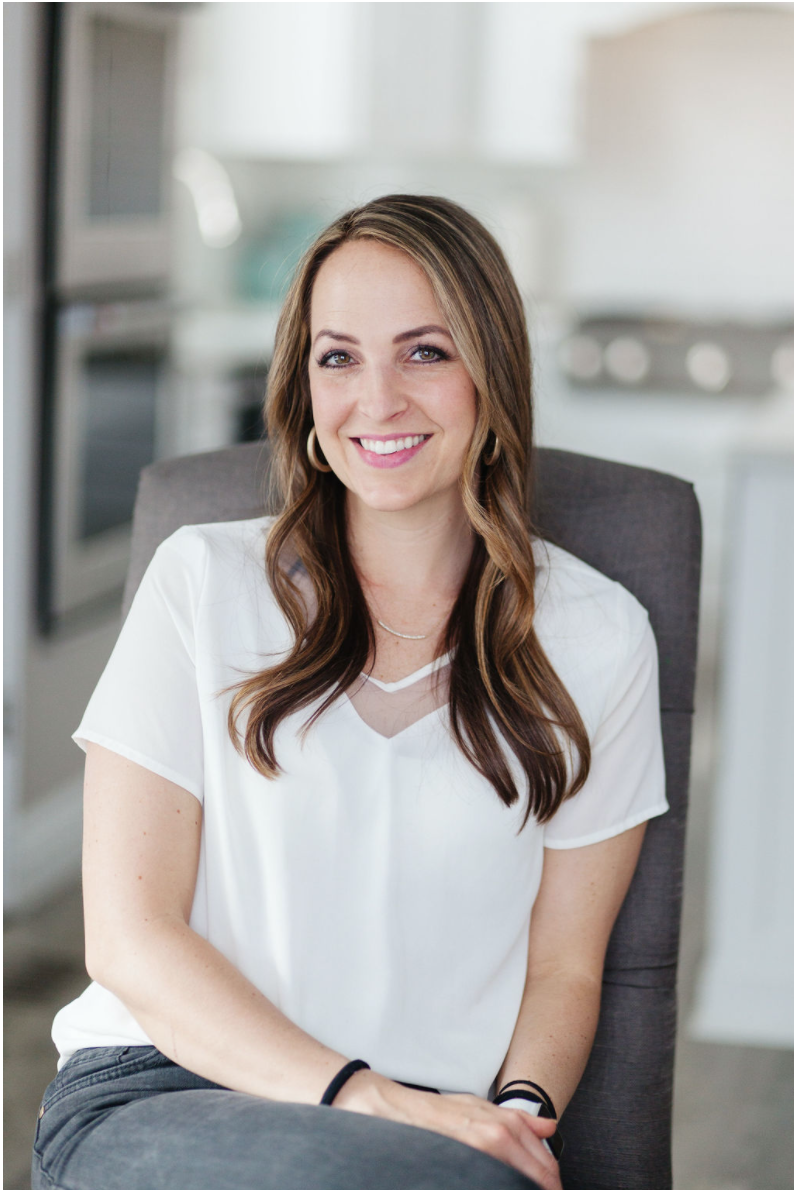
Ali Essig shares how to “eat meat sparingly “with PlantWhys
What happens when a 37-year-old father of six suffers a stroke with no clear cause?
For Ali Essig, it became a wake-up call that changed everything.
In this powerful conversation, Rip sits down with Ali—creator of PlantWhys—to talk about how her husband’s stroke sent their family on a journey into whole-food, plant-based eating. What started as a search for a “heart-healthy diet” quickly became a lifestyle shift that improved his cholesterol, triglycerides, and overall health.
But Ali’s approach isn’t about perfection.
It’s about progress—90% plant-based, practical habits, and real food for real families (especially with six kids in the house).
Along the way, Ali shares simple strategies that make plant-forward eating doable, from beans for breakfast smoothies, to creative kitchen hacks like black bean brownies, and tofu waffle iron tricks.
This episode is packed with practical tools, powerful motivation, and proof that small shifts can lead to life-changing results.
You’ll Learn:
A mysterious stroke at age 37 changed her family’s relationship with food
Why “90% plant-based” may be more sustainable than perfection
How fiber and beans transformed her husband's health markers
The surprising breakfast habit that stabilizes blood sugar
The power of her faith and scripture passages as guidance
Why processed meat and alcohol are both classified as Group 1 carcinogens
A simple framework for building plant-based meals
Real-world tips for feeding a plant-forward family with six kids
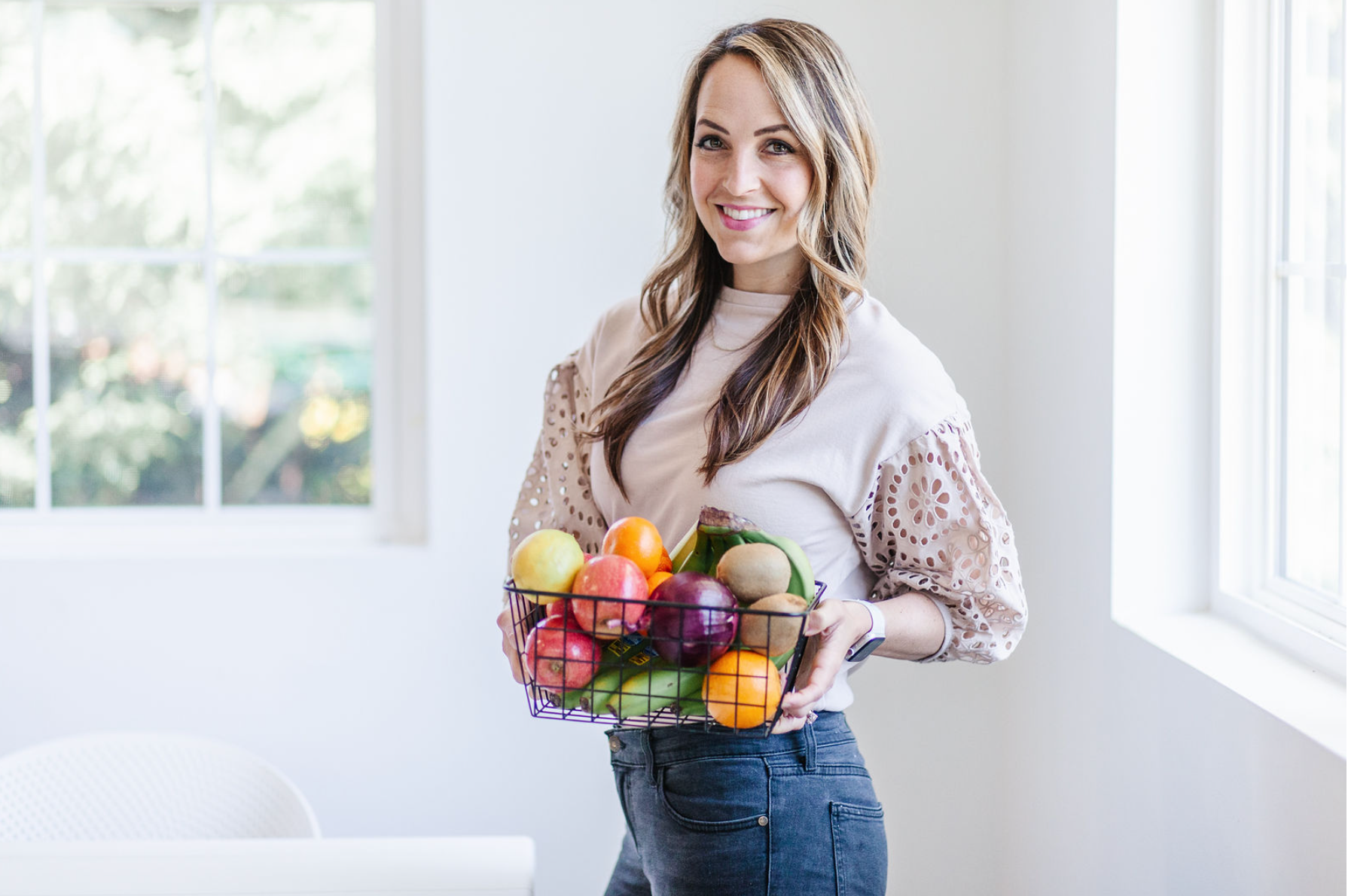
Learn more about Plant Whys here
Episode Resources
Watch the episode on YouTube: https://youtu.be/I_F1GETZ2Rw
We hope to see YOU at one of our 2026 Live Events! https://plantstrong.com/pages/events Use code: podcast to receive early bird pricing
Plant Strong Meal Planner: https://mealplanner.plantstrong.com/ - take $20 off with the code SPRING20.
To stock up on the best-tasting, most convenient, 100% PLANTSTRONG foods, check out all of our PLANTSTRONG products: https://plantstrong.com/ Use code: podcast to receive 10% off your first order.
Give us a like on the PLANTSTRONG Facebook Page and check out what being PLANTSTRONG is all about. We always keep it stocked full of new content and updates, tips for healthy living, and delicious recipes, and you can even catch me LIVE on there!
We’ve also got an Instagram! Check us out and share your favorite PLANTSTRONG products and why you love it! Don’t forget to tag us using #goplantstrong 🌱💪
.Episode Transcript Via AI Transcription Service
[0:00] I'm Rip Esselstyn, and you're listening to the Plant Strong Podcast.
[0:05] Today's conversation starts with something that no young family ever expects, a stroke at age 37. My guest, Ali Essig, watched her husband collapse into a medical emergency that doctors couldn't fully explain. High blood pressure and rising cholesterol, but nothing that screamed stroke. That moment became a wake-up call that changed everything for the Essig family. Ali went searching for the most heart-healthy diet that she could find, and not surprisingly, what she discovered transformed her entire family's approach to food. Now she's helping thousands of people learn how to eat more plants with her social channel plant whys. If you've ever wondered how to make plant-forward eating work in the real world and eat meat sparingly, especially with kids, all kinds of busy schedules and everyday chaos, this episode is packed with practical tools and inspiration. We'll meet Ali right after these words from good old PlantStrong.
[1:19] For most of us, at some point, this stops being about a diet and starts becoming part of who you are. You're someone who eats plant strong. You're fueling your body with real food. You're making choices that support your health consistently. And one of the easiest ways to reinforce that identity, your environment. When your pantry is stocked with plant strong foods, the healthy choice always becomes the easy choice. There's no second guessing, no starting over, just real food that's ready when you are. So visit planstrong.com and stock your pantry with meal solutions that you're excited to enjoy and because it's who you are.
[2:11] Ali Essig, welcome to the Plan Strong podcast. Oh, thanks. It's good to be here. Yeah. It's wonderful to have you on board. You know, you are doing some really cool things as Plant Whys. That's your Instagram handle. I know you're doing a bunch of other stuff. You've got a YouTube channel. You've got a bunch of kids. You've got a husband that has totally turned his life and his health around. And so I can't wait to dive into that and a lot more. Yeah. But I want to start with this. Your last name is Essig. I don't encounter too many people that their last names start with ESS. And so I'm like, that's a big fist bump right there. Tell me what is Essig? Where's that like hail from? Yeah, it's actually vinegar in German. So we know that vinegar is good for you. And I'm a big fan, as you can tell, of vinegar. So yeah, it's super simple. My maiden name is also German, and it's Abeg, and it means around the corner. So my full name is like Ali Around the Corner Vinegar. That's fun. That's really good.
[3:30] And before we went live here, we were just talking, and we've met once before. And that was at the Physicians Committee for Responsible Medicine. They had a gala there a little over two years ago. It was in November. They were honoring the Esselstyn family with an award. And it was at the, was it the press club? Yeah. Yeah. Yeah. And we got a photo together. That was a great event. I never knew how hilarious your entire family. When you're all together, you guys are funny. It was really fun. I was pleasantly surprised to be there. Great. Yeah. Thanks. It was a lot of fun. And then I think the highlight was Ann, my mother, dragging that huge tractor tire across the front of the stage. That's true. What a beast. She's amazing. So you, you've got six kids. You've got three boys, three girls. You've got two boy twins. Yeah.
[4:40] Wow. What's the age range there? So my oldest is 14. And then I had a baby basically as soon as the first child was walking, it was time to get pregnant again. And so I had a baby every two years, except for my last three kids are even closer together. If I knew I was going to have twins, I would have spaced it out a little bit more. That was like the best surprise of my life to find out my last pregnancy was twins. Yes. Yeah, it's there every two years. I grew up in a big family. My husband is one of 11. I'm one of five. I just really love just the party of just big families and how there's always someone to hang out with, always something to do. And it's just so fun. It's crazy and chaotic. And everyone always used to say, you have your hands full. And I would say, yes. And so is my heart. It really is awesome. So you just embrace the chaos. You have to be okay with chaos. And it's, I mean, if you, if I could turn the camera around, you'd probably see some messes here and there and you just have to be okay with it. In fact, on my YouTube channel, that's probably one of the common comments is your, your microwave's dirty or your, your, your oven's kind of messy. I'm like, yeah, guys, I have lots of kids.
Embracing Chaos in a Big Family
[5:53] So I didn't know much about you and it was really, really fun diving in and learning about your background and, what turned you guys to go really in the whole food plant-based direction. I think that, and I really want to talk to you about your philosophy around 90% and how you're really a fan of progress and not necessarily perfection. I think that's something that we all need to hear more of.
[6:25] So we'll dive into that. But let's start at what happened to your 37-year-old husband in 2019 that changed the course of your trajectory around nutrition? Right. Well, on October 1st, 2019, I was in the shower when someone knocked on the door. My kids were... I don't even know what my twins were doing, but mom's got a shower. So I was in the shower and my neighbor was knocking on the door and saying, Ali, your husband called me. He's on his way to the ER and he couldn't get ahold of you. And so I quickly, you know, get out of the shower. Luckily, she was there to watch my kids and I raced to the ER. I had no idea what to expect. Like he she just said there was something with his vision. They weren't quite sure. But meanwhile, my husband had been at work just working away. He's an attorney in D.C. He works right by the White House, actually. And all of a sudden, he just had double vision. And he had just this sick feeling of like, oh, my gosh, I feel like I'm going to die. And if and I want to get out of my office, so I don't die alone in my office. And so he gets up, he goes and speaks with his assistant, and she immediately could tell something was wrong. So she calls 911.
[7:38] And then they come and and that ironically, the the ambulance, all the paramedics were like, oh, just low blood sugar. You're fine. And he's like, no, there's something wrong. I can't see. I have double vision. And so he ended up driving to the, he had one of his coworkers drive him to the ER. It almost sounds like a migraine, like an aura from a migraine where you do get the double vision and things like that. Right. And I mean, and I get it. Like paramedics in D.C., they get called for so many things, so many things. So I'm sure they check his blood sugar. They're like, oh, it's just low blood sugar. That's that's probably the issue. They didn't think it was as serious as it really was. But all of the other attorneys in the office, they all come out of their office and we're like, no, there's this is not normal. You definitely need to go to the ER. So they left. And again, I just came out of the shower, saw all these messages, like something's wrong with Lincoln. We're not sure what.
[8:33] But I thought, did he get hit by a car? Like I literally had no idea, but just something with his vision. So I went to the ER and I'll never forget opening the door, scanning the room, looking for my husband, trying to find him, and then seeing him kind of surprised by what he looked like. He was, again, 37 years old, but slumped over in a wheelchair and he's bald. And he looked like an 80-year-old man in that moment. And immediately my heart was like, whoa, it looks like he's having a stroke. So I could tell like there was something there. But as with any experience in the ER, you're there for hours trying to figure out what's actually going on and you're waiting, especially if the ambulance doesn't bring you in. We were there for hours just trying to run tests and figure out what happened. But finally, after hours and scans, they did come to the same conclusion that, yeah, it was a stroke. and, And I immediately, because we just had twins, like that was number five and six in our family. My husband's a busy attorney and he's a bishop in our congregation at the time. Like there was so much going on. And so I was like, is this stress? Is this just because of stress?
A Journey to Heart Health
[9:37] And the neurologist was like, no, honey, like this is something deeper than just stress. Like it's not just, you know, a side effect of stress. He did have high blood pressure, which obviously matters. He did have higher cholesterol, not crazy high, but it was kind of approaching that red zone.
[9:54] And, you know, all of the other numbers weren't amazing, but it wasn't something that you would think that he would be at risk for a stroke. So we go home and while I go home, my husband had to stay in the hospital. I go home to kind of check on the kids, grab some clothes to pack our bags. And I called my mom and I just, it just felt like this surreal experience of when, you know, a few years before that my mom had called me, but a very different outcome had happened. My dad had died of a heart attack. It was his one and only heart attack. There was no warning heart attack. He was just 55 years old. That was it. And so I did feel lucky, like, okay, he's alive. You know, like my husband's still there. He's had a stroke, but he's alive. But I have no idea if his vision will ever come back. I have no idea what our future is going to look like. I have no idea if he's going to be able to work again. But he's here. And so that's when things kind of changed for me, realizing, like, I've got to be able to take control. Like I have to do something in my power. And I don't want to lose my dad. Like my mom lost her husband. I'm sorry. I don't want to lose my husband. Like I lost my dad. And ironically, my mom not only lost her husband early, but my grandma lost her husband in her sixties from diet and lifestyle. My great grandma lost her husband in her forties from diet and lifestyle. And so I was like, this has to end and this ends with me.
[11:18] And so that's why, you know, even though we were given no explanation in the hospital after being there for days, there was no hole in his heart. There was no heart arrhythmia. There was no genetic history. Like there were literally no answers, but they said, look, he's had one stroke. He's at a higher risk of having another stroke in the future. And so you should eat a heart healthy diet. And that's why I was like, I am going to find the most heart healthy diet out there. Like, I need to know exactly what that is. And, you know, the first book was How Not to Die that I grabbed and was like, okay, let's go through that. And then I read the book Eat to Live. And, you know, after that just kind of kept going. But also I was very open-minded to anything. Like if it wasn't a plant-based diet, that's fine. I wasn't sold. It didn't have to fit that narrative. I wanted to find any diet that was doable for our family with all the kids. And everything just kind it kept leading to less meat, more plants. And I really felt this spiritual pull towards it too. Like it wasn't just logical for me. There was a lot of spirituality associated with it, especially because in my religion, we follow what's called the word of wisdom, where we try not to drink alcohol. We don't even drink coffee. We don't do drugs, right? But it also says a line in there to eat meat sparingly, but everyone ignores it. And so as I'm reading this stuff about plant-based heart healthy diets. I'm like, wait.
[12:40] Wait, this is, this is what we're told to do. We just don't actually follow it. And so it just sparked this like desire to tell everyone and to show everyone the benefits. But first I had to try it out ourself. You know, I'm like, okay, well, I'm just going to test this out. We'll test this theory out. Um, and one of my favorite books that I read was the whole foods diet. And they mentioned, you don't have to be perfect. You can, you can do this at like, you know, nine, 90%. Um, and to me, I needed to hear that because as a mom with six kids, like I can't, I can't. If it has to be perfect, I can't do it. Like I, it felt way too overwhelming to be perfect. And so I was like, okay, I think I could do it 90% of the time. I could choose not to buy, you know, meat and dairy at the grocery store. I can choose to control what food I'm making. But if my kids, you know, go out to eat or if we go out to eat or if we are outside our home, I just am not going to stress about it. And it felt so much more doable taking that type of approach because I had to survive. I was trying to make this work, but I had to do it in a way that also fit my lifestyle.
The Philosophy of 90% Plant-Based
[13:44] Yeah. Well, you just said a lot there that I want to unpack. I think the first thing I'd like to unpack is...
[13:56] Are you a dietician? So I later became a nutritionist. I ended up going back to get a certificate because if I was going to, lots of people, so moving a little bit forward, my husband did get his vision back. It took five months.
[14:12] In fact, the week his vision came back is the week the world shut down, 2020. So we're like, life's going to get back to normal. No, it didn't. But he did get his vision back. We went plant-based 90% of the time. he lost 20 pounds without even trying. His cholesterol improved, his triglycerides improved, like everything improved. I mean, it was noticeable for everyone around him. And so people started asking questions and asking for help. And I was like, look, I, if I'm going to help you, I need to actually know what I'm talking about a little bit deeper than just reading all these books.
Becoming a Nutritionist
[14:42] And so that's why I decided to, to, to do that. But it wasn't, I didn't have that certificate of, you know, I wasn't a nutritionist before Okay.
[14:51] That's what I was going to ask you if you were a nutritionist before that, but obviously you got your education after your husband's stroke and event. And and you you know and what i've read the doctors basically told you to like really reduce the trans fats the saturated fat the cholesterol that's in your food obviously you know meat and and meat by uh animal byproducts so that's really interesting to me and so how long did that transition take for you to like get your head around it and then actually start creating the meals, tell your, your kids about it and say, husband, uh, you know, uh, Lincoln, are you on board with this as well? Because I don't want to lose you. Like my mom lost, you know.
[15:47] Right. I think that was the confusing part. We were told to eat a heart healthy diet. We're given a piece of paper by the dietitian in the hospital that said avoid trans fat, saturated fat, cholesterol, eat more fiber, avoid alcohol, which we already were doing. But I was like, but what am I supposed to make for dinner? Like, why is there no like more guidance than this? I had no idea what that meant. You know, so the first thing I'm doing is Googling what is trans fat? Where is trans fat found? Okay, second thing, saturated fat. Like what, you know, where's saturated fat found? and my husband loved cheese. Like he, he loves beans. Luckily, this is why this made it possible for our family. He's always been a bean lover, but he loved cheese. Like we would go out for anniversary to like cheese teak, this like cheese, nice, fancy cheese restaurant. And he even said to me, like, I could, I could cut down on meat, but I don't know if I could live without cheese. And then we were listening to the book, Eat to Live on a car ride at the time. And he's like, I guess I have to cut out cheese.
[16:45] But he's the one now, he's the one that says, you know, it's amazing how cheese just kind of masks the flavor of everything else in the dish. Like now I can taste the tomatoes. I can taste like the mushrooms. I can taste all the different aspects of the food where before the cream or the cheese just, you know, made it all one flavor. And so he's the one that actually prefers not to have it. Like we now see kind of the other side, but you do have to take that leap. And for me, it was just, I'm not going to buy at the grocery store. And I'm not going to tell my kids that we're going completely plant-based. I'm not going to even tell them. I'm just not going to buy it. And we're just going to say, you know, we're trying these foods because to help your dad recover, like there was no line in the sand. And I think that makes it easier for kids because they didn't feel like, Oh, what are you taking away? I want chicken nuggets. You know, like these things that we were, you know, mac and cheese, the stuff that we were making all the time. And it takes time. That was another thing too. When you go through a traumatic event, It was a month, like I was just reading and learning and it took a month before we even changed anything. And also people are dropping off food. Like, and I had to also get over all the mindset of, well, wait, someone in their kindness and their love just brought us all this like barbecued chicken.
[17:57] And I just read that we're not supposed to be eating this. But I'm like, you know what? I had to take a step back and say like, this was out of love. And I'm so glad that people showed up for us because I've also gone through a difficult time in my life where no one really knew about it. and no one showed up. And I, the difference of having support meant everything. Like it was more than just the food itself. So it took a little bit of time. We waited about a month, you know, where people were not dropping off food as much anymore. And I felt like I was sleeping again. I was kind of like grasping life again. And then I was able to make the transition. So don't feel like you have to do it right away. Just learn, you know, ponder it, think about it. And then when you're ready, you'll be able to do it. So your husband's vision, you said, came back in five months. I'm sure he's been back to the doctor.
[18:43] Have you guys notified the doctor? I'm sure you have that you kind of did a little bit of an about face.
[18:50] The way you were eating and are they like, wow, we love what we're seeing here. The numbers, the return of the vision. I mean, are they ecstatic or are they just like, keep doing what you're doing? You know, I was at actually one of the doctor's appointments and the doctor was overweight and very skeptical. And we're like, oh yeah, we're doing this. I'm like, well, okay, just keep doing it. But it, it did not sell them on it. Sadly, it was just like, all right, I guess it's working. You know, it was interesting. Yeah. It's, it's hard. Some doctors are just really focused on like the facts and the knowledge and the study, you know, the data and it, yeah, they, it did not, I wish it would have sold them on it, but it didn't.
Shifting Dietary Habits
[19:28] So I'd love for you to tell the PlantStrong listeners, how had you been eating going up to the point to where your husband had his stroke? Because I think that's an important part of the story. We had had the twins. I had had the twins, but my husband had also gained the twin baby weight. They were born in February. He had a stroke in October. So about six weeks after the twins were born, we wanted to lose weight. Like it was time. We even did like a weight loss competition where you take a picture of before and after, you know, try to win a trip to Hawaii. And we did a high protein, like typical macro based eating plan. And while like it was helpful, we were losing weight. I think that was the shock to me that this had happened after we had both lost weight, after he had lost already before that 20 pounds.
[20:19] But for him, that's why a whole food plant-based diet was so nice. We were tracking everything beforehand with the higher protein plan. We were tracking our macros. We were keeping track. He was like, well, I'm really good at budgeting. So if I just budget my calories and it was working. And so that's the thing that really surprised me because I thought I was doing everything right. I thought I was eating healthy. I thought I was on the right track and, and that's when this happened. So it really, uh, I think that's why honestly it was a great preparation in a way, because then I was willing to go plant-based because I had already tried the typical, like healthy eating popular plan these days, which is like the higher protein. And honestly, it was less processed food. Like it was a healthier diet than what we were before that. When I was pregnant, it was like cheese on everything, you know.
[21:09] Mac and cheese, chicken nuggets, you know, quick meals for my kids. In fact, I remember feeding my kids mac and cheese and chicken nuggets one day thinking, I thought I was going to be a healthier mom than this. Like I was a Pilates instructor. I was in the fitness world, but sometimes you're just in survival mode. And, and I didn't know any better. Like I didn't know other quicker options. And now I can still make really quick meals. I still make mac and cheese, just, you know, plant-based. And sometimes I'll even buy that my kids, you know, the, the, the plant-based chicken nuggets too, because we all have those days, but, but at least I have a lot more tools in my tool belt now than I did before. Yeah. So when you said that you guys were tracking everything back then, so I'm sure you had a pretty good idea on how much protein you were getting, carbohydrates, fats. Were you tracking also your fiber? Not at all.
[22:05] No, of course not. No. And like I said, I thought it was pretty healthy. But the difference in fiber, when we did go plant-based, my husband's gut microbiome kind of had a little bit of a shock to the system. Oh, I bet.
[22:21] Especially because we kind of went do the eat to live method, the Dr. Fuhrman's like huge salad every day for lunch. And then I would just make a plant-based meal that I was experimenting with for dinner. And so, yeah, there was a little bit of a shock with how much more fiber we were eating. And I tell people to go a little slower than what we did because I don't think he would have stayed with it if it wasn't for the fact that he was like, I got to get my vision back. So and my wife's on board. So I'll just do it. But yeah, it would have prevented us for sure. And it took longer than they said. Everyone's like, oh, just give it a week or two weeks. It was like two months before finally his gut microbiome changed. And now if he ever goes outside of a plant-based way of eating, then he smells bad again. So it's amazing how your gut microbiome can change. Yeah. Yeah. It truly is. So was it bloating? Was it gas? Was it all the above?
Kids and Plant-Based Eating
[23:14] Mostly gas. I would say gas. He would use to joke, if you eat like a cow, you fart like a cow.
[23:22] Yeah yeah uh let's come back to the kids for a sec so um, Do they know, I mean, that you are the woman behind PlantWhys and they must know that, you know, you do all these videos and create all this content. So they must know that the Essig family is very plant rich.
[23:49] Yeah, no, they know. They know. They do like to use the term plant-based, even though it's interesting. YouTube is interesting because I only cook vegan recipes. So everything on my YouTube channel is vegan everything because that's all in cooking. But I prefer plant-based because it gives my kids flexibility when they're out and about. It's just like, yeah, we're plant-based, we're plant forward. And anyway, so that makes it easier. But in general, my older daughter, her friends found my YouTube channel and just like spammed her like, oh my gosh, look at this. And they're so sweet. They're so kind. But now my older daughter's like, I don't want to be in videos anymore. People make fun of me. I was like, it's okay. It's okay. You don't have to. A lot of times they just taste test the food to make sure it works. My oldest son is hilarious. He loves taste testing. He loves trying it out. And he loves, he kind of loves the limelight. So it's really fun to have him on there. And he always makes for a good time. And the sweet subscribers are so kind. They're always like, this reminds me of my son, you know, and all the kids trying it out. And they're honest. They're going to say if it's good or not. Sometimes they're like, mom, this is not very good. Yeah. No, I saw one of the videos where you're one of your, I think you're one of your older sons was like. Yeah, it's pretty good. Yeah, he wasn't like, oh my God, that's so amazing. He was very authentic. Yeah. So you mentioned the word of wisdom, right?
[25:19] Is that like a part of the Bible from Joseph Smith and Latter-day Saints? Is that right? Yeah. So I'm a member of the Church of Jesus Christ of Latter-day Saints. Yeah. And we have within, like, you know, we believe in the Bible, we read the Book of Mormon, and there's a Doctrine and Covenants too that kind of gives us more of the direction of, a little bit more direction in certain things, including like our health code. And so that is section 89. And it's called the word of wisdom, where it was given as a word of wisdom to give us some guidance, you know, in order to avoid, really, it says conspiring men in the latter days. And I look at that, and I'm like, yeah, that is very much avoiding conspiring men, avoiding all these processed foods, avoiding alcohol, avoiding tobacco, you know, it was given in the 1800s. And so it's amazing how much of this has helped us avoid a lot of, I would say, a lot of difficult aspects in our life. The problem is it does mention a lot of different things, but not all of it's necessarily enforced by our church. It's kind of more of a suggestion. And so people don't always follow it, right? It's more enforced that we are known not to drink alcohol or do drugs or even drink coffee.
[26:41] But the rest of it is kind of like a suggestion. Yeah, eat meat sparingly, eat more plants. Like it talks about all of the benefits of different herbs and plants in there. But, you know, that's part of the reason why I felt called to do what I'm doing, because I wanted to be able to show members of my faith that, guys, we have this direction. Like we are, we're so blessed that we have this guidance if we just followed it, If we just saw that we're swimming in the sea of nutrition confusion these days, everyone's saying, you know, go here, go there, go there. And you can just ask God and he's actually given us the answer and the direction. And and turns out it's a heart healthy diet isn't just great for your heart. It's great for your brain. It's great for your, you know, for so many other aspects of your life. So it really is probably the reason why I do what I do, because while this worked for our family and we went plant-based, the fire behind why I show up on YouTube, why I show up on Instagram is to show the world that if we follow the entire word of wisdom, like, it can benefit our life. And even in the word of wisdom, it says that it is pleasing unto the Lord. Like it says, it's pleasing unto the Lord that these animals should not be used. And when you think about it, that makes sense, right? It totally makes sense.
The Word of Wisdom Explained
[27:59] I find Mormonism, the Church of Latter-day Saints, to be one of the most fascinating religions.
[28:07] I grew up in Cleveland, Ohio. Kirtland is where Joseph Smith came through. Uh, I can't remember what years I know he founded the religion in 1830. Um, but you know, when you say, you know, to eat, eat wholesome herbs and, and plants and the fresh of animals is to be used sparingly. At one of our retreats a couple of years ago, we had a couple from, from Utah that had decided to show up and I asked, I pulled them aside and asked why they decided to show up. them. They said, basically my father, because I said, I approached him with the word of wisdom. Yeah. Why are we eating animal flesh, breakfast, lunch, and dinner seven days a week when it specifically says in the word of wisdom that we should eat expiringly? And he said, my dad didn't have a good answer, not even for a second. And I read right through it. And I mean, this is a guy that is really, he's a truth seeker. And so that's why he came to our event and great human being, a true adventure seeker. And yeah. But I learned a lot from him and his wife. And his wife, she was trying to lose weight. She hadn't had a piece of fruit in two years. Wow. Right? I mean, just to give you an idea of how bad it was for them.
[29:34] So, yeah, the Word of Wisdom, the Book of Mormon. I mean, the fact that you guys don't do drugs, great. Alcohol, amazing. No hot beverages. I mean, I find that to be very interesting, right? And coffee, right? Joseph Smith was something else for sure. Well, it's also interesting because when you look at the Seventh-day Adventist and you look at the blue zones, right? And within the United States, we have Loma Linda and the Seventh-day Adventist have done an amazing job. We follow a very similar health code. It's just, they enforce all of it. Like we're very similar and they were a blue zone and we are not like they, you know, there's just so much that fires me up. Yeah. Well, I don't know if Mormonism is still the fastest growing religion in North America. I know it was a couple of years ago, but it would be great if, if the, you know, the different, people that are high up in the Mormon church would lean on the word of wisdom. We'd have a.
[30:41] Healthier population and a healthier planet. Right. And I think it will get there. That's my hope, my hope and my prayer. And I think there's a lot within our church right now that instead of giving very strict rules, it's kind of like we're teaching more of these principles and letting us decide, you know, like growing up, I couldn't wear like anything that really like showed my tummy or like my shoulders. Right. And now they're a little bit more lenient on those things. Like, you know what, like modesty can, you can like decide what your interpretation of that is, um, in that, in that sense, but also to really seek after understanding because of your connection with God, right. That the most important thing is you pray, you ask God, what God tell you to do? And that's exactly what happened when we went through our own health crisis. It was like, I went to our temple and I prayed. And that's when for me, it was so strong. It was like, Ali, follow the word of wisdom, but completely. And so that's when everything kind of started when I was like, what do I do? I've asked all of these other people, you know, and they're like, no, don't go vegetarian. Don't do this. Or, you know, eat more protein, even more than you were before, whatever it was, but it was so clear. And I think that's where it has to come from for anybody is your relationship with God, asking God for you. And I can't tell you how many women who are plant-based that I've spoken to. And I'm like, why did you decide to go? And they're like, well, I prayed.
[32:06] And that's what God told me to do. And so, you know, instead of waiting for, leadership to change, I think we can also just change ourselves and ask for that divine direction for our lives.
Overcoming Dietary Norms
[32:20] So I would imagine in your circle of friends that...
[32:26] Your answer is so defensible. Nobody can argue with you when you say, look at the word of wisdom and does not, does this not make sense to you? And I mean, to me, that's a slam dunk. It's like game over, right? So that's pretty cool. Did you grow up Latter-day Saint, you and your husband? Yeah. You both did. You both did. Yeah. And you would think it would be a slam dunk, but within our own church, everyone's like, oh, but it's just moderation in all things. Like, don't tell me what to do. Like, there's so much defense. I think there's, there's probably more opinions on this than even politics. Like I have to, people will roll, literally roll their eyes. Like I went to a YouTube conference just recently and I was speaking to other members of my faith. They have a, they have a hunting YouTube channel and I mentioned what I was doing. And I mean, it was the eye roll and I'm like, look, look, we can still be friends. It's okay. But like, it is interesting.
[33:23] People don't want to be told what to do. And so again, you have to seek that from God yourself. As much as I love to preach to other people and try and convince them why plant-based is the way, I've come to understand that that's what the doctors do. And my role is to help people transition. My role is to help people who already have that calling or that ping in their heart, but now are like, but how do I do it with my family? Because there was no one on YouTube. When I went plant-based, there was no one with like more than two kids, you know, I'm like, okay, but I get it. You only have two kids. I have six. Like, how do you actually make this possible? How do you make a ton of food and all these different, you know, like eaters and overeaters and all of the things. So. Yeah. I mean, God, if you can do it with six kids, just about anybody can do it. Right. It's true. And you show people how, so let's, let's, let's turn to a more serious subject here for a second and that is um tell us about your betty crocker brownie mix hack you.
Quick and Easy Food Hacks
[34:27] Oh, man. I'm not a chef. I admire people like Chef AJ. I admire all of these amazing chefs. I am not one. I grew up in a home where my mom would make rice in the microwave. We'd cook potatoes in the microwave. I mean, if she could make dinner in the microwave, it was made in the microwave, not over the stove. That was my mom. And I love her. And so she just instilled in me, like, if we can find the easiest way to do this, let's make it happen. And I love beans and I know they're super good for you. So I'm always thinking, how can I make this easier? How can I just do a hack? So I'll just take like a box of brownie mix and a can of beans. And it's really great because you can always have that, you know, on stock in your pantry. And I just experimented with a couple of different recipes and found that if you take your can of beans and you rinse and drain them and add anywhere between a half a cup to even three-fourths a cup it honestly doesn't even matter half a cup or three-fourths a cup or in between that range of water and you mix the water with the beans in a blender and then you add that paste to the box of brownie mix any box any box and you just mix it together I like to add a couple more chocolate chips afterwards to make it even better. And you put it in the oven according to directions on the box and you will get the easiest, the quickest black bean brownies of all time. And you can do this with cake mixes. You can do this with so many things, but it can be so simple and easy and save you a ton of calories and fat.
[35:55] Well, in your post, your Instagram post, you say you're saving about 75 grams of fat, 500 calories, bumping up the protein and bumping up the fiber. Like bring on the beans. Right. And my kids still eat them. Come on, Betty Crocker, Betty Crocker and a can of beans. That is really a great hack. I think that that post has like 35,000 shares on it, something crazy like that.
[36:25] You know, Literally two nights ago, and I had started to kind of read about you, I was making potato waffles. Oh.
[36:40] Right? So I took a couple of Yukon Gold baked potatoes in the oven.
[36:46] Cut them in half, and then you take them and you put them in a waffle iron and come down. And now you've got a potato waffle that you can do anything with. And I was like, oh, Ali uses tofu in the waffle iron. So let's try that. So my daughters got around and we did it. It worked like a champion. It was incredible. And so now they're doing it for lunch. They're doing it for, this was on the weekend. They're doing it for school lunches. It's so fun. It's so easy. I love it. I love it. Yeah, that hack I learned from my friend, Faithful Playful. And it is such a good one. I'm like, any way that you can make tofu quicker and faster. I literally was even just standing there thinking I want to make lunch. I don't want to cook tofu in the air fryer. It just takes so long, you know? And then I was like, Oh wait, I remember my friend Faith showed me this. And so I, yeah, it's, you can do it in so many different ways and it just helps you stay fuller longer. I mean, it actually makes me want to bring back the panini makers, bring back the George Foreman's and just like put tofu on them because I got rid of all of them when we went plant-based and I'm like, oh my gosh, I could just do that and just have it as like my quick go to tofu crisper, you know? I mean, for people that are out there and thinking that they need more protein, I would tell you to do this tofu waffle hack.
[38:11] You're probably getting somewhere between, I don't know, seven to, 12 to 14 grams of protein, depending upon the size of the slice, then put half of our plant strong, one of our plant strong chilies and stews on top, which, which is probably another 10 to 12. And you've got, you've got over 20 grams like that in that meal. Um, you, you're a fan of, you're, you really are a fan of beans. And I noticed in combing over your Instagram channel that you recommend a can of beans for breakfast. Like, boy, howdy. Tell me about that.
[38:53] Oh, man. Well, the best part is I have a friend who's vegetarian. She's been vegetarian for years. And she actually sent me a text yesterday that was like, Ali, I had gained 15 pounds during menopause. I've been vegetarian forever. I eat beans all the time. But during this one hack, this one hack of having a can of beans for in a smoothie for breakfast every morning, she said that she's already lost seven pounds of the 15 pound weight gain that she hadn't been able to even shake off for forever. Like this is really such a powerful tool, especially for breakfast, because we know that beans stabilize your blood sugar. So if we eat them first thing, not only are we getting a decent amount of protein, so we have a good amount of protein, but we're also getting pretty much all of our fiber needs in one meal, right? Which we know the benefit of that will help to stabilize our blood sugar. It really is like nature's ozempic. And I jump, you know, right? It's so easy.
[39:46] Sometimes when I talk to other moms, they're like, Ali, my cholesterol is higher. I've gained all this weight, you know, going through stress, perimenopause, whatever it is. But they're like, I can't go plant-based like you. Like that's too hard. And so it really came from seeing that, okay, what's the easiest thing? Like, what's the one thing if they did just this one thing that would actually make a difference in their health? And it was like, if you can just eat a can of beans, like, and eat it for breakfast, because, breakfast, most people, you can do breakfast or lunch really, but most people don't have to feed their whole family breakfast or the, you know, not everyone's eating the exact same thing for breakfast and lunch. Dinner is a different story. You have to really be mindful of other people in your home. But if you can get that done, it's just you, you're only changing yourself. You're not changing, you know, anyone else in your house. You're not trying to make your husband change. You're not trying to make your kids change. You're just eating one thing different and that's a can of beans.
[40:37] And it can really, really be a game changer. Give me an idea of what kind of a smoothie would I make with a can of beans? Would it be a peanut butter spinach one or what would it be? Yeah. So you want to keep the calories low. So you don't want to add a ton of peanut butter. I always tell people, try not to make it over 600 calories because there is a way to eat a can of beans and gain weight. Like no question, especially if you're adding heavy nut butters to it. But you do want to cover the taste of the beans and the flavor of the beans. So I like to do like a can of chickpeas rinsed and drained, but it can be any type of white bean. And then I'll do two tablespoons of cocoa powder, cocoa powder, two tablespoons of peanut butter powder, and then your favorite plant milk. And I always like, to me, the secret is this. It is, you know, a lot of people just use vanilla extract, but cake batter extract. Cake batter?
[41:31] Just extract, just extract. but it will make it like, okay, you can drink this for breakfast. Like it, it does make it. Well, that's, I was thinking black beans in my head, but when you said, uh, chickpeas or garbanzo beans, those are very neutral. It's kind of like a, like the cauliflower of beans, right? It can absorb that cacao. And then you use the peanut butter powder. Uh, that sounds really good. I'm going to give that a whirl. I really like that.
[42:04] You know, one of my favorite breakfasts, although I don't do it very often, but that has a lot of refried beans in it is a tofu scramble with salsa and then a side of, of beans. I really like that. I love that. Yeah. Beans for breakfast, man. It's, it will change your life. Like you will just be so much more full all day. Beans for breakfast, baby. I like it. I like it. Um, so you say that, and I, I love, I love the way you phrase this. You say that there are two foods that are class one carcinogens and, that we have normalized, celebrated, and rarely question. What are those two foods? It's alcohol and processed meat.
[42:55] It's alcohol and processed meat. And that's another thing, going back to my religion and my faith. We all know in my faith, we avoid alcohol. We know it's a group one carcinogen. But I went to an activity in my church where we were making flowers out of processed meat to make them look beautiful on a charcuterie board. And I literally had to go to the bathroom during that event. And I was like, I can't do this. I can't handle this. Why do we not recognize that this is a group one carcinogen? And on top of it, it pleases the Lord if we don't use them. Why are we in his house making flowers out of processed me, you know, it drives me crazy. And, and it, it's baffles me just, I get really worked up about beef sticks. And that's another thing too. Like that. Why good thing to get worked up about, right?
[43:45] So many people are like, well, okay, let me, let me make like a platter for my kids and make sure that they have some protein, you know, and they turn to beef sticks. I'm like beef sticks again, group one carcinogen. Why don't we do some beans? Just, you know, throw in some beans. Those are perfect for finger foods for kids. You know, why are we going first to to these processed meats thinking that they're like healthy and and and it's our children. Like this is one thing that we can change the food that we're giving them and offering them. But there's so much confusion in today's world where we think that it's fine because it's like protein, right? It's any type of protein is good protein, right? But no, and that's it's just one of those soapboxes that I love to stand on. It's like, guys, stop feeding your kids processed meats.
[44:28] You're not going to feed them alcohol. Don't do that either.
[44:32] Yeah. Yeah. Yeah. It is. It is amazing to me that, that how, how much those two, the processed meats and the alcohol has, has been normalized and celebrated. And, and to your point, not even questioned, right. But then you pull out your, you know, your cheeseless vegan pizza. And all of a sudden people are asking you, what are you doing? What are you eating that? You know? And so it's, it is, it's baffling. It is baffling. Even just bread, even just homemade bread. Sometimes I want to be like, yes, I'm eating bread. Watch me eat this bread. It is delicious.
Simple Shifts for Health
[45:21] So you have just like hit me with like two or three or four different small shifts or habits that you suggest people make to incorporate more fruits and vegetables into their life. I love what you've just, what you described with the beans, right? Beans and smoothies for breakfast, beans, a can of beans for breakfast. Brilliant. Absolutely brilliant. So give it, can you give us like two or three more brilliant takeaways? I think it's, it's sometimes the small, simple shifts are so small and so simple that we, we avoid them. We don't think that it's going to really make that big of a difference, but I tell women whenever they join my program, this is the simplest thing. I want you to look down at your plate for breakfast, lunch, and dinner. And when you look down, is there a source of protein? And, you know, plant-based protein, clearly. But is there a source of protein? Is there a whole grain or a potato? Is there, so like a good starch to help you stay full, right? Is there a vegetable? And is there a fruit? So the four things, right? Just the plant-whys plate is what we call it. Nothing complicated. And it's pretty much, it's like PCRM has their version. The old bi-plate was kind of a version of this, but no one actually follows it. Turns out when you follow it, it works wonders.
[46:41] And I love the framework. So to give you some background, I'm a Pilates instructor and I have been for almost 20 years. And when I teach a Pilates class, I can just show up and teach because I follow a framework. I know every single Pilates class needs to have forward flexion, back extension, and lateral flexion. And if I do that, we've worked all the muscles that support your spine, and it's a full class. And so I'm like, okay, how can we have a simple framework for knowing what to eat when it comes to eating a plant-based diet, whether or not it's perfectly plant-based? And that is, okay, is there a protein source? Is there starch, like a whole grain? And sometimes, you know, you can just have half your plate and beans. If you're eating your can of beans, that counts for both of those, the starch and the protein, right?
[47:27] But then is there the vegetable and the fruit? It's amazing to me how many people, even though they're plant-based, we're not eating fruit with every meal or we're not eating a vegetable with every meal. Like for breakfast, most people aren't eating the vegetable. I love to put frozen rice cauliflower on top of my oatmeal like this morning. I had oatmeal. That's a great one. That's a really cool one. Yeah. Yeah. Again, cauliflower, that's like your chickpea in the bean world, right? Mm-hmm. Good. It's an easy one with frozen blueberries and I eat oatmeal. And I do like like a plant-based protein powder after I work out, but just a little bit, not even a full scoop, just like half of a scoop just to give me flavor, make it simple and easy. So that's my breakfast. And then for lunch, I'm like, okay, I'm going to make lunch. What's my protein source? Well, maybe I'll just quickly throw in some tofu in my waffle maker. So I have my protein. I'll have my whole grain with my bread, right? I'll add, and this is so simple, but like say with my sandwich, I have a little bit of lettuce and tomatoes on my sandwich. Well, I need like a handful of carrots and then most people end there. But you'll be hungry still unless you add a banana or an apple or an orange. Like it's crazy how simple it is. And even today when I was done with lunch, I'm like, oh, I'm still a little hungry. Oh, yeah, I need a banana. You know, it's so simple. But if we just make sure that we eat, yes, if we just make sure that we eat according to that framework, it makes the biggest difference.
The Plant-Whys Plate
[48:53] Yeah. When you, so I like your plant-whys plate, right? The protein, the whole grain, vegetable, and then the fruit. When you think of protein, like what's the protein sources? What are the first foods, three or four that come to your mind? So I always will do beans or tofu or temperate, like some type of soy-based protein, which actually there's a ton of different ones. Um, so for example, for dinner, I just threw in TVP with like a protein based pasta, um.
[49:32] And then I did like a tofu Alfredo, right? So it's, there's kind of a mix of all of them. But yeah, beans are always, that was the easiest thing when I first went plant-based to switch to it. And it's amazing because a lot of people do follow kind of that 50-50 plate when it comes to eating plant-based. Some people are not as satiated when it's just potatoes and vegetables. They are still missing something, right? They're not as satiated. And that's where it's like, well, add some tofu to it or add some tempeh or anything like that. And then I'll also do even processed versions when I'm really in a pinch. Like I don't mind having like a plant-based meat go-to in my fridge occasionally or again, like a plant-based protein powder because I would much rather feel satiated than to just skip it all together. Yeah. You know, it's interesting. I tell people like if you're buying the Ezekiel 4-9 bread, one slice is usually seven to eight grams of protein um if you have a whole grain pasta two ounces which isn't a lot is anywhere between seven to ten grams of of protein so it's really it is easy easy to get 20 plus grams of protein per meal just in your pasta in your whole grain breads which are a legitimate source of of protein uh what what what are your thoughts on um.
[51:00] Frozen fruits and vegetables. Do you keep your freezer stocked with that kind of stuff?
[51:05] Yeah. I actually really love to snack on frozen mangoes. That's a really good, usually when it's warmer outside, now it's a little too cold for that. But sometimes you get sick of like the typical banana, apple, orange that I always have out and I want something different. So I love, and sometimes the mangoes go, fresh mangoes go really fast in our house. So I love frozen veggies. We use them for smoothies every day. When my kids come home from school, we usually make a smoothie for them immediately. Like that's what I feed them. That's what they love. Uh, and I am a big fan of the boring frozen veggies that I grew up with. It's just like the beans, the peas, the corns, the carrot, you know, but it's something you can easily grow to like a rice, rice and lentil dish. And then you have those frozen veggies on hand and it makes a big difference. So I'm always throwing more peas and corn in there. So with six kids, that.
[51:58] How important is it for you and Lincoln to have dinner together as a family? We, and this is kind of how we both grew up, Sunday dinners are sacred. So we always have like a nice sit down Sunday dinner. That is my favorite memories, honestly, growing up. During the week, it can be a little chaotic. You know, sometimes, well, like I'll try and have dinner with whoever is around. with six kids. They're all in basketball and soccer and gymnastics and judo and all the things. And so we do the best we can. Sometimes it's even easier if we eat earlier. My husband is an attorney. He works really late nights. I'll be honest. I get it. He's usually not home for dinner.
Family Dinner Traditions
[52:40] And so, you know, I make it, we kind of grab and go. But the one thing that we do make sure is that every Sunday is like, it's a sacred Sunday dinner with us and our family. We will not go to sporting events on Sunday. We will not participate in other things. Like Sunday is our family day. We turn off the rest of the world. We make sure it happens. And I can't guarantee it's going to happen every day during the week, but I can guarantee that on Sundays we'll be together. Yeah. Bravo. How many pieces of fruit would you say you eat a day? A solid three, sometimes more depending on if we have chocolate hummus and there's strawberries is in the house.
[53:20] But yeah, I saw it through every, it's breakfast, lunch, and dinner. I'm eating fruit sometimes with a snack as well. And sometimes with like a dessert. Yeah. I got to say, I probably have 10. That's amazing. I have four, four to five just on my, on top of my breakfast cereal. Yeah. Yeah. Yeah. Your breakfast cereal is amazing. Oh yeah. It's something else. Ali, tell me where can people find you and if they're interested in in your programs, like light us up, let us know all about that. Yeah. So I, when I was trying to decide to do this, my husband helped me come up with the name Plant Whys, because we like to teach the why behind eating more plants. Like I like to, this is why you need to do this. Right.
Finding Plant Whys Online
[54:08] But it's also now that you know, the double wisdom of the word of wisdom, like to be more wise, we really need to be eating more plants. Right. But, but But it is W-H-Y-S, so plant whys. And if you just go to my website, you can find a link to my YouTube channel, my Instagram.
[54:26] And then I have a membership where I help people because I did find that I can tell everyone all the things, but sometimes you just need a little bit of accountability, right? And I wanted to make sure that the membership was affordable because my dad was a car salesman. So I always think like if he would not have died from his heart attack and if he was open and willing to go plant-based, what would my mom have actually purchased? And it would not have been a $1,000 program, right? It would have been something affordable, doable. And I wanted to make that possible for everyone. And we run challenges three times a year. We all go through just like the jumpstart, like, okay, let's start with your healthy habits. And I've also found that if you haven't been able to go plant-based, it's not because you don't know the food. It's usually because of all of the thoughts in your head, the emotional eating, all of the reasons how you self-sabotage, it's all of that. Like that's keeping you, like your limiting beliefs is keeping you from actually following through with what you know you need to do. And so that's surprisingly a lot of what we focus on. Like I give you a week or two on this, eat this, right? Not that. And the rest of it is like, okay, why are you not doing it? Let's talk about it. Let's ask yourself why, you know, and get curious instead of judgmental. Because when you can just be curious, that's where real change happens. When you start, stop judging and start just asking yourself questions like, why am I not able to do that? Why do I crave this right now? What else could be going on?
[55:53] So good. So good. I love that about, you know, so many, so many people that I encounter, they do have such limiting beliefs and the world would be such a, a better, gentler, kinder place if we all led with curiosity instead of judgment. So thank you for that. What, so you, but what is your website? Is it plantwhys.com? Plantwhys.com. Yes. Www.plantwhys.com. W-H-Y-S. Yeah. All right. Well, you know what I'm going to do? I'm going to head home and I am literally, I am going to make a garbanzo bean, cacao, peanut butter. Did you say vanilla extract? You can't use vanilla. You can. A little bit of vanilla because I don't have the cake extract.
[56:44] I'm going to have one of those. I'm going to share it with my kids. I'm not going to tell them what's in it until afterwards and it's going to be so exciting. Blend it really well. My recipes on my blog, so everyone can look it up. It's just, if you go to my website and do blog recipes, it's just right there. So you'll be able to find it. Yeah. Good. Well, Ali Essig, uh, this has been a pleasure. Thank you. It's good to tell you when we, when my husband had a stroke, your, you know, your YouTube video where you're talking to the firefighters, like that was one of the first videos that I watched. So it's really special to be here and to be interviewed by you. So thank you for this. It's my pleasure. All right. You and your family, keep it playing strong.
[57:30] Boom. Go get them.
[57:32] And what I really like about Ali's approach is that she reminds all of us that you don't have to be perfect. You just have to start. Put one plant in front of the other. And before you know it, you're going to be walking out the door. Whether it's adding beans to your breakfast smoothie, building meals around the plant whys plate, or simply moving closer to that 90% plant-based mindset, small shifts can create massive change over time. Ali and her family are living proof of that. You can follow Ali at plantwhys.com or on Instagram at plantwhys. I'll be sure to put a clickable link in the show to make it an absolute snap. Until next week, stay curious, stay compassionate, and always, always keep it plant strong.