#343: Charles Gassenheimer - From Multiple Meds to Marathons: How a Plant-Based Diet Changed His Life
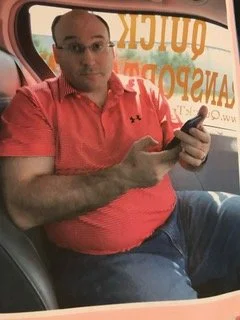
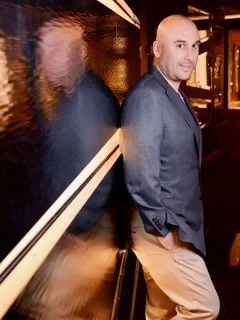
At just 43 years old, Charles Gassenheimer was 75 pounds overweight, pre-diabetic, struggling with joint pain and memory loss, and taking high-dose cholesterol medications. His doctors were managing his decline — not reversing it.
Then one conversation changed everything.
After meeting cardiologist Dr. Robert Ostfeld, Charles committed to a whole-food, plant-based lifestyle. The results were extraordinary: he lost over 70 pounds, came off medications, reversed his cardiovascular risk markers, and returned to running.
Today, Charles has completed over 15 marathons — including running the New York City Marathon faster in his 40s than he did in his 20s — while raising three plant-based children and supporting cardiac wellness programs for underserved communities.
This episode is about reclaiming your health, challenging your assumptions, and making Plant Strong living non-negotiable.
You’ll learn:
How Charles lost 75 pounds with food
Why medications weren’t solving the real problem
The conversation with Dr. Robert Osfeld that changed his life
How he came off statins and cholesterol drugs
Running marathons medication-free
His simple plant-based meal hacks
Raising plant-based children
Staying Plant Strong in a high-pressure career
Why genetics are not destiny
Key Takeaways
Your trajectory is not your destiny - Even with a strong family history of heart disease and diabetes, lifestyle changes can dramatically change your health outcomes.
You can’t outrun a bad diet - Charles exercised for years while gaining weight — until he changed what was on his plate.
Consistency beats perfection - Travel, work dinners, and busy schedules don’t have to derail your health when your habits become non-negotiable.
Episode Resources
Watch the episode on YouTube: https://youtu.be/Tb2twg7p9Pg
We hope to see YOU at one of our 2026 Live Events! https://plantstrong.com/pages/events Use code: podcast to receive early bird pricing
Join thousands committing to 30 days, 30 minutes of movement, and 30 different plants each week with our FREE Real 30™ program
To stock up on the best-tasting, most convenient, 100% PLANTSTRONG foods, check out all of our PLANTSTRONG products: https://plantstrong.com/ Use code: podcast to receive 10% off your first order.
Give us a like on the PLANTSTRONG Facebook Page and check out what being PLANSTRONG is all about. We always keep it stocked full of new content and updates, tips for healthy living, and delicious recipes, and you can even catch me LIVE on there!
We’ve also got an Instagram! Check us out and share your favorite PLANTSTRONG products and why you love it! Don’t forget to tag us using #goplantstrong 🌱💪
Episode Transcript via AI Transcription Service
I'm Rip Esselstyn, and you're listening to the Plant Strong Podcast.
[0:04] Hey, y'all. My guest today is Charles Gassenheimer, and this one is a doozy of a transformational story.
[0:14] Charles is a former Division I runner who went to Wall Street, got swept up in all the client dinners, the travel, and the just trying to keep up lifestyle. And before he knew it, he was 70 pounds overweight on high-dose statins and dealing with joint pain and even short-term memory loss. Then came the moment that changed everything. He had a straight shooting conversation with the one and only Dr. Robert Ostfeld, who's been on the Plant Strong podcast numerous times, who basically told Charles in no uncertain terms where his health was headed and how a whole food, plant-based diet could help him turn it all around. Fast forward, Charles is now off the meds. He's fueling with plants, running marathons like it was his side hustle. And he's raised over $100,000 for Dr. Osfeld's cardiac wellness program at Montefiore.
[1:17] And if I didn't mention, he's also raising young triplets that are all plant-based from day one. Absolutely incredible. This
The Journey Begins
[1:28] episode is about reclaiming your health and investing in the long game. We're going to hear all about it right after these words from Plant Strong.
[1:45] Charles Gassenheimer, I want to welcome you to the Plant Strong podcast. It's an absolute pleasure. We met in June of 2025, and we met at a retirement party for a wonderful, lovely human being, Kathy Stevens of the Catskill Animal Sanctuary that you are involved in. And that's a good place for us to kind of start how we met. But before we dive in there, where am I talking to you today? Are you at home, at the office? Where are you? Yeah, I'm in my office in New York City, where we spend part of our time in New York City and then part of our time in our home in Saugerties, New York, very close, in fact, to the Catskill Animal Sanctuary, which is where we met. And there's a reason why that place has such a special place in both my wife, Jen's, and my heart. Yeah. Well, why don't you tell us what kind of a special place it has in your heart? That's a good place to start. Yeah. So we're going to spend some time talking about my journey, which has been a fun, amazing, incredible eight years of my road back to good health. but um.
[3:11] In 2016, I met Jen, who was soon to become my second wife. But one of our first significant trips out of town was to stay at the homestead, which is the bed and breakfast at the Catskill Animal Sanctuary. And we really fell in love with the place. And real estate is one of our love languages. We decided we wanted to check out some homes. And after two more trips, I'm condensing a couple of months into podcast format. But after a few more trips, we decided to buy a house in Saugerties. And we just love it up there. It's been, it's a really magical, the Catskills generally are a magical place. And obviously, Kathy and what she's done at the Animal Sanctuary there is just phenomenal. Yeah. Well, you know, I have a...
[4:04] A soft spot in my heart for not only, you know, what Kathy's done in the animal sanctuary that she has there, but also that area of the country. I mean, I was, you know, we live about 30 miles from where that's located, kind of in the Hudson Valley area, over near Hudson in a little town called clavrak and i was actually born born there in 1963 um about a month and a half premature and we go back there usually for at least a month every year so like you appreciate and love that part of the uh of the country it's beautiful so beautiful yeah just amazing and and um yeah that That's right. You grew up, you guys, I remember from, I met your dad at, we'll talk about Dr. Robert Ostfeld and the importance of him in my life. But of course, he was a mentor of your father's. And that's, I met your dad and Dr. T. Colin Campbell as well at one of Rob's conferences. He used to have a conference in New York City. And as I got to know and meet Rob, I started to sponsor his conference site.
[5:21] We've got some shared mutual history here. Yes.
Life Before Transformation
[5:25] Well, you mentioned you started your journey about eight years ago. I'd actually like to talk about what happened before that. Because what was your lifestyle like? Like what got you to the point to where you needed to do something to reclaim your health starting, you know, eight years ago? Um, so yeah, yeah. I mean, long, long history, short, if you will. Um, I, uh, I, I was a athlete in high school, cross country and track. I got recruited to run division one and ran for the university of Pennsylvania, both cross country and track. And, um. Came to Wall Street, very unhealthy life of a Wall Street guy, lots of client dinners.
[6:18] Lots of entertaining and taking him to sports games and such, where you eat crap food and drink too much. And um i guess uh each each year probably uh two three four pounds adds up and 20 years later you're 75 pounds overweight and um you know i never sort of thought of myself as as an unhealthy eater i did go to the gym during that that time i i still i guess tried to run i don't know how much real running you can do at 225 pounds when you're only 5'7 but uh you know clearly the key adage was you cannot out train a bad diet. And, and that was, that was the start of the ball rolling toward, toward answering your question. Yeah. And before you dove into this lifestyle eight years ago, did you have any health conditions besides being overweight? Right yeah that was the that was the genesis was um i guess each year my then internal medicine doctor no no disrespect to him was always like well you're doing the best you can here's another five milligrams of crestor okay now we got to put you on some zettia because your ldls are too high we're to use all these pills to control you because you're doing the best you can and um yeah you know.
[7:45] In 2016, beginning of 2016, I was on 40 milligrams of Crestor and 10 milligrams of Zetia. And just to give you a bearing, I was only 43 years old at that time. So as you and I both know, you follow the trend line. That trend line isn't going to go down, right? It only goes up from there. And I was starting to have short-term memory loss, and I was starting to have joint pain. And so I really wasn't tolerating, would be the right word, the medications, and I was complaining. And, you know, my internal medicine doctor at the time said, you know, that you'll get over it, right?
Meeting Dr. Ostfeld
[8:31] Your body will adjust, and this is what we need to do. Um and uh so that um i'll let you ask the questions but that i'm i'm leading the way reading the questioner but that was sort of where where i i sort of said you know i gotta make some changes um, Well, so you said that, so Jen is your second wife. And I'm wondering, with your first marriage, you had how many children? Two. Two children. Sons, daughters? Two boys, two sons, Daniel and Matthew. Daniel and Matthew. How old are they now?
[9:14] Daniel's 21. He's actually a senior in college. It's hard to fathom. and uh matthew was a sophomore this year and also in college uh daniel's in st louis but matthew is uh in ithaca in upstate new york so not not too far away from uh wonderful from where we are and so jen jen you refer to her as kind of your you know your your your angel um where did you meet jen so jen and i met in manhattan she's always been born and raised in new york city upper east side of Manhattan um her her father is actually a physician um at mount sinai and and very very prestigious uh physician in the areas of hematology oncology which uh which was which was interesting because um uh he's he started to implement a lot of the plant-based methodologies into his practice now um but that's an aside we met um uh through an online dating app.
[10:15] I left the dating world in the late 90s and came back in 2016. So I was gone for a long time. And I really had no idea what I was doing. I was definitely a lost sheep for sure. But I tried my hand. And thank God I didn't have to date too long because I don't know how much I would have been able to take. But, uh, we met on a dating app and, and, um.
[10:45] Yeah. Let's say I was immediately convinced. Jen took some convincing, but I was immediately convinced. Yeah, it is a brave new world out there when it comes to dating, isn't it? Wow.
[10:59] So interestingly enough, my understanding is when you met Jen, you were at your heaviest and probably your unhealthiest. Was that fair to say? 100%. And uh so she she she could see the beautiful human being that is charles gassenheimer behind you know the kind of overweight inflamed sick person that you were then huh, yes i i think if she were here she said she saw the potential uh she had to squint a little bit But she saw the potential, and thank God for her. But yeah, we met in April of 2016. Now, would you say that as a person, you have an open mind? Because obviously, it sounds like you went from the standard American diet, being overweight, uh indulging in your wall street you know uh dinners and entertainment and obviously she was able to sway you so either are you either you're open-minded or she had some sort of magical powers uh both of sports um i i i would say that um uh.
[12:25] As a financial investment professional, I'm definitely on the creative side of my industry and very much entrepreneurial and open to new things. So I certainly think that addresses your first point is I'm always willing to learn. But learning alone and the education side is one thing. But, you know, as you well know, it takes a swift kick in the ass and sometimes more than one or two or three and so on and so forth. And so having Jen, who to her credit has eaten vegan and plant-based really since she was very young, she had, I think, a great home and a good founding. And she's an incredible researcher and really had come to it very early in life. And so I think for a number of reasons, she came into my life, as I say, at the right moment in time. Well, what's interesting to me is that I'm trying to put myself in Jen's shoes. So I've been practically a lifelong vegan. And as somebody who lives and breathes this, this is an important core tenant of who I am as a human being. It's a very important pillar.
[13:51] And if I was to go out into the dating world, especially on the dating apps, I think I would check, you know, I would be looking for a vegan or plant-based person, uh, not an over overweight meat eater. And so I'm just like literally wondering like how it was that the dating app somehow put you guys together or however it worked.
[14:12] You know, I, uh, it's, it's a great, it's a great question. I definitely am open. And, and, And as I suggested to Jen, I'm always open. And I think, to give you an example, the first date we met for coffee. So that's not a particularly challenging exercise. But Jen was, at least the way she tells it, she was impressed that I actually listened and paid attention. And so I set up our second date for dinner in Koreatown at a place called Hangawi, which, if you know Manhattan, is a vegan, plant-based Korean food and really one of the best in the city. It's really a phenomenal restaurant. So I can't recommend it strongly for those who come to New York. It's really clean and healthy. um and uh she was really impressed that i was i one i remember two made the reservations and then um we had a wonderful night and uh so yeah again breadcrumbs on the trail right, yeah yeah kale you know kale kale on the trail now now uh.
[15:26] So how can you remember, like from that second date at the Korean vegan restaurant, how long was it before you were like, all right, I'm in. I can handle this. It tastes good. I feel great. And I'm all in.
[15:46] It took a minute. You know, I say my journey started in earnest. That you know april of 2017 was when i went you know if i can use the expression cold turkey um so so it it took a little bit i mean i i i immediately started to watch my health and and eat a little better um get to the gym more and lost the first 10 to 15 pounds came came off um pretty quickly and this was during 2016 where i was i guess you'd describe it more flexitarian where the eating vegan when i'm around jen um and you know eating cleaner like i cut out red meat gone um but still was eating you know salads with chicken on it or whatever and sort of doing a bit of a flexitarian dance and i i um it was as he said it was april of of both a combination of jen meeting meeting rob dr osfeld um and and in april 2017 i just turned the page and when you met with rob dr rob osfeld who's been on the podcast numerous times um did he recommend that you go on a whole food plant-based diet yes um it was a bit more stark than that uh he uh.
[17:12] He'd looked at my, my numbers and obviously that the, the, the bullet scores and, and we talked about my health history and, you know, I do have a history of, of, um.
[17:24] Basically, every SAD, standard American disease in our family, cancers, heart attacks, strokes, diabetes, I mean, you name it, you know, it's like a history of our family. And, you know, Rob started by explaining that just because your genetics, you're predisposed to a poor genetic history, does not determine your future. And he then went on to explain that, in fact, there is no pill that can reverse arthrosclerosis, but, in fact, a plant-based diet can.
[17:55] And then he went on, and I appreciate, I will forever appreciate this, to explain to me that the bad news is that on my current trajectory, there will be a time in which I will need my leg cracked open, my chest cracked open, taking a vein out of my leg and bypassing one or more of my coronary arteries, and there's four of them. So, you know, the good news for the hospital system is that $3 million, cha-ching, in their pocket. The bad news for you is once you go through these surgeries, which are really challenging to get through as a human being, right, your life expectancy will start to decline and you'll have other problems and so on and so forth. So that's the bad news, right? Here's the good news.
A Plant-Based Revelation
[18:45] He said you can go on a plant-based diet. You can feel better. You can reverse your coronary artery disease. You can not have to worry about diabetes, which you're concerned about. You're already pre-diabetic, right? You don't have to worry about losing your vision. All the other happy side effects, I should say unhappy side effects, right, of diabetes.
[19:05] And we can be friends. You don't have to see me again, unless you want to. And um and so you know very few times in life where you have a an honest conversation with your um physician i feel like um a lot of times physicians either you're one um, go home and eat the same crappy stuff that that you're you're eating so or two they they feel like well we we could discuss this with our patients but patient's compliance has been poor and so why bother you know just there's a pill for that right um and so um you know i'll always.
[19:47] And obviously i've seen rob a lot more and we've become social friends as well but i will never forget what what he did and and the way he's built his practice which is through integrity honesty and and and really for him trying to solve a real problem like you know as he likes to say other than a fixing a gunshot wound in an emergency room there really is nothing he has seen in his medical profession that can have the profound impacts of switching to a whole food plant-based diet yeah no listen rob is.
[20:25] A remarkable human being remarkable human being just quality quality quality um and obviously he had a huge impact on you and that's why you've sponsored his uh his uh conferences for two years right yeah it's been this will be the fifth year now that i'm raising money for for rob and um as i've told him uh as long as i'm still got blood pumping in my veins he can count on me um uh i'm committed to him and his program you know the amount he's done i mean obviously he's he's up in the bronx which is you know has a um has a has a much lower socioeconomic pattern up there than than in manhattan or other boroughs and and rob's mission in life is to democratize this information and really.
[21:18] The number of patients he's impacted up there is profound. How did you get.
[21:27] Dr. Robert Osfeld's information? Was that because of your wife? I mean, Jen, because she wasn't your wife at the time, or somebody else. We had started to go on the circuit, right? So as you know, and you've participated, and so has your dad and others. There's a plant-based circuit, as I like to say. And you know the the cities change but it's the same people who turn up and um so we we had watched forks over knives and and we had uh we had started to go to some of these veg fests and and and such and um uh so we had met a couple of a couple of folks and gotten some recommendations and um uh, rob's rob's name was at the top of the list um so that that's sort of how we we uh we found him Yeah. Let's talk about your running, but not quite yet. So you married Jen when? We got married in August of 2018.
[22:44] So we went to Fiji, and it was a destination wedding just for the two of us, which was, as with everything with Jen, she does everything just right. It was a perfect thing for us. So we really enjoyed it. And then we had a party when we came back to New York. And of course, the party was 100% plant-based.
A Unique Wedding Experience
[23:04] There were complaints all around from my side of the family. But her side of the family had a wonderful, wonderful time. And we did compromise and we did serve alcohol. That was a debate, but we did, of course. But it was a great event. Now, honeymoon in Fiji, and the rumor has it that it was a three-week whole food plant-based bonanza, and you came – well, and you lost 10 pounds on your honeymoon. That's pretty phenomenal.
[23:40] Like, was this a vegan retreat or, you know, resort that you were at? No, no. Jen, no. Jen went behind the scenes and had prepared each of the places where we were going to talk to the head chefs and developed a menu with them. Not one drop of oil. Not one. Wow. For three weeks not one drop of oil and um you know each each about each 10 pounds uh as jen tells the story from two two yeah was it like 215 when the journey started about every 10 pounds i would kick and scream like a mule and say okay i'm done now right you know and uh jen would have to prod me so so when i when i you know we tracked it pretty closely just because it was such an amazing journey and and uh we chronicled it with with photographs i shared some of them with you and um uh so i was 178 on our wedding day and uh when i came home from fiji i was 167 and i was like oh my god in a million years like i never thought i would get below 170 i mean i was uh that was the weight which i left college was once 165 so i was back down to my college weight which was, I was just, uh, it was tears of joy, tears of joy. Yeah.
Honeymoon Health
[25:08] Wow. How about that? Uh, so are you, can you remember how much you weighed when you, uh, went into college, like your freshman year? Yeah, I was 139 pounds. I was a scrawny, uh, freshman. Um, you know, back in those days, I, I say back in those days, I'm not, yeah, I don't feel like I'm that old, but you know, runners were, were, you know, blades of grass, right? We didn't, we didn't hit the weight room back then it wasn't under well at least well understood in the 70s and 80s when i was growing up that weights were um were a thing for for runners you knew it for football and for other the the contact sports um and so when i got to college i i um you know we started a lifting regime and so i put on yeah i put on more a little bit more muscle weight um Um, so my, my racing weight in college was about one 45, one 50. Yeah. Now you started running again is in about 2019. Is that correct? Yeah, so I started running 2018, but you're correct. 2019, I decided to run New York City for the first time in 21 years. And how did that go?
[26:24] So perhaps not shockingly for you, but shockingly for me at the age of 46 years old, I ran New York City Marathon in 2019, five minutes and 46 seconds faster than when I was 25 years old. Wow. And can you, how was, how did the experience compare 25 years later? Could you compare the two at all? You know, no, because, you know, when you're in your in your 20s, you know, it wasn't it was it was special because I happen to think New York City is is they're all great for different reasons. And I've run Chicago now and Boston and 14 other marathons. So I've enjoyed them. But New York City just has an unbelievable energy to it that just makes it different. And so I just enjoyed it a lot more.
Rediscovering Running
[27:22] And really crossing that finish line again, there was tears of joy, no doubt about it. That was a really unbelievable event. Tell me this, because I'm always curious, especially with runners, and it sounds like running has become a large part of just who you are these days. Why running? What do you like about running? sure um one you know trying to relate it to the broader population is when when you only have a limited amount of time to work out you want to do the maximum amount of exercise in the minimum amount of time right so you you want to be calorie efficient if i can use and you know i found that you know any sort of motion if you like to dance dance if you like to walk walk if you like to row do the rowing machine or elliptical any exercise is the gold standard right you you get you know if you want to live a long and healthy life and and you're not incorporating exercising your regime you're you may not be able to achieve that that goal but so i think any any exercise is wonderful for me running has always been my mindfulness my stress reduction activity um and it's you know it's always been ever present, you know, back to my, you know.
[28:52] 10, 11, 12, 13 years old, I started running young. So, um, it just, it brings me so much joy and it also, uh, helps with my daily stress management. I guess what's the old joke. It's, you know, you think I'm bad now. Imagine if I didn't do my five mile run this morning.
[29:09] No, no, no kidding. When you run Charles, do you like to run by yourself or do you like to run with other people so uh you know i i think uh one i enjoy music of any and all kinds of music so i have i don't know 300 different playlists so i do like to to go out and and uh and run uh and listen to music either on the treadmill if the weather's inclement i prefer to run outside i say the treadmill is definitely um for you know cold weather and bad weather days um i just enjoy being outside and such. And there are obviously a few days where you can't, but I enjoy running outside. I enjoy listening to music.
[29:53] I do have a couple of groups I belong to, including Upstate with the Ontario Runners Club, and we meet once a week for track workouts. And so I do, I like to try and do speed workouts with others. And then I also think that some of these connected fitness groups like a peloton for example are really wonderful because you can do it on demand if you have the chance you can take a live class on the screen or obviously if you can make it into the studio and be amongst others but but you know let's say you can't let's say your schedule doesn't allow for that you can still have a high quality workout experience in a connected way, and so i think some of this new technologies has been really wonderful and i i happen to avail myself of Peloton, but there are others out there too, but I happen to enjoy that experience.
[30:46] So this will be, you said you ran Chicago not too long ago, and you're running New York City in just a couple days, right? Yeah, yes. And so how many marathons have you run? This will be marathon number 15. I ran two in my 20s, so 13 of them starting in 2019. Wow. um so i'm racking them up and uh yeah i i i have a i take a page out of jesse itzler's book i have a a master calendar that i put up every year yeah and so i'm i'm in the process of mapping out, 2026 and i i sort of say when when and where do i want to run and how do i want to put that together and i then i i map my training plan out against that but so all i can tell you is for 26 I'm into Berlin. So that one's, I'm excited about that. Wow.
[31:41] So how many miles are you trying to average a week or you not worry about that? It's interesting. Again, everybody has a different way, but from my perspective, the immovables are – I try to do two weight workouts a week, so I try to work in two strength trainings. Again, that was a newer discovery for me is really how important the resistance and strength training has been to my overall fitness and my marathon running. Um the the the runs during the week don't change all year round um you know i'll run from five to seven miles three four five times a week depending on travel and schedules and and and i don't stress like i just that's your base load yeah on the weekend my long run is what varies um you know once once a weekend i'll do that long run and during the off season that might be eight miles and obviously as you're building up to a marathon that'll go up to 18 to 20 miles on on a long run so that's that's where you see the variability um and i i try to do at least one day a week of some sort of cross training where i'm not just running all the time and that literally can be anything from an elliptical to the bike to the rowing machine anything.
[33:09] Tell me, how have your injuries been over the last six, seven years since you started running again?
[33:18] So, fascinating. I'm going to knock on, my desk is wood. I'm going to knock. I have not been injured since I went plant-based. Yeah, yeah. Yes, I've had some Achilles tendonitis, or I've had a little bit of plantar fasciitis. So there are things that have come along, but I have not been sidelined. I haven't had to take a significant amount of time off, which is stunning to me because I did get hurt pretty badly in college. I tore some tendons in my left foot and, um, the recovery cycle for that was like six months.
[34:04] Yeah. Um, so the idea that I'm, you know, now into my fifties, 52 years old and I'm running on average 30, 35 miles a week and I've been doing it. I mean, Nike has me at like 9,000 cumulative miles over the last, you know, however long they've been tracking me. So, and, and I've been doing that really for the last six years without injury is, is just stunning to me what kind of shoes do you run in yeah so i you know uh asics have been my go-to um uh and new balance i guess i'm old school in that sense uh uh so i i i rotate my my shoes depending on the day and the and the distance i don't love some of this newer.
[34:50] Yeah. Bushy pillow, poker thing. I think it's just too much cushion for me. So, um, yeah, I run my races with new balance. Yeah. And also, I mean, I think you're pretty, you know, you're pretty fortuitous in that you're now five, seven, 160 pounds. Is that about right? Yeah, I was one 159 yesterday. So we're, we, we cracked another, uh, another, uh, I'm trying to get back to, uh, you know, my internal medicine doctor is Dr. Ron weiss i think i mentioned that to you and um so ron and i have a goal to get down to 150 pounds is where we think that the optimal optimal marathon will be and so we're we're working our way down there wow 150 now when you say we uh is that he's rooting for you to get there or he's also going to get to 150 with you well that that's that's a question for for ron but uh that's So, you know, we, we set a, uh, we set a goal, um, and, uh, in our care plan and, and that's my goal for 2026. Good goal. It's a really good goal. And, uh, wow. You'll probably crush Berlin at one 50.
[36:06] The goal, you know, it's, uh, the, the, uh, the goal in marathoning, there's, there's always these, uh, steps and stages, um.
Marathon Goals and Challenges
[36:16] The i have run boston but i ran it for charity um and i'd love to qualify for boston and and the problem is that uh running has become more popular and so they keep lowering the the standards to get in so i i know i needed to run below 330 um i might need to run closer to 320 so i've got to keep going uh i ran new york city last year at 355 which was i was happy with i i know i've got more in me so um i just got to keep going yeah so 330 you know you're you're you're good with numbers and math what what pace do you have to average to go a 330 is that like 7 30s eight eight eight minute pace eight minute pace yes 330 yeah yeah well um i think you can do it i think you can definitely do it i've run i've run a 138 half um i'm better at the half i think it hasn't yet translated and i you know i know i know that means i've got to you know up up the endurance up the distance a little bit more and so i gotta lose some of the weight so as you know you talked about the idea of staying healthy and injury-free is is it's all about you know.
[37:34] What are you doing with with flexibility and yoga and and and and stretching what are you doing with the weights and the strengthening even for runners they really need to be concerned about.
[37:46] Strengthening around the core muscle groups and then you know so your body can take that that that pounding as you as you increase the uh the endurance and the the the distance running so So you've done, this will be your 15th New York City Marathon. Tell me, what are you doing at the end? Do you have a regimented plan when it comes to your nutrition and hydration? Because that is a paramount importance. Yeah, you'll like this answer. I had a chance to spend some time with Dr. Joel Fuhrman last year, and I worked on some nutrition with him as well. And one of the key learnings, I mean, there's a fountain of wisdom there that I encourage everybody to tap. But my favorite one was h equals n over c right good health equals nutrients over calories so you want to eat the highest nutrient dense foods with the lowest amount of calories and it's like just that alone is so brilliant if you if you think about it so um but we we one of the things I had to dial in was getting away from eating all the goo and the Gatorades.
[39:00] And, you know, the key learning was reducing sodium in your food. And, you know, it was so critical to my overall nutrition plan because if you eat foods that are lower in sodium, when you sweat.
[39:16] You don't lose your electrolytes, right? And so that was another stunning development for me. You know, as I sort of say, I'm getting my PhD one step at a time from all these brilliant, brilliant guys who've been willing to share time with me. And so you want to, for 800 reasons, you want to eat food low in sodium as you preach. But for running in particular, you don't have to worry about replacing those electrolytes because you don't lose them in your sweat as much. And so I've really tried to dial in lowering the overall sodium. On course on course um uh we we came up with a uh a little a little date recipe where you know we roll the dates in some cocoa powder yeah and i put them in a little baggy and munch on those as as i go um and so we we we dialed that in and and um and then just stay with the water that they give you at the aid station so that's been the uh that was that that was a another little fine tuning.
[40:27] Hmm. You know, there's a, there's a company I saw that, uh, at a rent running expo last year and they actually make, you're like, you know, in the goo packets and all it is that's in there is basically it's like a date gel or, or pace. Oh, wow. Yeah. I'll send you, I'll send you a photo there. Thank you. Yeah. It looks like it's a good, really good product.
[40:49] Um, well, that's really cool. Um, that you're really dialing that in and getting, uh, getting all that When you run, you mentioned that you usually do something with charity. Is there a specific charity that you're fond of? Thank you. Yeah, so I'm committed to running New York City each year for Rob's cardiac wellness practice at Montefiore. He's done so much to change the trajectory of my life, and it's the least I feel I can do. I, as I mentioned before, this will be the fifth year I'm running for cardiac wellness at Montefiore. And if they'll have me, I'll keep on coming back as long as they'll have me and as long as I can still go. So, yeah, it's really been a great cause. And yeah, I'm pleased to report that so far in the marathons I've run,
[41:52] I've raised over $100,000. And so that's been really amazing. And again, just as my wife likes to say, if you've got a marathon and you've got a special call, Charles will run it. Just call him.
[42:10] I want to go back to your family for a second, because you mentioned about the wedding being plant-based. Yes, there was some alcohol. uh your family your side of family maybe wasn't so thrilled Jen's side was in you know kale heaven um where where where does your family sit these days especially after seeing you know what has happened to you over the last eight years yeah I mean uh I I definitely think that um uh, awareness uh is there um you know i think my mom my dear mom uh who uh is a classically trained french chef in her mid-80s um i don't think she'll ever come around to it i mean it's it's sort of too late and and too much different thinking yeah um you know.
[43:08] I do have some nieces and nephews with diabetes, both of whom have become more plant-based. And I have a cousin who has gone completely plant-based. Her concern was we have the BRCA gene with regard to impacting breast cancer. And so, she's become a disciple of Dr. Michael Greger and does everything off of the nutritionfacts.org website, which is, you know, it's just like the Encyclopedia Britannica for our way of living and eating. And so, I'm obviously thrilled to see that. You know, I wish everybody the knowledge to control their own destiny as best they can. Um, and so much of the resources because of what you're doing and what some of these other great, great doctors out there are doing and, and such, there's so many more resources today than there has ever been. Um, so the knowledge is out there. And when I, even from the eight years from when I started in 2016,
[44:15] it wasn't quite nearly as, as prevalent, prevalent as it is today. Yeah. It's interesting. You mentioned the BRCA gene and I think it was your niece that went plant-based because of that.
[44:31] If she hasn't heard of or doesn't know of Kristi Funk, Dr. Kristi Funk is, as you know, an absolute Brock star when it comes to breast cancer.
[44:41] Tell me this, now in 2025, are you on any meds these days? No, I have to take B12 and I take a multivitamin. Yeah. That's about it. That's scary. Yeah, that's about it. I've liberated myself. I've reversed the coronary artery scores. My cholesterol is consistently around 150 to 200, depending on what's going on in any six-month period, but generally very low. I travel internationally, and I do have to eat in some restaurants, but a lot of times when I go out of town, you'll see me first stop before I go. Whatever I'll have to do, the first stop is I'll end up at Whole Foods or whatever the grocery store is, and I'll be buying my carrots and my vegetables and telling the hotel to remove all the alcohol from the minibar fridge.
[45:44] And putting my kale and my cucumbers in there and my carrots. And, you know, a lot of times I'll eat before I go out to a restaurant or to dinner or to lunch, and you just find a way to make it work. And it's been, I don't know, it's super liberating is the way I say it. Some people say it's a pain in the ass. I look at it as super liberating because I never have to worry about, you know.
[46:12] And looking at the menu or worrying about what food they're going to serve me is, you know, everybody can make you a salad. Even at Denny's, they can make you a salad. I mean, my goodness.
[46:23] No, I think that's a good word to describe it, Charles, is it is liberating. It's liberating on so many fronts, especially once you grasp it and it becomes part of who you are. Now, it sounds like you're in this high-powered Wall Street finance career. You've been CEOs and presidents and partners for, what, pretty much like 20 years, I would imagine.
[46:53] How do these other high-powered guys and gals deal with your love of plants? Um yeah it's it's fascinating um, And to put a positive spin, it's the greatest conversation starter of all time. Yeah, that's true. Yeah. So, you know, you're sitting down, you're getting to know someone. And, you know, there's always these awkward moments of, you know, because, you know, you don't want to spend a whole lunch or dinner or whatever you're doing just, you know, talking shop the whole time. I can't think of anything more boring. Right. And so by inserting that, it just humanizes the whole situation and creates a personal connection. So I think from that perspective, it's amazing.
[47:50] You know, again, most, you know, yeah, I can understand if I walk into a restaurant and, you know, let's say they wanted to go to a steakhouse and I couldn't convince them to go somewhere else. And so I ordered two salads while they're eating their steak.
Navigating Social Situations
[48:09] Okay. They give me some funny looks, but, but nobody cares. I mean, it really, and if they do care, then, you know, from my perspective, that's, that's, that's an interesting piece of information as well. So, I mean, I think for the most part, you know, yeah, I laugh about it, but, you know, it creates some humor around it, but, but overall it's, it's non-negotiable and, you know, I make sure that's fristil clear to, you know, everybody.
Non-Negotiable Lifestyle
[48:40] I think that's a powerful word you just used. It's non-negotiable, right? I mean, this is a part of who I am. Take it or leave it, but I'm not bending. How perfect would you say you are?
[49:01] Let's say you and I are having a dinner at a steakhouse. How would you describe to me your dietary bent? Would you say your whole food plant-based? What do you say? Depends uh some people don't know what whole foods plant-based is so i just say i'm vegan yeah um but uh you know i mean people don't understand that when you say your whole foods plant-based that means no added oils and no added sugars um so it's sos free so it depends how much i have to dummy down the the conversation but but generally it's you know the way i always like to describe it is i'm trying to eat an anti-inflammatory diet yeah so i'm trying to i'm trying to put as little inflammation into my body as is possible and nobody can argue with that like you can you can argue with well you're you know you're the how many times we have to get asked the stupid question of where you get your protein from but but um i get it from plant strong beans of course But at the end of the day, you can't argue with an anti-inflammatory diet. And so that's my kernel of truth where I just boil it down to and say, I'm trying to eat an anti-inflammatory diet. I'm trying to, for a number of reasons, keep up a training regimen, keep up with four-year-old triplets.
[50:31] Crazy, crazy, crazy. I want to come back to those triplets in a second here.
[50:36] And then do you also say, like, would you say, so I'm trying to eat an anti-inflammatory diet. Did you ever have confirmed heart disease or just elevated cholesterol levels? Um so so we never actually um took the the measurements uh but the the cholesterol and the um we did measure the size of the particles and i know that my particle sizes were quite small uh very high on the small end which as you know is those are the really dangerous ones so i think there was uh perhaps at 43 i wasn't quite old enough to where it was like yeah but there was every alarm bell was going off as you were reading my blood scores where it was like red light red light red light well so if i if i if i'm sitting across the table from you and you're like listen i'm trying to eat an anti-inflammatory diet i have a predisposition to heart disease i'm down 70 pounds i'm running marathons you know i mean i am i am enjoying my lifestyle what so you've got you've got did you say you have triplets that are they're all age four they turn four in november so we're we're lost a month out at this moment so you've got five lovely children triplets uh that sounds like a lot of work.
[52:02] It was the gift, and definitely the gift I never knew I needed. It was certainly a shock, but it has turned out to be a blessing in so many different ways. And remains my, you know, if you ever, as you know, patient compliance, people get off the trail. Every day I wake up, those are my reason for staying on the trail. Yeah, it's a powerful why, isn't it?
[52:34] Who does most of the cooking at your place? yeah so we we uh we definitely don't have time to cook um uh so the uh the the the the hack i came up with is is after conversations with ron and and uh his ethos plant-based practice um uh he had a chef uh that was uh helping him and uh so chinita is her name and i use chinita so chinita comes and cooks a month worth of food and we stock the freezer. And then, you know, every day I take out and defrost what I'm going to eat. So I've got my meal plan there. And, you know, for all those out there who say it's difficult, there is always a plan. There's always some way that you can make this happen. I mean, I'll give you one of my most simple, easy hacks. You come home, you're starving you don't have time if I put a bag of potato chips in front of you you eat the whole bag right so so keep the following two things in your in your in your pantry sweet potatoes.
[53:43] And find a salsa that is low in no sugar and no oil. I happen to like the Desert Pepper brand. They make a great black bean dip that's got a little bit of spice to it. They make a great black bean and corn salsa. But if you don't like that one, find one you like. But make sure you read the ingredient list. Okay, I literally can have dinner in front of you in four minutes. You take the sweet potato. you put it in the microwave for two and a half three minutes however long it needs you pour the salsa of the black bean dip on it put it in there for another minute if you eat that it is impossible to be hungry right you cannot be hungry.
[54:24] And and you've knocked out and that whole thing depending on the size of the sweet potato is 400 calories and you've just gotten yourself you know pretty high quality meal in four minutes flat without doing a whole lot of work. So anybody who has excuses, give me a call. I got the answer. Well, you know what? It's true. I would say that one of the core.
Family Meals Made Easy
[54:52] Traits in making this work is your attitude. You just got to have the right attitude. And if you have the right attitude, everything else will fall into place really well. Totally agree. um are your triplets um plant-based 100 from day one not a drop of anything that isn't plant-based wow that's beautiful and they must be very healthy little girls uh they're two boys and a girl two boys and a girl thank you thank you and they they and they are jen's jen's overseeing that she's She's doing an amazing job and I'm so grateful. What do you usually do for breakfast? Breakfast is is pretty easy actually uh i do uh oatmeal um uh any any you know doesn't have to be rolled or or or steel cut but you know i i generally like to buy the uh the bob's mill oatmeal but any oatmeal i oatmeal chia seeds flax seeds um put in the microwave with some water, take a page out of your dad's book. Try to put as many blackberries, blueberries, and strawberries in there that you can jam in there. A little bit of plant-based milk, and there's breakfast. Yeah.
[56:19] Well, Charles, this has been a really fascinating conversation.
The Ripple Effect of Plant-Based Living
[56:25] I can't tell you how much I enjoy talking to people like yourselves that have found the power of whole food, plant-strong nutrition and all that it entails and the ripple effect that it has. And you have found it mightily. And what I love is that you're also, you're giving back in so many wonderful ways. You know, whether it's through your running, whether it's with helping and sponsoring Dr. Robert Osfeld, the Catskill Animal Sanctuary. Um i appreciate you thank you for all you're doing thank you yeah well no thank you i mean you've been a a bright light in this uh space to shine a spotlight on all things good and so um, it's my pleasure to be here i'm humbled to be invited and thank you for all you do i i just, want to try to continue to spread the word yeah well you are we are hey so give me give me a Plant strong, fist bump on the way out, all right? Plant strong, Charles. Plant strong. There you go. There you go. Good to see you. Thanks for everything. Thank you.
[57:38] Charles Gassenheimer, what a story. And here's what I love about Charles. This wasn't a dabble. This wasn't a kinda, sorta situation. This was planned strong living, becoming who he is, nonstop, non-negotiable. He went from 225 pounds and stacked to the gills with meds to medication-free, thriving, running marathons, and raising three plant-based kiddos with intention and joy. And listen, if you took one thing from today, let it be this. Your trajectory is not your destiny. You can change the outcome. You can turn the ship. One meal at a time, one run, one walk, one workout. If this episode lets you up, please share it with a friend, especially the friend who thinks that it's too hard or it's just too late. And please, if you're able, support the work that Charles is doing for Dr.
[58:47] Robert Osfeld's cardiac wellness program at Montefiore, helping bring this life-saving information to the communities that need it the most. And I'll be sure to put a link in today's show notes. All righty, plant strong people. Keep living with intention, keep moving those bodies, and as always, always, keep it plant strong.