#342: Sachin Shah, PharmD - A Tick Bite that Makes You Allergic to Meat? And, What's Hiding in Your Medications?
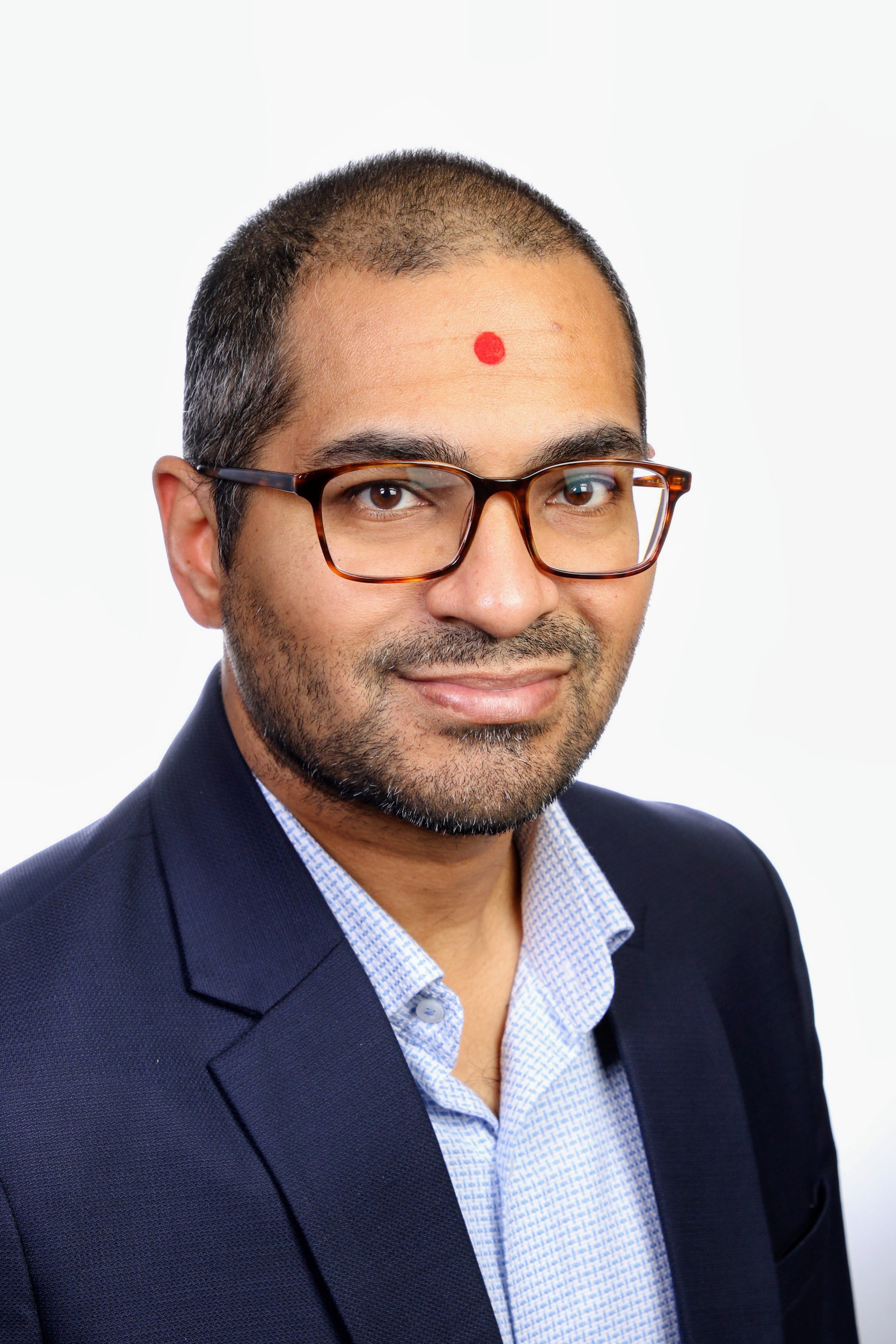
Dr. Sachin Shah is co-founder and CEO of Pill Clarity
What if your health wasn’t just shaped by what you eat—but by what’s hidden in your medications?
In this episode, Rip sits down with pharmacist-scientist Dr. Sachin Shah, a leading voice in medication transparency and patient safety. Together, they explore why food truly belongs at the center of health, how modern medicine sometimes misses the human in healthcare, and why knowing what’s inside your pills can be just as important as knowing what’s on your plate.
Dr. Shah also breaks down alpha-gal syndrome—a tick-bite–triggered condition that can make people allergic to red meat and certain medications—while also sharing hopeful, forward-looking ideas around heart health, non-invasive therapies, and the power of informed choices.
This is a conversation about clarity, care, and taking your health back into your own hands—with compassion, curiosity, and a whole lot of heart.
Key Takeaways:
Food still matters most. No drug or device can outdo consistent, nourishing food choices.
Heart disease isn’t inevitable. Aging doesn’t doom you—your daily habits matter more than you think.
Alpha-gal syndrome is real and growing. A tick bite can change how your body reacts to food and medications.
Not all medications are created equal. “Inactive” ingredients can cause real problems for many people.
There’s a little-known therapy that boosts blood flow—without surgery—and most people have never heard of it.
Energy drinks aren’t harmless. They’re very different from coffee and can stress the heart.
You probably don’t need tons of supplements if you’re eating well and don’t have a deficiency.
Transparency saves lives. People deserve to know what they’re putting into their bodies.
Sachin A. Shah, PharmD, FACC, FAHA, is a pharmacist-scientist and health advocate focused on improving patient safety through greater transparency in medical products. He is the CEO and co-founder of Pill Clarity, Inc and the Pill Clarity Foundation, organizations dedicated to advancing ingredient transparency and reducing preventable harm for the more than 33 million Americans with food allergies, including approximately 500,000 individuals with alpha-gal syndrome.
Dr. Shah is a Professor of Pharmacy at the Thomas J. Long School of Pharmacy, University of the Pacific. His research spans noninvasive approaches to cardiovascular disease, alpha-gal syndrome, medication safety, and emerging public health topics such as energy drink–related cardiovascular effects and long COVID. His work has been featured by national and international media outlets including NPR, BBC News, and USA Today.
Episode Resources
Watch the episode on YouTube: https://youtu.be/BukL_bbtPJI
We hope to see YOU at one of our 2026 Live Events! https://plantstrong.com/pages/events
PillClarity.org: https://www.pillclarity.org/
Join thousands committing to 30 days, 30 minutes of movement, and 30 different plants each week with our FREE Real 30™ program
To stock up on the best-tasting, most convenient, 100% PLANTSTRONG foods, check out all of our PLANTSTRONG products: https://plantstrong.com/ Use code: podcast to receive 10% off your first order.
Give us a like on the PLANTSTRONG Facebook Page and check out what being PLANSTRONG is all about. We always keep it stocked full of new content and updates, tips for healthy living, and delicious recipes, and you can even catch me LIVE on there!
We’ve also got an Instagram! Check us out and share your favorite PLANTSTRONG products and why you love it! Don’t forget to tag us using #goplantstrong 🌱💪
Episode Transcript via AI Transcription Service
I'm Rip Esselstyn, and you're listening to the Plant Strong Podcast.
Introduction to the Plant Strong Podcast
[0:06] Today's conversation is one of those episodes that made me stop, lean in, and say, wow, more people need to hear this. I'm sitting down with Sachin Shah. He's a pharmacist, scientist, researcher, and health advocate focused on improving patient safety through greater transparency in medical products. He also is co-founder and CEO of Pill Clarity. It is a free resource specifically dedicated to helping you know exactly 100% what's in the medications that you're taking.
[0:48] And believe me when I say that this episode covers a lot of ground. We only had a limited amount of time today, and I wanted to touch on several topics, including a little-known tick-borne condition called alpha-gal syndrome that can actually make you allergic to meat, and I'm not exaggerating. From there, we explore powerful non-invasive approaches to heart health,
The Importance of Energy Management
[1:14] the truth about supplements, why it matters to know exactly what's in your medications. Yes it can mean life or death and even why energy drinks are far more than just coffee in a can this conversation is practical eye-opening and incredibly relevant and make no mistake this isn't about fear it's about clarity and it's about patient empowerment let's meet dr shah right after these words from plants from.
[1:53] Here's something we don't talk about enough. Energy is finite. By the end of the day, you have spent it on work, family, decisions, responsibilities. And when dinner rolls around, you shouldn't need a surge of motivation in order to eat well. You just need something solid.
[2:14] Plant Strong Foods exist for that moment. Real ingredients, no added oils, no refined junk, just whole plant meals that come together quickly and, actually satisfy you. This is not about perfection. It's about having food in your kitchen that aligns with how you want to live. So if you're ready to stock your pantry with the best default on the planet, head to plantstrong.com and use the code podcast to save 10% on your first order. If you're a healthcare provider or someone who believes food belongs at the center of care, this is for you.
[2:54] Vital Signs is our June conference in Cleveland, Ohio. It is designed specifically for clinicians who are curious, courageous, and ready to rethink the system. This is where science meets implementation, where metabolic health meets practical tools, where prevention stops being theoretical and starts becoming actionable. We're bringing together physicians, researchers, innovators, and change makers who believe lifestyle medicine deserves a seat at the table, literally. There will be rigorous education. There will be bold conversations. And yes, there will be joy and connection too, because this movement is fueled by community. If you're ready for clarity in your practice and connection with others, building the future of care. Join us in Cleveland this June for Vital Signs. Details are at liveplantstrong.com.
Exploring Heart Health and Cardiology
[3:58] Sachin Shah, it is so great to see you again. It's been too long, but I want to welcome you to the Plant Strong Podcast, and I can't wait to dive into your expertise, which is something that very much dovetails into all the things that I'm doing with Plant Strong. So you ready to go, my man? Yes, sir. Excited to be here and thank you for having me. Absolutely. So for starters, I know that you have spent decades, decades studying the heart and exploring the heart. And so just like, why, why are you so utterly fascinated by the heart? I would love to have a deep philosophical answer for you on that because it'll make me sound smart. But the truth is, I think it comes down to first exposure. In my early career, I was exposed to things around the heart and I just got deeper and deeper and deeper to it. So it's not scientific. It's coincidence. But I think that's the truth. And in reality in life, a lot of things go like that. But on the flip side, I did fall in love with it after I had my first taste. And then that's the rest of the story. Yeah. Yeah. When did you have your first taste?
[5:19] In childhood, I was exposed to kind of just anatomy and just understanding the heart. But then when I was an intern at Pfizer in university, I was in the cardiology division and they were looking at drugs for the heart that kind of increased the HDL, the good cholesterol. And then that just got me starting. So yeah, I'd give credit to Pfizer for that. Right. And so what, how long ago was that? This is 2003, so this is a little while back. And to the best of your knowledge, has Pfizer or anyone else created a drug that can safely, increase the HDL and does it actually protect the heart from cardiovascular disease? They have not. So at that time, the drug that was being considered was called torcetropib and it had some side effects that we didn't want, minor increases in blood pressure. So for that reason, they stopped continuing making the drug. But to answer your question, no, to this day, I haven't seen a single good FDA-approved drug that can do that, but there are things in the pipeline. Hmm. Yeah, yeah.
[6:31] I have a feeling that the next decade is going to present a lot of groundbreaking and, research on other sides of the equation besides food, but we'll see. And I'd love to get your thoughts on that as we progress here.
[6:53] So most people think that as they age, cardiovascular disease is just a natural consequence that goes with the aging process. Can you help us dispel that myth that growing older makes you more prone for heart disease?
Age and Heart Disease Myths
[7:18] Well, we all have heard, those in this space, that you can reverse heart disease. So that in itself tells you that it is possible. The second thing I will say is I've been blessed to work on a technology called Enhanced External Counterpulsation, which is a mouthful, I get it. And I know that's not the premise of this probably podcast, but it's important for your audience to know. And the Reader's Digest calls it a natural bypass surgery or a natural bypass procedure because it's non-invasive and it's this mechanical device that grows new blood vessels in the heart. So the fact that you can do that at 50, 60, 70 years old using a non-invasive method and grow new blood vessels tells you that age is a number in your mind and you can reverse heart disease based on food and lifestyle choices that you're making.
[8:16] But it is not untrue that aging does increase your risk of atherosclerotic disease. That is true. And in fact, it starts in the first decade of your life. So as you get older, that in itself is a risk factor. But I think what you're alluding to and I 100% agree with is a lot of the variables are in our hands, the choices we make, and many other variables like that. So you just said something that caught my attention. You said in the first decade, we notice, I think, I can't remember how you phrased it exactly, but maybe the beginnings of heart disease. What have you seen in the data that indicates that, I guess, children, adolescents are coming or developing heart disease that young? Yeah.
[9:06] So, generally speaking, and the word is endothelial dysfunction that I know that you are very familiar with, but endothelial function is just the health of the vessels and the inside lining of the vessels that are running through your body. So, smoking will damage that vessel, eating bad food will damage that vessel, and growing up as time goes on will damage that vessel. So endothelial function and pollution, right? Like the air that we breathe in is going to damage endothelial function or change endothelial function. So just existing, unfortunately, is changing endothelial function. And then as endothelial function changes, it makes sense the rate at which atherosclerotic disease or plaque starts depositing in these vessels starts changing. And as you get older, you might not feel it. But, you know, at 30, 40, at that, around that age, you can start seeing your first symptoms that you ignore. And then you're like, okay, I'm getting some chest pain. I can't climb the stairs as easily. I better go see the cardiologist or the physician. So your body is very resilient up until the early days. And then it starts giving you the signs and symptoms. Unless, you know, you're a super athlete like Rip Esselstyn.
[10:29] Stop it. so so, I think it's fair to say that in your career, you look very intensely at drugs, at devices and supplements.
Food vs. Medications: The Hierarchy
[10:47] I think this is an appropriate kind of time to ask you, where do you feel that food actually sits in the hierarchy of all these things? So you have to use the word hierarchy because the new food guidelines just came out, right? And there's a pyramid there that they have managed to flip. So hierarchy is a very interesting choice of words there. But absolutely no questions asked. Food is at the top. Food is medicine is absolutely not even a debate. I will come out and even say that in healthcare, we need to do a better job in educating our patients around food is medicine.
[11:30] Now, if you really want to be a contrarian for a second, one could convince me that maybe mind is medicine and maybe it's a step higher than the food. But I think that's not in this equation right now because I believe that we're using our mind and some of our choices to make the active decisions about the food that we consume. So I can be convinced, but food ultimately is at the top. You know, to put it simply, we make poor choices with food and it affects our health, right? And then there's another scenario where we have poor health and then it controls our food, which is the irony, right? Yeah, yeah, yeah. And there are some people, and I want to acknowledge that, where their health is compromised and it's not their choice. You know, you get sometimes bit by a tick and you can't eat certain types of food. So the health can change your food. But yeah, really...
[12:31] What you eat is the essence of who you become. Well, so you and I, we met for the first time, I think it was last October, if I'm not mistaken, at one of the Plant Strong retreats. You attended one in Sedona. No, I'm sorry. Gosh, it was probably back in April, April of 2005. And then you also made a little bit of a pit stop at the one that we had in Black Mountain. In, uh, November of 25. Um, and you obviously developed a relationship with Lori Kortowich, who's on our food as medicine, uh,
Connecting with the Plant Strong Community
[13:15] headlining that team somehow or another, she was fortunate enough to, to find you. Um, but when you, what, like what initially drew you to the plant strong community. I'm glad you asked that question. And it's not food. Food is there at a lot of places. It's the people. Lori is a phenomenal human being. And I would say the same about you and your team.
[13:47] There's a secret part of the sauce that cannot be put in publications and papers and data. And that is the people. You know, they don't talk about the people in these papers. But to me, it's absolutely the paper. They're the people. And there's something therapeutic about the people as well, along with the food. Thank you. So you mentioned EECP.
[14:12] You know, one of the things that hanging out with you for a number of days at both retreats that I've noticed that you have this really fun,
Exciting Developments in Cardiovascular Science
[14:24] curious mind. And I'm just wondering, when you look at the cardiovascular science, is there anything that makes you say, man, that is so fricking cool? And outside of EECP that I want to talk about more, and it's other applications with other diseases, but anything else besides EECP?
[14:58] Anything else besides EECP that makes me say, that is so freaking cool. That is so freaking cool. Do you have a preference in which lane we stay? Do we want to stay in the food lane? You want to stay in the device lane? You want to stay in any other lane? Yeah. Thank you. Thank you for that question. You know, let's... No, actually, it doesn't matter to me. We can go any lane that you want. But if you're just like, oh, man, aha. You know, I'll go in multiple lanes in that case since you gave me the autonomy. So for example, I remember being at the American Heart Association and seeing an abstract on anger and its correlation with heart attacks. Now just think about that for a second. That is so freaking cool. Why? Because now you're talking about your mood and behavior changing your health. Why are we not talking about this? We absolutely need to be talking about this, right? So that is cool. And the magnitude of that is not appreciated. And that is why it is cool. You know, we could be spending millions or billions of dollars in that space and saving a lot of lives. Okay? So cool is variable, but that's one lane. The second lane could be devices that can predict disease even before we can recognize them. And, you know, sometimes we see this in movies, right? Very futuristic movies. You sit under a machine and it kind of figures you out what's going on. It heals you, et cetera.
[16:26] I do believe that that technology is possible. And to be specific, for example, central blood pressure waveforms. So now we all know that we talk about blood pressure, 120, 80, you heard about the systolic, diastolic, the higher number, lower number, however you wanna say it. But pressure is a waveform. So we are only focused on the high and the low. But if you look at the musical rhythm of how it changes, it can tell you disease. Just how when you bounce a tennis ball versus a pickleball on the same concrete, it has a different bounce. So in the same way, when you have disease in your body, the blood is gonna move differently. And how the blood moves, you can predict a disease. So I believe that there are non-invasive technologies that can shine a laser through your skin, look at blood flow, and now you can see that astrosclerotic disease that we were talking about. I believe it is possible. Now that is scientifically up there, but very cool. Well, you know, so just to reply to that, and I don't know if this is.
[17:32] If this is, you know, really exists or not, because it's hard to know sometimes when you watch stuff on, on the internet and Instagram and stuff. But I saw something where in China now, they have all these kiosks that are all over the place and you can walk in and it can basically, based upon your, your blood pressure and scanning your body and other things, it can determine, you know, what kind of chronic diseases you have lurking within you. And it reminded me of what you just said there.
[18:00] Yeah, yeah. I don't know about that. I don't know how accurate it is, like you said. But what I do know is what we're talking about right now is not too far-fetched. There are some cool devices in the world right now, and they're calling it central blood pressure measurement, which is looking at the blood pressure at the heart versus on the arm. So, if somebody on this audience wants to go look that up, central blood pressure is awesome to look in. But I think that that's cool. Just to, at a high level, answer your question, I think that's cool. So do you think that central blood pressure, the blood pressure of your heart, is a more accurate indication of the health of your arteries and how everything is moving through your cardiovascular system? I do. I do. Because when blood goes from point A to point B, it changes based on the atherosclerotic disease that you're getting. So central blood pressure is actually measuring the load of the heart versus what is being experienced further away from the heart, right? So for some patients, that is a much better predictor of disease. And is this something that...
[19:13] My doctor could tell me what my CBP is? Yeah, yeah, yeah.
Alpha-Gal Syndrome Uncovered
[19:22] Your traditional doctor, no, but the specialists who have the device that can do it. But there are devices available that looks like a standard blood pressure machine that can do this now. Hmm. Hmm.
[19:36] Okay. So those were two, right? You talked about anger with the mind. And you talked about the CBP for the devices. Is there another lane that we're missing? You know, the other lane, of course, is going to be right now what I am involved in, which I think is very cool, so I'm biased, is alpha-gal syndrome. And the concept of just being bit by a tick and not being able to eat red meat is what's happening in the world right now. And there's some data to show that it changes potentially your atherosclerotic disease burden as well. So I think that that's pretty cool. And now many of these people cannot get cardiac meds as a result. So that's a whole topic on its own that I think is pretty fascinating. Well, so I'd love to dive into alpha-gal syndrome. Since you are one of the leaders in alpha-gal syndrome in the world, I think it'd be criminal of you and I not to talk a little bit about alpha gal so let's dive in when when do you know when the first cases of alpha gal started to hit the you know society yeah yeah i think it was about two decades ago or so um you know i might get my numbers wrong but exact date i don't know but it's about two decades or so that alpha gal has been known about um.
[21:05] And it was around that time when we made the association that this is a tick-induced condition, meaning a tick bites you. You get allergic to a carbohydrate sugar molecule called galactose alpha-13 galactose. And now your body has an IgE allergic type reaction to every time you get exposed to it through food, through medications, and in some people, fumes. You could be at a barbecue inhaling fumes and you're reacting to it. Oh my gosh. And how...
[21:40] Prevalent is alpha-gal syndrome in the United States. Yeah. So the CDC came out with a report about two years ago talking about 450,000 people. So about half a million people in the United States have alpha-gal syndrome. Right. And is there some way that we can introduce this to 50% of the population? You know, a lot of people have considered that. I really hope we don't do that. But, you know, nature has a way of making you eat healthy, right? So we're either going to eat healthy by the choices we make, or somehow, you know, it's forcing you to eat healthy. So I hope that a silver lining or a positive thing of alpha-gal syndrome is people are making some healthier choices about what we eat. Yeah, no, I was being playful there, obviously. Um, uh, but I mean, what, what are, you know, out, outside of inadvertently eating some sort of an animal product or taking a supplement or something like that, that has animal and having some sort of a, uh, unintended reaction. Is there any downside to having alpha gal syndrome other than you just can't consume animal, you know, red meat and animal products, which actually seems like it would be a huge benefit to your health.
[23:08] Yes, it comes down to kind of ideology as well.
[23:13] For a lot of these people, their life is completely changed the way they knew it. And it's very unfortunate seeing them. It's like, you know, you wake up the next day and now you can't eat what you were eating for the past 40 years.
[23:28] And you're forced to go into a different lane. So that's one side. But the other side is even if you can adapt, because you have to, based on the choices you make around food, they are having to check if they can end up in the hospital, if they're going to give them some medications that they're going to react to and unfortunately, maybe die.
[23:50] And in fact, the first fatality was because of a drug, not because of food that we know off that's published. It was a drug called cetuximab. It was given to these people. They were reacting. And then somebody passed away. Now, last year, the media called it the first death in Alpha Gal because of a JetBlue pilot, 47-year-old, who ate a burger and then unfortunately passed away. And God bless his wife, because she's the one that went and researched, saying, what really happened? So she took the blood work, sent it to some scientists, and then they discovered it was alpha-gal syndrome and not a random, you know, sudden cardiac arrest or something like that. So there's a lot of challenges about what is really going on with these people. But second is what they can do in their daily life. Like, can they go to the hospital? Can they be given certain meds? Are they going to react to it? And the answer is yes. And then imagine now you can't go to a party to your friend's house because you're super allergic and you're reacting to fumes. So those are some social and activities of daily living downsides. Now, there are other downsides because your body is fighting this alpha-gal exposure that you may be getting.
[25:04] And there's data to suggest that it may increase your rate of atherosclerotic disease. There's data to suggest that if you get a valve put in you, not by choice, you know, you've just got this heart valve that they put in you, it's animal-based, and now it's getting degraded faster than anybody else who may have gotten the same valve who does not have alpha-gal syndrome. And now you're already eating a whole food, plant-based, healthy, healthy diet.
The Challenges of Living with Alpha-Gal
[25:33] You ended up getting this valve and now this valve is just getting degraded faster. So they may have to do some other procedure on you again. So those are some downsides. Yeah, yeah. Well, you mentioned the JetBlue pilot that passed away after eating a burger. What's the range of side effects that people have experienced with alpha-gal syndrome from death to what? I mean, death to GI syndrome. symptoms, there's a part of alpha-gal that only presents as GI symptoms. So many patients, they cannot figure out what is going on, but their tummy is always upset. And what's interesting about this condition is it's a delayed reaction. So you eat your meal or you get exposure, and you can have a reaction anywhere from two to six, seven hours after. So you eat dinner and you wake up in the middle of the night possibly, and you think your stomach is upset. Well, you could have alpha-gal. Not always, of course, but you could have alpha-gal. So there's a GI-only variant.
[26:33] Not variant a presentation where it's only gi symptoms the other piece is the classic allergic reaction which is you know itching hives nausea anaphylaxis you know headaches blood pressure changes so that's the classic allergic type reaction then there's only gi only and then of course the worst case scenario is you end up in the er uh and hopefully
The Impact of Alpha-Gal on Daily Life
[26:54] not dead yeah um you know it's interesting. When, um, when we first met, I had, I had never heard of alpha-gal syndrome, and, uh, it, it sounded like something make believe, right? I didn't. And then literally I, I think it was three or four months later, there was a big New York Times article about alpha-gal syndrome on Martha's Vineyard Island and how, and you would know better than I would, but I'm going to make this up, 20% or 15% of the island because what's the type of tick that spreads? Lone Star tick. Yeah. It sounds very Texas.
[27:40] It sure does. But so the Lone Star tick, do you know, like, what in the world, why are there so many Lone Star ticks on Martha's Vineyard Island? You know, I don't know the answer to that. It could be exposure, climate. It could be, you know, where the density started. Same thing with Long Island, New York. There's a lot of alpha-gal syndrome patients in Long Island, you know, New York. So what we do know is the geography of how this Lone Star tick is present in is expanding. And it could be because of climate change. It could be deer. It could be a bunch of different cofactors. We're seeing it out in California as well. But there are two other ticks. So we're learning a lot. You remember, this is only two decades old. So we're learning a lot. So now there's a few cases of the Black-legged tick and the Western black-legged tick that have been implicated with alpha-gal syndrome. And this is happening globally as well. And there are some other forms of ticks that have been associated with this condition. So we're learning on a monthly basis here. So you can get alpha-gal syndrome if you're bit by other ticks besides just the Lone Star tick. Yes, so the CDC came out with a report that said the black-legged tick and the Western black legged tick, and that's based on cases.
[29:07] I haven't seen that much data on it, but the correct answer to that based on the current data is yes. But the lone star tick is the biggest culprit that we attribute this to. But yes, other ticks, yes. Have you ever been to Martha's Vineyard? I have not, even though I was in Boston training. You know, I was too busy running the subways and studying. Oh, Sachin, Sachin. Yeah, that's correct. I have been there. It's an adorable little island. But in the New York Times article, they talked about how the reporter went to one of the grocery stores and was interviewing people in the aisle waiting to get checked out. And one of the people in line said that they didn't have alpha-gal syndrome and they felt left out.
[29:58] Yeah, that's a sad reality. Right, right. Let's circle back. To the EECP, the Enhanced External Counterpulsation Machine that I know you're like super excited about. What are some applications that that has? Can it help with alpha-gal syndrome?
[30:22] It cannot. Okay, okay, okay, okay. The short version, even though sometimes I feel it can help with everything, but that is not true. I'll be the first to say that. It will help with anything that is messing up the flow of blood in your body, right? Because all it's doing is it's improving blood flow. So you will enjoy one indication I will talk about. It's a men's health issue, also known as ED, erectile dysfunction, because that's a blood flow related issue. So there's data to suggest that it's increasing blood flow. It's improving endothelial function. So it's going to help with that as well. But the primary FDA indication is for chest pain or what we say stable angina. That is the FDA indication. The other things could be, there's some data to show it'll decrease hemoglobin A1C, very little, like 0.3, 0.5, something like that. But that's not bad for a non-invasive device moving blood around. In China, they're using it for stroke recovery because it's improving blood flow. So I'm not talking about acute stroke. I'm talking about the recovery post an ischemic stroke, but it will help with that because you're improving blood flow, better recovery.
Enhanced External Counterpulsation (EECP) Explained
[31:29] Okay, there is data that we showed that it can help with long COVID, which I think is very fascinating. And the big symptoms of long COVID are fatigue, chest pain.
[31:41] And there's some other ones with fatigue and chest pain and shortness of breath are the three big ones. And since this machine is improving your cardiac or passive exercise, it's helping in that space as well. And more data is needed, but the data is pretty strong right now.
[31:58] Tell me with the long COVID, because I have a few friends that are suffering from long COVID. Have you, at the University of Pacific, have you actually brought anyone that has long COVID and put them on the EECP and actually seen good results? So I want to give a shout out to a Texas-based company called Flow Therapy. And big shout out to them, because when I was kind of serving as their chief scientific officer, we worked on that. And the papers are published. So hundreds of people have been managed with long COVID using EECP, over 200 people. And the data is very strong. Now, the downside is there's not these classic randomized control trial. These are observational trials. But the effect size, meaning how much benefit these people got, cannot be ignored. This is something I encourage policymakers to look at and invest more money in. How many sessions do you recommend for, I don't know, long COVID or if you've had a stroke or if I'm a male and I've got erectile dysfunction or I'm trying to rewire my vessels because I've got blockage or is everyone different?
[33:18] So there is a standard answer to that, which is 35 sessions. So you do an hour a day, Monday to Friday for seven weeks. And think of it as passive exercise. You're not going to change overnight in one treatment. So at about the three to four week mark, you actually might feel a little worse, just like exercising a lot. And then by the seven week mark, you feel like you're a new human being. So it's about a seven week treatment.
[33:47] I'm fascinated. by this. And, you know, I went to your LinkedIn page and I saw you actually getting the EECP. Yes. And can you describe for people what the device looks like and how it straps onto your body? Yeah. So University of the Pacific is the only so-called pharmacy school in the country that has this. So we're very fortunate and our students are very fortunate. But yeah, you get on the bed, you strap yourself with essentially what's a blood pressure cuff, super tight, everything below your waist, so your calves, your thighs, and, and it is squeezing at about 250 millimeters of mercury in an absence that may mean nothing. But for example, athletes use this thing called Normatec, these pants that they wear, and they kind of inflate and move blood around. And that pressure is about 80 to 100 millimeters of mercury. So this thing is at a much higher level of pressure. So it kind of feels like you're getting this bumping effect. It looks a little scary, but it's not. I've seen plenty of people sleep through it, watching Netflix or whatever.
[34:57] So it may appear like it's a little intense, but once you're on it, it can be a very smooth experience. Well, so you mentioned the other, for athletes, they use it for recovery. What's that called? Norma Tech. Norma Tech. N-O-R-M-A Tech. Yeah, the norm attack. So, would this have any application for recovery for athletes as well? Yes, I believe so. There's a scientifically different concept here. What the EECP machine does or counter pulsation machine does is it's time to your heart rhythm. And that's the beauty of it. So, when your heart is resting, this thing is squeezing. Okay? And when your heart is squeezing this thing is resting so think of a toothpaste you know if you have the plug clogged here and you squeeze it's not nothing's happening but if it's open and you squeeze you can move blood around so it works opposite to the heart like a toothpaste you know it works opposite to the heart and that's the beauty of it so when does your heart when does your heart get its own blood, Do you ever think about that? Not really. Because your heart's job is to give blood to everything. But when does it get blood? Well, it gets blood when it's resting. So when we squeeze on the other parts of the bodies, more blood goes to the heart, making it happy.
[36:23] Why, how long has EECP been around? 50 years. Why in the world, do we not know about it? Why does everybody not know about it? I love that question. And it's a controversial answer. And I shouldn't say it on a recorded podcast.
[36:51] I think the healthcare systems, you know, unfortunately, it's a cumbersome procedure to be coming in for seven weeks for the patient as well. But I don't think the healthcare systems get reimbursed enough for this to be profitable. Okay. And people can make their own conclusions off that. But, you know, I will be bold and say it on your podcast that that's what I think. Because this is something everybody should know about. It is non-invasive. It is safe. There may be some contraindications, of course, like there is to everything. There's, you know, you have to be safe when driving a car, you have to wear a seatbelt, right? But everybody should know about this. It absolutely helps. And I think that the healthcare system right now, unfortunately,
Barriers to Healthcare Innovations
[37:39] is not designed for it to be driving enough revenue. And for that reason, I think everybody doesn't know about it, okay? Now, there could be other factors. I'm not saying this is the absolute thing, but I think that if the system changes, we can get patients access to this and we must do it. And I have no conflicts of interest in saying this.
[37:58] So you mentioned that your University of the Pacific is one of the few pharmacy schools that actually has one of these. Are they expensive? I mean, why, why could I not go down and, you know, get a, get a session at, um, I don't know, my, uh, maybe I don't mean to belittle it, but you know, at a chiropractor or whoever. Um, so right now there are some, this is an FDA approved device. It has an FDA approved indication, so it can't just be anywhere. Okay. Um, so there's an aspect of that, but I do think that the system is prime for innovation and disruption and it can be done if if people put efforts into it yeah i just i just i guess i'm a little frustrated because you mentioned the the norma tech for athletes and i've been to clubs um.
[38:57] All over the United States that have the Norma Tech for people that, you know, want to enhance their recovery. And it seems like this is just another level of the Norma Tech from after seeing you in the video, right? Getting the squeeze. So I am fascinated by it. Absolutely fascinated by it. Yeah, there's a lot more work that needs to be done. I think this is like licking a Tylenol. Norma Tech is like licking a Tylenol and hoping for effect. This is way more potent than that, but it is the right analogy. And I would say if somebody wants to go become a billionaire, go make the EECP machine smaller, put it in people's homes, and you will save a lot of lives. And there you go. Wow. Wow.
[39:46] Let's see who does it.
Understanding Pill Clarity
[39:50] Let's transition to another topic. Something that you are equally passionate about, and that is Pill Clarity. So you are one of the co-founders of Pill Clarity. Tell the Plant Strong audience, what is Pill Clarity and why are you so passionate about it?
[40:10] Thank you for that question. The passion comes from a very simple answer, which is I care. And what does that mean? And that means that I fundamentally believe that every human being deserves to know what is in their food and what is in their medications. We deserve to know.
[40:30] So there is a half a million people, like we said, with alpha-gal syndrome, whose life could potentially depend on knowing what is in their medications. Does it have gelatin? Does it have magnesium storate, which could be from a plant or an animal? Their life depends on it. Then there is 33 million people with food allergies, the top nine food allergies. They need to know what is in their medications. And then there are people who are vegans and vegetarians. There are people with certain fates, Seventh-day Adventists, some Hindus, Muslims, some Jews. There are many others with faith-based reasons or just ethical-based reasons. They just don't want to be cruel. and they want to know if their medications have any animal-derived ingredients in them. So I am passionate about solving that problem and bringing people this answer. And we're the only platform that is doing it right for the world for free right now. So that's who we are and that's why we care. Wow. So I would assume that most of us think that prescriptions that we're taking are clean and they're regulated, is that an accurate or inaccurate assumption?
[41:45] Depends on your definition of clean. Yes, they're usually, yes, they're pure. Once in a blue moon, there can be manufacturing defects and they take those drugs back. But yeah, very high standard for clean. Regulated, yes. If it's FDA approved, it falls under that umbrella of being regulated. But now, the FDA right now says.
[42:06] That you can have a generic drug. So you have a brand drug, but you can also have a generic that anybody can make and put it in the market. And everybody says a atorvastatin is an atorvastatin is an atorvastatin, which is just a cholesterol mad. And ibuprofen is an ibuprofen is an ibuprofen. But for the first time, that is not true. And that is not true because of the inactive ingredients. These people are reacting to an inactive ingredient and the formulation of manufacturer A, but not manufacturer B, but the FDA says these are the same products. That's why it's different.
The Role of Transparency in Medications
[42:48] So it matters now what people take and they need to know what is in there. Yeah. So with PillClarity, is there a website or someplace that I can go? Like what's the first step in really becoming a smarter consumer of my medications and supplements? Yes. So the first step is you go to pillclarity.org and essentially, depending on for what reason you want it, you ask the pharmacist or if it's an over-the-counter product, you just search like a simple Google search, but you search on the PillClarity website. Think of it as an Amazon for animal-free medications. You search your product, you find it and you buy it. There is no difference in the physician experience or the patient experience or the provider experience. So that's the first step. Now, let's say you can't find something, then you ask a pharmacist, and the pharmacist team will get back to you with specific numbers on which medication and their barcode, or in drugs, it's called NDC, of what medications you can take. You take it to your pharmacy, they fill it, and you're happier. But I think what is important.
[44:01] And I want your audience to know as well, is everybody thought they had no choice if you're a plant-forward human being or you just don't want to consume animal-derived ingredients in your medications. Everybody just ignores it. They just purchase. But now a solution exists. So now people can make an informed choice. You know, you were joking about, hey, can we put this bug out and now half the country has alpha-gal syndrome. It was a joke, of course, I get that. But the same is true for, you know, the vegans and the PETA folks and when it comes to medications, they don't know that their solutions exist. And now they do. And that's the beauty of it. Yeah. Yeah.
[44:44] From where you sit, Sachin, how often would you say that you see food and or supplements interfering with medications that people are taking on, relying on? So there is different concepts. There is the supplements concept, and we absolutely know that some supplements can change the way medications can behave. And that's because things that you consume, your liver also breaks them down and gets it out of your body, right? So some of these supplements and even drugs can change the rate at which your liver is breaking these foreign substances in your body. Let's call them drugs for now, right? So for example, depending on what supplement you take, the way caffeine breaks down in your body can change. Smoking can change the rate at which caffeine breaks down in your body. Your genetics can change the way that caffeine breaks down in your body, and that's just one example, but that applies for most medications as well. So supplements, depending on what they do, can either interact directly with your body, can interact directly with the drug, or can interact with the pathway with which the drug is broken down in your body.
[46:02] In the same way, food could do that. Now, fortunately, your body is amazing. And it is rare that if you're eating a well-balanced, well-rounded diet, that food is really messing with the drugs that you're taking. But yes, some drugs you need to take with food. Some drugs you take without food because it changes the way it absorbs.
Food and Supplements Interactions
[46:24] If you're nutrition deficiency, then yes, it changes how some of your medications may behave. So it's such a big open-ended question that there's probably many directions we can go in, but your point is well taken that we have to be thoughtful in the way we consume. Well, yeah. Like for example, I have a friend that right now is on blood thinners and he can't eat grapefruit, right?
[46:53] And you hear about, and it's just, it's, it's amazing to me. Like at what point, how did somebody figure out that when you eat grapefruit, grapefruit doesn't allow the, or it makes it unsafe for you to consume or take blood thinners? That is just crazy to me. So you and I had not coordinated this conversation. So it's interesting that you picked grapefruit as an example because it's a great one. And it's a great one because it fits in the analogy that I was talking about relative to the liver. So the grapefruit hits something called the CYP enzyme pathway, which is a CYP3A4. That's the specific pathway that it hits. So it inhibits that pathway. So any drug that is broken down by that pathway, you have to be careful because it can increase the concentration of those drugs. So it makes sense. Now, people get scared when they hear that.
[47:50] Now, there's another side to the story. The other side to the story is that does not mean you cannot eat grapefruit. That means that if you're eating, you know, one or two grapefruits a week, stay consistent with it and you're fine. Don't go and eat 15 in a day. And then, yes, you will have a slight problem. But, you know, it doesn't mean that you can't do it. So the human body is incredibly understanding if you're not doing extreme things. Right. And then the other thing, and I'm not sure if it's with blood thinners or it's another medication, is people say that they can't do green leafies. Yes. So that's the medication Coumadin or Vorfarin. That's exactly right. Yeah. No, great. Thank you for bringing that up. It's a very important public health topic as well. So they say, don't eat green leafies. That is only slightly accurate because I don't want to say it's inaccurate. So it's only slightly accurate. Again, stay consistent. Don't go, you know, eat only that one green leafy for the entire meal in large quantities. But if you're relatively consistent, it is not an absolute contraindication. It's a relative contraindication. And for some of the other drugs that are in the market now, that doesn't even apply. We're moving people off warfarin and commit in any way. But that's a great example. And you bring up the point of understanding public health messaging the way that it needs to be understood.
[49:16] And a fun example of that is we did a meta-analysis on avocados and what it does to the cholesterol and lipid profile. And a meta-analysis is an excellent way of analyzing data. You take all the data out there, you put it together, and you get a number, a numerical answer on what's the effect. So what we found was avocados will decrease your total cholesterol, will decrease your LDL, and will decrease your triglycerides. So we said, wow, congratulations to the world. Eat more avocados, right? That's what you would say.
[49:49] Well, guess what? That's the wrong public health messaging. What we want to do is say, now the next time you eat your burgers, remove the cheese or remove some of the animal fat and put avocados on top because it has the healthy fat. And that's when it's beneficial. So I'm not saying avocados are bad. But what I'm not saying either is eat your regular burger and then add more avocados to it, right? That's not what I'm saying either. So I'm saying substitute to a better fat content. So messaging, understanding in the right way is another example. So you talked about spinach, you talked about grapefruit, and I'm throwing avocados in your analogies as well. Yeah, yeah, good. The thing about avocado, was there, so with that meta-analysis, was there a quantity of avocado that was best as opposed to just making a big old tub of guacamole and going to town? Yeah. Yeah, yeah. There's a ton of data around this. I believe in that one, it's been a while, but I would say the range is about 0.5 to 1.5 avocados. And 1.5 is a lot. So I would recommend that people eating about a half to one is fine, not a problem. Yeah. And that's a day, I'm assuming? A day, yes. Yeah. And is that a small, medium, or large avocado?
[51:13] The large ones are fine. The Haas avocados, which are slightly bigger, those are fine. Half of those is not a problem at all. Yeah. All right. Well, I'm going to have to get you and Essie in a room and have you guys arm wrestle about avocados. Okay. Okay.
Energy Drinks: A Public Health Concern
[51:29] Let's talk about energy drinks. Yes. For a sec. Because you are, and you mentioned caffeine earlier in one of your answers. You are one of the leading voices right now calling out energy drink safety.
[51:45] What is it that we should know that we don't know right now? I think what is important from a public health messaging is that energy drinks are not the same thing as coffee.
[52:00] Because when you take caffeine and add a bunch of things to it, then they could be interacting with each other and have a different response. So coffee is different. Drink coffee, there's health benefits, okay, within limits, right? The FDA says 400 milligrams a day or less per day. And then that's spread out through multiple cups of coffee. When it comes to energy drinks, people have different behaviors. They can drink many in one night because they're easy to pound down if you really wanted to, right? They're cold, they're carbonated, you know, they have a nice flavor. So my message would be, do not drink a high volume of energy drinks in one setting because our data has showed that they can prolong something called the QT interval, which is basically something we measure on an electrocardiogram, and it can increase your risk for an abnormal heart rhythm, which can basically take you down the road of sudden cardiac arrest. Jeez. So if I was angling for a little energy because I'm going to go out on the town and I want to have fun, would you recommend a Red Bull or a Monster or do you have an energy drink that you prefer or would you say stay away from all that stuff? I would say stay away from all of that stuff. I would say drink some coconut water, drink some coffee if you need to.
[53:22] But I think there are other natural ways to getting energy. You know, sugar can also give you energy and we forget about that. Now, I'm not promoting sugar. That is not what I'm saying. But if you needed a little energy and you kind of, you know, ate some dates and stuff, those are plentiful opportunities to be getting some energy. Well, we like our dates. They're a wonderful source of healthy sugar. Would you say that energy drinks and highly caffeinated products, affect the cardiovascular system? And if so, how?
[53:59] Absolutely. Absolutely. So energy drinks have caffeine in them and a bunch of other ingredients, like we were saying, taurine, B vitamins, et cetera. And they will raise your blood pressure. We know that caffeine does it, maybe the interaction does it, but the point is that they're going to raise your blood pressure, systolic blood pressure, diastolic blood pressure.
[54:21] So the second thing was the electrocardiogram that I was talking about, which is, you know, increasing your risk of sudden cardiac arrest to keep it simple, right? But essentially, the mechanism is we're showing data that increases your QT interval by 6 to 10 milliseconds. Now, that is not a lot in the grand scheme of things, but, you know, some drugs have a warning in their package insert for that degree of QT prolongation, okay? So that's the second thing I would say. And then there's some other data around platelet aggregation, the way that the cells are coagulating. There's some data around that. That needs more exploration. But the blood pressure and the ECG effects are very, very clean. Do you know to date how many people have had a heart attack or died because of their consumption of these energy drinks? Do you have any idea on that? Every once in a while, I hear like, oh, this 19-year-old had, you know, eight of these drinks and keeled over and died. Yeah. It's happening more often than we all think, number one.
[55:35] I have at least seen about, you know, 30-some cases that have been put in the literature, okay, and related to energy drink-associated bad things happening. Let's just call it that to keep it simple. Yeah. But there was another report called the Dawn Report that showed an increase, a significant increase in emergency room visits because of energy drinks associated emergency room visits. And then there is you look at the poison control data. The number of phone calls to the poison control system has gone up. And this is different than the poison control calls for caffeine, right? Like for coffee. So we are seeing epidemiological data in that capacity that the risk is there and it needs further scrutiny. Thank you.
[56:26] I want to ask you a question about supplements, because you have studied supplements extensively. Was that a fair statement? Yes. Okay.
[56:37] Do you take any supplements? I do not. That is so wild. And so why do you not take any supplements? Okay. Okay, so I have studied supplements extensively. It's relative, of course, and you know that. But it's not that I am anti-supplements. I'm actually not against supplements at all. Yeah. But there's a caveat. If you eat a well-balanced, whole food, plant-based diet, you may not necessarily always need the supplements. Now, I've been a vegetarian all my life. And, you know, the first things that people talk about is, oh, if you're a vegetarian or a vegan or something like that, you're going to have to supplement with B12. I've never supplemented with B12 all my life either. And I know plenty of people who have not. Now, does that mean that other people should not? No, they probably at times need to.
The Science of Supplements
[57:36] But the caveat being whole food, plant-based, well-balanced diet. So do I eat nutritional yeast? Of course I do. Are there other places where I'm getting my B12 and other, you know, minerals and vitamins? I think I am. And my body is not saying that I'm deficient in anything. So for that reason, I am not taking anything right now. Maybe once I'm older, things could change. And maybe I might.
[58:00] That's really interesting, Sachin. Do you know what your B12 level is the last time you had it checked? Great question. So you're like, if you're ignorant about it, then it doesn't matter. I have had it checked and it is not deficient. It's been a while since I've had it checked though. Yeah. So I don't know the numbers. Yeah. Well, for people that are out there.
[58:22] The range is usually if you're low, you're below like 250 and the high is about 1100. Um, you know, I, um, you know, the plant strong, we make some, uh, fortified plant, uh, plant-based milks and we ended up having to do a, uh, a trial run of 30,000 units of our oat walnut milk. That's fortified would be 12. And instead of, they said, we can just throw it out and you'll pay a disposal fee or we can ship it to you guys. I said, ship it. So literally we have, we had two years supply of this milk and I was drinking it like water. And I went and got my, my B12 checked about two months after this little experiment, I was 1,250. Wow. Wow. So, so the fortification does work. Does work. Yes. Right. Right. And so, and you, you mentioned the, the nutritional yeast. My understanding is you want the red star nutritional yeast. I don't know if all the nutritional yeast are fortified with the B12, but, um, that's really interesting. I mean, um, what, so yeah.
[59:38] And I look at how many people are spending hundreds, if not thousands of dollars a year on supplements. And it seems like most people are just getting expensive urine because of it. Yes. So I don't know where you sit on this, but I'll go first. I don't have a problem. So essentially, a lot of the science will say very expensive urine. A lot of the science will say, don't take combinations like multivitamins. If you need to supplement or fortify, take individual, so you've done the lab test, you know what you're deficient in, and then just correct that error. So a lot of the science will say that.
[1:00:24] And I subscribe to that. I don't necessarily have an issue with that. But then the third layer is the placebo and the psychological aspect of health. And, you know, I'll take a tangent for a second. I was talking to somebody who was a coach for, you know, athletes. And they said, sometimes we do some maneuvers with them just because it has a huge placebo effect on them. They think that, you know, they're going to perform incredibly well, you know, if we put this red paint on their leg or something like that, you know, and it has a huge placebo effect. So the same thing with multivitamins. I think that for many people, it just makes them feel better. So maybe I'm not promoting this, and if expensive urine is what's going to make you feel better, I'm not against that as well, because there are other harmful things you can do to your body. So I have a science-based answer, and then I have a psychology-based answer on those. Yeah, yeah.
[1:01:22] Yeah, I think my simple answer is, you know, I think for the most part, you shouldn't be supplementing unless you know you have a known deficiency, right? Right. And then, so kind of know your numbers for the most part. Yeah. Let me ask you this. Let's talk about the future of pharmacology. Do you think that we could see plant compounds replacing or complementing some of these traditional drugs that are out there?
[1:01:57] Absolutely. It has happened in the past, and we need to do more off that. I think that extracting active ingredients from plants is an incredibly smart thing to do. Nature is very smart. You know, there are trees in South America where the leaf may be the poison, but the root is the anecdote, right? Nature is just incredibly smart. In the same way, coffee is not just caffeine. It has a hundred different molecules that are working together. So yes, and we're doing some stuff with cinnamon as well, okay? That's a whole fascinating story on its own. You know, cinnamon has multiple different active molecules that are worth exploring. And more to come on that, maybe on a different day. But essentially, yes, I think taking the things that are biologically active in a food and a plant and finding medicinal products from that has to be heavily invested in for the future. Hmm.
The Power of Community
[1:02:58] So tell me when you're not talking about cardiology or research or playing pickleball, what, what lights you up or recharges you?
[1:03:14] People, let me tell you a quick story. There's a lady who has alpha-gal syndrome. She knows that, you know, we were trying to raise funds for what we're doing at Pill Clarity and Pill Clarity Foundation. She stood outside a grocery store and raised some money for us.
[1:03:37] And, you know, I got a check in the mail. I'm just keeping the story short. I got a check in the mail. So I called her up and I said, thank you. You did not need to do this, okay? But I much appreciated it. And I said, how are you doing? And she goes on to tell me about how there's a medication that she needs to take, but cannot afford it because the pharmacies are asking her to pay cash because of her condition, et cetera, et cetera. And I said, you know, the money that you gave us, you absolutely could just keep that. I would rather you have your medications. And she said, no, what you're doing is helping a lot more people. I will give up taking my own medication So that you can have the extra support that you need.
[1:04:17] Rip, with that type of people in this world How can I afford to take time off, And kind of, you know, not take this seriously And I'm not saying I don't recharge I think everybody needs to recharge, But when I think about these type of things It charges me up It gives me the energy that I need Without an energy drink Um, so people is my, is my short answer for that question. Yeah. Well, it's a beautiful answer. And, and I think, and, and I think you started at the top of this conversation talking about how you care, right? You, you care people, you're doing such great work.
Closing Thoughts and Reflections
[1:04:56] It's, um, it's impressive. Um, are you much of a cook? Yeah. Do you like to cook? I do cook. I do cook. I don't say much. You know, that's dependent on who is eating my food. But yeah, yeah, I enjoy cooking. Yeah. Do you have a favorite go-to plant-strong meal that you like to dig into? Your granola. By far. By far, your granola.
[1:05:24] I love what you guys are doing. Okay. And I think a lot of people don't understand what you guys are doing. But I hope you continue to grow. And I fundamentally believe in the quality of the products that you're making. But, you know, it is easy for people to snack badly. So this, I know I can trust. Keep it in my pantry. And when I need something, it's there. Well, I want you to know we have reformulated all the granolas. And they are... If they were, I'm going to say a eight out of 10, these are 10 out of 10 insane. So, and they should be rolling out in about two, two months.
[1:06:07] What about, let me ask you this and we're winding down here so that, you know, you can pace yourself, but do you, do you imbibe an alcohol at all? Zero. Zero. Never had alcohol in my life. You've never had alcohol in your life? Seriously? I don't know what it tastes like. Yep. Wow. You and Jane. And tell me, what has led to that? Or is that something that your parents taught you? Or why have you never had alcohol? There's very few people that can say that. Yeah. You know, not having alcohol is easy, but managing the pressure of society and not having alcohol is hard. So compliments to Jane as well. But yeah, you know, I was exposed to it and that philosophy in my early days from my parents, my culture, and I don't even say, you know, my faith. Now, there's three types of people in this world, right? Ones that learn from other people's mistakes, ones that learn from their own mistakes, and ones that never learn. Now, if there is centuries of data where, and somebody I trusted said, hey, you might wanna stay away from this. I can learn the hard way, or I can say, I trust this guy. He's telling me not to do it, so I'm just gonna do it. So it started like that, but now the science says it. So it's pretty easy. Wow, wow. Wow. How about psychedelics?
[1:07:35] I haven't done psychedelics either, but I will acknowledge that for many other people, it is helpful. So, you know, I think that's a space for the right person. Yes. Yeah. Are you a good sleeper? I sleep peacefully like a king every day. And that's because my intentions in life are very pure and that allows me to sleep very peacefully. Yeah, that's a gift. That's a gift that you've given yourself. Congrats on that. Do you like to wake up early or late? The past decade, it's early. Prior to that, it was late. And the reason for that is I find that now I'm getting to a place of managing energy versus time. So my high performance is in the morning when everything is quiet, I can get a lot done versus at night when you are maybe at 70% as your productivity goes down. Yeah. Sachin, I can't even tell you how much I've enjoyed this conversation and your energy, your passion, and your intention, and your caring.
[1:08:39] If people want to know more about your work, everything you're doing around at the University of Pacific, pharmacology, EECP, how can they follow you? What's the best way? So I would recommend people to look at Pill Clarity Foundation. It has a story of some of the things that I've done. My email is very publicly available on the university webpage.
Final Insights and Gratitude
[1:09:04] Connect with me on LinkedIn. But I think Pill Clarity Foundation is a great place to kind of connect with me. Awesome. Well, Rip. Yes, yes, yes, yes, sir. I want to say something for the first time that I'm on your podcast. And this is very sincere, but I have to say it. The world is a better place because you are in it. And I genuinely mean that. So thank you for being you.
[1:09:30] Whether you keep this or not is your choice. But I believe in that and I wanted to say it. Well, I appreciate it. And, um.
[1:09:42] I appreciate you sensing in Lori that there was something to this Plant Strong thing and to our team and for you coming to the two different retreats and continuing to build that relationship and also for being part of our scientific advisory board as part of our food is medicine channel that we're building at Plant Strong. Yeah, no, thank you. And on that front, I fundamentally believe that what you guys are doing is saving lives. And you're not paying me or anything. I'm saying this purely from an authentic place, wanting to do good for society. And what you guys are doing is that. I believe that insurance companies and many of the programs need to be embracing you and your program and calling you in. I think a lot of major employers need to be doing that because there's an aspect of what you're doing cannot be captured in a scientific paper. There is a Rip and Plant Strong energy that cannot be captured. It cannot be replicated because it starts with the leader at the top, right? So hopefully we can put that in a paper in science in the future and we'll try and capture it, but that's the truth that I see. Thank you. Thank you so much. Hey, before we sign off, Is that a unicycle or the back of a bicycle over your left shoulder?
[1:11:09] It's the half of a bicycle. And then the other half is on a different part of the wall. So, you know, it's like a bookend. There's two bookends and each one has a half of a bicycle.
[1:11:21] Okay. Because I love riding a unicycle and I was going to say, hey, let's ride a unicycle together. We could do that. We could do that at a different time. Yes, let's do it. Let's do it. All right. Hey, Sachin, make it a great day. Make it a Plant Strong one. Give me a fist bump on the way out, my man. Boom. Boom. Plant strong. Woo.
[1:11:42] Sachin truly has a heart of gold and these are the type of people that I admire and trust at Plant Strong because he truly cares about people. This episode is a powerful reminder that food is medicine and you deserve to know what's going into your body, whether that's on your plate or in your medicine cabinet. If this conversation resonated with you, please share it with someone that you love. These ideas save lives when they're spread. Also, if you want to contribute to Pill Clarity, I'll be sure to put a link in today's show notes. As always, keep showing up, keep learning, and always, always keep it Plant Strong.