#353: Why Fiber Sometimes Backfires (and How to Fix It) with Dr. Chris Miller
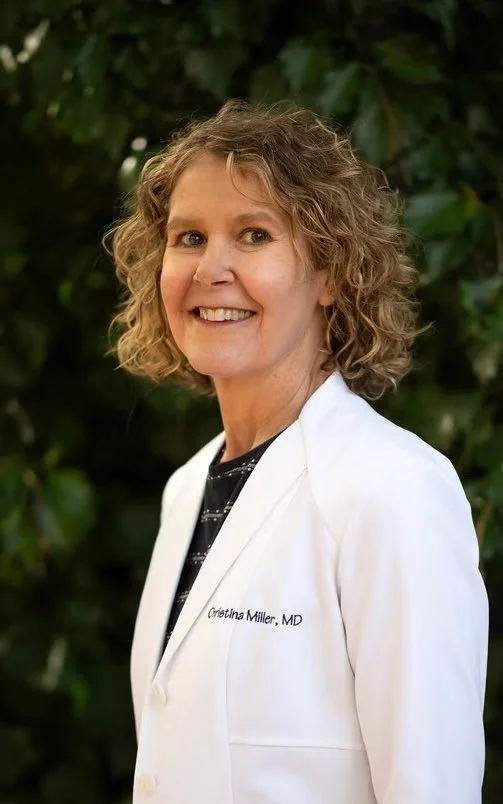
Rip sits down with lifestyle medicine physician Dr. Chris Miller to explore why some people struggle when transitioning to a high-fiber, plant-based diet—and how to fix it.
While fiber is one of the most powerful tools for preventing and reversing chronic disease, not everyone experiences immediate benefits. In fact, some people initially feel worse.
Dr. Miller breaks down the science behind this paradox, including insights from a groundbreaking Stanford study showing that up to one-third of people may experience increased inflammation when rapidly increasing fiber intake.
Together, Rip and Dr. Miller explore how gut health, microbial diversity, stress, and lifestyle all play a role in how your body responds to plant-based eating.
Key Takeaways:
Why fiber can increase inflammation in some people initially
The role of the gut microbiome in digesting fiber
How a disrupted microbiome changes your response to food
Why fermented foods may outperform fiber (at first)
The importance of gradually building fiber tolerance
Signs your body is not tolerating fiber well
How stress, sleep, and circadian rhythm impact digestion
Why polyphenols and plant diversity matter just as much as fiber
The truth about fiber supplements vs. whole foods
A smarter, more sustainable way to transition to plant-based
You’ll Learn:
How to safely increase fiber without bloating or discomfort
Why beans, while powerful, should sometimes be introduced slowly
The connection between autoimmune disease and gut health
How fermented foods like sauerkraut, kimchi, and miso support microbial diversity
Why “fiber maxing” isn’t always the answer
The difference between normal adjustment symptoms vs. red flags
Episode Resources
Watch the episode on YouTube: https://youtu.be/reR8PqHek9w
Dr. Miller’s Substack article on Fiber: https://substack.com/home/post/p-181101084
Visit Dr. Chris Miller’s Website and Substack: https://www.christinamillermd.com/
We hope to see YOU at one of our 2026 Live Events! https://plantstrong.com/pages/events Use code: podcast to receive early bird pricing
To stock up on the best-tasting, most convenient, 100% PLANTSTRONG foods, check out all of our PLANTSTRONG products: https://plantstrong.com/ Use code: plantstrong10 to receive 10% off your first order.
Plant Strong Meal Planner: https://mealplanner.plantstrong.com/
Give us a like on the PLANTSTRONG Facebook Page and check out what being PLANTSTRONG is all about. We always keep it stocked full of new content and updates, tips for healthy living, and delicious recipes, and you can even catch me LIVE on there!
We’ve also got an Instagram! Check us out and share your favorite PLANTSTRONG products and why you love it! Don’t forget to tag us using #goplantstrong 🌱💪
Episode Transcript via AI Transcription Service
I'm Rip Esselstyn, and you're listening to the Plant Strong Podcast.
[0:05] You hear us talking about the importance of fiber all the time here at Plant Strong, but we also understand that this kind of change, especially around your gut microbiome, can take time for some people. This is why I am thrilled to welcome back lifestyle medicine physician and autoimmune specialist, Dr. Chris Miller, to discuss why some people struggle while transitioning to a plant-based diet. We're going to be talking about gut microbiome, inflammation, fermented foods, and how to actually build a system slowly that can handle all those beautiful plants. If you've ever felt bloated, fatigued, or just off after doing what you think is everything right, this episode is for you, and we're going to dive into this right after these words from Plant Strong.
Welcoming Dr. Chris Miller
[1:14] All right, Chris Miller, welcome to the Plant Strong Podcast. Great to see you again. Thank you. Glad to be here. Thanks for having me. Just so you know, you sound great. Thank you. Thank you. The last time you were on the show was episode 227, and that was back in 2024. So it's a real thrill to have you back. And just for people that don't know, Chris is a lifestyle. She's really into lifestyle medicine. At the age of 36, she was a emergency room physician. She ran into some health issues. Her health started spiraling down. You got diagnosed with systemic lupus, but you were able to take the, the kale by the stock and you slowly figured it out.
[2:07] It didn't work immediately for you, but you, you were, you were very diligent
Discussing the Fiber Debate
[2:13] and you didn't give up and you figured it out. And I think that this specific conversation that I want to have with you today, Chris is, is very appropriate and it's based on an article that you wrote. It came out in December of 2025. It was called, Not Everyone Thrives on a High Fiber Diet. And then kind of the subtext was why fiber backfires for some people and how supporting microbial diversity can change everything. So those are the guardrails that I want to talk about today around fiber. Because the way I look at it has been very simplistic. It's like, man, more fiber, the better. You're going to rock it. It may take a little while for your system to figure it out.
[3:11] So let's start with this. What made you decide to write that article to begin with? Thank you. So that article was sort of important to me because when it came out, this was from a study in 2021 that came out, it sort of validated what I had seen in myself and many of my patients. And in the plant-based community and the lifestyle community that we're in, we see so many success stories where people change to a high-fiber diet and their symptoms improve. They lower their blood pressure, their blood sugars improve, they lose weight, they have better digestion. And even autoimmune symptoms resolve or significantly improve. And so that's what we all expect when we change into this diet plan. And that's not what we see in everyone. And so we'll see the successes for sure, but we also see the people that feel worse. And like myself personally, my own inflammation actually increased for a bit there. And so this study came out and validated it. And I wanted to share because I sit across from patients in my office or in my telehealth practice who are wondering what they're doing wrong, why they're not getting those benefits of the fiber.
[4:29] When you say that you yourself, your inflammation went up, was that a CRP marker? How did you actually document that? That is, that was my HSCRP, high sensitive CRP. It was also my autoantibodies that I was generating from when you have an autoimmune disease, you make antibodies against yourself. So my level skyrocketed when I changed my diet. And it's also symptomatic. I had significantly more joint pains, which is not what I expected to happen. I thought it was going to improve. So between all three of those. Now, do you think that in your case, your increased inflammation and other things was a result, a response to the additional fiber, or do you think it was something else? Well, it clearly follows what I eat. So I'll wake up in the morning and not feel too bad. And then I would eat my breakfast and then I would feel pretty stiff. Or if I skip some meals, I would feel pretty good. So I was, I could, I feel like I could tell it was the food.
[5:39] And when you say stiff, like, like substantially stiff? Yeah. Like I can't even bend my fingers, pretty stiff joint pains. And it was throughout my whole body. And when I switched, I switched to 100% whole food, plant-based diet, no oil, real clean food. So that's why I expected, and maybe you expect to get a little gas or bloating because you're eating all this fiber, but I didn't expect to feel so badly with my joint pains worsening. And of course, people like me, we take it out that it's my fault. I must be doing something wrong. What am I doing wrong that everyone else is doing right? Because they're all getting better and I'm not. And again, that's why I wanted to write this article because I didn't do anything wrong. I was just that I didn't do it in the right way. And that's why I experienced that. And this study showed that a third of people when they increased their diet to, well, we'll get into it, but I wasn't alone in feeling this way.
[6:34] Well, you tell me, what do you think is the best way to share with the Plant Strong audience? Yeah.
Takeaways from the Stanford Study
[6:43] What you were able to discover around fiber. Do we start by talking about what is fiber? Do we start with some of the takeaways from this Stanford study? Where do you want to begin? Yeah, let's start with some of the takeaways from the study because that's what's so interesting to me. And first of all, I purposely put that title there because fiber is so incredibly beneficial. I mean, there are hundreds, if not thousands of studies about the benefits of fiber. In our diet from everything, from lowering the risks of cancer to heart disease, to diabetes, to autoimmunity, to longevity. I mean, you name it. Neuroinflammation fiber is like the key ingredient.
[7:26] And so I'm a huge fan of it. So this study came out again in 2021, and it was put out by the Stanford crew. So Drs. Erica and Justin Sonnenberg and Dr. Christopher Gardner, and then I think there are a few other authors on it. And those guys are amazing with what they do out there. And they had done a study where they took 36 people and they either gave them high fiber diet, so 45 grams per day of fiber. So that was legumes and whole grains, vegetables and fruit, nuts and seeds, which is, that's a high fiber diet. Or they gave them six servings per day of fermented foods. And they did a gradual ramp up period for both groups. They didn't groups. They didn't just start with that. So they gave their guts a little adjustment period. And then they did a 10-week trial. And what they were looking for was the microbiome diversity and the immune system. And they expected the fiber-rich diet to have, you know, more microbiome diversity and less reactive immune system. And that's not what they found.
[8:35] What they found was the fermented group actually had increased microbial diversity, and they had 19 markers of immunity, such as IL-6, tumor necrosis factor alpha, and other chemokines, these cytokines that promote inflammation. Those were all toned down. They were significantly lower. And those are some of the markers that are elevated in autoimmunity and heart disease and neurodegenerative disease. So these are some of the big markers. And what they found in the fiber-rich group, those people actually had three outcomes. A third of them showed significant improvement in inflammation, decreased inflammatory markers. And those are the ones we see. People go plant-based and they have these amazing results. That's what we're all looking for. A third of them stayed about the same. Maybe a little benefit, but about pretty similar to where they were previously. and a third of them in this study actually got worse. So they had increased inflammatory markers and they did not show any microbial diversity in that, in those people. And so when I saw that study put out with these amazing scientists that I respect so much, that validated exactly what I had seen and what I see in people where we're not all getting the same results, even though we're eating the same plant-based diet. And so in there, they had just shown that.
[10:04] Do you know, so you say there were 36 people that were in this study?
[10:11] In order to qualify, did you have to have any kind of gut issues that you're aware of? In this study, no. They did not have gut issues. I think they just took people and they just changed their fermented or added fiber to see what the difference was in the microbiome. So if you start with gut issues, right, that could be an issue right there. And that is basically what the conclusion comes down to is it's obviously not the fiber. Fiber is good for us.
Understanding Individual Responses to Fiber
[10:48] It's the person, their microbiome. What is the microbiome looking like? What's the immune system status, right? If you have an overreactive immune status or if you have a disrupted gut, those people are not going to be able to tolerate just flooding fiber into them and may actually get a worse response initially.
[11:10] Yeah. So it sounds like a person's response to fiber is 100% a reflection of the health of their microbiome. Is that accurate? Yes. And when you say, you know, the high fiber group was getting 45 grams of fiber, that to me doesn't sound like a lot. I mean, I know it is because the average American is getting, what, women are getting, what, 18 and men are getting 20-something. So it's, we're, and as we all know, I think we've heard this stat a jillion times in the last two years, 95% of Americans are deficient in fiber. So in some ways, it's not surprising to me that, especially given...
[12:03] That given if we start with the premise that your response to fiber is a direct indication to the health of your microbiome and if most americans have not trained their guts to and and the bacteria right in their guts uh to adequately respond to fiber to me of course you're going to get almost two-thirds that don't respond very well to a 45 grams of fiber diet. Does that make sense? It does make sense. It makes total sense now when you're saying it and you and I are having that conversation.
[12:39] But when I first switched my diet over so many years ago, I had no idea of that, right? So I had no idea why I wasn't getting that response. And when I see people in my office, they're often so confused on why they're not getting better, right? So it makes sense to us now, but that's why I'm happy we're having this discussion and people can listen to us and realize, oh, okay, no wonder, right? Hopefully it's connecting with people right now. Yeah, but yeah, I'm glad too, because it's all of a sudden as I'm talking with you about this, I'm realizing how most people, they're going to start eating this way and they don't feel great. And maybe their inflammatory markers go up. And then they also So, you know, they have the bloating, they have the severe gas, they have the gas pains and they're like, oh, this is not for me. And so I guess my question to you, because I think it sounds like you've been working with patients for a long time.
[13:42] What is the best way for somebody to kind of roll into this lifestyle and a high fiber diet? Do you sequence what foods work, what don't? Like, what has been your methodology? Yes, great. So we can still get people to eat fiber. I now eat a ton of fiber. So it just had to be a progression how I got there.
[14:07] And there are gentler fibers. So for people with disrupted guts or hyperactive immune systems, we may start with a gentler fiber. So when you cook fiber, you're going to start to break it down. If you eat large salads and you don't chew it well, that is now going to be
Gradual Introduction to Fiber
[14:28] roughage that your body can ferment and can lead to some of these worsening symptoms. So cooking foods initially is going to help break down some of that fiber. Gentler foods like some of the fermentable, or not the fermentable, I mean, the non-fermentable fibers, some of the easier to digest things like oats, which if you cook some oats and, you know, start with that versus huge, large salads. And if you stack your fiber, so you do raw cruciferous vegetables and you do beans, these people, now we're going to start running into problems with people.
[15:08] And things like beans are, you know, they're so good for us. They're so good for the microbiome. But if you haven't been eating beans regularly, you don't have that microbiome initially to digest it. And now we start flooding you with beans. You need beans with meals. Start adding them in. And people can really have a hard time with it. And so backing it down to some more cooked vegetables initially, easy to digest things like oats, maybe some of the whole grains might be a little easier for people. And not stacking the fibers initially and gradually increasing. A lot of people like myself, I jumped right in, all in. I need to get better quickly. Let's go for this. And maybe if I had slowed it down, introducing it slower, gradually building the microbiome, that can help significantly.
[15:56] So what's your thought on beans? I was looking at a chart before our conversation today because I really wanted to understand which foods in the plant-based world were highest in fiber. And cooked beans are like the gold medalist. Like you, you take a cup of almost any bean and you're somewhere between 15 to 18 grams of fiber per cup. Right. And, and, and there's hardly, I mean, you know, nuts and seeds are eight to 18 grams of fiber per cup, depending upon what not in what seed fruits, your average fruit is three to eight grams per, per cup. And then vegetables are two to seven. So to me, and then cooked whole grains are like four to six. So to me, it's like cooked grains, vegetables and fruit are kind of all somewhere between like two to eight grams per cup, but then nuts and seeds and beans are like off the charts.
The Role of Beans in a Plant-Based Diet
[17:05] So, um, you mentioned the cooked, the cooked oats is kind of a nice, um, on ramp. I'm just wondering, do you recommend people stay away from beans or if you do just do a small amount?
[17:20] It depends on the person. So I work with a lot of autoimmune and I might have them keep those out initially because the guts are even more disrupted and the immune system's hyperreactive already and overstimulated. So, we're trying to calm that down. So, those people, that might come in a little later. But for the majority of people, if they're just switching over, you want to bring these foods in because you've got to start building the microbiome, right? So, it's like you've got to, you're not going to build it if you don't eat them. So, you just start with a very small amount at a time. So we're not going to go to a cup of beans yet. You might start with a tablespoon or two of beans and start adding of the ends and start with your oats and make sure that's okay and add some fruit to it. And now you're going to add maybe a few nuts or seeds or see how that goes. And now you're going to start adding, maybe bring in some raw salad and a little bit of beans at a time and see how you do with that versus all in a cup a day. You know, like the diets that we build to what we're building to is not a starting point for some people so so yeah you do want to do beans right now tell me with somebody that's.
[18:29] Got a compromised microbiome, and they cannot handle fiber in the amounts that we would like, so you're going to kind of put them on this slow ramp, do you recommend that they do a whole food plant-based diet? Or just if you're doing a whole food plant-based diet, is that just inherently going to be too much fiber, and they just can't swing it? Mm-hmm. I usually still do recommend a whole food plant-based diet, but I will say there are a few people that they really can't swing it. They're so inflamed and we may even slow it down even more than that initially.
Exploring Fermented Foods
[19:09] But yeah, we're starting to bring in just easier to digest foods. We're not going to do the beans initially. We're going to cook some of the vegetables to help break it down initially and get that calmer. And once the immune system calms down, the other thing is it's not just the fiber. So when people come to me and they're having this response, that third that gets worse, let's say, it's not just the fiber. It's the holistic picture of that person. So we're going to do some, we're going to calm the immune system down right away. So we're going to be doing vagal work. We're going to be doing mind-body stuff all day long. And that's going to start to calm that response down so that they can tolerate the fiber, right, as we bring it in. And they actually work hand-in-hand together. Without that vagal response, some people can't tolerate it. But when we can get things to calm down, they start tolerating it better. So we're going to improve their circadian rhythm, make sure they're eating early in the day and eating with their circadian rhythm. We're going to make sure they're sleeping at the same time every night. Even though sleep might be disrupted, it's got to be at the same time every night. As we do these steps, now we're slowly, gradually adding in easy fiber. And so people start tolerating it better. So, and then we can gradually ramp up as things are improving.
[20:24] Interesting. When you say vagal response, what do you mean by that? I mean, activities that help are more, because remember, digestion is parasympathetic. So it takes a vagal nerve to increase our digestive enzymes. So we actually digest our food. It takes the vagal nerve to cause peristalsis. So food moves through us. To actually get optimal digestion is not easy. And we got to be in a rested, parasympathetic state. So we got to be calm. If we're eating and we're stressed and we're da-da-da-da-da, we're never going to digest is food we're putting into our bodies. And so we got to create that for people so that they can digest better. Isn't that interesting? So when you just said that, it immediately made me think of how many people, when you are traveling, flying, trying to make an airplane, your eating gets a little disrupted, your whole digestive system seems to go a little wonky. Mine usually does. Right. And I think it's because for me, I'll just say, you know, I, Chris, I've been eating this way now for almost 40 years, 39 years. I probably am consuming 75 to a hundred grams of fiber a day. And, you know, um.
[21:44] Pooping like a Swiss commuter train, you know, three times a day, right? Right after breakfast, after lunch, after dinner, you know, no effort, absolutely easy peasy. Um, and so, uh, I'm, yeah. So, you know, I'm, I'm used to it. So I, I, I feel for all the people that struggle around that, you know, having gut issues and pooping issues and bloating issues and inflammatory issues, which is why I think this conversation is so, so I'm so glad we're having it. Well, so what are some other things like you, you mentioned, it's not just sometimes fiber. What are some other ways that people, that people can do to increase their microbial or microbiome diversity? Just to say, you know, you know who Robin Shetkan is? She's a gastroenterologist, you know, she has a saying, you know, eat clean, live dirty, right? Yeah, that's right. That's right. Getting out in the dirt, getting out in nature, breathing this in, playing, you know, playing outdoors and being around pets, exposing yourself to more diversity microbiome. And like in the pandemic, when we were all isolated, not around other people, I mean, that was not good for our microbiomes, right?
The Impact of Lifestyle on Gut Health
[23:04] So being around other people, socializing, pets, dirt, that's exactly right. All those things matter. Hmm. Um, um.
[23:15] Okay, so let's come back to the Stanford study, okay? So you mentioned the, I think it was fascinating, you said, in some people, they did better with the fermented foods than the high 45 grams of fiber a day.
[23:37] Can you put your finger on what is it about the fermented foods that allowed them to do, and it was six servings, right?
[23:44] Mm-hmm, six servings. Allowed them to do better with the fermented foods than with the 45 grams of fiber. Mm-hmm. Well, the, you know, the study, the scientists who did the study and interpreted it afterwards, fermented food, one, it's bringing in live bacteria. And so what they used in the study, they used things like kimchi, sauerkraut, yogurt, fermented cottage cheese and kombucha and the like pickled juice. They're like the fermented juices, that type of thing. That's what they use in the study. And they had people do two servings with breakfast, lunch, and dinner. But what, so that's bringing in live bacteria. So it's bringing in more microbiome. It brings in, it helps with digestion. So it helps digest food actually better. It helps increase nutrient absorption. It's bioactives. So it actually activates the the microbiome a little bit more and broaden diversity. And it can help with short-chain fatty acids and stabilizing the, so which are very anti-inflammatory and improving the gut lining. So people who had the leaky gut or the endothelial hyperpermeability, they had some improvement in that. So the fermented foods actually were very important for bringing in some of the diversity that some people didn't have in their microbiome before they eat the fiber. Hmm. Hmm. Um.
[25:11] Do you like fermented foods? Well, I didn't used to. I never ate them, really. And so after I read this study back in 2021, I have brought more fermented foods into my diet. What do fermented foods look like for you? Which ones do you bring into your life? I have brought in a bit of sauerkraut, kimchi, miso, just fermented soy.
[25:40] Tempeh. I do some plant-based yogurts. So those are my, occasionally a kombucha. You have to be careful. Some of those are really high in sugar. But in Austin, actually, they have a really good low-sugar kombucha out there that they make some locally. But yeah, so that's what I've brought into my diet.
[26:00] And the benefit is if you get it a little bit throughout the day, it's better than a lot once a day. So a little bit with the meals has been shown. But I want to bring up one caveat. So if people start to bring fermented foods in, which I do recommend, the benefits just were amazing in this study and continue to be seen in other studies after that. But there are people that can't tolerate the fermented. So those are people that have what's called excess histamine, histamine intolerance. And what that means is it's part of the immune system that lies, you know, the immune system is right under these epithelium of the gut lining. And so if you, fermented foods are very high in histamine and some people, when their immune system is very reactive, they actually react to this. So they will notice that they get significantly increased gas or bloating. They may get joint pains afterwards. They may have fatigue or brain fog. So those people, if you have that response, you're not ready for it yet. And those people have to put the fermented foods aside. And that's some of the autoimmune, which is why I bring that up. Some people just can't tolerate fermented at the beginning. And they have to work towards that. It's one of the later things we bring in. But for the majority of people, to keep it simple, yes, try bringing in a small amount of fermented foods. And hopefully you tolerate it. And then gradually ramp it up so that you're having a little bit throughout the day.
[27:22] In this study do you know because i would imagine six servings of fermented food, uh that's not nothing um do you know do you know what fermented foods they were getting uh they were using to get you know six servings or i mean were they given food or did they just, were they just told eat fermented foods these are the different foods you can pick from figure out were you like yeah they in this study they it looks like they just went and bought it themselves so because people are like oh i need to i need to make it myself which is wonderful but in the study they didn't make it themselves they went and bought it so um they were able to choose and a serving is usually about i think about two tablespoons of like sauerkraut say so it's not it's not that much but um so if you do a little miso in your soup and you do a little sauerkraut You just got your two servings. And what was the length of the study? 10 weeks. So they saw that result in just 10 weeks, which is really impressive that they were able to lower those inflammatory markers so significantly in 10 weeks. And if you notice now, when I watch those guys speaking, like if I listen to Christopher Gardner, who I love to hear him speak, he's often got a kombucha with him or they've got their fermented foods. And they said they've increased their own after this study because they noticed that difference. Yeah. Now, Christopher Gardner, he...
[28:48] I saw him on Instagram not too long ago. He had a nice little comeback on the U.S., the new U.S. Dietary guidelines that, um, that was, that was pretty good. Let's, let's, let's broaden beyond fiber for a second and talk about, um, other plant compounds that I, I know that you are jazzed about, like, uh, polyphenols and phytonutrients.
Polyphenols and Phytonutrients
[29:15] I had Dr. Will Bolschewitz on the podcast not too long ago, and he talked about how really there's some really good data and research showing that polyphenols can really additionally help with the microbiome.
[29:32] For sure. And for the record, I totally plug his book, Plant Powered Plus. Everything I'm talking about here, this is his book, basically. He's talking about the immune system, the microbiome. And so hopefully as people learn this, we're all going to start to figure ourselves out better. But yeah, so polyphenols, first of all, there's so much data about them that people, when they add polyphenols, do better. And this includes the bright colors, the blues, the red, the deep reds, the purples, things like that. And so things even like green tea and coffee can be polyphenols, but your blueberries, your cranberries, pomegranates, these are some really powerful. And what happens is like fiber, they're not digested. And so they make it all the way to the colon where you're fermenting and they're making short chain fatty acids and they really help enhance this process. So they're extremely anti-inflammatory. And it's not because of the nutrients in them. It's the part that's not digested that's so anti-inflammatory works alongside with fiber. And it's impressive, very impressive how what they add to the fiber. Do you know what it is that's not digestible, if it's not fiber in those polyphenols?
[30:56] Well, I don't know what the term of it is, but it's whatever compound is in these polyphenols, it's just not digested. So we're not absorbing it. And so it's coming all the way through us. And then it's working with the fiber in the colon. Yeah. And I think I asked Will this question on the podcast, but I can't remember his answer. Um, so are polyphenols a subset of phytonutrients?
[31:24] I would say they're a little bit different. Phytonutrients are going to be, you know, there's so many, those are in all of our cruciferous vegetables, our leafy greens. They're in so many more, the colors of the rainbow too, the oranges, you know, sweet potatoes and all our different foods are filled with phytonutrients. And there's many categories of that. And the polyphenols are a little different in that they go all the way to the colon and they help the fermentation process of the fiber. So they're different. I would put them different. Dr. Bulswitz is the GI expert, the guru here, so he might put them together. But I would call them different. And in my mind, they're functioning differently and we need to eat both of those. I'm going to keep grilling you a little bit on these polyphenols. So my understanding is we have somewhere between 15 to 20,000 known phytonutrients. Do you know how many polyphenols are out there? Any idea? I don't know how many, but I'm going to say there's probably a lot more than we think.
[32:33] Yeah, there's probably a lot more than we think. And they're definitely known to be in the deep colors, which is why adding colors to your food is so crucial without thinking about polyphenols, but you add the deep purples, the deep reds, it's going to be so beneficial. But it's also in things like green tea. Green tea is so rich in polyphenols and it actually works on the microbiome. That's why it's so powerful. So I don't know the number though to answer that. Yeah, yeah, yeah, yeah.
[33:02] Are you a big fan of sprouts? Yes. I'm a huge fan of sprouts. And there's different sprouts, and I use it almost medicinally, where if people are having overreactions in their gut, it can start to calm it down. And it also, in a small amount, because there's much less fiber in those, you can start getting some of the nutrients because they're so potent in their anti-inflammatory benefits. So just adding a few sprouts is a way to start introducing it for some people. Yeah, well, Doug Evans would be happy to hear that. Yeah, oh, for sure, for sure. His sprouting, I have one of those myself grow my sprouts. It's wonderful. They're really good. But I will say some of the really overreactive immune people, if they overdo sprouts too fast, even that can set off the immune system. So even that, we start gently with the sprouts and then gradually ramp up.
[33:57] Is it your understanding that does exercise, like running, biking, swimming, some sort of movement, does that help the microbiome? Do you know for sure? The microbiome responds to that. So exercising, it helps it function better. So it works more, you know, it's supposed to work like a system, everything together. And when we exercise, it works more like that as a system. So things function much better. So no question, exercise is beneficial for sure. And the other thing is stress is the same thing. When we're stressed, and I think Dr. B talks about this, but when we're stressed, there's a study and the actual term they use in the study title is stress discombobulates the microbiome. So the microbiome no longer functions together when we're stressed out. And so the microbiome responds to all of these factors. It responds to sleep. You know, so if we're trying to get a diverse, calm, well-responding, well-digesting microbiome to help us with, we got to work on all these things, which is why for me now, when I work with someone to change their diet and increase to more plants in their diet, more fiber, we've got to be working on the whole plant at the same time because that will help the whole process be easier. Yeah, very, we're very holistic creatures, aren't we?
[35:24] It does it's not in isolation and for so long i was like well which food is it which food is triggering this in me and now i get it it's not just that one food that food is there's nothing wrong with the food it's what's going on with me on that day when i ate it right and so that's where it's a whole new way of thinking about it in my mind yeah you know it's interesting dr will Bolshevitz in my conversation with him and in his book, he really talks about how we cannot.
The Influence of Trauma on Gut Health
[36:02] Underestimate what previous traumas in our lives can do and how they impact the health of our gut microbiome. And he cites many, many examples, including some of his own. So, you know, it is. It's the whole package. It's the whole package. And the good news is there's answers as we start to understand this, I think, so much more now. Like, now I'm starting to get it when I talk to people. Like, I can kind of see we might be working at focusing on this part of it, but we haven't dealt with this part yet, right? And so when you do get the whole thing dialed in, that's when it—and it was the same way for me, too. When I just focused on food, I couldn't get anywhere. And when I started dialing in other parts of it, that's when I finally start to improve. Well, you really—.
[36:58] I would imagine then knowing what you know now and how we, we are, it's just, it's, it's, we are, each and every one of us is such a puzzle and you have to put all the pieces of the puzzle together. Together you must have to feel like you've got to go places that maybe sometimes aren't comfortable with your patients and have them kind of be be okay trying to trying to let you.
[37:27] Lead them to where you're going right especially if you sense something that's there, for sure and that's why it's such an honor to do the work that i do because we form that relationship where we're a team trying to help some, you know, together getting that person to where they need to be. And there are, there's so many things. And even now, like genetic components, some, some people's immune system is more hyperreactive. That's just how it is. So if you, certain things are just going to bother them. So there's those people, then there's people that have had trauma or people like me that are so many different pieces of the puzzle out of whack. And so we got to figure each person out. And it's no longer one size fits all. Let's just eat this way and you'll get better. It's more, this is how we're going to get this into you. And then we're also dealing with all this. And there's other things too. Like some people might not be producing as much digestive enzymes. So as we find that, we can help with digestion and help to get these foods in, you know, temporarily. And there's, there's different ways we can help people get the right foods in and yeah, and calm the whole immune system down.
[38:37] Have you seen anyone and you've tried every little, like, you know, trick in your book where they can't seem to make progress? us.
[38:55] Because one of the things that you say is, you know, there's hope. And even though the path may not be easy, it's always worth it. And I'm just wondering if you've had a couple of cases where it's like, God, this is, they seem to be doing everything right. And I'm just wondering if it's genetic or, you know, maybe there's a trauma that's very deep that we just can't seem to access or whatever.
[39:25] Yeah, yeah. No, there are definitely people that have a harder time, I would say. And so that's where we use an integrative approach and tackle it from all angles. Sometimes the immune system is so revved up and it's not going to calm down just with changing their diet and doing more mind-body work. It's not enough. And so first we need to calm the immune system down. And once it's in a calmer state, now we can start bringing these foods in and now we can do the work, and then we can hopefully taper off that medication. So, sometimes we have to approach it from a more comprehensive standpoint. But for many people, first, I want to explore all these different angles, or at the same time, I want to be exploring that. Have we discovered everything? You can even look at microbiomes, and the science is not great with them yet, but it might give you a little bit of an idea if you're creating inflammatory markers more than the anti-inflammatory ones, and you kind of can start to see a little bit about it. It can be a useful tool in some people.
[40:27] But yeah, so for some people, we have to hit it from a more comprehensive approach while we keep working. But I still think we can get people better with a comprehensive approach and be able to get them to a point where their immune system is finally calm and they're, not having any symptoms, and we can taper those medications if we had to use them back off. Yeah. This is a whole other cup of tea, but I'm wondering if...
[40:54] You have had any luck or experience with patients with psychedelics to then help get them over that hump?
The Role of Psychedelics in Healing
[41:04] Yeah, actually, I have. So, you know, I'm in Colorado. So psychedelics have actually been made legal out here. So it's used a little bit more in this area. But, yeah, for a lot of people, if it's that deep trauma or something underlying going on, that does seem not intentionally, but it can hold people back. So being able to take people into a different area where they're kind of free of that, we see huge breakthroughs. And there's actually some good books and data on that. So, for that, I would recommend people do it with a guided person because it can also go really bad as well, especially for people who have underlying trauma or have immune issues. And there's certain people that I wouldn't want to do it for. But, yeah, that can be another tool that you can use for certain people.
[42:00] And I would say just if we're talking about the immune system that some people are so afraid to go on a medication. but some people just need to calm it down. And so it's not a failure of anything if people do and calm that immune system down so it doesn't cause damage. And then you have a little more ability to figure things out while you're at a calmer state. So. Yeah. What are your thoughts on...
Insights on Probiotics and Fiber Supplements
[42:26] Fiber supplements like Metamucil, gummy bear fiber chews, is there a time and a place for those?
Chris Miller (51:32.587)
Well, Metamucil is psyllium and there is a place for psyllium actually. psyllium is a type of soluble fiber and it can be used in addition to your oats and your other food. And it can actually help lower cholesterol even further than a plant-based diet or even oats or things like that. there is a little bit of room for that. for these are, I call them prebiotics because fiber is feeding your, or
Chris Miller (52:01.259)
Yeah, prebiotic these fibers, they're feeding your microbiome. And so you can target gentle prebiotic fibers. So things like guar gum or yeah, what is the other one I'd like to use? Inulin maybe, but you can target some of these fibers and gently add a little bit in while we're trying to build the microbiome up in someone. And so it adds a little bit of diversity. So there is a role for that.
Chris Miller (52:30.573)
But the studies where people added fiber into their diet and they had less colon cancer, then they did a study where they added fiber supplements and it did not lower their colon cancer. So clearly we need the fiber from our food. There's no question about that. The food is hands down better, but you can target a little bit of different types of fiber to build your microbiome in certain people. So there's a little bit of use for it.
Yeah, that makes a lot of sense to me. What about probiotics?
[42:40] So probiotics are so interesting to me. And they're evolving. Just so much data is coming out. People are studying them left and right. So we see new studies all the time. And basically, so there's probiotics in our fermented food. So, clearly, that's made a difference, right? Those living bacteria, probiotics are living bacteria, and those living bacteria for fermented food help to diversify your microbiome and to lower inflammatory markers. So, we know there's benefit there. Taking probiotic supplements has not shown to do the same thing. However, in someone with a hyperactive immune system, certain probiotics can actually, they talk to the immune system. So they can help build tolerance and calm a hyperactive immune system down. So we will sometimes use certain targeted probiotics to help quiet the immune system down so that people tolerate their food better. But in general, I don't recommend probiotics all the time to people. I prefer you to eat your prebiotic fiber from your eating fiber-rich foods and maybe fermented foods to get living bacteria that way. That's the best, I think, for most people to stay healthy unless you're targeting something specific.
[44:00] What are your thoughts on fiber maxing? Well, I'm not sure what everybody means with it, but I think they're just trying to bring awareness to fiber and have people increase fiber. So in general, if people are doing it through eating more fiber-rich foods and their guts tolerate it, in general, it'll be a good thing.
[44:18] But I don't know if they're doing it through supplements or bars, you know, processed foods that's added fiber, then no, I'm not a fan. I'm not going to be a fan of that. But if you're eating more whole foods, unprocessed, fiber-rich foods, and if it's a goal to get people to eat more fiber, then if this is the result, you know, then, yeah, I think that could have long-term benefits. What do you think? What do you think of that? I think it's the latter. I think it's the latter. I think it's, yeah, fiber maxing. It seems to be a thing, right, where you're just trying to get as much fiber, you know, per day as you can. I love it, right, because I can handle it. But for somebody, you know, if your neighbor says, hey, let's do this, let's like go fiber maxing and, you know, they have issues, right, because their microbiome isn't strong enough to handle it, then I feel bad. I feel that it's rough and they may walk away going, I can't handle all that fiber. Yeah, yeah. And for the record, when people add fibering, they're going to get more gassy and bloated just because they're not used to that level of fiber. And a little gas and bloating is not a problem. That's expected and that improves. So with that, we say just keep going. So it's more the other symptoms, the extreme symptoms that we're, that's when we need to back it down.
[45:32] Yeah. Just give me an example. Like, what are some of the extreme symptoms that you're talking about? These red flags that it's more than just a little, you know, gas and bloating and discomfort that will resolve itself, you know, as you kind of break in that gut muscle. What are you referring to? Well, some people get extreme gut issues. So they'll get like almost like trapped gas or pretty significant pain and uncomfortable. So we need to back those people down. That's just too much.
[46:05] Other people, like me, I had joint pains. I ate the fiber and I got joint pain. So that was an immune reaction to the fiber. Some people get headaches. Some people might get skin rashes, brain fog, I've heard, more fatigue, just feel bad, like their symptoms are worse. So those are people that I'm going to slow them down. But if people just are gassy or bloated, then, you know, we might do a little more cooked initially or not stack all the fibers all at one time, but they're good to go. They can keep going with their plan. So you're just kind of looking for the people who feel really bad, worse symptoms. I was reading an article, Last week, and it was talking about how protein is so, so yesterday and 2026 is all about the fiber.
[47:00] That's great. Bring on the fiber. Well, then we better get our guts in alignment before this movement. We got all. Yeah. Yeah.
Rethinking Protein Needs
[47:11] Before I let you go, Chris. what is your stance at this point on protein are you in the camp that is like you know what i think we should actually bump it up to 1.2 to 1.6 uh grams of protein per kilogram of body weight or are you still in the 0.8 grams of, you know, protein per kilogram of body weight. Where do you stand?
[47:37] Yeah. So I would say I read all the data. I'm reading what people are saying. I'm listening to all different camps. You know, I'm in the functional medicine world. So I'm in that camp. I listen to what those guys are saying. I'm in the plant-based camp. I'm hearing. So I'm seeing different things, different. What are the papers showing? What are the results for myself and for the people I work with? So I would say my take is this. I think some people aren't getting enough protein? That's probably true. You know, some people, and myself included, for a while I would eat vegetables and call that a meal or, you know, vegetables and maybe a sweet potato and that was a meal. And now when I started adding more protein to my meal, I actually feel energized. I'm having better workouts. My hiking has improved. So for someone like with that type of diet, I needed more protein. So I do recommend people pay a little bit more attention to protein. And I would say I clearly have some people like myself and others who aren't getting enough protein. But that being said, do we all need to be getting 1.6? My answer would be no, not necessarily. I'm definitely not in that high of a camp.
[48:43] And so 0.8 is what, I mean, Christopher Gardner and those guys have clearly proven and will tell us that that's what the body needs. However, for putting muscle mass on, maybe a little more is a little helpful. And maybe I do feel more satiated when I eat a little more protein. So I'd push it towards 1 or 1.2 and see how I feel. I actually feel a little better eating a little more, you know, a little more tofu, tempeh, beans in my diet now. So I'd push mine up just a little bit more. I'm also pushing up, trying to work out more and doing okay with that. But I think it's pretty clear that 0.8 is probably the, you know, okay, but maybe we do feel a little better. And as we get older, we clearly know as we get older, we don't absorb protein as much. And so as people get older than 65, maybe, you know, even hit 60, 65, they do maybe need a little more protein. Maybe not everyone. Some people's digestion is amazing, like yourself, it sounds like. But not many people have that high level of digestion. So I might push them a little bit higher. And I'm also going to push them a little higher to put some muscle mass on. So I'm kind of in the middle, a little bit gray zone. But I think I'm glad we're bringing some awareness to some people. And other people, I think, might be overdoing it. And maybe not quite need that much. So kind of more in the middle for myself. We could have a whole nother podcast conversation on this topic and maybe we should, but I find it.
[50:09] I find it really interesting.
[50:13] I think that like you just mentioned how, you know, you were eating vegetables and to me, it was probably a function of you weren't getting enough calories, which is why you weren't getting enough protein. And to me, if you can get... I'm just going to throw it out there. If you're getting 65 to 85 grams of fiber a day, my bet is you're getting everything you need. And then some, whether it's protein, vitamins, minerals, phytonutrients, you name it.
[50:46] So I'm like, I think we should forget protein. If you can get 75 grams of fiber, you're golden, but you got to adhere to everything we've talked about today. Right. That's right. I agree 100%. So, in the plant-based world, it's very easy to get the protein from eating a diverse plant-based diet. Where we see problems are people like me. I'm not eating a diverse plant-based diet for a while, right? I'm very limited in my diet. I'm not paying attention to protein because I don't think I need to. And now I'm getting deficient, maybe have a little sarcopenia, and I'm not where I want to be at this point, right? So because we're not all on that diverse diet, right, if you're eating a diverse diet and you eat plenty, it's not a problem for those people. Those people are fine. They don't need to think about it. But other people, we're not all in that boat. And those people, I'm glad we're bringing some awareness for some people.
[51:38] Yeah. Well, and the other thing that just kind of drives me crazy is how I think people somehow are under this false illusion that by eating more protein, I will increase the size of my muscles and my musculature. When to me, it's like, no, you have to go to the gym and you have to stress your muscles. Otherwise, forget about it um and so yeah well not just your muscles your bones you have to stress your muscles and bones so we all should be hopefully there's awareness that all of us need to except for you again where you stand out here yeah well we all need to step up our routines a little bit maybe and work on muscle mass and work on bone density so bringing awareness to that i think is good but just eating more protein is not going to do it right Right.
Closing Thoughts and Resources
[52:34] Chris, you have such a wonderful disposition and it's been a joy. It really has been a joy seeing you again. I appreciate you coming back on the Plant Strong podcast. Can you tell the listeners, if they're interested in knowing more about Dr. Chris Miller, where can they find you? If somebody is in one of the 23 states that you are certified in as a lifestyle medicine practitioner. Practitioner, how can they, you know, call you, get an appointment, all those things? Thank you for asking. So I am in 23 states, like you said, my website is chrismillermd.com. That's C-H-R-I-S, Chris Miller. And I have a sub stack, which is also chrismillermd, my sub stack post where I try to put out articles every couple of weeks on, I mean, two a week on these types of topics and helping people with lifestyle factors. Wow. Nice. Did you say you're doing the Substack twice a week? Twice a week, two articles a week. Yeah. And they're usually inspired by either an article I read like this or conversations I have in practice and things that I'm seeing and learning and trying to put it out there to help people on their own journeys. Well, I like it a lot. Um, all right. You don't be a stranger. All right.
[53:59] Thank you. Yeah. All right. Hey, give me, give me a Plant Strong fist bump on the way out. Get it up there. There you go. Boom.
[54:09] Bye. Thank you. If there is one takeaway here, I think it's this. There is nothing wrong with the food. It's about meeting your body where it is. Fiber is king, but how you introduce it can make all the difference. Start slow, stay consistent, and build that microbiome. And remember, you are not broken. Sometimes you just need the right approach. If you found this episode helpful, please share it with someone who's struggling on their plant-based journey. And as always, always keep it plant strong.