#331: Chuck Carroll - He Was Doing Everything Right… and Still Got Sick
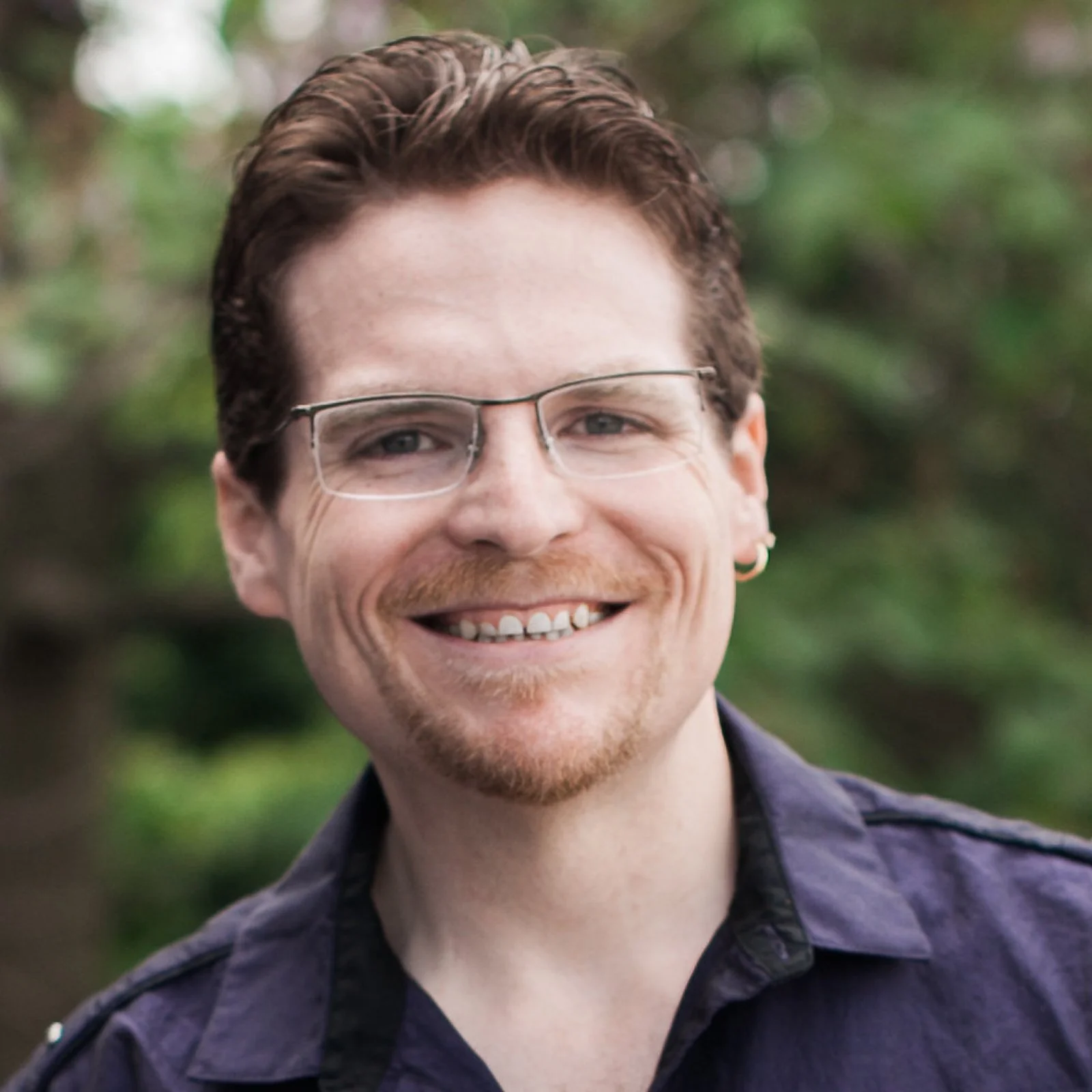
Chuck Carroll hosts The Exam Room Podcast
This week on the PLANTSTRONG Podcast, Rip welcomes Chuck Carroll — once a “fast food junkie” - now a beloved voice in the plant-based movement and host of the Exam Room Podcast. Chuck opens up about his early dependence on fast food, the 10,000-calorie days that pushed his weight to 420 pounds, and the pivotal decisions that set him on a new path toward health and purpose.
While plant-based eating helped normalize his blood pressure, stabilize his weight, and restore his vitality, Chuck also shares a vulnerable part of his story: despite doing everything right, he’s now navigating a complex chronic illness with no clear diagnosis. His honesty underscores a truth many people quietly carry — that health journeys aren’t linear, and sometimes illness arrives without explanation or fairness.
Still, Chuck shows that healing isn’t just physical. By talking openly about his struggles, he has found community, connection, and strength — and has created space for others to feel less alone in their own uncertainty.
In This Episode, You’ll Learn:
How fast food addiction shaped Chuck’s early life — and how he broke free
Why gastric bypass surgery was only a temporary solution
How a whole food, plant-based lifestyle helped transform his health
What it’s like to face chronic illness even when you’re “doing everything right”
How sharing your story can lift the emotional and mental burden of illness
Why Chuck remains committed to advocacy, transparency, and hope
Episode Resources
Watch the episode on YouTube: https://youtu.be/YZLtkygTzQc
Need support for your chronic illness? Sign up for Chuck’s newsletter: https://chuckcarroll.kit.com/newsletter
Follow Chuck on Instagram or Facebook
We hope to see YOU at one of our 2026 Live Events! https://plantstrong.com/pages/events
To stock up on the best-tasting, most convenient, 100% PLANTSTRONG foods, check out all of our PLANTSTRONG products: https://plantstrong.com/
Give us a like on the PLANTSTRONG Facebook Page and check out what being PLANSTRONG is all about. We always keep it stocked full of new content and updates, tips for healthy living, and delicious recipes, and you can even catch me LIVE on there!
We’ve also got an Instagram! Check us out and share your favorite PLANTSTRONG products and why you love it! Don’t forget to tag us using #goplantstrong 🌱💪
Episode Transcript via AI Transcription Service
I'm Rip Esselstyn, and you're listening to the Plant Strong Podcast.
[0:04] We know Chuck Carroll as the weight loss champion and as the host of the popular Exam Room Podcast. What you may or may not know is that for the last couple of years, Chuck has also been battling some major health issues and a still unresolved chronic illness that has taken a massive, massive toll on him both physically and emotionally. Today, he opens up and gives us an update on his current health status and lets everybody know that even when we're seemingly doing everything right, chronic pain and illness can affect anyone. His honesty and resilience highlight the power of vulnerability and community, making this episode a compelling mix of inspiration, reality, and hope. Coming up right after this message from PlantStrong.
Chuck's Health Journey
[1:07] Today, I am honored to welcome back to the Plant Strong Podcast, Chuck Carroll. Chuck is a beloved voice in the plant-based movement and host of the Exam Room Podcast. Today, he opens up about his early dependence on fast food, the 10,000 calorie days that pushed his weight to 420 pounds, and the pivotal decisions that set him on a new path towards health and a whole lot of purpose. While surgery and plant-based eating helped to normalize his blood pressure, stabilize his weight, and restore his vitality, Chuck also shares a vulnerable part of his story that despite doing everything right, he's now, a couple decades later, navigating a complex chronic illness with no clear diagnosis.
[2:05] Health journeys aren't linear, and sometimes illnesses arrive without any explanation. And by talking openly about his struggles, Chuck has found community, connection, and to inner strength and has created space for others to feel less
[2:27] alone in their own uncertainty. So please welcome back Chuck Carroll.
[2:37] Chuck Carroll, I want to welcome you back to the Plant Strong Podcast. It has been a beat and a half. I'd say a beat and three quarters, man. It has definitely been a while. It's good to see you again. I mean, just to give you an idea how long it's been. So we're approaching episode, I don't know, 320-ish, 330-ish. You were number seven. I was among the early ones, and I still remember recording that show, man. And I'm still forever in your debt because I think you honestly helped launch my career in this plant space with that show, man. So thank you so much. It's still going strong, as are you, my man. Well, listen, it's fantastic to reconnect with you in this medium. I know you and I, we've seen a bunch of each other over the last couple of years. You had me take part in the live exam room podcast in New York City. That's right. I believe it was maybe a year and a half ago. And then I think it was a lot. It's so funny. Time is flying by. So I get the years and the dates a little confused. And then you had the whole Esselstyn family, my father, Essie, my mother, Ann, Jane, and myself. And you guys honored us with a really incredible...
[3:57] Uh, I, what, can you remember exactly what the, what it was that you guys honored us with? I think, I don't remember the, the name of the award to be honest with you, but I know that the night was, it was the exam room tribute to the Esselstyns and it was just such an unforgettable night. Everybody was just having a great time and we packed, I mean, absolutely packed the national press club in downtown Washington, DC. It was so much fun. And, and still, I mean, no offense to you, but the highlight of that night goes to your mom tugging that big old tire across the street. I mean, a tire the size of a semi-tractor trailer tire. It was huge. And she handled it with ease. Yeah. And she was 89 at that point. Now she's 90 and dragging bigger tires. Look, man, there's a truck pulled down the street this weekend. So maybe I can get her down here to Southern Maryland at the time. Let's see how she does, man. Yeah. Now, are you in D.C. right now or no? I'm in Southern Maryland, so I'm like an hour and a half outside of the city. So my wife and I have ourselves a little slice of country out here where we can get out of the chaos. We kind of like it. That's lovely. Oh, yeah. So for people that didn't listen to the first episode that I had with Chuck, I highly recommend you go back, you listen to it. It was episode number seven. and basically the whole, it was about, you know, how he is crushing his old fast food addiction.
[5:26] Chuck, you know, since you do it much better than I do, let's just kind of give, just to revisit, because the audience has grown tremendously since 2019 when we had you on the podcast. Can you give us the Reader's Digest version of kind of where you were and then where you went? Yeah, yeah, yeah. Yeah. So at my heaviest, I was 420 pounds. And I mean, you mentioned like fast food addiction, and that was me to a T. I was eating 10,000 calories of evil every single day. And so 420 pounds, and how tall are you? 5'5 on a good day, my friend. Yeah.
[6:06] That's, that's substantial. I mean, that's, wow. That's something else. I was definitely, as my friend used to say, a gentleman of larger carriage. And so it was a 66 inch waist with the six XL shirt. And, and I was miserable as anybody would be at that size. I mean, you're, you're, confidence is shot, your dating prospects aren't that great. And, you know, you feel taken advantage of or like you have to be this larger than life character. And oh, let's not forget the fact that your health is in the toilet as well. I mean, you're talking about going on blood pressure medication in middle school, and then, you know, uncontrolled blood pressure 180 over 120, you know, and just going up and up and up along with my waistline. And then knowing, you know, that heart disease, like so many other families, definitely affects mine on both sides of the family. And, you know, Rip, it got to a point where in my early 20s, I couldn't take more than 10, 15 steps without feeling like I was going to have a heart attack myself.
[7:08] And didn't really know what to do, because my addiction to fast food was so great, that I couldn't go a single day without it. And And then just eventually made the decision out of desperation to have weight loss surgery and then never returned to fast food, though that did not fix everything that was ailing me either. And it was only until, you know, a number of years after that, that I really discovered the power of plant based eating. And then that took all of the, uh, weight that, that was stubbornly still hanging on to me. And even going back up the scale after the weight loss surgery, a little bit off that goes, blood pressure, cholesterol, all of those just fall right into place. And my life takes this incredible turn into, um, leaving traditional media to,
Life After Weight Loss Surgery
[7:58] to do the exam room. And you, uh. Just so we can get an idea, you were 27 when you were, what, 420 pounds and you decided to have the gastric bypass surgery. Is that right? Great memory. Yeah, it was literally on my 27th birthday that part one of that procedure was done. They had to go in and insert what they call an IVC filter because I was at such a high risk for developing a blood clot after the procedure. They wanted to make sure I didn't have a stroke. So on my 27th birthday, I was in the hospital getting the filter put in my vein. And then two days later, three days later, I wound up having the full-blown gastropodcast. And, okay.
[8:37] And what was your, of all the fast food restaurants, what was, like, is there one that you still dream about a little bit because it had such a pull on you? Yeah, I wouldn't say I dream about it. Not pleasant dreams anyway. They're more like hellish nightmares today but taco bell man the bell wait what's it run for the border baby brother let me tell you something if i could run at that point i would have been running uh but man i mean i was definitely at the drive-thru every single day um there was variations with the rest of my menu but at taco bell it had to be every single day and i was on a first name basis with them ordering twenty dollars of food at a time and trying to pass it off and what and what would you order from taco bell what was your go-to oh man i still remember i mean it had to be the same thing every single day it was two seven layer burritos two beef grilled stuffed burritos uh cheese quesadilla uh a a large uh nachos bel grande a cheesy potato burrito which was just like chili with nacho cheese and fried potato wedges rolled up in a tortilla and they called it a cheesy potato burrito. And because I was such a good customer without fail, they would usually give me a free caramel empanada just to wash everything down. And man, that, that would hit the spot. I am fascinated.
[9:59] And where would you, all right, you got the bag in your hand, you've paid for the goods.
[10:08] Now, what do you do? Do you drive with one hand and you start eating or do you drive to a park or where do you go to eat this Taco Bell explosion? At my absolute worst, I was living in the basement of the townhome that I grew up in, in Northern Virginia. So I would just go down there, shut the door and pop on the tv and you know put all the contraband out on the uh on the coffee table uh with a bunch of hot sauce packets and just go to town one by one uh just devouring everything that was in front of me i didn't want to you know uh let people see me eat and to this day honestly that's something i still struggle with i feel weird when i'm the only one eating even if it's something like a salad um that's a little psychological affliction i've not yet gotten over. Yeah. And give me an idea. How long would it take you to kind of plow through that Taco Bell, you know, dinner extravaganza? All right. So it's kind of like taking off in an airplane, right? At first you got like a pretty steep climb and I'm just, I'm plowing through everything. And then when you get to that cruising altitude, you know, the, the, the incline, you know, levels out a little bit. So I slow down a little bit. I slow down a little bit. And so by the time I get to the cheesy potato burrito, which was my absolute favorite, I always save that for last. We're about 30 good minutes into this feast.
[11:32] And so, yeah, it was a half an hour commitment followed by like three hours of inability to breathe. So you're just so full. It's like you can't move. You can't breathe. You're just going to have to sit there. Did you ever calculate how many calories were in that, you know, Banan Taco Bell Bonanza that you were not just the calories, the sodium too. It was, it was almost 5,000 calories in that one meal and more than 10,000 milligrams of sodium. And I mean, you just want to talk about shooting yourself in the nutritional foot, brother. It was horrible. Oh my God. And that's just one meal, one meal, one meal. And so it doesn't that. So, Oh, my God. Do you know that the that the upper limit, according to the Institute of Medicine for sodium intake, is about, well, upper limit is twenty one hundred.
[12:26] So you just exceeded that by almost fivefold in that one meal. Well, you see, I'm aware of that now, maybe not so much back then. And even if I was like, I wouldn't have even cared because I almost prided myself in my ability to consume mass quantities of food. And the worse for me, the better. um and yeah you know it was just a mind game that i would play with myself like yeah look at what i did you know so would you do this seven days a week five days a week seven days a week and some days it would be two times a day at taco bell you know um and on the days when it wasn't a a two a day you know there was usually a boston market trip in there maybe mcdonald's trip in there maybe a cheesesteak from jerry subs uh maybe um you know the occasional burger king trip like there was nothing healthy that was happening at all ever. So we're, we're probably spending close to 50 bucks a day on fast food. Uh, right about there. Cause Taco Bell alone was 20 and maybe 10. So it was probably 40. And mind you, I'm not making a very good salary at that point. You know, I'm, you know, just starting my career in radio, maybe making like 30 grand, 28 grand, something like that, and living at home rent-free, so all of my money went to blood pressure medication and fast food, man.
[13:46] So I think I've told you this numerous times, but you have, I am so jealous of your voice. You have the most amazing voice. And you just said that you were doing radio. Yeah. Once you, you know, had the gastric bypass, you started going, well, so let's, let's revisit this and then, and then I'll, I'll continue this thought. So you had the gastric bypass. How long after the gastric bypass was it until you discovered whole food,
Coping with Chronic Illness
[14:15] plant-based nutrition and how? It was literally five years, maybe a little more than five years after the gastric bypass that I discovered whole food plant-based. There was a large gap in there. So the biggest thing that I made up my mind to do coming out of the gastric bypass was never to go back to fast food. Ever because of the epiphany that I had that I was struggling with that just as an alcoholic would or a drug addict would, you know, with their vices. I knew that if I were to reintroduce that into my diet, that, it would just become another one of those failed diet attempts. And the surgeon even told me when I went in for the consultation, the initial consultation, if you gain the weight back, don't worry, we can do what they call a revision surgery and staple your stomach a second time. And that just did not sound too appealing to me. So never went back to fast food.
[15:14] Yeah. But nonetheless, the scale started to creep back up. And wouldn't you believe though, it's like as many morbidly obese patients as went through my surgeon's door. He still told me after I had reached the lowest weight at his office anyway, that I should eat a cheeseburger. And I'm just like, what? It was like, it was a total disconnect. And I never did. I never did. But nonetheless, I still didn't know what it meant to really eat healthy at that point. You know, ground turkey to me was healthy. Chicken was healthy to me, things like that. Yeah.
[15:50] So you went from being a radio host to what did you do? You became a reporter for CBS in Washington. Is that correct? That is true. I started doing sports reporting initially, did that for a few years, was doing radio shows with a number of the NFL players here in town and then wound up. Switching over to news for CBS and was covering everything from the Pope visiting town and chasing around the Pope mobile to day-to-day fires and unfortunately murders and all of the police blotter type stuff that takes a toll on your mental health, to be honest with you. And I think it's so appropriate that you kind of landed as being the host of the Exam Room podcast brought to you by the Physicians Committee for Responsible Medicine. Just considering the health journey that you have been on, at your lowest weight, what did you get down to from 420 to what? 140, 140. That's the lowest healthy weight, I should say. And then stuff happens and I go even further down the scale. Okay, okay. Well, so, so this is where I want to now kind of take this conversation.
Seeking Answers
[17:14] So, you know, you've, you've been pretty open that I think it was after you had the Esselstons to Washington, DC, you, and it'd been going on, I think, but even before that, but you've been having some health struggles. I have been, uh, and I did my very best to hide it that night, man, but I definitely felt like I was on another planet. Well, I want you to know, I could not tell one iota. You are such the consummate professional that I thought you were like, you know, right on, right on, you know, Chuck Carroll was 10 out of 10, man, you were crushing it. But so, so behind the scenes, what, what is going on with you and your life? And I think it's important. And I appreciate you being open about this because there's people out there that are listening right now that I'm sure are going through their own health struggles right now. And I think that it's something that none of us should be ashamed of. And I just love to know what they were, how you dealt with it and where you are now today. Yeah, it's been, we're about three years into it at this point. So unfortunately, I've fallen into the chronic illness window and it's been very, very, very difficult to diagnose and, and figure out exactly what's going on. And it started, you know, way back in 2024.
[18:36] What is this? 25. So 23, the spring of 2023, early 2023. So almost three years with extreme bloating. I mean, like just doubled over in pain. Like you feel like your stomach's going to rip open because there's just no room for anything else. And I'm dealing with that. And then Heartburn sinks in.
[18:58] And then it was an inability to breathe, you know, as the months roll on and nobody's able to figure out what's going on, but things really hit ahead when I was out in, uh, first Omaha, I was doing like a little mini tour, did a speaking engagement in Omaha and then flew out to LA. And I was going to record some episodes with Dr. Christy Funk. Um, but she unfortunately was sick herself, uh, at the time. And so I just remember getting out there and really feeling like my chest was on fire. Like it was like somebody had opened up my chest, poured gasoline in it and lit a match. And on top of that, I couldn't breathe. And I mean, literally, like no matter what I tried, I just could not breathe whatsoever. And I remember texting with Christy, who's got a fever well over 100 at that point. And she's feeling like garbage. I'm like, listen, you know, I'm really lost. This is what's going on with me. What would you recommend? Where can I go? And God bless her. She set me up with some of the greatest professionals in Los Angeles. She told me exactly where to go. She told them that I was coming.
[20:07] And, uh, and I had a bunch of scans and blood work done and everything came back normal, which was a really. That must be kind of a little bit disheartening because you you you feel so awful and you want to be able to actually pinpoint okay this is what's going on right i mean it's a relief and a curse at the same time and another scan this one a little bit more comprehensive involves die and a big old cat scan machine and the whole you know kit and caboodle normal.
[20:40] And I'm like, what is going on? Just one x-ray technician at a, what I, you know, my family would call a doc in the box, you know, you know, a walk-in care center for emergency care before I even got in contact with Christy said, well, this might be a hiatal hernia. If you look really closely, you can see it. I sent those scans to Christy who sent it on to one of the top hernia surgeons in LA. Neither of them saw a hernia, but those are really hard to diagnose on a, on a x-ray anyway. So I'm like sweating bullets.
[21:12] She prescribes me an inhaler thinking that, well, maybe this is, you know, like some sort of asthmatic attack. And, um, I took one hit of that. And again, it was like the worst fire you could ever possibly imagine. And I'm like, I don't even know how I can go home because the x-ray tech was like, well, look, if this is a hernia, a hiatal hernia, you do not want to fly. He's like, it will make things 20 times worse. for you. But I didn't know how to get home or if I was dying or what. So I wake up early one morning, just couldn't breathe, hop on the first flight I could, the earliest flight that I could, make it over to LAX and fly home and go to the gastroenterologist here. He puts me on the highest dose of PPIs that you possibly can, all kinds of acid blockers. None of that seems to do much of anything. And my symptoms get worse and worse and worse. And he's got no answers. My primary care physician, I mean, I know this is a long story, brother. But I want to hear it. I want to hear it. My primary care physician, he's sending me here, there, like I'm going to allergists. We're trying to figure things out.
[22:23] All of the tests keep coming back normal. The primary care doc is like, I've done all that I can for you. I don't know what else to do. I finally get on the list to see a doctor at Johns Hopkins, which is, I thought, like striking gold. So I'm like, all right, man, I'm going to go see the Wizards up in Johns Hopkins.
[22:44] Simultaneously, I did have one other study done at George Washington University Hospital where I had that weight loss surgery all those years ago that showed that maybe my gallbladder was a little bit sluggish. And that sometimes can account for the symptoms that I was having. And at this point, a new symptom had arisen where I would feel drunk or stoned every single time I would eat anything or drink anything, even water. And um and once that set in for the day it it was there around the clock including when we were all on stage together at the press club wow um yeah i i really felt completely out of it and because you don't know what's going on there's an incredible amount of anxiety that goes with it and that makes the symptoms that much worse yeah i could see how that would definitely exacerbate him.
[23:47] I'm just, I'm just going to stop you for a second because you know, the, the thing that, jumps out to me is, is this somehow related to the gastric bypass surgery and just something related to not absorbing something, being deficient in something. But anyway, I mean, I have no idea, but that, that, that would be the first thing that I would be looking at.
The Search for Diagnosis
[24:11] Indeed. You're a wise man. So that's exactly why I went to GW, to my old surgeon's office, come to find out he had previously retired. Um, and the guy who replaced him was like, oh yeah, your surgeon had a reputation for being a bit of a butcher. I was like, oh, well, that's, that's refreshing. Um, but, um, he did not think at least at that point that, um, the gastric bypass procedure was the culprit. Um, and that it was going to be the gallbladder. And I remember asking him so many times about whether or not this could be a byproduct of the hiatal hernia. And he got really curt with me. He's like, I don't want to hear any more about the hiatal hernia. He was one of those like my way or highway kind of guys. Yeah. And so I was like, well, I guess it's not the hernia.
[25:07] So I make the decision because I'm desperate to have my gallbladder removed. Um, sometimes, you know, you're in the hospital one night, sometimes you get discharged the same day. Um, I was there two nights and I remember like waking up and like praying that this was going to be the solution for everything. And, uh, no, I remember they'd like, just tried to give me some vegetable broth and that like sent me to a whole other planet. And I thought that I was coding on the table, but it was just an anxiety attack because the symptoms were coming back even after this procedure.
[25:44] And I just had made the decision to stop eating at this point because every time I would eat or drink, things just got so much worse. So at this point on a very good day, I was eating 200 calories and my weight plummeted all the way down to 114.
[26:03] What? Yeah. You know what? It's funny you say that. How much would you say you weighed when you did our event in D.C. With the Esselstyn family? I was probably in the mid-120s at that point. I was on the thin side for sure. Yeah, you were pretty dinky. Yeah, dinky. That's a good way to put it. Yeah, pretty dinky. And then I had 10 more pounds to drop after that. and um yeah get all the way down to 114 i mean it was like i would get pb2 you know um the unsugared kind it was literally just dehydrated defatted peanuts and then you know i would just try to eat two tablespoons of that a day and that was all the calories i would get and then maybe maybe 12 ounces of water so i was dehydrated i was emaciated i was you know malnourished, couldn't even really tolerate vitamins very well and just had grown so very weak. So much so that by the time I got to Johns Hopkins, about a week and a half, two weeks after I had the gallbladder removed, I asked the doctor there, the gastroenterologist, whether or not I was dying. And she said, I don't know. And I was like, oh, yeah.
[27:19] And I remember my wife had just had surgery herself and her mom was very sick at that point. She was listening in on speakerphone and she just like piped in. Well, that's not very reassuring. And it wasn't. And I left there feeling very deflated because if Hopkins can't figure out what's going on, then who could? And when was that, that you went to Hopkins and she told you that? This would have been very early 2024, so maybe January of 2024. It was only a couple of months after our show at the Press Club.
[28:01] And, yeah. Well, what in the world –, have you been doing for the last year? I got lucky. I'm very fortunate to have such a wealth of resources and connections and just incredible people who have been on the show and have subsequently become friends of mine that I reached out to Dr. Stephen Carlson at the Mayo Clinic, who had been a guest. And I explained to him what was going on with me. And I was like, look, man, I can't eat. I can't breathe. I'm drunk 24 seven. Like we have rolled, ruled literally everything out, including, um, what is, I think it's called like brewer syndrome, uh, where like your body produces alcohol, um, after you eat sometimes. Um, and so that, that had been ruled out, which is pretty wacky. Um, and he's like, look, you're going through a lot, but the first thing you need to know is that sometimes there are no answers. And I was like, Oh, sugar, you know, here we are at the Mayo Clinic level, and I'm getting the there may not be an answer talk.
[29:12] Well, I get in there, and my weight was not very long. I know some people wait a very, very, very long time to get in there. But he really, you know, pushed me through God bless him. And we had a battery of workups at first, they were thinking it was going to be some sort of, um, diaphragmatic dysfunction. Um, we also looked at, uh, what they call a DGBI, which is a disorder of the gut brain interaction, um, which is very much playing a role here, um, come to find out. And that's, you know, learning to work with that and breathing techniques to, um, really help calm the anxiety, have helped substantially.
Treatment and Hope
[29:55] And so what we're thinking at this point, flash forward, is that, It is just the perfect storm of, of garbage that was going on with me. Uh, number one, um, DGBI number two, hiatal hernia was in fact, and is in fact, uh, there. Um, sometimes it will show up on a scan. Sometimes it won't because they have what are called sliding hernias and it's just a matter of how the body is positioned. And so they caught it on two different tests after so many others had shown that there wasn't a hiatal hernia there. And so that that's literally my stomach protruding up outward through the diaphragm and into the abdominal wall, which explains why I felt such pressure on my chest and why I couldn't breathe because my lungs were being pressured. They could fully inflate, but you know, there was that pressure there that gives you that sensation of, oh my God, I can't breathe.
[30:57] Subsequently, the hiatal hernia can also cause an exorbitant amount of digestive issues and GI things. So all of that reflux that I had been having, 100%, they believe that that will be chalked up to the hiatal hernia. And it could be the nerve irritation right there. In rare cases, the vagus nerve, which runs parallel to the area where this hernia is, is also getting impacted by the hernia, and that's causing the neurologic symptoms that I've been experiencing. So that's the theory. I mean, I've been there like seven times, seven trips to Minnesota, and we're finally at a point now after many, many, many tests, the majority of which have come back normal, normal, normal, which again is completely bittersweet. Um, has shown that this is very likely a thing. So to test the theory, um, what they want to do is actually put a feeding tube into the portion of my stomach that has been stapled off for.
[32:06] 15, 16 years now. So imagine pre-surgery, your stomach is this, right? So for those that are listening and not able to view this, you're holding up your fist and it's your stomach, right? Yep. It is. And so when you have gastric bypass, room-wide gastric bypass, like I had, they go ahead and they staple off this small portion. So like that would be my thumb.
[32:29] Okay. And this becomes your new stomach, which is elastic. And over time, it will expand back out, But this is it. But part of this also is that they reroute a portion of the intestine there. That's the bypass part and reattach it to your new stomach. So everything here that still has its normal anatomy and the intestine as it was, it's just going to lay dormant for theoretically the rest of your life. And everything will go through here and you will bypass a portion of that intestine, which slows down the absorption of calories and fat. And unfortunately, a lot of other essential nutrients like iron. That's a big one. For people who've had weight loss surgery. So problem here now is that this thing, we've got the hernia and the stomach part is going through the diaphragm. That's issue number one. But issue number two is think back to what the other surgeon told me at GW, like, oh, your old surgeon was a bit of a butcher. Come to find out this pouch was a little bit larger than it should have been, which can exacerbate because the stomach's a little bit larger than it should have been the symptoms of the hernia. So that means maybe more of it is pushing through. And so what they're going to do to test this theory is actually go in and insert a feeding tube into this portion of my stomach. I know I'm totally covering up my face for the camera. I apologize, but I'm just demonstrating right now.
[33:54] Insert a feeding tube through the outside of my stomach into the portion of the stomach that's been stapled off. And so I'll be on a liquid diet, I mean, through the feeding tube for three months. And if my symptoms disappear, then they're going to go in and do a full-blown reversal of the gastric bypass procedure, which is something that I very much would welcome. Um, and so that is my hope that that's, that is what's going on with me. It seems to make sense because even if I don't eat, but say I do a sit-up or I sit in a position where I might be hunched over a little bit, the symptoms flare up. So to me, that tells me that there is some sort of nerve damage there that is triggering the neurologic symptoms. And to a lesser extent, uh, the GI symptoms, I still have reflux, um, which is not pleasant, But, you know, the breathing techniques and everything that they've taught me at Mayo have have really helped. When when are you having this procedure? This will be in mid-January, so I believe it is the week before the Super Bowl. So, yeah, I mean, that's how my calendar revolves. I couldn't tell you the exact date. I just know, like, it's going to be around some football game. Yeah.
Looking Forward
[35:14] Well, on behalf of myself and the whole Plant Strong audience, we wish you the best. Thank you. And fingers crossed that it is a raging success. Yes, that's the plan, man. So tell me, it's like, so, you know, you're not 114 pounds right now. What have you done to, that's enabled you to eat food and put the weight back on? Yeah, well, so here's the unfortunate side about this is like, I did kind of mentally just push through after I found out, okay, well, no, I'm not dying, but I certainly will if I don't start eating. I found out that my metabolism, because there was such a long stretch of time where I was not eating at all, kind of got out of whack. And by kind of, I mean, severely out of whack so that when I did begin eating a normal diet, again, my plant-based diet, including Plant Strong chili, thank you very much, has been aiding me on my road to recovery. You'd a man rip. I'm not even kidding. I got like 10 boxes of it out there. Oh, it's so good. Once it hits your lips.
[36:25] But my body wants to cling to every calorie and, and I am still very much plant-based. People looked at me, they're like, you're gaining weight, man. You're back at Taco Bell. I was like, nothing could be further from the truth. And they make these like really hurtful assumptions that could not be further from the truth. But unfortunately, because the metabolisms whacked, my body's like so out of, you know, just kilter, it's off kilter. Yeah. Out of sync. There you go. That's the word. Yeah. You know, the weight just came back. And so now I'm up about 185. And I definitely feel like there's a lot of inflammation in my body just based off of what's going on. I got like a puffy face. But I'm still eating healthy. And like, that's the blessing. And it's funny, you know, the doctors never once said, Oh, well, you know, this probably wouldn't have happened if you weren't eating a plant based diet. They're like, man, you're lucky you were as healthy as you were going into this because I'm sure that had you still been eating that old Taco Bell gorge fest every single day, um, you may not be able to make it through this. And, um, and that is something that, um, was coming from even non-plant based doctors. So I thought that that was, that was really telling, you know, so. Yeah. Bravo. Um, you know, um.
[37:51] You have, you've been the host of the Xamarin podcast for how long now? We're on season eight. So that would be about eight years. Wow. Wow. And you've been hitting it out of the park. Did you miss? So over the course of the last two and a half years that you've had your health struggles, have you been able to keep the show going forward or did you have to take a bit of a hiatus?
The Power of Podcasting
[38:13] No, the show, the show must go on. Right. Um, so I, I maybe missed one or two episodes, um, and those would have been on surgery days, but the rest of the time the shows were coming out like clockwork, um, doing the show has actually proven to be a great distraction, um, for me. And obviously being, you know, in front of the microphone is something that I love. It's something that I've always wanted to do since I was a little kid. It's, it's playtime for me. Yeah. And I know that even if I'm not feeling great that day, that I have the ability to make somebody else's day better. And so I wanted to make sure that I did that for that person.
[38:56] And, and that in turn actually made me feel better. So, and that's, that's the way that I still look at it today. I mean, I'm, I'm far from 100%, but I'm, I'm also learning that, you know, I, I thought that, you know, the body and the mind were, were incredibly powerful before all of this began. But now it's like, look at how resilient we all have the opportunity to be, no matter what challenges we're facing. And we are, you know, super humans, like every last one of us has the ability to be a Superman or a superwoman. And I'm learning that more and more by the day. And also that there are so many other people rip out there who felt like they have been doing all the right things. Yeah. And still something happens. And in this case, it is literally looking like the sins of my past life have come calling once more. It's like their final hurrah.
[39:52] And I look forward to slaying the dragon one more time, dude. And that's what we're going to do. We're going to slay the dragon and we're going to keep moving. Well, I think that's a... That's a good way of expressing that. Yeah, maybe the sins of your past have raised their ugly head. But I have a feeling this will probably be the last time. And I think once you can get through this, it'll be, you know, quote unquote, smooth sailing for you. And man, I can't imagine how much you're wanting that to be the case. I am. But you know what? It's like I've kind of settled into a new normal. I've obviously thought about what happens if this surgery isn't as successful as we want. What are the next steps? I'm already thinking down the road, I've got it all planned out because, you know, like I've, I've surrounded myself by John Cena merchandise and, and his never give up hat. You know, um, it's, it's, it's, it's, that's my motto, man. I have to keep going because I honestly believe that I was given this, I don't want to call it a privilege but in some way it is like given this um odyssey to inspire others and show them that they they too can push through and um and that's that's what i am to do that's what i have to do man yeah um so uh.
Support Systems
[41:15] Are you still like when you, when you're opening up your podcast, are you still referring to yourself as the, you know, the Chuck Carroll, the weight loss champion? Nope. No, no. What is it? Has anything replaced that? I'm just Chuck Carroll now. Oh, you're just Chuck Carroll. Yeah, dude. I will be the overall champion at some point, but no, man, you know, there were people who, when I first started putting the weight back on, they were like, do you still want to call yourself the weight loss champion? And, you know, like that is something that I had been wrestling with myself because at this point, no, I do not like the way that I look.
[41:56] And, you know, I just feel so swollen. And I tell my wife every day I look fat. She's like, you're not fat. You know, she's like, you're bloated. There's a difference. And I was like, yeah, I got you bloated. Damn, like I haven't been in a 38 jeans since I was like, like, I mean, God, coming down the scale after the weight loss surgery, like this is nuts. Well, you probably had to go out and buy new clothes again. I did. And I tossed a lot of my like small clothes too, just so that there would be room for them in the closet. And it's, it's unfortunate. And, and, you know, when somebody tells you like, or makes you consider like not being the weight loss champion any longer, like that hurts. And I know that it wasn't intentional on, on their part. And it's really not important, um, who brought this to my attention, but, um, yeah, man, like that, that stings. Um, I'm going to take that as motivation, a little bit of salt in the wound, um, a bitter pill to swallow, but you know, that pain just, it makes me want to work all that much harder so I can.
[43:05] Um you know get back to where i want to be well look at i mean you are wearing that incredibly handsome almost silky red button-down t-shirt you know you showed up today looking i think pretty darn hot and i'm wearing this kind of little little ratty you know v-neck uh banana republic t-shirt well let me tell you something you're plant strong but you're also sexy strong sir i'm man enough to admit that you are one handsome fella all right oh man have i told you that we got to have you back on the podcast at least once a month come on just for just for grins let's do it man it'll be the make rip feel good hour there you go i love it i love it um.
Family and Support
[43:53] Or so how how has your wife been throughout everything you've been through? I just you know, I can't imagine how tough it's been on both of you. She's she's been a rock, especially because she has been going through so much herself. It's like when I was at my sickest, her mom was in the process of dying, you know, every day getting worse and worse with Alzheimer's. And she did. She passed away right before I had my gallbladder removed. And those two were, you know, just best friends through and through. And she had ankle surgery shortly thereafter. She had torn a bunch of ligaments in her ankle. And so she went through that. And now she's going through a shoulder surgery. And her dad moved in with us. And she's changed careers. And it's just like, this woman is way stronger than I could ever possibly hope to be. and just having Julie in my corner has been.
[44:53] An incredible blessing and absolutely incredible blessing because she fights harder for me than anybody I've ever known in my entire life. And I hope to be able to repay that favor for her someday, man. She, she is a, she is about as solid as they come. Yeah. It's really wonderful to have a rock in your life, especially when that rock can be your, can be your spouse. Absolutely. Your partner. Let me just ask you this. Um, you know, you mentioned that back in the day you were living, I think in the basement of, you know, your, your parents' home rent-free, are your parents still alive and how are they doing? And are they, uh, are they a support team for you or not? Yeah. Mom's still kicking. Um, mom actually, um, and, and my dad is still here too. Yeah. So, um, mom actually took me in for a little while after the gallbladder surgery. And while Julie was recovering from her ankle surgery, cause, um, you know, at that point, Julie and I would have been the blind leading the blind It's like we just could not Take care of each other at that point So it was kind of like, Separate you know her dad was here To help her out, And then my mom put me up for a while to help me out until I eventually got back to self-sustainability. Yeah. Beautiful. Beautiful.
The Future of the Exam Room Podcast
[46:12] Well, Chuck, tell me, the Exameron podcast, how many episodes you at these days? We're about to do episode number 700. Oh, my God. That's twice. So are you coming out, what, once a week, twice a week? How often? Twice a week, twice a week, plus bonus episodes every now and then. Really? Really? Yeah, man. Wow. So like I said, I love what I do. So we're staying busy there. Dang. Dang. Twice a week. What days do you usually drop? Mondays and Wednesdays on YouTube, and then Tuesdays and Thursdays on audio podcast platforms. Easy for me to say. Wow. Yeah. Wow.
[46:53] And how many, how many, like... Downloads have you had over the since inception do you know i i mean it's if if you factor in like youtube and everything like you're really closing in on a hundred million um some of the some of the single videos were like i mean more than a million views on their own which is fantastic um if we're talking just audio yeah we're like right in that 25 million range uh which is still pretty incredible um and you know and and it's keeping me busy man but i'll tell you, know, as busy as the podcast keeps me, I'm also working on some new things outside of just PCRM because I wanted an outlet where I can talk about everything that I'm going through. Yeah. I mean, I've literally heard from hundreds of people who have, you know, had these mystery illnesses themselves and are turning for turning to anyone or anything that can offer them a little bit of hope along the way. And like I said, like, I feel like I'm in a position to do that for people. And so, um, I'm just starting up a newsletter, absolutely free for people. And I'll get you the link to it. Um, as we record this, I haven't even put out the first one. Um, just kind of a brainchild that came to me over the last couple of weeks, but, uh, I've got somebody working on the framework for it for me right now. Um, so by the time this episode comes out, uh, hopefully we can put a link to it in the, uh, in the show notes. Yeah, absolutely. Absolutely. Yeah. Um, yeah.
[48:18] You know, if anybody that's listening right now has not had a chance to listen to the Xamarin podcast with Chuck, highly recommend it. You will see a total pro in action from the first word that leaves his lips to the last word. And really, I mean, Chuck, you are one of the people. What's that? It's amateur hour, bro. I don't know what you're talking about. Yeah. But that I aspire to be like as a as a podcaster, man, you're you're you're you're you're crushing it.
Closing Thoughts on Vulnerability
[48:56] I want to let you know how much I appreciate you coming back on the show almost five years later and sharing with us, you know, kind of just the very personal health struggles that you've gone through and being vulnerable.
[49:12] That to me is, as I get older, I realize that showing vulnerability really is one of the greatest strengths that a person can have. So I appreciate that. I mean, and I mean, that's from the bottom of my heart. It's like, you are a major inspiration to me, just in terms of the volume of people that you reach, the good food that you're putting out in major stores. Are you kidding me right now to be in Target? Like how great that is? Like, that's massive, brother. Like you're reaching an audience that are demographic of people that like need it the most, but have never had these grab and go options before. And, and it's just like unbelievable what you're doing. Um, and, and, and continue to do with your workshops and, and your events. And it's just like, brother, brother. You're a 10 of 10 and the good people scale. And, and you were actually the first person that made me comfortable being vulnerable the first time coming on your show and talking about some of the traumatic things that have happened to me in my past. For whatever reason, you made me feel comfortable opening up about it. So, well, what was wild just to revisit that for a sec is I think you had just, yeah, you had, you had interviewed me. I had also interviewed Neil.
[50:22] I was like, who is this Chuck Carroll guy? And what's he all about? And I asked you and you gave me like a five minute answer. I go, you know what? If you're cool with it, I want to have you on the podcast right now. Let's just like make this happen. And you're like, let's do it. And then I can remember at one point I asked you a couple of questions and you're like, oh, geez, you know what? Why not? Let's go there.
[50:46] That's exactly how it went too. That's exactly how it went. I was like, okay, here we go. yeah let's go that's exactly right oh i i listen i i loved it that was a great that was a great interview i had with you yeah uh go back and listen to listen to it as number seven Plant Strong uh Plant Strong family all right hey chuck listen um middle of january uh we will be thinking sending you lots of love and light and i can't wait to hear all the good news all right I appreciate you, my brother. I'll send you updates from Rochester, Minnesota and the Mayo Clinic. Please, please do. Hey, you know what we have to do on the way out, don't you? Keep it Plant Strong? Well, we do. It's been a while. I know. It's been a while. We're going to definitely keep it Plant Strong, but we're also, you're going to give me a virtual Plant Strong fist bump. Boom. Plant Strong, baby. There it is. There it is. There it is. See ya. Chuck's openness is a reminder that health is never a straight line and that facing chronic illness.
[51:53] Isn't a personal failure, even when you're making all the best choices that you possibly can. If this episode resonated with you, I would encourage you to share it with someone who may need reassurance that they are not alone on their journey. By the way, I want you to know that Chuck is starting his own newsletter for those who are battling chronic illness, and this is to help others find that support and community that they so desperately are seeking. For details on all of that, you can find the link in today's show notes. Until next week, be compassionate towards others because we never really know what people are battling. Let's be sure to lean into community. And as always, let's always keep a Plant Strong.