#345: The Health Wake-Up That Led Javant Benton to Lose 80 Pounds and Reverse Lifestyle Disease
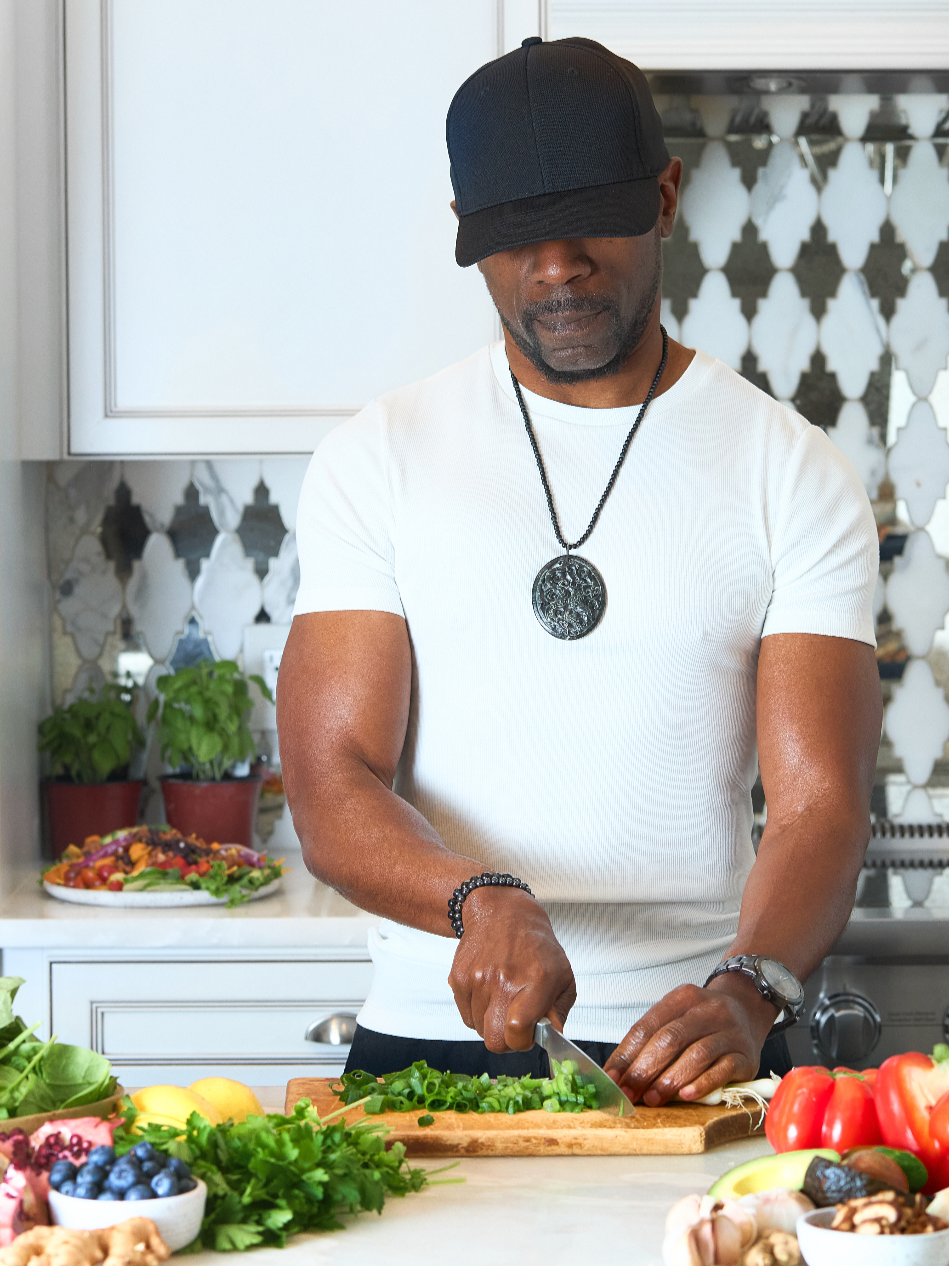
Become healthier with Javant’s resources - Healthy Vegan Eating
What if the foods you love most—the ones tied to family, culture, and comfort—could also help you heal?
In this powerful and deeply personal conversation, Rip sits down with Javant Benton, creator of Healthy Vegan Eating and author of Make Your Own, to talk about food, family legacy, self-love, and breaking generational cycles of disease.
Javant shares how a frightening health wake-up—pre-diabetes, pre-hypertension, and a suspected lymphoma diagnosis—forced him to confront the way he was eating and living. What followed was a slow, intentional journey through paleo, pescatarian, and ultimately whole-food, plant-based nutrition—guided by research, lived experience, and mentors like Joel Fuhrman, who wrote the foreword to Javant’s book.
Together, Rip and Javant explore how empowerment—not deprivation—is the key to lasting change. From oil-free Southern classics to protein-rich plant meals, Javant proves you don’t have to give up the foods you love—you just have to make your own.
This episode is equal parts inspiration, practical nutrition, and permission to value your health—even when it means going against the grain.
Key Takeaways
Health often changes after a crisis—but it doesn’t have to. Javant’s story shows how fear can be a catalyst, but education and self-worth sustain long-term change.
You don’t need perfection—just progress. Javant’s journey unfolded over years, not weeks, proving that incremental change is both realistic and powerful.
“Make Your Own” is about autonomy and empowerment. By recreating familiar foods with whole, plant-based ingredients, people can heal without feeling deprived.
Self-love is a nutritional strategy. Choosing differently—especially in social settings—requires confidence, boundaries, and valuing long-term health over short-term approval.
Flavor is the gateway drug to better eating. Sauces, spices, textures, and presentation matter—and they make plant-based living sustainable.
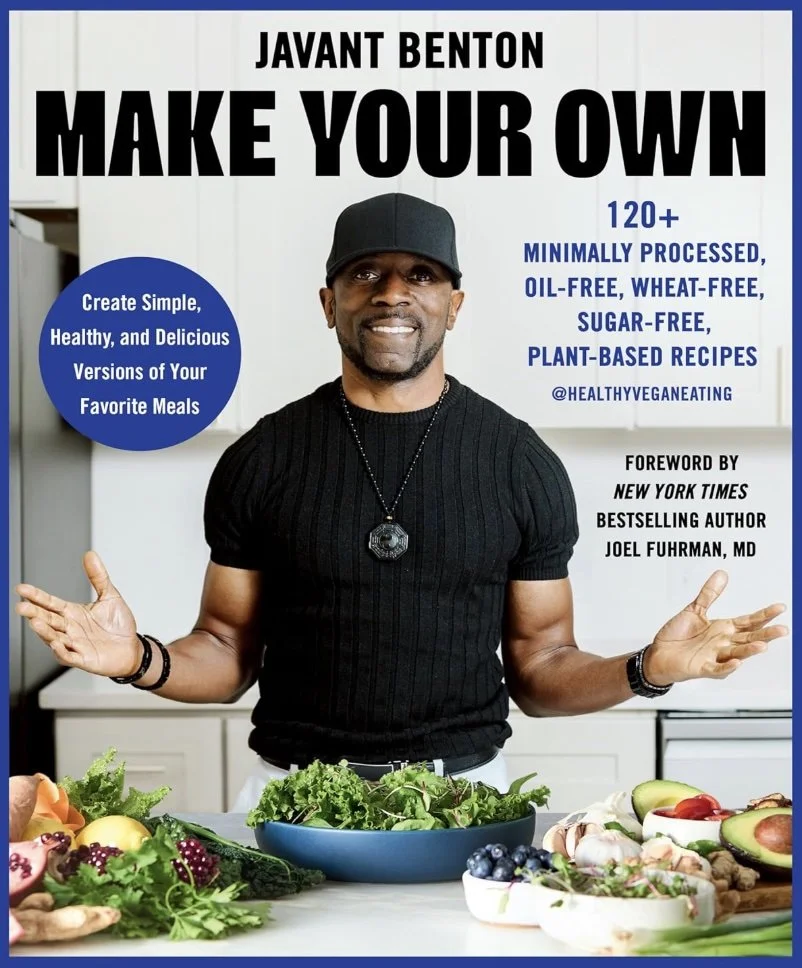
Make Your Own is available wherever books are sold
Episode Resources
Watch the episode on YouTube: https://youtu.be/nco7PbuJVJ4
Javant’s website Healthy Vegan Eating: https://www.hveating.com/
Order Make Your Own : https://www.makeyourowncookbook.com
We hope to see YOU at one of our 2026 Live Events! https://plantstrong.com/pages/events Use code: podcast to receive early bird pricing
To stock up on the best-tasting, most convenient, 100% PLANTSTRONG foods, check out all of our PLANTSTRONG products: https://plantstrong.com/ Use code: podcast to receive 10% off your first order.
Give us a like on the PLANTSTRONG Facebook Page and check out what being PLANSTRONG is all about. We always keep it stocked full of new content and updates, tips for healthy living, and delicious recipes, and you can even catch me LIVE on there!
We’ve also got an Instagram! Check us out and share your favorite PLANTSTRONG products and why you love it! Don’t forget to tag us using #goplantstrong 🌱💪
Episode Transcript via AI Transcription Service
I'm Rip Esselstyn, and you're listening to the Plant Strong Podcast.
[0:05] Today I'm sitting down with Javant Benton, the quietly intense and humble man behind healthy vegan eating and the author of the new book, Make Your Own. Javant's story starts the way so many do, with a health crisis. Pre-diabetes, high blood pressure, and a possible cancer diagnosis. Javant loved the Southern food that he was raised on, but as he says, it didn't love him back. So it was these health scares that motivated him to completely transform his health through whole food, plant-strong nutrition. Now, he's helping hundreds of thousands of people do the same thing by showing them how to make delicious, healthy food without oil, refined sugar, or processed ingredients. Gervant is living proof that healthy eating doesn't mean deprivation.
[1:09] It means empowerment and strength. Let's dig in right after these words from Plant Strong.
[1:21] I changed what I ate and I changed how I live. That's what retreat attendees tell us after they return home feeling lighter, stronger, and more confident than they have in years. With delicious meals made from whole plants, expert sessions, and connection with like-minded people, Plant Strong Retreats help you experience results, not just information. Visit plantstrongevents.com and discover the retreat that is perfect for you. You won't just feel inspired, you're going to feel different. Use the code PODCAST to reset the registration to the early bird rate. We have just a few spots left for Black Mountain, and I can't wait to see you.
[2:12] We invest in retirement accounts. We invest in homes. We invest in education, but what about investing in the one asset that determines whether we get to enjoy any of it, our health? Here's the truth. The food that you keep in your house determines and informs your habits and your habits determine your future. Plant strong foods aren't convenience foods in the typical sense. They're strategic foods, real, whole, unrefined ingredients, no added oils, no excessive sodium, no nutritional shortcuts. When your kitchen is stocked with food that supports healthy cholesterol, steady energy, and long-term vitality, you're not spending money.
[3:04] You're buying consistency, you're buying margin, and your buying years. Visit plantstrong.com and make the highest return investment that you'll ever make. And that's in you.
[3:24] Javant Benton, I want to welcome you to the Plant Strong Podcast. Hey, thank you, man. It's a surreal experience. I've watched so many of your podcast interviews. I've been a fan of your dad and watched his stuff online. So I love that I'm here. Thank you. Yeah, yeah. Well, I love that you're here too. And I want you to know that, But, you know, it probably was a year ago or so that I was just kind of scrolling through Instagram and I saw this really like good looking man and he was making a plant based dish. And I saw that, you know, he's he's vegan and he doesn't use like added oils, refined sugars. And I'm like, I got to get to know this guy. So I started following you. You got like 900,000 plus followers on Instagram. Your YouTube channel is blowing up. You just came out with a book and I saw that and I'm like, wow, I want to get Javant on the Plant Strong podcast because we have a lot of synergies in our beliefs. And I want to recognize you for this bad boy right here. Make your own, Javant Benton. So so let's let's dive in you ready i'm ready man all right fantastic um let's for starters.
[4:53] Where am i talking to you from where are you i'm in uh north carolina chapel hill to be exact i lived uh just a few minutes from the university uh born and raised here um love it it's a great area yeah yeah wonderful and just to kind of, cut to the chase a little bit. You talk about in the book how your grandmother's cooking was the stuff of legend. That it was, man. That it was. Yeah. Yeah. And so is it fair to say that the type of food that your grandmother made, although it probably tastes incredible, right? It probably didn't love you back.
[5:39] Absolutely. I've even stated it that way. I loved it, but it didn't it didn't love me back. But, you know, it's what I was accustomed to. We were conditioned by tradition to prepare the foods in a way that she did. And she passed it down to her daughters and sons. And and I got some of that, too. And so, um, you know, uh, it, it, it was great tasting and, and, and the sad part is we just were totally, um, unknowing about, uh, what, what the detriments of eating that way are ultimately, you know, it was just instant gratification. It tastes good. All good. You know? Yeah. Yeah. Yeah. Do you come from a big family? You have brothers and sisters? Yeah. I've got, well, I got one brother, one sister, so not a big family, but I have a lot of cousins, a lot of uncles, um, a lot of aunts. So, yeah, a big family, but not a big immediate family. Right. And, and, um.
[6:32] How prevalent in your family, cousins, parents, et cetera, was the pre-diabetes, the hypertension, heart attacks, I would imagine cancer, all the stuff? All the stuff. I mean, unfortunately, man, I've had a lot of relatives of mine die before the age of 60, 65, you know, of things that I know now, you know, are really attributed to the way we ate. And lifestyle and all, you know, we didn't exercise either. I don't want to overlook that, but primarily it was conditions caused by what we were eating and how we were preparing the foods that we were eating, you know, because even my grandmother had a huge garden, you know, we, and we grew, um, I'm saying we, she grew and my granddad grew a lot of the stuff that we ate, but man, when you take something, you know, like a zucchini and you, and you fry it and you put a bunch of, you know, bacon grease with it and serve it with, you know, uh, some, some beef.
[7:32] You know, you're, you're really, uh, you're still going to run into trouble. Was there, are there one or two dishes that your grandmother used to make that like, that, that stick out in your mind? Yeah. You know, I dedicated my sweet potato pie video to her because she taught me how to make sweet potato pie when I was maybe 10 or 11. I used to watch her cook. I would be fascinated with her cooking. She'd just be in the kitchen and so many people would be coming and she's just in there doing her thing and you know and she would let me taste stuff if i stayed long enough she let me taste something so i used to watch her but her sweet potato pie was amazing and she taught me how to make it um but everything she made there's stuff ripped that she would make that i wouldn't eat anywhere else someone else would make it i didn't like it but if she made it i liked it um but unfortunately again it came with you know a lot of salt you know very high in sodium um you know, uh, butter and just all the things that, you know, that, um.
[8:27] That are a common place in a, in an environment. Like I grew up. Did you ever ask her where she got her cooking chops from? I did. I did. And she was like, I just learned by watching. I don't watch my grandmother. I remember one time saying to her and I was maybe 15 or 16, I was like, grandma, you should write a cookbook. Let's do a cookbook. Everybody loves your cooking. And I said, let's start writing your recipes down. And I remember her telling me, she's like, I can't write them down. She's like, I don't write recipes down. I don't measure. I just look at things. She's like, I can't even tell you how much of something I put in. I just, I look at it and I just know it's the right amount. And I would watch her and that's exactly what she did. No measuring cups, no measuring spoons, baking, you know, any type of cooking she did. She just eye it all. And it would come out perfect every time. Yeah. Yeah. She just had a knack for it. Had a knack for it.
[9:16] Do you mind me asking, how old are you? I'm 57. 57? Yes, sir. You look pretty damn good for 57. I appreciate it. Thank you, man. I've been doing some good living the last 20 years since I changed what I was doing. So let's dive into that. Okay. So you've been doing some good living for the last 20-odd years.
[9:41] What drove you to good living? Well, unfortunately, it was a rough ride. Because what drove me to good living is what drives most people to good living. And that is some type of a crisis. You know, I was again, I was oblivious to the power of food and nutrition. And so I was just eating what tastes good, preparing it in the ways that I saw it prepared. And it led me into trouble. So I ended up pre-hypertensive, pre-diabetic, and I was diagnosed with lymphoma. But they hadn't done a biopsy yet. They had just, you know, looked at an ultrasound and looked at things and, you know, took some blood work. And that's what they were saying because I had swollen lymph nodes in my neck and this kind of thing. And so I was scheduled for a biopsy. And that was really the moment where I was became really afraid, because as you asked earlier, you know, and it was the case, you know, my my uncle had diabetes. When I say uncles, I mean, like almost all of them. My dad had diabetes. His sister had diabetes. these. My grandmother had diabetes. Rip, I used to see my uncles with bananas in the car. And I'd be like, why you had a banana? They go in case my blood sugar drops too low. They're taking insulin injections and these kinds of things. So to me, diabetes was just something natural. It was a natural process. At some point you get diabetes and you take your metformin or you take your.
[11:00] Insulin, you keep a banana with you in case you, you know, this to me was routine. It looked normal. And so when I became pre-diabetic, that didn't sound the alarm loud enough. I was still like, OK, it sent me back a minute. I was like, OK, I can deal with it. Pre-hypertensive, for all my mother's side, my mother has high blood pressure. Her mother had high blood pressure. So again, I was familiar with these things. They didn't sound an alarm. It was the lymphoma diagnosis or, you know, I didn't, again, they didn't take the biopsy, but they said that's what it looked like. That really scared me because cancer is a different animal. Now, I do have some relatives that die from cancer also, but they die from cancer. They didn't live with it like they did with the diabetes and the high blood pressure. So to answer your question directly, what drove me to healthy living was the fact that I felt like my life was on the line. I mean, literally, I had to figure something out because I didn't want to die an early death.
[11:55] So I get all that. So you're facing diabetes, hypertension, lymphoma. You're at a serious crossroads in your life, Javant. but then how is it that, 20 odd years ago. So let's just say 2006-ish, 2004-ish? Somewhere in there. Okay. How did you find whole food, plant-based nutrition? Because most people don't just fall into that. That's right. That's right. And I want to come back to that statement you made that's very powerful. But yeah, it was very incremental for me. The advantage I had is that I love to learn. I'm very curious.
[12:42] And so I was motivated, man. You got to have motivation. And unfortunately, like I said, so many people, the motivation is the fear, but the fear factor was definitely there. And so I said, well, how do I get healthy? No one around me knew any different way to eat or what to do. Everybody would say, oh, get in the gym, you know, and you would think, okay, I got to exercise. But I've done that before and I still ended up where I was. And so I went online And I just started researching how to get healthy. And it kept coming back to diet and diet and diet. And the first doctor that I found was Dr. Mercola. I don't know if you're familiar with him. I am. Way back in the day. And so I was watching him and he was talking about some really radical stuff to me, alternative ways of getting healthy through eating. And I remember one day he had Mark Sisson on who was like kind of the, he's in the paleo movement. And he was talking about eating his big salad and steaks and all this. I said, well, I'll try that. So believe it or not, Rip, at one time I was paleo and I went that route. It was better. Now, it was better. It was better than what I was doing. But I started to, you know, I kept researching, kept looking, and I started hearing about the problems that can come from eating too much meat. And so I said, that's not the way to go either. So I was pescatarian for a while. And then I started hearing about dioxins and all the kind of things, the microplastics, nanoplastics, things that can go wrong when you're eating even seafood. So I said, okay, so I need to go plant-based.
[14:09] Saw a lot of different doctors. I mean, I came across a lot of doctors, including your dad. I watched many speeches from your dad.
[14:16] But it was Dr. Fuhrman. When I got to Dr. Fuhrman, that's when I had my epiphany moment. It was something about his delivery and how factual he was and how he just seemed so confident. He would back things up with facts. And I was like, this guy is my guy. And so I had bought dozens of books, but then I bought all of his and I started reading him and it was just starting to apply to things I had learned along the way, along with the work with Dr. Fuhrman.
Discovering Whole Food Living
[14:43] I became a certified nutritarian coach and cook and all this kind of stuff. Um, and, uh, but it was, it was, it was, you know, I'm saying it quickly, but this all happened over a period of maybe 10 years before I got to where I said, okay, I feel like what I'm doing now is viable as far as, as far as really getting healthy. And I still tweak things, man. And I, you probably do that too. I'm always learning new stuff and tweaking things and adding things. Um, so yeah, it was, it was a long journey, very incremental for me. Um, but, uh, but here I am. Yeah.
[15:14] Well, yeah. Well, Joel, Dr. Joel Fuhrman, who wrote the forward to your book, right? Yes. And I mean, Joel is absolutely brilliant and so committed to what he is doing and spreading the word. I've known Joel, gosh, I've known Joel since about 2006, 2007. Oh, wow. Yeah. So that's a good, good guy to like latch on to for sure.
[15:50] So you, you kind of like, you're, you're digging into this nutritarian, you know, lifestyle approach.
[15:58] At what point do you decide that you're going to start a YouTube channel or, you know, YouTube, Instagram and become an influencer? And, you know, you don't get to a million followers, you know, unless you're producing quality content. You seem like you're a bit of a perfectionist. Is that right or not? Well, I'd just like to say I pay attention to detail. I'm just very detail oriented. It uh not a professional necessarily but uh but yeah and it matters man i mean when you're when you're trying to present something to someone you want it to be well done you know because uh lives are on the line man i don't want people to suffer like i did and uh it was begrudgingly that i headed to social media before i got on the social media i say this all the time i didn't have a facebook account i mean i was doing nothing social media related nothing and people were like you should.
[16:54] So what happened, Rip, is like, you know, and I think a lot of people out there can relate to this. When you have something really good and profound happen to you, you want to share it. You know, you want to share it when you go, wow, I can't believe, you know, how powerful, you know, nutrition is and lifestyle choices are. And when I saw that and I saw what they did for me and how good I felt, first of all, people would ask me, what'd you do? Because I used to be about 80, 85 pounds heavier than I am now. And they'd be like, well, how'd you lose this weight? What are you doing? So people would be curious, but then a funny thing happened when I would talk to them. I'm a pretty laid back guy, but when I would talk to them, I would get really passionate and I wasn't even realizing it. And everybody would go, wow, you love, man, you ought to teach this stuff. You should teach this stuff.
[17:39] And so I literally took that to heart and I went to school for two years. I said, I'm going to become a dietitian, a plant-based dietitian, and I'm going to teach on the junior college level or I'll become a dietician, one or the other.
[17:51] And I was, uh, and I did it for two years, but when I saw the things that they were teaching in school, I just couldn't do it in good faith. I mean, they were, they were suggesting things that I was not in alignment with what I, you know, things about meat and eggs and, but different things I'm like, nah, no, I just doesn't resonate. So I had to find a different way. And then people started telling me about this thing I never heard of. They said, why don't you go on Instagram? And I said, Instagram, what was, what's that? They go, it's a platform. You go on and you like share videos. I go, well, how does that work? They go, well, you just share videos. You talk about nutrition or make recipes or something. I was like, no, I don't like that.
[18:27] But, you know, it took about a year and a half, two years. Finally, I was like, you know, maybe I should try this. Everybody's saying it's a good way to do it. I'll try it. And I literally made 100 videos before I posted a video. I said, if this goes well, I've got to be ready to roll. You know, so I'm going to be prepared. I mean, like I said, just attention to detail. I said, I'm going to be prepared. I'm going to make 100 videos before I post one so that I can be ahead. And if it starts rolling, I can keep up. So I did that. And um and i posted it and yeah i posted and before you knew it things were taking off and i was really surprised i was like you know how is this going to work i'm i'm making vegan recipes with no oil no wheat no refined sugar hardly any processed ingredients whatsoever people are not going to want to do this people are not going to want this food but i'll try it i'll give it a shot And I couldn't believe how much people appreciated what I was doing. Yeah. Well, I like the way you roll. I can't believe you did 100 videos before you decided to post one. Yes. Now, are you videoing this yourself? Do you have somebody videoing for you back then?
[19:41] Not originally, but I do now. It's a two-person operation now. But, you know, man, it was a labor of love. But, you know, I love talking about nutrition, studying nutrition. I mean, every day I'm watching videos or I'm reading a book on nutrition virtually every day. And so to me, to do things like make recipes, it's just a labor of love. I love what I'm doing. I love buying healthy food, preparing healthy food, eating healthy food, talking about healthy food. So I'm truly living in my passion, which makes it seem so easy. It doesn't feel like work ever. I know. That's the dream right there, right? So tell me this. This... This is now available on Amazon or wherever people want to get their books.
[20:31] What was the aha moment when you were like, you know what? I think I'm going to do a book. Did somebody like, did a publisher reach out to you? Did you want it? Like, how did that seed get planted in your brain to write a book? Right. Well, the seed got planted by the people on my platforms because that was a question that I got more than anything else. I mean, if you went back two years ago, three years ago, when are you going to do a cookbook? When are you going to do a cookbook? I mean, that was by far the number one comment I got. I mean, every day, a dozen people or so asked me, when are you going to do a cookbook? And so I'm like, wow, you know, I had no intentions of doing a cookbook when I started posting, but this is what people want. And so at the time I had a manager. I don't have a manager anymore, but I had a manager and he knew a really big influencer who had just wrote a cookbook with a major publisher. And so he talked to her and she talked to the literary agent and he showed her my video and she was like, I want to talk to this guy. And she talked to me and, and, um, and we wrote a proposal and shopped it around, had a few offers and, um, it just went on from there. Yeah. Yeah. Beautiful. So tell me.
Writing the Cookbook
[21:39] It's now, you know, it's now 2026. When, when did you start writing and working on this thing?
[21:48] Uh, would have been 24. Uh, I think we got our deal, um, maybe January or February of 24. And as you know, you know, it's a two year process typically, and you can't expedite it. It's a two year process. It's just what it's going to be if you were a major publisher. And so um i would like it to have gone you know quicker but but that's okay um but yeah so two years two years in the making yeah now the title make your own how did you come up with that title i really like it a lot you know what rip i was uh i was making videos and and i narrate the videos obviously and i was just trying to think of okay what do i say to people that can like be empowering or, but catchy. So they remember it. And just one day I was, uh, I was doing a recipe and I was talking to a friend and I remember they said, listen, at the end of your videos, you need to give a call to action, say something. It converts better when you give a call to action. So I said, um, well, how about I say, so, um, save the recipe.
[22:52] And they said, yeah, but you need more than that. I said, then I just say, so make sure to save the recipe. I said, no, say something more. And one day it just came to me. I said, well, I'll say save the recipe and make your own. You know, make your own. And they said, yeah, that sounds good. And I did it. And man, it's taken off now. And it has a brand on its own now. So, yeah. Yeah. Well, and your brand on social media is the Healthy Vegan Eating, right? Correct. Yeah. And you've shortened that to just HV.
[23:24] Right. Yes, yes, yes. And a lot of people say, hey, MYO, MYO is a thing now. Make your own MYO and HV. Yeah. HV. So, yeah. I mean, you know, the acronyms start to come once you get to it. Yeah. Yeah. Yeah.
[23:41] So would you say, is this accurate statement that this is kind of a, this book and the recipes in it is a nostalgic love letter to your Southern roots?
[23:58] Yeah, to a degree, certainly to a degree. I mean, there's no doubt that that's my influence growing up and the things that I was eating. And, you know, you said earlier, and I said I wanted to come back to it, you said, you asked me how I transitioned into this type of living because people don't just fall into it. And I said, I'm glad you said that. Those are powerful words. Because one thing I will say about people in the vegan community, the influencers like yourself and Dr. Furman and all of us, is that I think sometimes, you know, we, because Rip, you're so informative, man, and you know your stuff. I watch you. And so a lot of times we'll talk on a level that someone who's just thinking about eating healthier, they don't know what acrylamides are. You know, they don't know what isospecylothionates are. They don't know. And you use these words and these terms, hey, you got to do this. You got to do that. Watch this and that. And it's over their head. And the idea, so most people, when you say, hey, you got to eat healthy, the first thing they think is deprivation. That means I got to get something up. If I got to eat healthy and I can't have this, I can't have that. So I wanted to flip that on its head and say, listen, you can have all the things that you grew up eating. And for me, like you said, it was the Southern classics. The sweet potato pie, the lasagna, all these things that you would think you have to give up or compromise on the taste. Well, you can have those things and you can have them without the unhealthy ingredients if.
[25:22] You make your own. Right. And so that's kind of what my book is about. It's about empowerment. It's about breaking cycles, man, and just showing people that you can still
Empowerment Through Cooking
[25:32] eat really, really well and eat healthfully. And and I want to say that that's the thing that I really appreciate about Instagram and TikTok and all these social media platforms, Rip, is that I can show you the healthy food first. So if I just brought out my sausage lasagna, right, my vegan sausage lasagna, which is in the book, and you see it, you go, man, that looks good. What is that? And then if I go, no oil, no wheat, no refined sugar, you don't think, oh, I'm not going to eat that. You go, but it looks good. So you're still intrigued. And so and so that's kind of been my niche is just show people that you can have all the things that are familiar, that are that you have an attachment to.
[26:16] And you don't have to give anything up if you make it. Yeah. Yeah. No, we're going to go through some of your recipes and I'm going to show, show, show them the photos, the insane photography of these photos. I mean, This book is extraordinary, absolutely extraordinary. Let's dive in a little bit, Javant, because I want to ask you a few questions about, so you start out talking about the foundations, and you and I are very much in alignment here, and I think it's repetition is the mother of learning here. So let's talk, and I'll start with the first foundation that you talk about in the book when you're setting up kind of the foundation for how you make, how you do your recipes, and that is whole food fats. So I think you and I both in alignment that we kind of shy away from oils and extracted oils. Yes? Absolutely. Absolutely. Yeah. Yeah. And you want to just tell people in, you know, a word or two why you're not a fan of oils?
[27:24] Yeah. Yeah, but I also want to acknowledge that there are tears, you know, because some oils are worse than others. And I want to start by saying to people that, you know, if you, if, When I did eat olive oil, it had to be First Cold Press Organic Domestic Olive Oil, which sounds like, what is he talking about, all those names? But it had to be a quality oil. Sometimes you buy olive oil and you're not actually buying olive oil. There's no telling what's in that bottle, seriously. But that's another story. But I do want to concede that if you don't have any issues with extra weight on your body and you're active and you're fit and you're eating a plant-based diet and including some oil on your salad and increased nutrient absorption.
[28:07] And it's monounsaturated fat primarily, so oil can be part of a healthy diet. I want to concede that. I do believe that. However, for me, why not make it a healthier way? So what do you use oil for? To fry? Well, I don't fry. I sauteed with water. And the flavor is there. You use it for salads where I make my salad dressings using nuts and seeds, which are the way more health promoting than oil. It still has a fiber, still has a nutrients, antioxidants. It hasn't been refined. And so nuts and seeds are just a better option to make things like salad dressings, to make things like dips and sauces and even my vegan mayo that I make with nuts. So for me, it's like people say, you don't eat any oil, even a healthy oils. And I say, well, why would I when I can make the same thing you make without the oil? It's healthier and it tastes just as good. Yeah. People have a really hard time grasping that concept. Yes. Yes. Trust me. I know. Trust me. I know. That and protein are the two things. Yeah. So your second foundation is whole, unrefined grains. Absolutely. And I got to tell you, Javant, you know, in going through all 120 plus recipes that you have in this book, I am so impressed the way you make your own buns, your own wraps, your own bagels. I mean, you...
[29:36] You're impressive. Well, thank you, man. Thank you. Again, it's power by passion. And, you know, honestly, Rip, you know, I don't eat those things a lot. I don't eat a lot of bread, even the bread I make myself. I rarely eat bread, to be honest with you.
[29:50] I will. And if I make a recipe, I eat the food. Like every recipe that I've made, I've eaten that or I've had some help in some instances, but primarily it's me eating it. So I do eat those things. But I tell people, man, I'm not out here for myself. I'm not out here trying to create clones. I'm not out here trying to say, hey, guys, be like me. I've got it figured out. I'm out here trying to help the person that can't make. And that's why I said what you said earlier was so powerful. Who can't make a jump from, hey, I eat a standard American diet, but Rip Esselstyn, man, he's got it going on. I want to eat like him. It's hard psychologically to go overnight or over a week or over a month or even over a year in some cases to eating a standard American diet, to eating like you and I do. So my thing is I'm showing you that you can still have these foods that are familiar. If you're willing to invest in yourself, if you're willing to get in that kitchen and invest in yourself, invest in your health, the ultimate form of self-care and self-love, in my opinion, is nurturing your body with healthy foods. And I'm showing you that you can make the biscuits, you can make the wraps, you can make all those things just as flavorful, just as good with healthier ingredients where you're actually promoting your health, not demoting your health.
[31:01] So so so I say that to say a lot of the things in the book I don't make routinely and I may make a recipe and never make it again, but I'm here to serve others. And so I'm trying to make the things that I know appeal to other people where maybe I'm the one person that they look at and go, you know what? I think I can do this based on what he makes. I think I can do it if I can eat these things that he's making. Yeah. So you don't use, in your book, you don't use any wheat, right? Even 100% whole wheat. Is that correct? I don't. I don't.
[31:34] You know, most of the time when, you know, when people say wheat, most of the time they're eating refined wheat. And so the germ and the bran are removed. You're just eating the endosperm, some starch, a little protein. It's devoid of vitamins. And then glyphosate's on it if it's not organic. So I just stay away from refined wheat and even whole grains. My grains of choice are millet and quinoa. If I'm eating, um, it's, Almost always one of those two. Every once in a while I have some organic brown rice. But other than that, it's just mila and quinoa. They're just kind of what I like, so they're what I use. Yeah, yeah. Well, it totally works, and I can't wait to show people photos of what we're talking about here.
[32:16] You're a big fan of dates as the superior sweetener. Yes, indeed. Yes, indeed. And I think they are that. I mean, it's a whole fruit. The antioxidants are there. The fiber is there. The water content is there. It's not refined, nothing extracted, nothing removed. Even when you make date paste, you're just, you know, blending the dates and then adding water. Even when you use date sugar, it's just dehydrated dates. If they're organic, everything is still there. And then some people push back and say, well, what about honey and what about what about maple syrup? They're a little too high glycemic for me.
[32:50] So I don't use those again. it's like the olive oil thing. It's not that I'm saying they're horrible. It's just there's a better option and it's just as easy and it tastes just as good. So why would I not use the healthier option? So yeah, dates are the way I sweeten everything. And even when you talk about monk fruit and stevia, the zero calorie sweeteners, there's some tests out there, some studies that say that they might not be the greatest thing because they kind of trick your mechanisms. You get that sweet taste and so your body thinks that sugar is coming and you still excrete insulin and it can throw off the calibration of your, of your, of your biological is so I, so I just date sort of way I go dates to sweet. Yeah. Everything. Yeah. Well, we're in agreement there. I'm a huge fan of, of, of dates. You, you talked about this, you mentioned self-care and self-love, but I'd love for you to just go in a little, a little deeper because your fourth foundational pillar is the power of self-love, which is, I think is huge, huge.
[33:54] Absolutely. I think one of the biggest obstacles for a lot of people converting to eating healthy is the peer pressure and feeling excluded, ridiculed, judged by the people who don't have the memo yet. And so, you know, if you grow up like I did, eating the standard American diet and your family and your friends are doing that, you know, as humans, as you know, usually when we connect, it's over food. Hey, let's get together. OK, yeah, we'll meet at this restaurant or, yeah, come to my house. I'll make this meal or we'll go to lunch together. And so one of the biggest obstacles is just knowing that you're going to be you're going to be you're going to have to have the self-confidence and the self-value to say, yeah, this is what I eat. I don't eat that. And everybody else is laughing, going, oh, yeah, he eats the rabbit food or blah, blah, blah. And so it takes quite a bit of self-love to know that I'm worth it. I'm worth whatever minor, you know, awkwardness it creates in certain social situations. And with maybe even my partner or maybe my friend, you know, whoever. But you have to put yourself first. You have to love yourself enough to say, I come first. And the funny thing is, Rip, when you do that, eventually a lot of people who ridiculed you will start asking what you did and what you're doing, you know? Especially especially when you start looking looking mighty mighty good um.
[35:22] Yeah. You also said, and I wrote this down because I liked it so much. You said that value yourself beyond external validation.
[35:30] And I think that's really important for people to hear that. Cause you're not going to get that at first. You're not going to get the validation that you want. Not even close. That's right.
[35:41] And it's tough. It's tough. I mean, you know, we can say that all day and people can even know what we mean, but to put it into practice and to go against the grain to go against everybody around you. It's tough. It's tough if you're not wired a certain way or can't develop that self-love to do that. Yeah. You also say become the healthiest you that you can be. And nobody's going to hand that to you. You got to earn that yourself. Absolutely. And it's yours for the taking, but you got to take it. Yeah. And you got to be responsible for it. Yes. And the two things I say to people all the time is when they go, well, how would you tell someone to be healthy? And I'm like, listen, we're all wired differently, but two things have to be present, the want to and the know-how. Because one without the other, you're lost. Because you can have all the desire in the world to eat healthfully. But if you don't know who to consult, if no one around you is demonstrating that and you don't know where to look and who to believe, then you're lost, even though you have the desire. And you can have all the knowledge in the world and go, yeah, I know I should be eating better. I know I should be eating these things,
Foundations of Healthy Living
[36:43] but I just, you got to have both. You got to have the desire and the knowledge. And if you have both, you're unstoppable. It's that easy. You're unstoppable.
[36:53] Yeah. Yeah. Unstoppable is a good place to be. Yes, indeed.
Diving into Recipes
[36:56] Hey, are you cool if we jump into some recipes? Absolutely. I want to give people a taste of what you have in this book. And the first recipe, I'm telling you right now, I make something like this, but you have taken it to a whole nother level. So talk to me about your HV veggie ground. Oh, look at that.
[37:21] Yeah, that is my number one recipe. It really is what really popularized both of my channels is when I dropped that recipe. If you go to my um to my youtube page or my ig page and you look at that video and you read the comments you won't believe it i mean people i have so many people have told me hey i could never get my husband to eat veg meat any kind of veg meat whatsoever he loves the veggie ground he doesn't even know that it's not ground beef um now if you're eating it as a burger it's a little more noticeable because of the texture but man if you're putting it in a burrito or you're putting it in a lasagna or spaghetti or anything. I'm telling you, it's spot on. And it's made with cauliflower. It's made with portobello mushrooms. It's made with carrots. It's made with onions.
[38:12] You understand? Sage. Don't forget the spices, which are super health promoting and high on the Oryx scale. I mean, it's made with nothing but superfoods, man. And it's spot on. It tastes great. It's my favorite recipe that I've done because it's everybody else's favorite. Yeah. And I do a walnut meat, but it's just walnuts. And you have taken it and you have made it multi-layered, like you just said, with the cauliflower, the carrots, the portobello mushrooms, the herbs, the spices, like high five on that one. Thank you. And I want people to know that there are you have nine different sections in this in this cookbook, everything from staples to sauces and dressings and dips and breakfast and desserts and salad bowls. I mean, it's it's nonstop. I want to I'm going to.
[39:01] I want to go to this now. I'm going to go to page 52 just to show people your, this is your gluten-free millet burger buns. Just so we talked to that about that. But yeah, you know, just to give people an example, there's the burger buns. And then you also have on 72, you've got your.
[39:19] Your bagels right those aren't store-bought bagels those are javante created bagels right there yes make your own baby yeah and and the cream cheese i mean even the cream cheese is something that we created yeah yeah so and then uh you you're all about like the sauces, Look at this gang. Look at all these sauces right here. This is just like a small little sample of many.
[39:53] And to me, if you can make healthy, tasty sauces, it takes everything to the next level. Yes, yes. Because, man, you and I've had one of my favorite people that I've met online who's an avid follower of mine. She was saying that they were in a hotel one time and they didn't have a lot of options because they didn't have, you know, the kitchen space to do anything. And they came across my page and she was like, your sauce has saved us because we can make all these foods taste so different just depending upon the sauce that we made. And so, yes, sauces are definitely one of my main, main, you know, ways to help people add diversity to their to their diet. So I got to tell you, I haven't had bacon in probably 40 years, but I saw this mushroom bacon and it freaked me out. I mean, I was looking at it going, that looks like it's like fried in oil and all kinds of stuff. This is just mushrooms, right? That's mushroom bacon, man. That's mushroom bacon. And it has some coconut aminos and, you know, it's a pretty simple recipe. But it's spot on if you make it right it's spot on now I have never seen a breakfast scramble.
[41:13] In probably a hundred vegan cookbooks made from anything but tofu. Right. You decided, nah, we're going to do something different. What is this breakfast scramble made from, Javant? Yeah, I mean, you know, there are a couple of different ways to go about it. Pumpkin seed. You know, I'm not a big fan of tofu. I do have a recipe where I make my own tofu. And so when I make my own tofu, I make breakfast scramble. But I do tell people, you can't just go and buy some tofu and make it, you know, use my seasonings and do it that way. Not everybody wants to be as dedicated as me and make, you know, several different things. But, yeah.
[41:59] You are dedicated. I am like, that is just dripping from every pore of your body. I am taking that in. All right. You have a whole section on high protein snacks. There you are looking all buff. Tell me, are you lifting weights in the gym? Well, yes and no. I'm lifting weights, but my gym is upstairs in my bedroom. I have a room dedicated in my house and I've got my weight stuff in there. I don't really like to go to the gym, so I just do it at all. You're also very humble and modest. So look at these peanut butter chocolate chip protein bars. Oh, that's one of my favorite. Love that photo. The photographer did such a good job. Doesn't that look so good, man? That might be. That's one of my favorite photos in the book. And they are good. It's awesome. They are good. Yes. Like, give me, would one of those, like, help me out right after a nice two-hour pickleball match? Sure. I think, if I remember correctly, they have about 17 grams of protein, if I'm not mistaken. Wow. Yeah. And where's that protein coming from? Nuts and seeds, man. That's what it always comes from with me.
[43:14] No, I do have some cookies that I make with beans as well. You know, beans is another way. And this might sound crazy, but just last night, and I would be doing this tonight, but I'm going to be eating a little later. But when I make desserts, my favorite dessert that I make for myself is chocolate chip cookies, but I make them with lentils. I mean, which sounds crazy, but if I gave you one and I didn't tell you what it was, you would say this chocolate chip cookie is delicious and it's lentils and dates, no kind of flour whatsoever. I mean, man, it's amazing what you can do with plants. It is. You know, I had a woman on the podcast not too long ago and she was telling me she got six kids and she was telling me that she does a peanut butter cacao smoothie and in it, along with a little bit of dates, she puts in a can of garbanzo beans and they never know it. Oh, wow. Yeah. Love it. Pretty cool. Love it. That's another little trick with your with your lentils and your chocolate chip cookies. Yes, indeed. Yes, indeed.
[44:18] Tell me about this 20-minute chickpea taco. I love tacos, and I love chickpeas. Are these roasted? What's the secret here? Yeah, yeah. Well, I pan roast them, and it's so simple to make. I think I made those on Chef AJ, or I made them for an event at one point, and people just love those. Now, I did not actually make a tortilla. I mean, I typically, you know, Whole Foods has a tortilla that's just two ingredients, It's just organic corn and I think lime juice, maybe two or three ingredients. So very simplistic and organic. So I buy those and then I just, you know, pan roast the chickpeas. And it's all about the seasonings, man. That's what makes the flavor. That's what brings the flavor.
[44:58] Like, look at this. Page 180. Sticky teriyaki cauliflower wings. And these are not deep fried. That's right. Right? That's right. I mean, you're like, this is going to steal the i-read out of my head. it's so good.
[45:13] I tell you, man, and they taste as good as that picture looks, if not better. That's one of my favorite things. I got you to laugh. I love it. I love it. Hey, now, Javant, like, You know, one of my signature dishes is my Raise the Roof Sweet Potato Lasagna. I think you've got one that rivals it. Look at this guy. That's my, when people ask me my favorite recipe in the book, I always put that in my top three. I love, Rip, I'm telling you, because, you know, you show the veggie ground, also make a veggie ground sausage, right? And that's what I use in the lasagna. The flavor is amazing. It tastes like a five-star restaurant, man. It's just delicious. And you talked about your grandma. Was this the sweet potato shepherd's pie that she makes or not? No, she was making a dessert sweet potato pie. That's just a variation of that. Yeah, but that's another recipe. Hey, you're picking out. I like your taste, man. You're picking out some of my favorites here. But yeah, that's excellent. Excellent. Oh, my gosh. Well, and then one of my other favorite dishes, I can't even tell you how much I love a paneer. And look at this. Look at that. Yes. Pollock from there. I love Indian food, Indian spice foods. I do samosas. I do pakoras.
[46:28] You know, Indian food is just spiced so deliciously. I love it. Yeah. Yeah. Now I got to tell you, I think you and I have the exact same sweet tooth because my favorite thing in the world is chocolate. And you start out with peanut, these chocolate peanut butter cups. Love them as a kid, man. I had to make a version.
[46:47] Oh my gosh. And, and then, you know, uh, is this, are these the ones you make with lentils or not? No, no, no. I don't have them in a book as lentils. I have them in the book with beans. Um, but I'm going to have someone on the flower too.
Closing Reflections and Future Goals
[47:01] Okay okay but you have so many incredible chocolate recipes like look at this brownie cookie yes another good one i got the chocolate turtles in there as well i mean you know the double chocolate bread i mean it's it's yeah oh cookie dough yeah yeah man i mean i mean come on give me look at this this one is gonna steal the other eye right out of my head look man that's a raw dessert that takes like 15 minutes to put together tops 15 minutes and you got those and they're delicious oh my gosh and then look at chocolate frosted carob donuts indeed some people are sensitive to chocolate so you could use carob for the topping as well skip the caffeine if you're sensitive to histamines don't have to worry about that so yeah just try to put something for everyone yeah and then and then here's your there's i just uh let me just i got to go to one more dessert. I like it. How's that key lime cheesecake? Oh, good man. Yes, so good. So good. So good.
[48:03] So Javant, I know you got another interview that you got to get to, so I'm on borrowed time right now. Yeah, I hate it now, man. This is my favorite interview I've ever done. I'll say it out loud. I don't care who's looking. I love it, man. Yeah, that is great.
[48:19] So Javant, I want to close out, by reading the dedication that you have in this book. You say, this book is dedicated to my family members who have passed away too soon and to all those who have faced health challenges past and present. May you be empowered to care for yourselves while inspiring the future generations to prioritize their health and well-being. You are Healthy Vegan Eating. You are Make Your Own. Javant Benton where can people find you if they want to like know more follow you and love on you well of course I'm on IG and YouTube Healthy Vegan Eating also have, a website you can go to makeyourown.com or healthy, excuse me makeyourowncookbook yeah yeah I also have an app man I'm very proud about the app the app covers a little more it has a nutrition element but also talks about sleep positive of mindset and exercise, the four pillars of health as I see them. And so you can go to HealthyVeganEating, HVEating.com to get my app. So, yeah, I'm in a lot of places. But you can start on my platforms, HealthyVeganEating, IG, and YouTube. And, of course, go buy the book. Guys, I want to say I just want to give a ringing endorsement for this book. Go out. Get it. You won't regret it. If your whole food plant strong, you believe in my pillars.
[49:48] Javant's pillars this book you want it in your kitchen and you want to start using it asap all right will you give me a plant strong fist bump on the way out absolutely i love this man boom i can find a camera there you go there you go boom all right Javant you go keep knocking them alive dude we'll do it man thank you man thank you rip.
[50:14] Javant, I want to thank you for everything that you're doing to help people reclaim their health. And if you want to learn more about Javant, follow Healthy Vegan Eating on YouTube and Instagram, and be sure to check out his new book, Make Your Own. I'll be sure to put links in today's show notes and make it super easy for you to find. And if you enjoyed this episode please share it with someone who needs a little plant strong loving and inspiration a new healthy blueprint is waiting for you that doesn't require deprivation it only requires an abundance of plants until next week as Javant likes to say make your own and as I like to say always always keep it plant strong.