#346: Erasing Diabetes - Peggy Kraus’s Fiber-First Rescue Plan
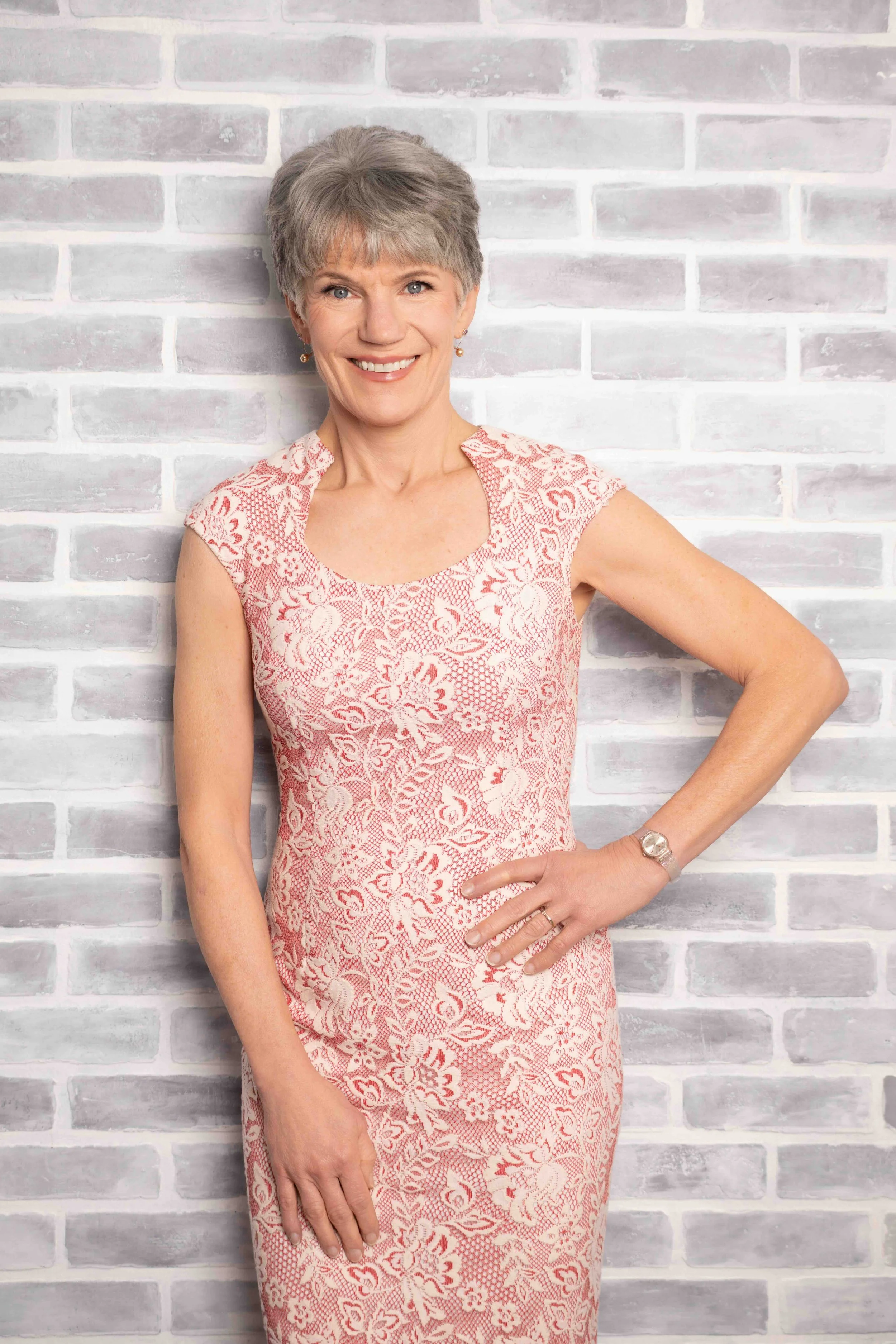
Reverse Type 2 Diabetes with Peggy Kraus
Rip sits down with Peggy Kraus, a clinical exercise physiologist and diabetes care specialist with over 30 years of experience in cardiac rehab.
Peggy shares how she moved beyond conventional nutrition advice to embrace a fiber-centric, whole-food, plant-based approach—helping patients reverse type 2 diabetes, lower A1C levels, lose significant weight, and reduce or eliminate medications.
They discuss why cutting carbs misses the point, how fiber stabilizes blood sugar, the role of movement after meals, and why community and accountability are essential for long-term success. This episode is packed with real stories, practical strategies, and hope for anyone navigating diabetes, heart disease, or metabolic health issues.
Key Takeaways:
Why only 7% of people with type 2 diabetes are referred to education—and why that matters
How fiber helps reverse diabetes and heart disease
The truth about carbohydrates vs. “carbs”
Blood sugar, A1C, and the power of the 10-minute move
Food synergy, the microbiome, and whole-food nutrition
Community-based healing and sustainable behavior change
Breakfast timing, circadian rhythm, and metabolic health
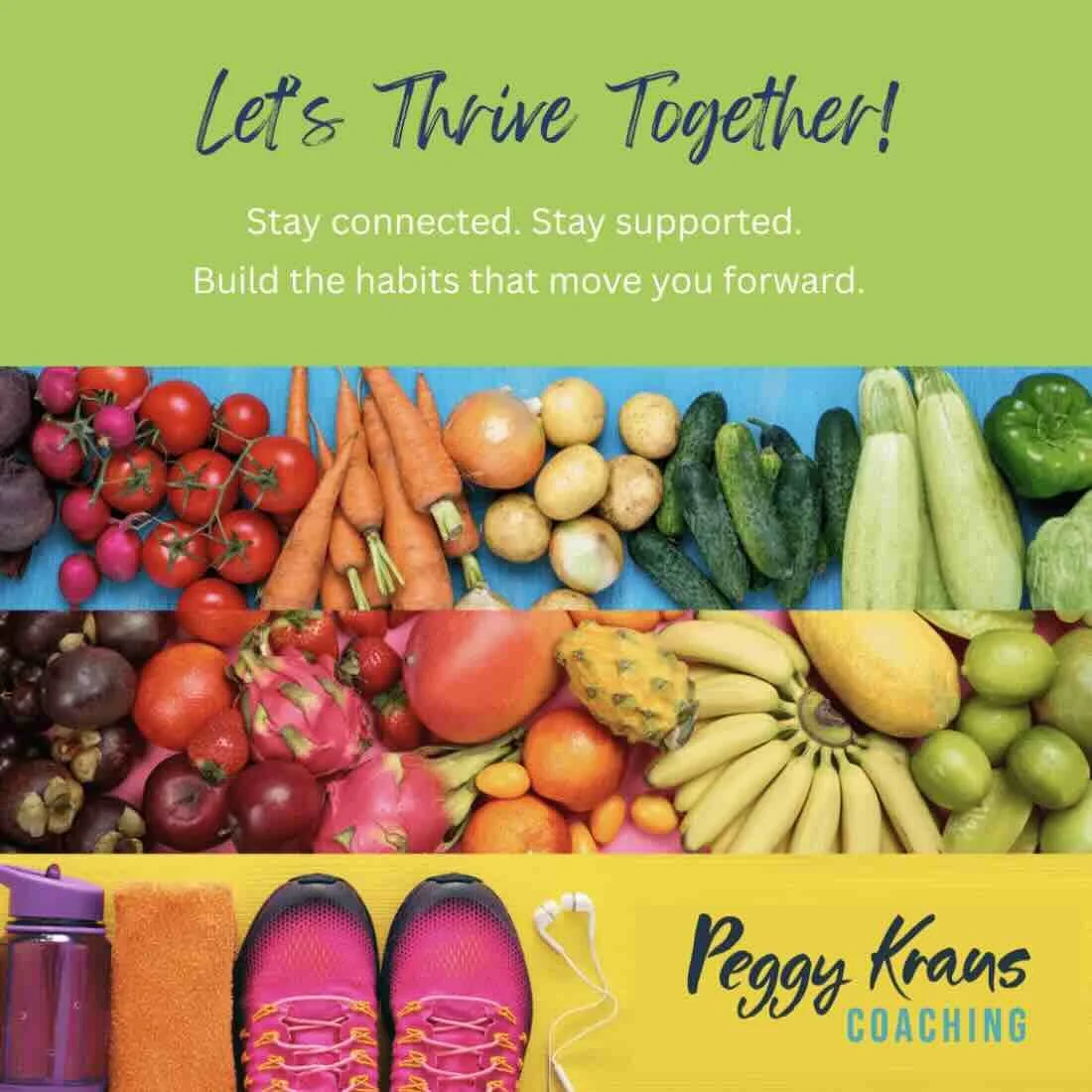
Learn more about Peggy’s coaching programs and community
Episode Resources
Watch the episode on YouTube: https://youtu.be/T4VUJRjqgKw
Peggy's website: https://peggykraus.com/ - and exclusively for our Plant Strong Podcast audience - Join Peggy’s Thrive program for just $147 for six months, or a full year for $297. And, if you’re interested in “Peggy in my Pocket,” it’s $10 for the first month, just to try it out. And then it'll renew at $17. Or, you can try a whole six months for just $57.
We hope to see YOU at one of our 2026 Live Events! https://plantstrong.com/pages/events Use code: podcast to receive early bird pricing
To stock up on the best-tasting, most convenient, 100% PLANTSTRONG foods, check out all of our PLANTSTRONG products: https://plantstrong.com/ Use code: podcast to receive 10% off your first order.
Give us a like on the PLANTSTRONG Facebook Page and check out what being PLANSTRONG is all about. We always keep it stocked full of new content and updates, tips for healthy living, and delicious recipes, and you can even catch me LIVE on there!
We’ve also got an Instagram! Check us out and share your favorite PLANTSTRONG products and why you love it! Don’t forget to tag us using #goplantstrong 🌱💪
Episode Transcript via AI Transcription Service
I'm Rip Esselstyn, and you're listening to the Plant Strong Podcast.
Introduction to Peggy Kraus
[0:05] My guest today is someone who has powerfully been changing lives for many decades. Peggy Kraus, a clinical exercise physiologist, diabetes care and education specialist, and a fierce advocate for fiber-forward, plant-rich living. Peggy has worked in cardiac rehab for over 30 years, and along the way, she saw something very troubling, a revolving door of medications, procedures, and repeat hospital visits with very little emphasis on the root cause. In this episode, Peggy shares how she shifted the conversation from managing disease to reversing it using food, movement, community, and a curious mind. We talk about diabetes rescue, the power of fiber, why carbs aren't the enemy, and how simple daily habits can radically change health outcomes. This is a hopeful, practical, and deeply empowering conversation, and we'll get to it right after these words from Plant Strong.
[1:30] If you've never stood in Sedona at sunrise on a vortex, you don't quite understand what perspective feels like. In late September, we're going to gather in one of the most breathtaking landscapes in this country for what many people call the most transformative week of their year. Sedona isn't just a retreat, it is an experience. Morning hikes among the red rocks, Shared meals that remind you how vibrant real food can be. Conversations that stretch your thinking. Moments of play, laughter, crying, and unexpected insights. There's space to be curious about your health. There's space to reconnect with your body. And there's space to get clear on the life that you actually want to build going forward. If you're ready for connection, clarity, and a little bit of awe, no, make that a lot of awe. Join us in Sedona this September. You're going to find everything that you need at PlantStrongEvents.com.
[2:43] There's a version of you five years from now, more energetic, clearer, stronger, proud of the habits that you built. And there's another version, the one that kept meaning to start tomorrow. The difference between these two futures isn't dramatic. It's daily. It's what you reach for when you're busy. It's what's waiting in your pantry. It's what you normalize. Plant Strong Foods are built for real life. Delicious, satisfying meals made from real whole plants without added oils or refined junk. You don't need perfection. You need repeatability. Stock your kitchen with food that aligns with the person that you're becoming. Visit plantstrong.com and make your health routine something that you don't have to think twice about. Keep it Plant Strong.
Welcoming Peggy Kraus
[3:47] Peggy Kraus, I want to welcome you to the Plant Strong Podcast. It's great to see you. Thank you so much. It's been a long time, actually, since I saw you last. Well, help me out. When was the last time that we saw each other? It was in 2014 when you were our honoree at Wellness Foundation's Summer Benefit. And you came out to East Hampton and we honored you with the Illumination Award. And you were out with Jill and your family and it was a great day and it was just a lot of fun. You did your little dance on the platform. Now do you remember? I remember. I definitely remember Doug and Pat Mercer, obviously the Wellness Foundation, all the great work that the wellness foundation did to spread the message around, you know, whole food, plant-based nutrition. I remember speaking, uh, that evening. I don't remember, I don't remember doing a dance, but yeah. And, and I have to, before I forget, I owe you big time because when you came to East Hampton middle school and you talked, I don't know how many people. We had 40, 50 people. And you made that huge salad. Do you remember that? But you talked about plant-based diet. You talked about exercise. You talked about self-care.
[5:16] And I had my two boys there. So Lucas was 16 and Willie was 12. And so Willie didn't really get it. But Lucas, like you made such an impression on him.
[5:29] He was a wrestler and he wanted to be strong and healthy. And Within a couple of years, totally plant-based, totally. So today he's a personal trainer, boxing instructor. So he is fit as a fiddle and he eats his plants and he's just as strong as can be. So thank you. Willie's still moving along the path there. He'll get to it sooner or later. He's happy to eat what I cook at home, but thank you. Oh, you are so welcome. and I'm glad that it was impactful for those boys. Wow. Tell me, so speaking of impactful.
[6:15] What happened in your life that you decided that a whole food, plant-based nutrition was a good thing for you? So my first... Any contact with plant-based nutrition came from Doug Mercer. So I was giving a super size me talk at a local library and Pat and Doug were there. And after the talk, Doug came up, introduced himself and told me about Wellness Foundation. And I had no idea about plant-based diet. So, but it was intriguing to me. So that was in 2006, maybe. And he, and I just, I just kept my ears open. And, and I started reading the research and he was right. So, and in the meantime, I had been to a couple of things and it was your father that really started me on, on the journey. So your father spoke at East Hampton Middle School, and he was the one with his charts and his graphs and his fancy stuff that I did not need to eat meat to be strong and healthy.
[7:38] I didn't really, meat was a lot of work just to get it into my mouth between chopping, cooking, cutting. So I was sort of happy to give up meat. And then a couple months later, I read the China Study and that sealed the deal. I was poisoning with my family with chocolate milk in the sippy cups. Yeah. Yeah. And, and that, that was it. So after that, I, I just followed prevent reverse heart disease. Yeah. And I was on the move. I was on the plant-based journey. What was your profession? What were you doing when you kind of bumped into Doug Mercer, heard my father speak in 2007? Were you in some sort of a field related to health and wellness? So I am a clinical exercise physiologist. I've been in cardiac rehab for 30 years. So I was doing that back then.
[8:40] Since then, I've become a certified diabetes care and education specialist. But that wasn't where I was when your dad hooked me. So it was all those cardiac patients that come in to cardiac rehab. And your dad was right. I'll get back to that in a minute. but they come in and they go through the program and then they come back. And I remember the first time we had a repeat patient, I actually went up to him and I said like.
[9:18] What is it that we didn't do that now you're in cardiac rehab again? And subsequent to that, I had a call. I called your dad. I had to call his service or whatever it was. And he called me back. And he said to me that cardiac rehab doesn't really teach them what they need to know about not having another stent or bypass or heart attack. And so that really sort of opened my eyes. My original question to him was about the Coumadin. Like, how can I get my patients to eat more greens when they tell me they're on Coumadin? So that was the initial call. But then we talked a little longer. And he just, he was just, this is cardiac rehab is doing a great job, but it's not. Cardiac rehab is doing a job, but it's not a great job. So since then, I have, I've really put.
[10:15] Lots of energy into getting patients to eat more plant-based, but I have to say that I wasn't welcome with open arms and my ideas of plant-based diet at cardiac rehab. I was actually, twice, I was sort of scolded by administration for not promoting American Heart Association diet, but the hospital has come a long way. And our, um, our CEO, president CEO at the time, he took the wellness, wellness challenge, which we'll get to, but which, which, um, I taught, uh, for wellness foundation for so many years. So the president CEO took the wellness challenge. He learned about plant-based nutrition and that said everything. That's when, when things changed for me. So I teach more fiber. I teach people to eat more fiber and less fat. I don't call it a plant-based diet because I say more plant-based. I don't call it plant only. I don't call it plant strong. I teach more fiber, less fat, and more plants. Yeah. Yeah. So it's a fiber-based diet.
[11:33] Yeah, you do what you got to do to get the point across. Oh. And that seems to keep the registered dietitian at bay. She and I have not seen eye to eye several times. So yeah, it makes everybody happy. High fiber, low fat, all good.
[11:52] So you mentioned that for 30 years, you've been in, I think, cardiac rehab. Are you still in cardiac rehab? Still in cardiac rehab. Okay, yeah. Um, and so before you met my father, um, What were you like? What does what did the cardiac rehab protocol look like before you met my father? Was there anything around changing what you put in your mouth or was it just movement, exercise, stress reduction? What was it? No, we did. We did talk about diet, but it was American Heart Association diet. It was less beef, more chicken and fish, low fat dairy, two eggs a day. Right? That's what it was.
[12:35] Let me ask you this. Back then, was the American Heart Association, kind of suggestion 7% of your calories or less coming from saturated fat? I think it was 10. 10. Because I think it's 7 now, if I'm not mistaken. And it's really hard to get under 7% if you're doing any kind of animal products or animal byproducts. Absolutely. And those people coming into cardiac rehab, their diet was way more than that. I mean, or else they wouldn't be there. Oh, come on. I mean, probably upwards of 15%, 20% saturated fat. Exactly. Yeah. And so are you more in alignment now with the dietician when it comes to that stuff? or are you still playing it fiber, you know, fiber centric? I exactly fiber centric. My one of my coworkers, she she's plant based. So that's helpful is that I have somebody else on my team. My, my manager is supportive that this is high fiber, low fat, and it's, Um, yeah, it's the way I'm getting, I'm, I'm getting it done. You know, when, when I hit a roadblock, I had to dig another tunnel.
[14:03] That's right. Got to figure it out. I love it. You know, um, are you, where did, were you born and raised in New York? Yes. I grew up in Queens, Queens. Yeah. And now I'm on Eastern Long Island. Yeah. You've got a great, uh, New York accent. Do I? You do. You totally do. Okay. So you then, I'm just trying to get back to your kind of journey here. So you met Doug Mercer, and at some point, you got immersed with the Wellness Foundation, right? That's right. So I think I came out to, they were hosting maybe Dr. Joel Fuhrman. And so the more I was attending their events.
[14:57] Jen Taylor and I became friendlier. And when they had the opportunity, Jen said, when I have the opportunity to hire somebody, she said, you're it. So that was in 2010, I stepped in to start teaching the Wellness Challenge, which is back in 2009, you came out. That was the first time, I think, out to Eastern Long Island. Do you help us to kick off the Wellness Challenge? Yeah. Right? Right. And it took a life of its own. So meaning that, so you were on our advisory council, along with your dad and- Jill Furman, Colin Campbell.
[15:41] Yeah. Right. Dr. Barnard, exactly. And so we had the input of the people who actually did the research. We just didn't have the research. We had input from the people who did the research, Right. So it was like the golden opportunity for for me, for us to be able to deliver this message about plant based diet and the benefits. And who who better to learn from and to work with than than you and your your plant based pioneers? Yeah. Yeah. All right. Yeah. So speaking of Jen Taylor, Jen was the executive director for a number of years, wonderful human being. Actually, she's the one that actually wrote me and said, hey, Rip, you really should consider having Peggy Krause on the podcast. And I was like, yes, that would be wonderful.
The Revolving Door of Healthcare
[16:40] So give me your philosophy, Peggy, around this revolving door of prescriptions, procedures, doctor visits, and how you think we can best mitigate that.
[17:04] That's, that is a whole big hullabaloo. So how do we mitigate it? We got to just, I think that it's starting. I think that people are starting to take responsibility. They are, they don't want to take pills. They don't want, there's like two camps around the whole injectable weight loss drugs. I don't want to do them or give me the drugs. So I think that we have to latch on to the people who want that freedom from medication. They want the freedom from procedures. They're tired of going to doctor's visits. We just have to tell them that there's an option. And yeah, those are the people that I want to reach. So this is going to surprise you that according to CMS, Center for Medicare and Medicaid Services, only 7% of patients.
[18:02] When they're diagnosed with type 2 diabetes, are given a referral to a diabetes specialist like me. So only 7% get even a referral to diabetes education. So that means 93% have no idea that there's help out there for them to go home and manage this disease. Um but i'm i'm out there to tell them that they can reverse type 2 diabetes right so.
[18:37] How how i came on this reversing diabetes thing um i had a colleague at the hospital oh yeah another colleague at the hospital but she was the diabetes educator and she had a program called living with diabetes so i thought well how silly is that i want i want to teach people how to reverse diabetes. I want them to erase diabetes. Living without diabetes. What an idea, right? So that, at the time, that's when I was getting my certification for diabetes care and education. And I developed this primary care office-based program called Erasing Diabetes that I I, when I got a diabetes referral, I taught them high fiber. I taught them plant-based nutrition and exercise and all these other strategies to lower their blood sugar. And by George, some of them, the ones that actually cared, did it. For instance, my first, my very first diabetes patient, scared to pieces that he got this diabetes diagnosis. So his A1C was 8.1%.
[20:01] Would do anything. So I said, look, we can do this, the American diabetes association way and blah, blah, blah, blah. Or we can do this, the plant-based way. And, um, He said, you know what, I have some people in my family, a vegetarian, let's do this. He followed to the letter what I asked him to do. And within 12 days, off of his diabetes medications, he was having hypoglycemia at night. And you have to call your doctor, you've got to get off these meds. So eventually, so he had blood work three months later. And not only had he lost 20 pounds and he stabilized his forever high liver enzymes, but he lowered his blood sugar, his A1C to 4.4%. His doctor had never seen it so low. So here's someone that wasn't really, you know, he had type 2 diabetes, but he wasn't, his A1C was only 8.1 and he went down to 4.4. So yeah, he reversed type 2 diabetes. I had a fellow.
[21:11] Evan, let's see, he went from 429 pounds and an A1C of 12.9, 12.1. So it took him seven months to lower his A1C to 5.3. And then over COVID, he just put his pedal to the metal and he lost the last 10 pounds. He finished off at 190, right? He lost almost 240 pounds and his A1C was 4.8. Like, awesome. How long did it take him to lose that kind of weight? It took him almost two years. Yeah. Yeah. Yeah. I mean, hey, that's monumental.
[21:55] Awesome. How much weight? 200 and what? Almost 240 pounds. It is, yeah. So that, it takes time for some, but I had another fellow, he started at 278 pounds and his A1C was 9.8.
[22:15] In three months, three months, he lost 70 pounds and his A1C was 5.6. Yeah. So I noticed that you've got a, you have a program, you have several programs and I want to talk about those. But since I think it's very apropos that we talk about your diabetes rescue program, and I think it's probably no coincidence that the length of that is three months. And I suppose that's because that's the shelf life of the red blood cells and the sugar that's hanging on to them. Is that, is that correct? That's right. Exactly. Yeah. So if you're going to be getting a follow-up A1C, uh, compared to a baseline, you want to wait three months. So that's, that's, that's phenomenal. I mean, those A1Cs, Peggy, are, you're, um, you're getting some really wonderful movement. I mean, we're talking like from, you know, pre-diabetes or, you know, full-blown diabetes to under 5.7. Now you're really not considered diabetic any longer. No diabetes. We go from diabetes to no diabetes. Yeah. Yeah.
[23:27] And that's, and that's, and are most of these people coming off all their medications? So i had most of the time but i um it depends on what they start out with like i had a fellow who started out at 300 and 304 pounds he woke up one day he wanted to weigh what he weighed in college 180 pounds and this is he and his wife were retired um early 70s.
[23:57] He had prediabetes, he had high blood pressure, but he also had congestive heart failure. So he came off of all of his meds except for one blood pressure pill that he needed to maintain because of the congestive heart failure. So while they come off a lot, they don't always come off all. Hmm. Is this your diabetes rescue program, does it start every three months? And is it community-based or is it one-on-one based? It's held over Zoom, so it is community, which is a huge reason for why it's so successful. Held over Zoom, we do a meeting every week, a Zoom every week, and I don't require blood work, but as people with diabetes tend to have every three months, every six months blood work. So I'm, When we're not on Zoom, I have a private discussion room and that is like, it goes like fire. People are in there and they're posting, they post their goals, they post their food.
[25:08] And it's this group accountability, a group support. It's accountability of the group on Zoom in the discussion room and then like access to me. But I wrote two books for Diabetes Rescue, which, so I wrote the, I guess you could call it the why, the what and the why in one book. And that gives a lot of the information about the food and why some food contributes to diabetes and some food reverses diabetes. And the other book is the Rescue Me Matrix. And that is the food plan. So that is the how.
[25:53] So that I have a two-phase. My food plan comes in two phases. The first phase is super simple, super simple. These are the five things I want you to eat. You don't have to eat only those five things, but I want you to base your meals on these five things. You can add condiments, and you can add things like tofu or tempeh or avocados. But these are the five things I want to eat. So people have told me how super simple it is. And while they're making the other lifestyle changes, that having a simple meal plan is awesome. So once people... Get used to that and they get used to eating the potatoes and the rice again that now they're allowed to eat, right? They used to, they were, once they were, um, forbidden, um, to eat that. Ostracized.
[26:51] They're loving their potatoes again. And, um, so, and then I have like a more traditional meal plan with menus and, and recipes and things like that. But the first, the first part of the meal plan is just eat these five foods. Well, so I know you have a, so you have three programs. One of your programs is five to thrive. Um, and it's kind of more of an introduction to plant-based living course. You've got, as we just been talking about, you have your diabetes rescue, which is that three month intensive. And then you've also got your, your, your thrive community. And I would imagine it's just people that have gone through either the five to five to thrive or the Diabetes Rescue, and now they still want to remain part of the community. Is that accurate?
[27:38] Exactly. So what I noticed over the years, especially with the wellness challenge, was that we met weekly, we had support, we had accountability, we had plug-in to your teacher with me, but then we dropped them like a hot potato. They graduated, the program was over, and they fell off track, right? They got off track and it was hard for them to just maintain it. So I was halfway into my first round of Five to Thrive and I thought I got to do something about that. So I created Thrive and Thrive is the ongoing community. And it's really cool how it's set up is that there are these 10-day challenges that come every six or eight weeks. And in the 10-day challenge, We start off on Zoom and we talk about, new information, new science, fresh habits. We talk, there's this wave of support that comes with the group and we set goals. So we set goals for 10 days. What are you going to focus on? Is it exercise? Do you need to get, do you need to clean up your diet? What is it going to be? And then at the end of the 10 days, we meet back on Zoom and we talk some more about focus information, habits, how did it go?
[29:01] But the whole time, those 10 days when we're not on Zoom, we're in the discussion room and we're posting. And I have such a great group of folks in Thrive right now that they are so supportive. New people come in and they're like, you found your people. This is your place. You can be happy here. So yeah, so Thrive is ongoing. knowing it's um it's something that i wish that i had when i was 2000 what you too no no i'm saying no i mean i think anybody anybody would would want a community to be a part of absolutely yeah yeah right it's a bounce idea so i mean i wish i would have would have had that i i mean my community when i was starting out my community was you know my parents right and and an se uh Because there weren't too many of us back in the late 80s. Yeah, that's true.
[30:03] And so you also, do you have private coaching as well? I do. I do. Yeah, some people I found are just not into the group thing. They want their own pace. They want privacy. So I do that. And some of those people fold into Thrive as well. Yeah, yeah. I would imagine that, I mean, you have a slew, an absolute slew of success stories. And I just, I mean, do these success stories, do these testimonials, are they still part of the community? And are they kind of advocating for this lifestyle? I would imagine they're the best people that can, you know, besides yourself can really sell the lifestyle. So people tend to fall away, even though they're on track. You know, they move, like, for instance, Peter, who was off of his diabetes medications in 12 days. I mean, that was 2014. You know, since then, he's kind of done, he's doing his own thing. But I have new success stories. So now I can tell you about Marion, who lost 30 pounds in a year. She went through Fives to Thrive. She did Diabetes Rescue. Now she's in Thrive.
[31:32] Also part of Peggy in My Pocket. So now there's a program that I am, it's just about to hit my website. So, but Peggy in My Pocket is a daily text I send. And it's one text every day um it could come in the morning could come in the afternoon depends on what the text is it's either a diet tip or it's a movement nudge or maybe a mindset reset, and um it's sort of like this micro coaching program yeah people get the text and accountability it's a reminder hey my health matters but every once in a while i send a little check-in how are you doing? And people can text me back. And I can't really do a whole lot of coaching over a text, but still it gives them an accountability method or partner. And they can say, things are great. Or they can say, I'm stuck. And I can text back with a little bit of, And I could say, join Thrive. Yeah. Yeah. I really think that's ingenious. Peggy in my pocket. That's good. It's a fun alliteration too.
[32:50] So I have a series of questions that I want to ask you. All right. Let's start with this. Okay. So how long would you say you have been waist deep in the fiber-centric diet?
[33:13] 2008. Since 2008. Okay. So you're coming up on like 16, 17 years. And what's your philosophy around breakfast? I know that there's so much swirling around there with intermittent fasting and skipping breakfast, eating breakfast. Where have you fallen?
[33:35] I used to think that eating breakfast later was okay, but now that is not my recommendation. I think that there's too much research that's come out very recently that points to the fact that breakfast is important. And for me, I teach that it's all about the circadian rhythm. Get up in the morning and we um get sunlight we eat it's time to work it's time to be awake and that and by eating first thing it helps to support that because as the day moves on and now three four o'clock in the afternoon right when the day is winding down we should that should be our last meal. We're slowing down. We're heading into evening hours. We're finishing food, right? And then we can get to sleep on time because the sleep habits in America, like really awful. Yeah. Right? So my theory, well, my philosophy is that eat breakfast early and finish dinner at least by six o'clock. Wow. Finish by six. Don't get started by six. Exactly. Wow. I bet you not even 2% of American homes do that. But that's interesting. That's an interesting challenge. Yeah. Wow.
[34:59] What are your thoughts on movement after meals?
[35:06] So I encourage people to do what I call the 10-minute move.
[35:11] So 10-minute move, I want you to move for 10 minutes after you eat. So after every meal, put down the fork and go, whether it's for a walk, hop on your exercise cycle, stand in the kitchen, swing your arms, whatever it's going to be. but burn those calories first. Burn those calories before your body decides to store them as fat and get that blood sugar, get that sugar out of the blood and into the cells. And research supports 10 minutes of movement after every meal. Right. Right. And I've also read that it can help reduce blood sugar spikes by 22%. And I would imagine that that is probably a very important pillar in your diabetes rescue program.
[36:04] Yes, absolutely. Actually, there was a woman that went through diabetes rescue and she said that she's convinced that her blood sugars are normal now because of the 10 minute move. Wow. Yeah. It's, um, it's interesting. The last, uh, you know, twice a year we throw these six day retreats and we just had one about a month ago. There was some construction going on because the bridge that we normally walk to from the dining room to our, um.
[36:41] To our auditorium got swept away with the flooding. It was in Black Mountain, North Carolina about a year ago. So we had to walk around and it was almost exactly a 10 minute walk. And it's amazing how much we had about 85 people, how much everyone enjoyed the added walking every day. I mean, we were getting probably upwards of four miles a day just because of this, this kind of detour that we had to make. It was something else.
[37:15] Yeah. It's built in. Perfect. Exactly. Built in. What is, what is your favorite go-to breakfast? Do you have one? I do. And it's not the traditional breakfast. I eat a chickpea mash sandwich on sprouted grain toast every morning. Wow. Yeah. So I usually eat two breakfasts. So my first breakfast is it's either arugula with sun-dried tomatoes and lots of smoked paprika and hummus on sprouted grain toast. Or I have this other recipe. It's the chickpeas with carrots and scallions and hummus on sprouted grain toast. So that's – if I don't – yeah. I'm –.
[38:07] Oatmeal is usually my second breakfast. When I don't have the chickpea mashup, I didn't make it for whatever reason. Then I'll have oatmeal for my first breakfast. How did you get to be a fan of having a sandwich for breakfast? You make it sound so unconventional. Well, but that's how you painted it when you started. It is unconventional. It's the savory breakfast. Um, I don't know. Well, I know that I did get the recipe. Jen Taylor brought that recipe with the sun-dried tomatoes and the arugula to a luncheon that we had. We were celebrating something at Wellness Foundation. So she brought the recipes. She brought the sandwiches. And I thought, whoa. Where do you get your sun-dried tomatoes from? Like what form? Are they in a jar? What? I get them at the farmer's market over here. And they're not packed in oil. I don't like that. Um, they're just regular, um, and they're, they're moist and they're packaged in like just a little, one of those deli containers, little pint size thing.
[39:19] All right. So, um, you know, what usually goes really well with sandwiches is soup. Are you a fan of soup? I love soup. Yeah. It's like the healthiest way to eat your food, right? Or you're, you're, you're cooking, you're, you're, um, maintaining or keeping all the, all the nutrients, nothing gets lost. Um, I am definitely the carrot soup by my mother's old recipes for bean soup. Um, I don't know. Yeah. I just love it. Yeah. What are your thoughts on gratitude? I saw a post that you did on Instagram where you said that gratitude can change everything, including, uh, being a health strategy. Um, yeah, we know that being, uh, you know, being thankful and, and, uh, is, is, is good. It's, it's lower stress. You can lower blood pressure. Um, can reduce inflammation. Like that's, that's a strategy, right? Yeah. Yeah. It's a good one. It's a good one. Really good one.
[40:20] All right. Let, let me, I'm going to continue to throw out some, uh, some, some quotes here. I see that you have said, and I want you to explain this, cut the carbs, but keep the carbohydrates. I find that to be a really interesting, fascinating quote, especially in light of where we are in 2025 with everybody bashing, you know, carbohydrates. So explain yourself, Peggy. Yeah, that makes me nuts too. That's why I wrote the post. So we shorten carbohydrates, we shorten that to carbs. Just like we take a potato and we pull out all the good stuff and we make a potato chip. So this potato becomes a potato chip, just like carbohydrates becomes carbs. So I liken carbs to junk food that no longer has its, good stuff it's quality it's good qualities so i liken carbohydrates to junk food like but carbohydrates are the whole food it's the whole world the whole word and that's what brings us good health so don't it makes me nuts when people says oh i'm i'm i'm not eating carbs like what are.
[41:45] I do a little bit of soapbox. Like, hey, those are carbohydrates and they're really good for you. Not the ho-hos and the twinkies. Yeah. What kind of a battle are you finding you're having with some of your diabetes rescue program clients when it comes to getting them to eat fruit again? Oh, dear. oh, I can't eat fruit because it's got too much sugar. That's what they tell me, right? Or the worst is even carrots. Oh, I can't eat carrots, too much sugar. So how I handle that is that, yes, fruit has sugar.
[42:29] Fruit has carbohydrates, right? Fruit, sugar. But the reason why that's okay and why it's good for you is because you're also getting the fiber. If you were to remove the fiber and just get the carbohydrates, fructose, that's not good. It's the fiber that slows down the way the sugar hits the stomach so that your blood sugar is happy. If you take away that fiber, the sugar would just hit the stomach and then blood sugar would explode. So always make sure you get the fiber. And as far as the carrots, just eat the carrots. Yeah. And so, I mean, are you finding that your clients can listen to you and then start eating fruits and carrots and good carbohydrates again? Yeah. Yeah. Yeah. Sometimes I have to start out because I can't give them all the information right away. And I say, look, you just have to trust me on this. This is my experience. This is what I see happen. This is what's in the research. We know that people who eat fruit, plenty of fruit every day, their blood sugars are lower. They have lower risk for diabetes, lower incidence of diabetes. Just trust me until I can give you all the information. Yeah.
[43:57] I just had a thought pop into my head and I want to ask you this because earlier you mentioned that of those that are diagnosed with diabetes, only about 7% get referred to a, did you say it, somebody, a diabetes specialist? How did you refer to it?
[44:13] Diabetes care and educational specialist. Okay. Diabetes care and educational specialist. But in your opinion, what percentage of those 7% are actually advocating for a fiber-forward, whole food, plant-based dietary pattern. I don't want to sound cocky, but the ones that...
[44:41] IReach so the ones that come to me they are they i don't i don't see it in in other programs um i know that there are some people in our plant-based circle that certainly um um encourage more fiber and that's great that's great but as far as the people that i see or the programs that i see in in primary care or otherwise man i don't see people advocating for for high fiber diets hmm do you do you know um robbie barbero or cyrus cambada with a mastering diabetes program yeah i do and of course yeah they're i actually took their program because i wanted to learn from them yeah so several years ago i took a whole year and i learned from their they and it's awesome um it's awesome yeah good for you love love your open mind um so you are a you know this is a A wonderful time of the year because we have the trees that are changing. I was just up in the Northeast visiting my parents for Thanksgiving. We have all the wonderful leaves that are changing. You're a fan of leaf peeping. Why? Other than it's beautiful.
[46:00] It's interesting because there's research that's that says that if you actually look at the shapes of the leaves that that is stress reduction so it's not just the colors but it's actually the looking into the um into the the the foliage the the the leaves yeah and the shapes of the leaves and the different, different, um, uh, shapes. Mm-hmm. Can encourage more of the stress reduction.
[46:36] Do you live in a place where you get to walk amongst trees? I do. I do. I'm lucky. Yeah. We have a, I live on a sort of a main-ish street maybe from my town, but I'm 30 seconds away from a nice country road. Good. Get to take those nature baths. Yeah. Leo and I, we go for walks. Leo's my, uh, my, uh, my, my mutt dog and he's just great. And we go, we go jogging, walking, nature, bathing. Exactly.
[47:11] Well, and I know that Leo is a huge fan. His main protein source comes from chickpeas, doesn't it? he loves them he does oh my gosh he loves chickpeas um tofu oh my gosh i i had tofu not too long ago with uh with the stir fry yeah and um you know and you know how you're not supposed to feed your dog off the table and we don't usually well i thought that it'd be interesting if leo got a chance to taste tofu he liked it oh my gosh yes and and essie they you know, we've always had black labs in our family. It's just been, you know, historically the kind of dog that our family has. But we had one, his name was Zeus. And Zeus is one of his favorite things was when Anne, when she would finish stripping her kale, she would give Zeus the kale stock and he would just down them. That's great. Before Leo, we had a dog, Icky and Icky would eat lots of vegetables, but because we're Yankee fans and she wanted to support the Yankee tradition, she would not eat Boston lettuce. Not look at it, but she would refuse to eat it. That's funny.
[48:37] What do you say to this? Calories don't heal. Micronutrients do. Agree. Agree. Yeah. That's one of my things. I try to get people off of calories. I don't count calories. We don't count fat. We watch micronutrients. How much are you getting? How deep is the color of your vegetable or fruit? And because that's a good indicator of what actually you're eating as far as micronutrients. So I agree. And so I think a really good indication that you're getting a lot of micronutrients is your plant diversity, right? All the polyphenols and the antioxidants and obviously water and fiber and vitamins and minerals. It's very, very, it's so simple.
[49:32] It seems to me and you, the path that we can follow to heal ourselves. Agree, agree. And a lot of my teaching, I start with the microbiome. And we talk about the microbiome and why diversity is important and diversity in food because that increases the resilience of the microbiome. And then we talk about how do all of these things that we do, whether it's the food or the exercise or stress management, how does that affect the microbiome? Because that's where health opens. Yeah.
[50:13] So you, like me, you have helped thousands and thousands of people kind of reclaim their lost health. When you're working with somebody, do you feel like, what do you think is the most important attribute that somebody can come with when they're joining any one of your programs?
Embracing Synergy in Health
[50:41] An open mind open mind how many people i have have i had to drag to their health because i've had to debunk all the myths, and um i i love my my ideal uh client is somebody who, who just is is open to it look what you're doing is not working or else you wouldn't be here so let's try something else so yeah i want i something i want a clear slate or at least somebody that like like peter my first diabetes patient said you know what my family there's some vegetarians there i'm i'll try it so there was some sort of similarity somewhere where it wasn't maybe just all far into them that they could say okay you know this is enough like such and such I'm going to try it. Mm-hmm.
[51:40] You also, I've heard you say that your body wants synergy, not separation. Do you know, like, what exactly does that mean? I guess that could be a lot of different things. So just like the holistic view, body wants to be considered as a unit, not a heart and a lung and lungs and wants to be treated that way. So when it comes to doctor's visits or wants to be treated like that, it wants synergy and synergy and food. It wants whole food. Like Dr. Campbell says that a plant-based diet is like a symphony. It's like all these nutrients working together. But when we start to separate things out, whether it's the heart and the ears and everything into their own, like it doesn't work that way. Just like we can't separate the vitamin C from an orange and expect it to do the same thing that it's going to do in an orange or a clementine. So synergy and not separation. Yeah.
[53:00] Very well said. Yeah, I know that there's been extensive research, for example, just to kind of double down on what you just said, showing that when you take, for example, things like beta carotene in supplemental form, it actually has almost no benefit. In some cases, it can be deleterious to our health. And so our body doesn't know what to do with it when it's in this isolated form. But to your point, when it when it sees it in this holistic symphony of vitamins and minerals and antioxidants and everything, it knows exactly what to do with it. And I think that's the brilliance of.
[53:40] Of whole food, uh, fiber centric, uh, uh, diets. Um, Peggy, what, what, and where can people learn more about you and your programming and all the great work you're doing? So probably my website and that's Peggy Kraus.com. So it's Kraus with one S PeggyKraus.com. And that's Kraus with a K. That's Kraus, P-E-G-G-Y-K-R-A-U-S.com. Yeah.
[54:15] You have such a wonderful glow and energy about you, Peggy. Thank you. Thank you. It's the plants. Yeah. It's the food like Dr. McDougall would say. And if I could just say, I loved your tribute to Dr. McDougall. Baxter Montgomery and John Robbins. John Robbins, exactly. That was very, very, very nicely done.
Closing Thoughts and Offers
[54:41] And certainly deserving for all of them. Thank you. Thank you. Peggy, this has been great visiting with you. I so love all the work that you're doing, the wonderful work that you're doing, the people that you're helping, and how you are so leaning into a fiber-forward, plant-rich business.
[55:08] Healing dietary pattern way to go thank you all right hey so can you give me a virtual plant strong fist bump on the way out before we go yeah one more thing i would love i would love to offer your listeners um a chance to uh get involved with me so i would love to offer them thrive a chance to get into into my ongoing program um so for a six months so six months of thrive instead of the full price, I'm offering $147 and, or for a year, $297. That's for the full year. And if they would like to get into Peggy in my pocket, if they want me in their pocket, $10 for the first month, just to try it out. And then $17, it'll renew at $17, or they can try a whole six months at $57 and they would love it. They're going to love it. But now I'm ready for the fist bump. Well, we'll be happy to put that in the show notes. Thank you. All that information in the show notes. Yeah, with how to contact you. All right, Peggy, it's time. Hey, keep it plant strong. Boom, boom, boom.
[56:22] I want to thank Peggy for her decades of care and research. And I hope you heard what I heard today, that our body wants to heal when we stop fighting it. If you want to learn more about Peggy's coaching programs and community, visit PeggyKraus.com. And that's Kraus with a K in the front and one S on the end. And I'll be sure to put all the details and special listener offers in the show notes. Thanks as always for listening and sharing these episodes. It is so fun to share the good news about plants. Until next week, remember to always, always keep it plant strong.