#361: The Whole Truth: Nelson Campbell on the Hidden Agendas Behind Decades of Health Misinformation—and What to Do About It
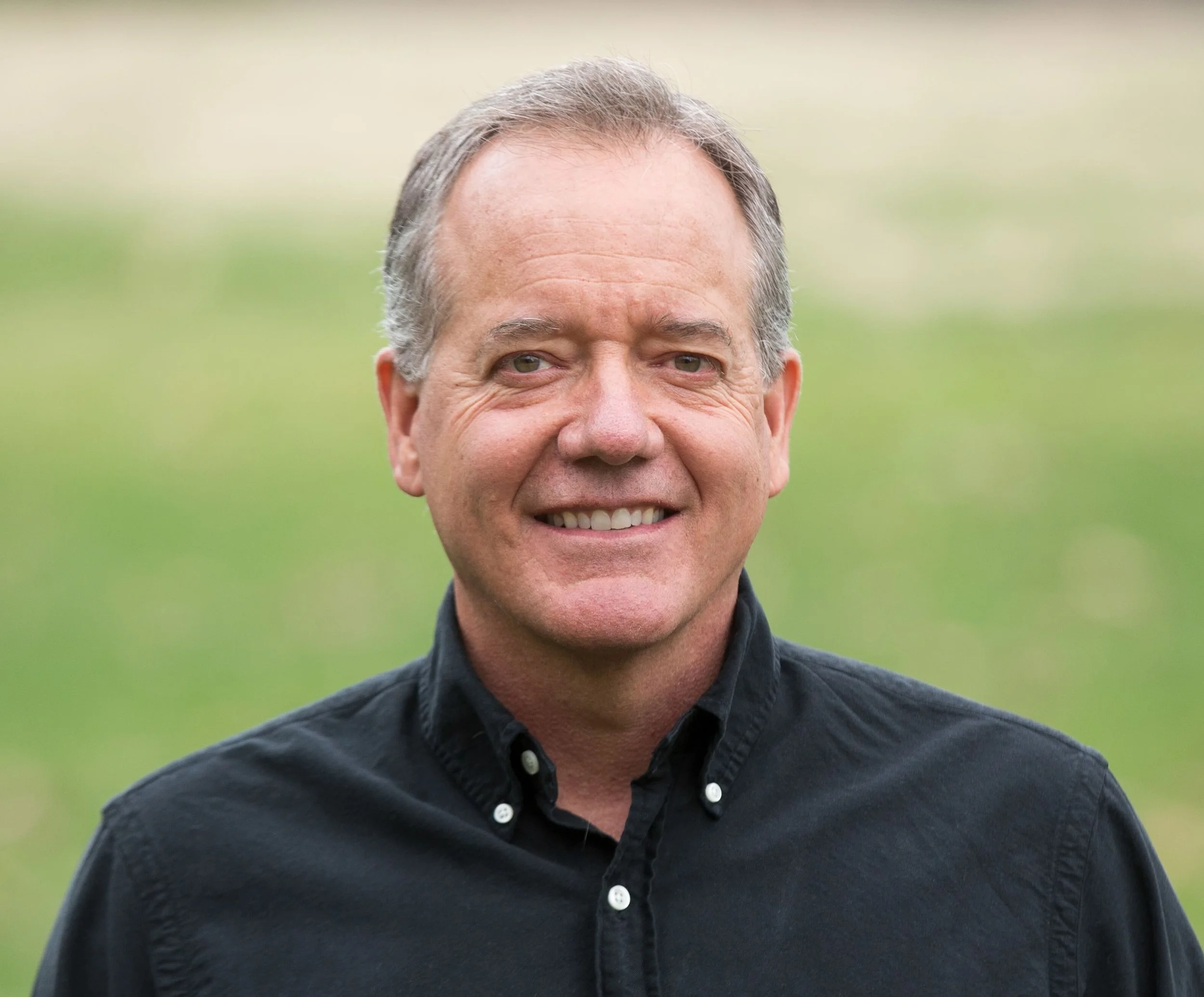
Nelson Campbell shares The Whole Truth in his new book
Nelson Campbell joins Rip Esselstyn for a deeply personal and powerful conversation about his new book with Dr. T. Colin Campbell, The Whole Truth: The Hidden Agendas Behind Decades of Health Misinformation—and What to Do About It.
Nelson reflects on growing up as the son of one of the most influential nutrition scientists of our time and watching his father’s groundbreaking discoveries meet resistance from industry, government, academia, and the medical establishment. He and Rip also discuss the parallel journeys of the Campbell and Esselstyn families, the courage of Dr. Campbell and Dr. Caldwell Esselstyn, and what it means to carry their fathers’ work forward.
This episode explores the suppression of nutrition science, the manipulation of public health messaging, the challenges facing the plant-based movement, and the urgent need for simpler, more compassionate, community-based approaches to change.
Nelson also shares the story behind his documentary From Food to Freedom, the rise of PlantPure Communities and the pod network, the lessons he learned in the plant-based food business, and why he believes the future of this movement depends on grassroots connection, youth engagement, and “heart-centered wholism.”
This is a conversation about truth, courage, family, frustration, hope — and what each of us can do within our own sphere of influence.
Key Takeaways
The story behind The Whole Truth and why Dr. T. Colin Campbell wanted to tell these stories now
How nutrition science has been suppressed, distorted, and dismissed
The personal cost of challenging powerful industries
Nelson’s experience with the documentary From Food to Freedom
Why the plant-based movement has stalled — and how it can grow again
The importance of simple, joyful, accessible messaging
Why community may be the most powerful force for change
What Nelson means by “heart-centered wholism”
How to turn righteous anger into meaningful action
Episode Resources
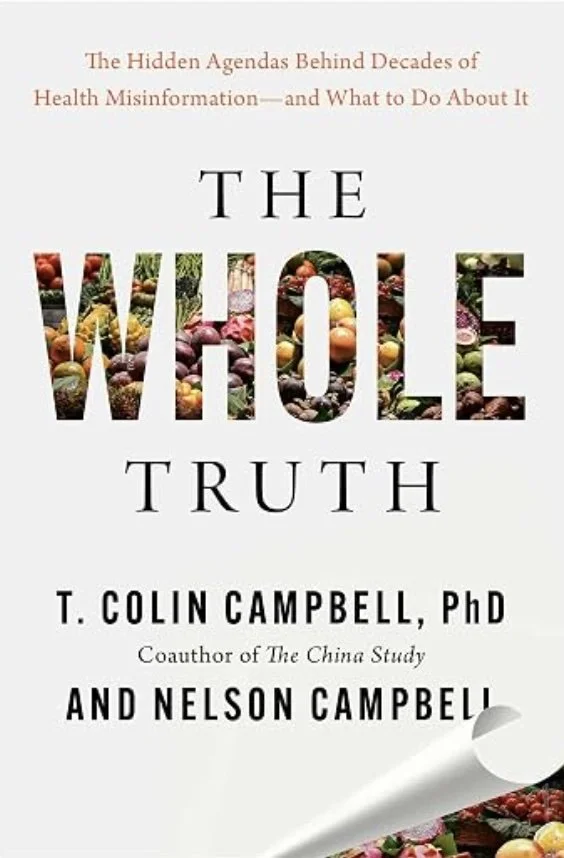
Order The Whole Truth
Watch the episode on YouTube: https://youtu.be/zNH3IaTP-pc
Order The Whole Truth
We hope to see YOU at one of our 2026 Live Events! https://plantstrong.com/pages/events
To stock up on the best-tasting, most convenient, 100% PLANTSTRONG foods, check out all of our PLANTSTRONG products: https://plantstrong.com/ Use code: podcast to receive 10% off your first order.
Plant Strong Meal Planner: https://mealplanner.plantstrong.com/
Give us a like on the PLANTSTRONG Facebook Page and check out what being PLANTSTRONG is all about. We always keep it stocked full of new content and updates, tips for healthy living, and delicious recipes, and you can even catch me LIVE on there!
We’ve also got an Instagram! Check us out and share your favorite PLANTSTRONG products and why you love it! Don’t forget to tag us using #goplantstrong 🌱💪
Episode Transcript via AI Transcription Service
I'm Rip Esselstyn, and you're listening to the Plant Strong Podcast.
[0:05] Today's conversation is a powerful one, and I will be honest, it's also a personal one. My guest is Nelson Campbell. He is son of the legendary Dr. T. Colin Campbell, author of The China Study, the man who coined the term “whole food, plant-based, “ and one of the most courageous nutrition scientists of the last century. Now, Nelson and his father have recently released a new book. It's called The Whole Truth, The Hidden Agendas Behind Decades of Health Misinformation and What to Do About It. This book unflinchingly pulls back the curtain on what has happened behind the scenes for decades, the suppression of nutrition science, the influence of industry, the manipulation of the dietary guidelines and the ways that food, pharma, and academia have too often failed the very people that they are supposed to serve.
[1:09] This conversation is part history lesson, part call to action, and also part tribute to two fathers, Dr. Campbell and my father, Dr. Caldwell B. Esselstyn, Jr., who have spent their lives standing up for the truth about food, health, and the body's miraculous capacity to heal itself. Nelson and I are proud to carry that torch. So get ready for a candid, heartfelt, and deeply important conversation with Nelson Campbell right after these words from Plant Strong.
[1:52] Before we get started today, a quick Plant Strong update. Our Sedona retreat that you've been hearing me talk about, it is late September, early October, and we are almost full. Last week, we were at 10 spots. Now we are at five spots remaining.
[2:12] And this is one of the crown jewels of our retreats. If Sedona has been calling to you, this is the time to listen. Join us for six days of nourishing food, powerful education, movement, community, and the kind of support that helps you reset from the inside out. And it all happens in one of the most breathtaking places on earth. And once these final spots are claimed, registration is going to close and you'll have to wait for 2027. So reserve your place now at plantstrongevents.com. And while we're talking about it, what else is new is our refreshed Plant Strong website, and it is officially live. We have made it super easy to explore our foods, recipes, retreats, education, and everyday tools to help you live your best Plant Strong real life. You're going to see our new look, updated packaging, clearer product information, and the same mission that has guided us from the beginning, real food made from simple ingredients using our strong standards. Take a look around today at plantstrong.com and use the code podcast to save 10% off your order.
[3:33] Nelson Campbell, I want to welcome you to the Plant Strong Podcast. Well, it's great to be here, Rip, and it was very nice of you to invite me to be here on this day when our book is being released, the one that I wrote with my father. And so thank you.
[3:50] Listen, it is my pleasure. And, you know, it's kind of funny. I mean, you and I have been basically doing very similar things for a long, long time in the plant-based space. And I feel a little silly that it's taken this long to get you on the podcast, but here we are, right?
[4:13] And it's really wonderful. So you mentioned the book, You and Your Father, This Is It, the most recent book, The Whole Truth, right? Right that bad bad boy bad girl right there and um i want to jump into talking about this book but before we do i i feel like it's only appropriate that we talk a little bit about you, uh and so i'd love to understand a little bit better so you were uh i mean you were a full-fledged like you know business entrepreneur. Um, and then at some point you decided to pivot using many of those skills that you had acquired into being a healthy, uh, a health advocate, uh, filmmaker. And I'm just wondering like, what was the turning point when you kind of decided to throw yourself into this space? Mm-hmm.
[5:11] Yeah, that's a good question. That seems like so long ago, but it really wasn't that long ago. I guess it was maybe 15 plus years ago.
[5:25] I had a prior business that I was involved in that I had started and sold out of that. And I was just kind of not sitting around, but I was trying to figure out what to do with the next phase of my life. And I've always been very philanthropically oriented. And so I started to get involved in the small town that we were living in. And I raised some money and I was doing an exciting project, actually, with the local school system. And I won't go into all of that, but it was a struggling school system that had a great need. And so I was I was involved in that.
[6:06] But then I started thinking about this health message and I had watched my father and I'm sure that you can a lot of what I say you can you can reflect back because you you probably had many of these same feelings. But just watched him struggle to get this message out to the mainstream. And of course, at that point in my life, I was a huge believer. You know, I believed it when I first first started learning about it from my dad years ago. So, but I just, you know, felt drawn toward the idea of helping get this message out more deeply into the mainstream. So it was really kind of a mission driven thing. It really wasn't about business or a nonprofit. You know, I didn't think, you know, I want to start these organizations or do this, this and this. I just was motivated by that mission. Yeah, yeah.
[7:01] In reading the book, there's so many parallels between what you and your father have gone through and what my father and I have gone through. One of the things is you guys would sit around a large circular table. So did we. We had a lazy Susan. I think you guys had a large circular table for meals. And I think you recount in the book that there was a time when your father came home and he talked about how in the lab he was able to turn on and turn off cancer just by whether he was feeding uh, I think it was the rats uh animal protein or plant-based protein correct that's right and and you were like oh my god like this is gonna like, change the health course of this country and your father will get the Nobel Peace Prize, the Nobel Prize in medicine. And it just kind of like it didn't happen, right? Yeah, I still remember that day so well, Rip. And it was in the early 1980s. So at that time I was...
[8:17] Giving away my age here, but I was graduating from high school. I think you and I are about the same age. Yeah. Yeah. And so anyways, it was quite a while ago, but I thought when I heard that I was, I was proud of my dad, but you know, he always commanded respect in our house. So I never doubted what he said. And, and I just kind of ate it up and I was amazed, you know, what he was discovering. And I did. I thought it would just be a few years and this message would get out and, you know, he would be recognized and the world would change. And of course, that's not what happened. I mean, we're still sitting here in 2026 and we've made progress. And by the way, you've been a big part of that. You have probably taken more so than me, you know, you've taken probably more of a public route. And you've done a lot of good in getting the message out. So there are a lot of, you know, we have a lot to be proud of in our community. But when we stand back and we step outside of it and we look at the world as a whole, we are such a tiny sliver. And now it seems to be going in the opposite direction. And so I never dreamed that in 2026, I mean, that was almost...
[9:41] More than four decades ago that my dad did that research.
The Movement Accelerates
[9:48] Well, what's interesting, Nelson, is, you know, in reading the book, and it also allowed me to reflect back. And, you know, your father came out with a China study in 2005. I can remember getting him one of his first speaking gigs here in Austin, Texas at Casa Duluth. And you know that we had maybe 20 people that showed up he came back like a year or two later and it was like 500 people showed up for a very similar gig and he you know your father as you talk about in the book coined the term, whole food plant-based but things really started to accelerate and i saw it from when he wrote the china study and then you know my father's book We had Forks Over Knives that came out in 2011. I mean, there was, I mean, but we had a bunch of things that happened consecutively that really, to me, allowed plant-based nutrition to get into the cultural zeitgeist. I mean, I could feel it, you know, the things that I was doing at Whole Foods.
[10:58] You in 2015 you worked on a wonderful documentary uh Plant Pure Nation, right and and then you started doing some really cool grassroots work with um putting together these these pods right um, what what exactly is going on with these pods these days did that and what did you learn from that.
[11:26] Well, we had a lot of success with that. And people loved participating. You know, typically it was just people coming together over a potluck and sharing recipes and maybe having speakers come in and just creating that sense of community. What happened was in the spring of, no, the fall of 2023, we had just produced our second film, From Food to Freedom. And we had done a sneak peek release of that film that spring with Ocean Robbins and his group. And over the span of a week or so, over 100,000 people watched the film. And so, and we had a lot of good feedback. So we decided to enter it into film festivals and ended up doing very well. We won 10 awards around the world for, you know, best feature documentary, most inspiring film. I'm just saying that to get some context for what happened because what happened was grossly unfair. So that summer we went to release the film.
[12:41] And we had strategies that we had built around the release of the film and strategy, as well for the nonprofit, which supported I had a nonprofit, Plant Pure Communities, which supported that pod network that you asked about. Yeah. And we went to release the film and immediately discovered that we were being our promotion was being restricted by Facebook.
[13:08] And so we lodged a complaint and connected with a human being inside Facebook who ran it up the flagpole and came back and said, you know, yes, we are restricting this. We're going to continue restricting this. She wouldn't say why. And further appeals will do you no good. So then we uploaded it to a second platform. The view count took off like a rocket. But I was watching it every day because I just had a suspicion the same thing was going to happen there. And sure enough, in the span of a single day, it just stopped. They turned off their sharing algorithms. So you can still find it there, but they're not sharing it. So they're basically suppressing it. And when that happened, everything fell apart for us, Rip. You know, the strategies that we had, we were already skating on thin ice, but everything fell apart for us in both of our organizations. And it was at that time, and I had to do something, I handed off the POD network, to Neil Barnard, to Dr. Barnard's Physicians Committee for Responsible Medicine. So they took it over and they renamed it the Building Healthy Communities Program. Network, I guess. So that's what has it. It's kind of a roundabout answer to your question. But yeah, I had to explain that. Yeah. Well, no, thank you for that.
Why the Film Was Suppressed
[14:34] Yeah. And so did you get to the root causation of why it was being suppressed? Was it because of something about big pharma not wanting that to get out? And I mean, there's a couple of possibilities, Rip. It's quite an effective film in that we lodge a powerful critique weak against our over-reliance on pharmaceuticals for things that can be treated with food. And we were looking particularly at type 2 diabetes medications because we took a group of people with advanced diabetes type 2, put them in a house with a physician, and they were monitored 24-7 with glucose monitors, and the physician was in the house. And we showed how in 10 days, you can actually get people off their insulin. And I did something on the eighth day. They didn't know what was coming, but I assembled them in the living room, and I said, I'm going to show you something. You don't know what this is, but I'm going to show it to you, and then when we're done, I want you to speak from the heart. And so I showed them a film of the Trulicity commercial.
[15:46] And then we went around and they just shared from the heart and it was a damning indictment. So, you know, in documentaries, as you know, you know, the technique typically uses you have kind of a talking head expert that makes those critical points. But here we use story and we use people who actually had experienced powerful healing in real time making those points is very powerful. Also, we were quite critical of the government's response during the COVID pandemic. Because, you know, early on when the wave of deaths hit Italy, the government there did a study and they found that over 98 or 99 percent of people dying had pre-existing conditions, mostly lifestyle related chronic conditions. Right. And then the CDC kind of confirmed that here. They came out with a slightly lower figure, but it was still like 95% or something.
[16:43] And throughout the pandemic, our government, as you know, as well as me, never talked about nutrition. And if, you know, when the CDC website that they use to advise people during that period, RIPIT didn't even include the word nutrition. The word wasn't even on it. And so we made that point in the film, and I think that could have triggered this as well. So I'm not really sure, but I think it had to be one of those two things. Yeah.
How the Book Took Shape
[17:19] How did this book come about? Whose idea was it between you and your father? So my dad had had this idea for years because he, through the 19, started in the 1970s, actually, back when I was growing up at Blacksburg, Virginia, and he was at Virginia Tech. He started getting blowback then. So this was back in the 70s. And then in the 1980s, after he went to Cornell, the hostility got really intense. And it came from the industry, it came from government, it came from within academia. In fact, the most hostile environment of all was, I think, where he was working, for various reasons. But he was really suffering and paying a big price. And in fact, in the 1990s, Rip, he actually, I think, was getting kind of depressed. And it was during that time that my mom and the rest of the family, we encouraged him, just write your book, tell your story, take it to the public. And that's what led to the China study. By the way, let me just sidetrack, say something really quick here. So when my dad met your dad, I don't know if your dad knows this, but he was like the first.
[18:47] Professional, I'm not the first professional friend that my dad had, but he didn't have a whole lot of friends because he was so isolated. Yeah. In his community, people were coming after him left or right. He would walk down the halls at Cornell and people would pass, wouldn't even look at him. I mean, I could tell you all kinds of stories. Yeah. Your dad came along and he felt like he kind of found a soulmate.
[19:15] And so that relationship lifted his spirits. So I just wanted to say that. Your dad's quite an incredible human being. Yeah. Well, right back at you. And I can remember when my dad threw the first national conference on the elimination of coronary artery disease in 1991 in Tucson, Arizona. And the whole Esselstyn family attended to support my father with this endeavor. And I had the privilege of meeting your father there and realizing what an upstanding, incredible, truth-seeking human being your father is. And so to me, it's little wonder that your father and my father became such close friends. Well, this kind of circles back to the question that you started with. So the one thing that my dad really admired about your father was his courage. So here your father, he's coming at this from a different background.
[20:20] And, and yet he's, he's, he's, he's, he's really open-minded and curious. So, you know, he's out there looking at all the information and he comes up with this crazy idea to put a group of heart patients on a plant-based diet. And I know that he got, you know, he had probably a lot of raised eyebrows at the Cleveland Clinic, I'm sure. And so he, he experienced some of that. And so I'll just say that that right there is the quality of your father that my father most admires is his openness and the courage that he displayed to do that study in a very, standard mainstream medical environment.
[21:01] But it goes to the heart as well as to why my dad decided to write this book. Because as he went through all these experiences, he just kept running up against one corrupt person after another, one corrupt organization after another, who oftentimes knew what was the right thing to do, but wouldn't do it either because they were trying to achieve some self-gain or they lacked courage. And that's really, he wanted to tell some of those stories in this book. Because he wants people to understand what's at the root of this misinformation.
Eight Hidden Suppressions
[21:38] So let's talk about some of that. And before we do, I just want to say, you know, in reading the introduction, your father at the end of the introduction basically says that, you know what? I'm at a point in my life, my career, where I'm not afraid to step on people's toes. And so he kind of lays it out there. And so, you know, we've talked about what what happened with the suppression of your film, you know, a lot of nutrition getting suppressed. Your father specifically, I think, in the book talks about eight different instances.
[22:16] Where nutrition information was deliberately suppressed or distorted. Um, you know, in writing this with your father or having him recount these eight to you, are there any one or two that really like stick out to you as that you'd like to share with the plant strong audience?
[22:36] I know you mentioned you mentioned COVID a little earlier. So that's one of the stories. But one thing I should say about the book is it's a relatively short book. I did that on purpose to make it accessible to as many people as possible. It's kind of written in the voice of a storyteller. And I think that's that was what I helped contribute to the book.
[22:58] But it's quite succinct. And as you go through and you read those different stories there, you know, you have to kind of pay attention. Because there are statements made and things said that are profound and, you know, very dark.
[23:15] And I helped my dad organize those stories with the flow that leads up to a point that's going to be most aggravating to the reader. And it's at that point that I then do the rest of the book and try to take a more uplifting and positive approach as to looking at, where we've come up short, I think, in my view, in our community, how we can do this better and hopefully offering a more hopeful pathway. But the one story that we end with, and I have to be careful, I guess I don't want to go into too much detail. I don't want to ruin the book for people, but it's the last story. And it's a story that involves infants, babies. Okay. And I'll just say that pay attention when you read that story, because think about, there's a line in there about how many infants have died, around the world because of what that story tells. It's not in the thousands. It's more than that. I mean, it's a huge number. And yet there were people who were promoting that to make money or to protect their academic reputation and.
[24:37] And this just really goes to the heart of what's at the root of how our message has been manipulated, suppressed. Sometimes it's people who don't know because they're just locked into these paradigms that we have. And, you know, that's okay because you can always educate those people. But a lot of times it's people who know, but they're trying to achieve something, whether it be money, reputation. fame. And that's unfortunately really at the root of all of this. It's what you and I have had to contend with when we try to sell this message. We're trying to sell it into a world that's being fed a lie. Yeah. Yeah. Boy, howdy.
Fixing the Messaging
[25:28] Let's talk about, because you and I both feel that the plant-based movement has kind of stalled out. And what do you think in hindsight is, if there is any, like what are some of the biggest mistakes that this movement has made in its messaging? Well, let me first of all preface it as I did in the book by saying, you know, I always get a little nervous about saying anything critical Because, we live in a society where people just want to criticize, complain, criticize, and not acknowledge what others have done.
[26:09] But, you know, our community is filled with really well-intentioned people. And I admire all the people who've been out there fighting the good fight.
[26:19] And I've made many mistakes on my own journey as well, and I won't go into all that, but I haven't done everything right. But I think as a community, I think there are things that we could have done, better that we still can do better. One of them is, you know, our messaging around what is a healthy plant-based diet. Mm-hmm. You know.
[26:52] And you have to see that holistically, right? So an example I use is you have a plate of rice and all these colorful vegetables on top, and it's just loaded with nutrition. And so then you put a little flavor on it. You know, it's got a little bit of salt or a little bit of sugar or whatever. That's fine because biologically, that amount of salt and sugar is inconsequential. But when we seize on that detail to the exclusion of the whole, it's a very reductionist thing that we do. And it's hard to do. And maybe if we can do it, somehow we feel better about ourselves or something. I don't know.
[27:44] But it's hard to do. It's hard for new people to do. So when people look in our community and they hear all this discussion, around ideas that are quite extreme and they're eating hamburgers and chicken nuggets and cheese, Rip, how are we going to sell this? Yeah. And quite frankly, I think most of the people who are in the community actually don't really want to eat food that's bland. You know I mean I love food that tastes good so that's one thing that we've done.
[28:25] I also think Rip that, There's been a lot of confusion in our space. You know, the beauty of a whole food plant-based diet is actually it's a very simple idea. You know, just eating from all parts of the plant, a variety of colors. It's so, so simple to communicate. But we hear a lot of conflicting information about supplements and, you know, eat this and don't eat that. And now we're classifying plant foods based on certain things. You have classifications of foods. And, you know, I could just go on and on again when people look in at our space and they do, they go online and they read and they look at things. It just all seems very confusing. You know, when and you know this because you're in business, when you are trying to sell something, simplicity of your messaging is important and coherence and consistency. And we haven't been very coherent, consistent and simple. It's been somewhat confusing. The other thing, I think we need to do a better job of engaging young people.
[29:34] I don't know of any movement in history that's been successful without the energy of youth. And I talk about that in the book. And that means that we have to widen our messaging beyond just the health message. You know, we have to talk about other things. Yeah. Yeah. Well, you know, what's interesting is I think that in some ways America is a bit of an anomaly. I mean, I feel like Europe is much more plant forward. You know, Norway, Sweden, Poland. You know, I've got a brother-in-law that lives in Poland. It's incredible how plant forward they are, what they've done with their guidelines as nations. Um, very plant plant forward. And I think for them, a lot of it too, is also the environmental impact and, um, you know, um, and taking care of the planet, which you, which you talk about very, very well in, uh, in your section of the book. I do feel confident, Nelson, and I'm sure you do, too, that the pendulum will swing back. Yes. And that your father, my father.
[30:50] The truth, as you write in the book, the Kentucky legislator, right? What was his name? Tom something? Tom Reiner. What did he say? The truth is a stubborn thing. It doesn't go away. That's right. And we have that on our side. We truly do. Right. And so that I think will allow this movement to rise, rise above the fray that we're seeing right now with, you know, all the social media that is creating so much misinformation and, and confusion to the average person. Yeah yeah yeah i i agree rip i share your optimism and that that if you look back in history uh that's the one thing that's that's, it always happens the truth always wins out it's just a question of timing you know, so i feel a little frustrated right now because i wanted to i want i wanted it to happen sooner and and we've you and i we've lived through the most challenging part of this. And so it's frustrating. But I think that the way to succeed is to look back, and just be humble, say, what can we do better?
Humility and Nature
[32:05] And maybe figure out a way to do it better together. Yeah. Well, you just said the word humble. And in one of your chapters in the book, you talk about how.
[32:21] You and your wife throw these immersions in North Carolina and your father and mother attended one of them. And I think you said that some gentleman stood up and asked, you know, about the difference and why plant protein was healthier than animal proteins. And you said that your father's answer epitomized his humbleness and that kind of made him so great as a, kind of one of the greatest, you know, nutritional scientists in the world. Can you remember what his answer was? Yeah, you tried to paraphrase it in the book. Yeah. So this was a really nice gentleman who'd been an entrepreneur.
[33:09] Cancer doctor, an oncologist. And I think he'd recently retired, but just super nice, super open-minded. Actually kind of reminds me of your dad, you know, a physician who came to this idea with such humility and just an incredible human being. But he was sitting in the audience and he asked the question, you know, that you just posed, what's the difference? Why is plant protein healthier? And I didn't know what my dad was going to say. And at first he didn't either because he just sat there, he put his head down, he's kind of slouched in his chair. And then he lifts his head up and he said, he basically said, I don't know. He said, but we know it's true because we can see, you know, we can see the effects. So we know it's true. And of course, you know, you can talk about, well, animal protein has this structure, plant protein has this structure. So it has something to do with the But ultimately, we still don't know why exactly, you know, this here versus this over here does what it does. You know, the body is so enormously complex. And there's a lesson in there for all of us, I think, which is let's use nature as a reference point. You know, when we talk about the diet, let's just simply talk about what's natural.
[34:28] And you know let's not say and do things that confuse people you know um.
[34:40] Because, again, I think this is a very simple idea. And the more complicated we make it, the harder it is to sell. Yeah.
Growing Up Campbell
[34:49] Tell me this. Like growing up with your father, did you guys always get along? And when you did disagree, which I would assume you sometimes did, how did that go? No, like in every family, you know, you don't always get along. But my dad was pretty strict. So I think I always say he was strictest on me because I was my siblings would argue. But but we tended to live out in the country. And sometimes I thought I lived on a farm and I didn't realize till later that it wasn't really a farm. It was it looked like a farm. We had horses and and dogs and cats and gardens and fields to mow and fences to build. But I realized that he did that as a way of making me work. So I spent a lot of time growing up working and doing chores. And he was pretty strict in his discipline. So, you know, I always kind of pretty much did what he said. Sometimes I rebelled and there were some consequences.
[35:59] When I did that. But I just I think I grew up to have a great deal of respect for him. And sure, we would disagree about things. Sometimes we argue about politics and things like that and disagree. But when it came to his science, I always respected whatever he said. I didn't battle against that. I didn't question it. I was very respecting. So what were your thoughts when your mom and dad brought this whole food plant-based lifestyle into the house? Were you were you still there were you out at college or did you embrace it or did you rebel at all yeah so I was in high school, and and we started cutting back and then using meat more just like the garnish you know and making the switch then and I was fine with it you know prior to that, And I don't, you grew up eating meat and all too, right? Yeah. Yeah. So me and my brothers, we'd argue over the last hot dog and hamburger, because we had a big family. So.
[37:08] We always had our eye on that last burger or whatever it was.
[37:12] So we were very steeped in that, but I didn't really question it. Again, because I respected my dad. Yeah. Yeah. Yeah. It was the same way for me. You know, when my father and mother decided in 1984 that if my father's patients, his initial cohort of 22 patients were going to do this, that they were going to do it as well. And I was just like on the sidelines, just cheering them on. Let's go. Let's make this happen. But I was a sophomore at college. And so when I would come home for holidays, you know, we'd have sweet potatoes, we'd have rice and beans and, you know, steel cut oatmeal. And I was like, wow, I've never had sweet potatoes before. This is wild. I only had, you know, russet potatoes up until that point. So, but yeah, it was pretty exciting.
Dark Truths, Then Action
[38:05] So you and your dad, you know, you kind of tackled this book. It's in two sections. The first section is basically your dad focused on the scientific suppression and those stories. And then the second half is you focused on the movement's future, which I absolutely love. Did you feel like there was tension between the two, kind of like the darkness and the light? Well, well, so when my first when my dad first started talking about the book concept and actually he had already written, by the way.
[38:40] A lot of his section, you know, I came in as editor and kind of a writer and, put that into a different flow and a different voice and different writing style. Um but i came into the process after he had started that's what i'm trying to say and i recognized early on that, man you know that what he was sharing was dark stuff because you know first of all and and this is where i kind of helped rework the book is, he goes through his own life journey and the science the science that he discovered, And so then when you go into the dark stories, you're going into those stories with an understanding, the same understanding that he had when he went into them. Yeah. And so as you're going through those stories, it just becomes really aggravating and depressing. And it kind of works its way up to the most egregious one of all. And I really felt like you can't just write a book like that. You can't write a book that leads to such a dark place. So now you have to step back and say, okay, what does this mean for our world today? How are we going to turn this into something actionable? And so that's what I've tried to do through my section. Yeah, yeah.
[40:05] So bigger picture, if your father's life work is the science, what would you say is the legacy that you're trying to build right now?
Searching for Legacy
[40:22] I'm being really honest, Rip. I would have to say that I'm kind of sorting through that right now at this point. I'm at a really pivotal point in my life. This has been so tough, and I know it's been hard on you and all as well. You know, we're fighting a fight that's really turned out to be a lot tougher than we ever thought.
[40:49] And there are times when I get really worn down and tired and I just want to leave and go into the woods and live in a log cabin like Henry David Thoreau.
[40:59] You know, walk into and maybe write and speak, you know, and do a YouTube channel from the woods. So I fantasize about that sometimes.
[41:10] Well, you can do that, but just do it for two months and then come back out, But I also have these other interests, Rip, too, that I've had all my life My interests earlier in life were actually more political, I'm interested in economics and social things I have a broad range of interests, and it's not just plant-based So sometimes I think about how can I take, what I've learned through this journey and start communicating about some larger ideas. And I touch on a little bit of that in the book, because there is something from this journey that's really valuable, which is how do we learn to see the world more holistically? Right. That sounds so obvious. You know, don't miss the forest for the trees. You know, don't just stare at that tree in front of you. Right. But we all stare at the tree in front of us. To stand back and see the world in its complexity, interconnectedness, and it has inherent purpose too. We're part of that. To learn to see that way is really, really challenging. But it's a way of seeing that applies to how we see politics, how we see economics, how we see social things, how we see the environment, how we see ethics, even our spirituality, all of that.
[42:33] So I think I'd like to start writing about some of these other ideas, but I'm going to keep fighting the fight and plant-based. It's just I think I want to broaden my – so in terms of your question, what's my legacy? I'm kind of sorting through that. I don't really know. I'm a little bit unmoored at the moment. Well, you mentioned that holistic viewpoint that you think everything would be better off if we could all do that, right? And in, I think it's one of the last chapters, it might have been the last chapter, you encourage people to find this heart-centered holism, I think is the quote, that i remember from the book, which i think is so apropos and is so needed right now as well, um but um yeah so heart-centered holism um, is that basically what you what you mean when you mention you know this holistic view yes because we can be holistic in our thinking but we actually we can, To be truly holistic is to think from the heart. But intellectually, we can think in a holistic way where we connect all the dots and we see all the complexity. But we use that understanding to do something evil. We just need to understand that ultimately it has to come from the heart. And so I think heart-centered holism is a good term. Yeah. Yeah.
Turning Anger Into Action
[44:02] Let's say, we have a whole bunch of Plant Strong podcast listeners. They pick up your book, they read it, they finish it, and they're feeling a little bit angry. They're feeling a little bit angry at the food industry, at the government, at the medical establishment. What would you suggest that they do with that anger? Well, first of all, you know, anger, righteous anger is okay, but it's not something that you should hang on to. Yeah. People are walking around always feeling angry about anything. They need to do some internal reflection, take a step back, you know, see the bigger picture and how you fit into it and learn to kind of let go of your anger. Like I said, righteous anger for a while is okay, but it's not something you should hang on to.
[44:58] I think the best thing we can do is within our spheres of influence is think about how we can model this to other people. You've learned this as well as me. You can't hit people over the head to get them to do this. The best you can do is model it. And I think we just need to be role models within our spheres of influence and look for opportunities when we can sort of softly inject this idea without being overbearing. And then there are some people who have bigger spheres of influence and access to more resources. I think that in those situations, I think that we need to start thinking about how we can bring change to our own communities. How can we reach out and affect our neighbors? You know, what can we do that's deeper and broader?
[45:53] But but always thinking about engaging people at the level of the community.
Family on the Same Path
[46:00] Yeah. Yeah. I love that. That's great. How many how many different brothers and sisters do you have? Well, there are five of us, four boys and there was four boys and a girl. Right. And is it fair to say that all of you have embraced whole food, plant based nutrition? Yes. Right. So no, there's not a little rebel out there somewhere. No, but we do consume it in different ways. So, you know, I've got one sibling that'll use more like fake cheese. And another one who really, really loves to load up on...
[46:44] You know, more starchy, I'll just say starchy foods, like, like breads and potatoes. So we all do it a little bit differently. But yeah, yeah. But Kim and I tried to just have a whole range of colorful fruits and vegetables like you do, I'm sure, you know, minimally processed. Yeah, it's the best, isn't it? When you have a family gathering, and you don't have to worry about the food. It's just everything's whole food, plant-based. Yeah, it is.
Retreats and New Ideas
[47:15] It is. Yeah. Yeah. Yeah. Are you still throwing your retreats? Well, we're thinking about doing another one this summer. And we could be posting something about that soon. And we're thinking about an idea of doing a really small group. We have a facility here in North Carolina in Saluda. It's actually not far from where you do your retreats at Black Mountain. We're about 30 minutes south of Asheville. Yeah. And I'm thinking about an event that would play off some of the ideas of the book, you know, particularly this idea of kind of heart-centered, holistic thinking.
[47:56] It's such a powerful idea that if we applied it to every aspect of our life, it would really pay dividends. And so I'm trying to think through how, you know, how to help people understand this concept. Um, but we're thinking through that now, uh, haven't, haven't decided for sure, but we're going to make a decision soon. Nice. Um, your wife, Kim is, uh, she, and I've had her on the podcast at least once, um, when she came out with her, her great cookbook, what's, uh, what's she focusing in on right now? Well, she would be part of this retreat if we were to do it. And so she's been, you know, for the most part, the work that we've done the past year has been focused on that. And then I have another project here in Western North Carolina that I'm trying to get going that if I could get it going, it would be quite exciting. Um, it's, it's tricky though, because, you know, I need more resources to do it, but it involves a healthcare system. Um, but she has, um, been a big driver of these retreats that we do. You know, she's, she's a major reason people come. They probably come more to see her than to see me. By the way, she said that her podcast with you was one of the best podcasts she'd, she'd done that you, you, you kind of have a good gift at, asking the right questions. And I second that.
Dioxin and Recovery
[49:26] If you don't mind, I'd like to just go back to a part in the book where your dad talks about, he somehow got poisoned with dioxin. Can you, can you share with, with the Plant Strong listeners, like how that happened and how it affected him? Yeah. So he was the person who first isolated a compound called dioxin, which is the same thing that they were using an agent orange in Vietnam.
[49:55] And they were actually using it while he was working on it. They were using that agent orange, but they didn't really know about the structure of dioxin or that specific aspect of it. He isolated it and kind of identified the structure and then, Later, his work got picked up by the military, and they started looking at it as well. And I think they're the ones who gave it the name dioxin, if I remember that correctly. But he worked on that without a ventilation hood. So he had massive exposure to this highly, highly carcinogenic toxic compound. And then in the 80s, he started suffering really serious health complications. And he was quite quiet about this. People don't know this about him, what he went through. But there was a point in time when we thought we were going to lose him because he could hardly talk and he was struggling to eat. And the doctor had told him and my mom how to do an emergency tracheotomy if that was needed.
[51:00] And so that's when he stumbled upon the idea of medically supervised fasting because dioxin accumulates in your fatty tissues. So it looked like that might be a way to leach it out of the system. He did a couple of those within a 12-month span, and that did help a lot. It kind of cleared the dioxin from the system. And then they really buckled down, ate a stricter form of the whole food plant-based diet, and he slowly recovered. But he's always had some residual effects of that. And, you know, as he's gotten older, too, I think those effects have become a little more pronounced in other ways. So he's had to deal with that. But a lot of people don't know that his own research, his own ideas undoubtedly saved his life. And that's why he's 92. If it hadn't been for his own work, he would have had cancer a long time ago. Yeah. Incredible. Well, your dad's 92. My dad's 92. Two incredible forces that have brought a lot of light and health to the world. Yeah. Like I said, Rip, your dad means the world to my dad.
[52:16] He was, the first professional colleague come around that he really counted as a close friend. Yeah. Well, I want you to know that I spoke with my parents yesterday and they told me to give you a big hello and hope you're well, hope everything's good with Colin. I think they spoke with Colin, they said, maybe two or three weeks ago and had a nice conversation with your father.
Carrying the Torch
[52:42] Nelson, here it is. The whole truth. The hidden agendas behind decades of health misinformation and what to do about it. Fantastic job. Thank you for bringing this out into the universe. I wish you well on all your entrepreneurial endeavors, making the world a better place. The heart centered, a wholism. It's all fantastic. Fantastic. So, so, right, before we go, I want to also wish you luck. I have also, you know, obviously watched what you've done over the years and am very impressed by your, your boldness, your energy, passion.
[53:29] Willingness to kind of take a public stand, you know, reflecting back some of the same courage that your dad showed in his landmark research. And I'm just very complimentary. And so thank you for all you have done to advance the movement. And I bring that from the bottom of my heart. And I hope, Rip, that as we go forward, that somehow our paths can connect again in a way that maybe we can work together. I would love that. I would welcome it. Yeah. Yeah. Well, thanks. And I think that, You know, ultimately, I think you and I have taken similar paths because we saw the we have so much respect for our fathers, the truth that they were trying to bring and shine on on the world. And we are in our own ways just trying to carry that torch forward. Right. We are. We really are. Yeah. It's just to me, it's a testament to the love we have for our fathers. Yeah, that's a really good note to end on that line.
[54:39] Yeah, yeah, I agree. I agree. Hey, give me a plant, plant strong fist bump. My plant strong. Boom. Well, thank you again, Rip, for having me on the show. Nelson, thank you for this honest, courageous and really deeply meaningful conversation. The whole truth ultimately points us towards something hopeful. Community, clarity, courage, and heart-centered wholism. As Nelson reminds us, we don't have to fix the whole system overnight. But what we can do is we can model this lifestyle in our own homes, families, workplaces, and communities. And the good thing here is that the truth is stubborn. It doesn't go away. And every time that we live it, share it, and make it delicious and accessible, we help move this movement forward. Our fathers have been doing it for decades, and we plan to continue the work. The Whole Truth is out now, and I'll be sure to drop a link in today's show notes if you want to purchase it. But until next week, thank you so, so much for listening. And as always, always keep it pl