#376: Colleen Patrick-Goudreau: Don’t Do Nothing Because You Can’t Do Everything
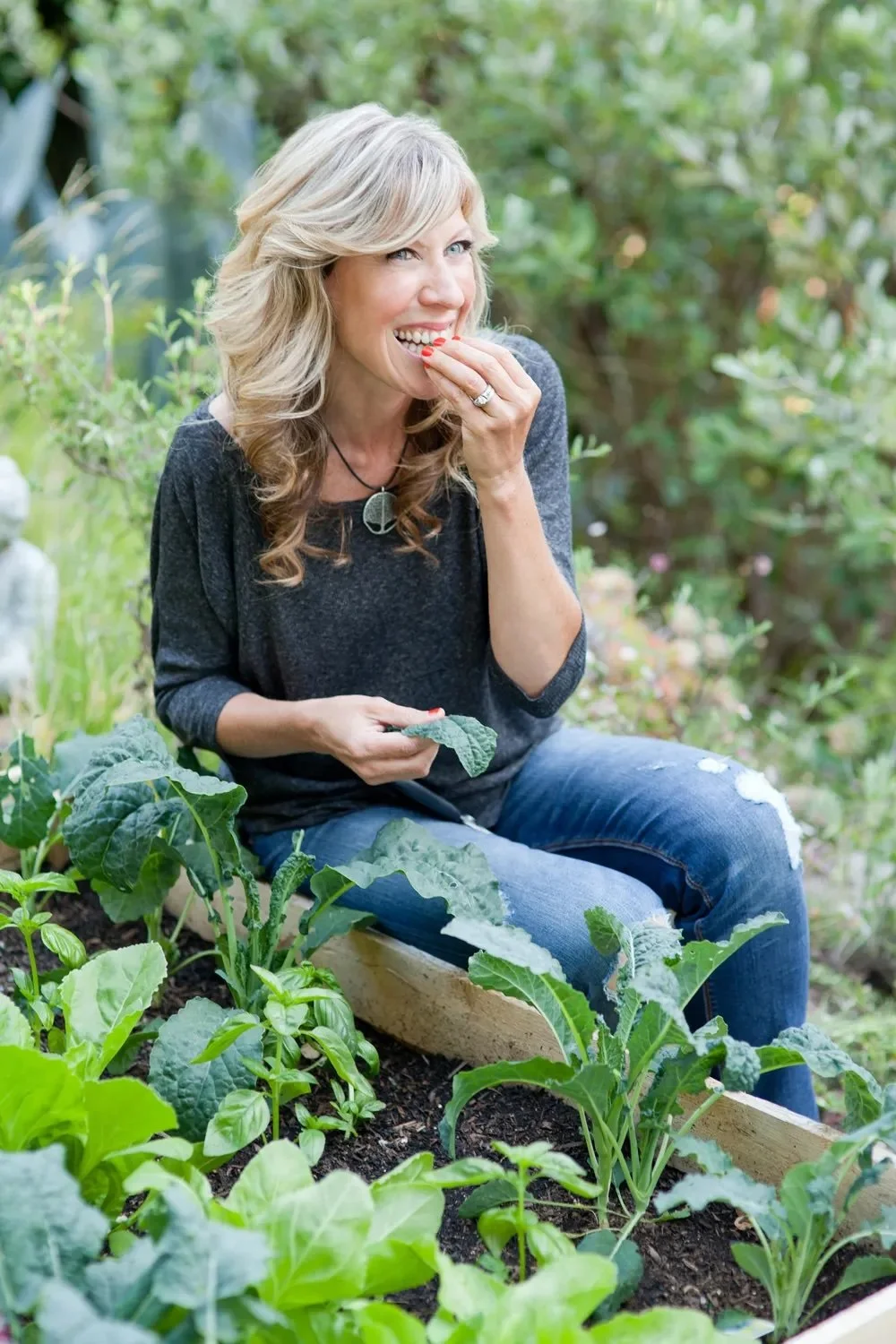
Compassion Over Perfection: How to Live Plant-Based Without Burning Out
Colleen Patrick-Goudreau—the author, speaker, podcaster, and longtime advocate known as the Joyful Vegan—returns to the Plant Strong Podcast for a thoughtful conversation about compassion, sustainability, and creating change without burning out.
Colleen explains why anger, remorse, isolation, and rigid thinking can make a plant-based lifestyle harder to sustain. Rather than making “being vegan” the ultimate goal, she encourages people to focus on their deeper North Star: living as compassionately, healthfully, and responsibly as possible.
Her message is simple and liberating:
Don’t do nothing because you can’t do everything. Do something—anything.
Rip and Colleen also explore her eighth book, A Year of Compassion: 52 Weeks of Living Zero-Waste, Plant-Based, and Cruelty-Free. The book brings together the themes that have shaped Colleen’s work for more than 30 years, including plant-based food, animal advocacy, sustainability, wildlife, responsible consumption, and human connection.
Colleen shares practical ways to reduce waste without chasing an impossible standard of “zero.” She explains wish-cycling, why recycling symbols can be misleading, how to extend the life of the things we own, and how neighborhood Buy Nothing groups can keep usable items out of landfills.
They also discuss compassionate travel, the surprising plant-forward foundations of many global cuisines, simple everyday meals, protein awareness, social-media misinformation, and why joy and pleasure are essential parts of lasting change.
Ultimately, this conversation is an invitation to release perfection and recognize our connection to one another, the animals, and the natural world.
You do not need to solve every problem today. You simply need to take the next compassionate step.
You’ll hear:
Joy supports longevity. A lifestyle rooted only in anger, restriction, or rigidity is unlikely to remain satisfying or sustainable.
Compassion is the destination; plant-based living is a path toward it.
All-or-nothing thinking often leads to nothing. Beginning imperfectly is better than never beginning.
People can genuinely love animals while eating them. Understanding cultural conditioning and compartmentalization may create more productive conversations than denying people’s lived experience.
Zero waste is a direction, not a literal destination. The deeper principles are responsibility, value, and reducing one’s footprint.
Simple food is sustainable food. Most people—plant-based or not—rotate a relatively small collection of familiar meals.
Connection changes behavior. When we recognize that our actions affect other people, animals, and ecosystems, compassionate choices become more intuitive.
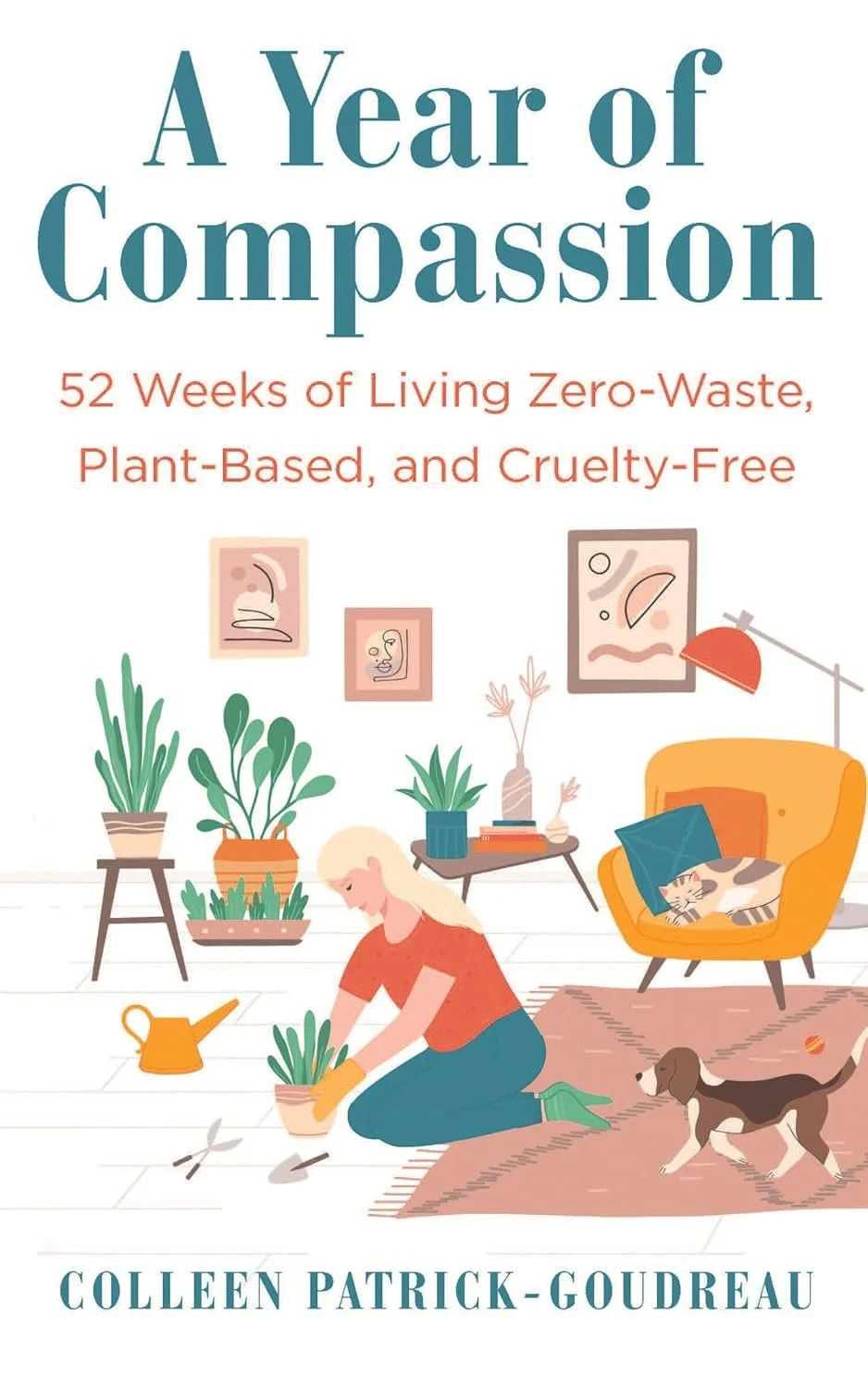
Order Colleen’s latest book, A Year of Compassion
Episode Resources
Watch the Episode on You Tube: https://youtu.be/_vMATrDbHvk
Connect with Colleen:
https://www.colleenpatrickgoudreau.com/
We hope to see YOU at one of our Live Events! https://plantstrongevents.com/
To stock up on the best-tasting, most convenient, 100% PLANTSTRONG foods, check out all of our PLANTSTRONG products: https://plantstrong.com/ Use code: podcast to receive 10% off your first order.
Give us a like on the PLANTSTRONG Facebook Page and check out what being PLANTSTRONG is all about. We always keep it stocked full of new content and updates, tips for healthy living, and delicious recipes, and you can even catch me LIVE on there!
We’ve also got an Instagram! Check us out and share your favorite PLANTSTRONG products and why you love it! Don’t forget to tag us using #goplantstrong 🌱💪
Episode Transcript via AI Transcription Service
Rip Esselstyn
I'm Rip Esselstyn and you're listening to the Plant Strong podcast.
Today I am thrilled to welcome back my friend, Colleen Patrick-Goudreau, author, speaker, podcaster, compassionate living advocate, and the woman so many of you know simply as the Joyful Vegan.
Colleen has spent more than 30 years helping people connect the dots between the food on their plates, the animals that we share this planet with, the health of our environment, and the compassion that already lives inside every one of us. But here's what I appreciate most about Colleen. She isn't interested in finger pointing or trying to be perfect.
Her message is simple and it's deeply human. Don't do nothing because you can't do everything. Start where you are.
Take one step, make one thoughtful choice, and then keep going.
In this conversation, we're going to talk about why joy is essential for making a plant based lifestyle last how to communicate without putting people on the defensive, and why the goal isn't simply to. Earn the label vegan.
The goal is to live as compassionately, healthfully and responsibly as we can. We also dive into Colleen's eighth book, a year of 52 weeks of living zero waste, plant based and cruelty free.
She shares practical ways to reduce waste, simplify plant based meals, travel more consciously, make meaningful changes without driving yourself crazy. So take a breath and get ready to add a little more compassion and joy to your life. Let's dig in with Colleen. All right, everybody, I want to welcome back to the Plan Strong podcast, Colleen Patrick-Goudreau. Colleen, it's been a beat. How are you doing?
Colleen Patrick-Goudreau
00:02:18.220 - 00:02:21.580
In a minute. Oh, time passes so quickly. It's not fair.
Rip Esselstyn
00:02:23.900 - 00:02:57.020
It's really not. For all the listeners that are out there and all the new listeners that are out there.
Colleen last appeared on the Plant Strong podcast almost two years ago and it was Episode. If you want to go back and listen to it, it was episode 214. And the name of that episode was Become a Joyful Vegan.
Because that is kind of who you are and it's part of your branding. It's a beautiful thing. Colleen, where am I talking to you today from?
Colleen Patrick-Goudreau
00:02:57.740 - 00:03:02.780
I am in my home in my office in Oakland, California. Beautiful California.
Rip Esselstyn
00:03:03.500 - 00:03:43.530
All right, good stuff. Well, let's just dive right in.
So you have been a leading voice in compassionate, in plant based living, cruelty free living for almost 30, 30 plus years. You're, as we just said, you're. You're called the Joyful Vegan because we have so many new listeners to the podcast.
That maybe didn't listen to the last episode and are just getting to know you. What initially sparked your journey to becoming the joyful vegan over 30 years ago?
Colleen Patrick-Goudreau
00:03:46.010 - 00:08:18.240
Yeah. So I can say when I first started, I was joyful. When you first encounter truth about things that are uncomfortable, it's difficult.
And the hope is that you'll be open to make a change and, and. And then find your way. So I started finding my way many years ago.
I mean, over 30 years ago, the journey started with becoming vegetarian before I became vegan and so. But long before that.
I mean, when I was a kid over 50 years ago, and, you know, didn't want anybody to be hurt, didn't want to see an animal hurt, loved animals, was that kid who loved animals who kind of did what she could to intervene when an animal was suffering in any way. And I say this because I think our stories are universal. I think there's always elements of our stories that we can identify with each other.
I do think that if you aren't the kid who loved animals, it doesn't mean there still isn't a path, because I think you don't have to love them to not want to hurt them. And I think kids don't want to hurt them. I think we are raised to be compassionate, to not hurt an animal.
We're all taught, don't pull the tail of the dog. He can feel that. It feels pain. Right. So we're all taught to exhibit the kindness that I think is already innate in us.
Um, and yet I was the kid who really loved being around them and who really did feel very empathically when they. Whether it was they were suffering or just, you know, it could be Bambi, it could be Dumbo, it could be Benji.
Whatever movie I was watching that just really touched me because I. I always felt very deeply when I saw that they were hurt. And so, you know, but I didn't know I was eating them. I had no idea.
And my parents didn't tell me, and my parents didn't tell me, not because they wanted me to contribute to violence against animals, but because this is what they knew and this is what they thought was the to do. This is how most of us were raised.
You know, hopefully we're moving in a direction because of the work of you and so many, you know, amazing people to be able to, you know, have new generations who will never know the taste of animal products. But most of us were raised that way. And so I didn't know. And then eventually, when I found out my Instinct was to not be part of it.
But I, you know, I read John Robbins book Diet for New America. This was back in 1992, 1990, I mean, you know, a long time ago. And I missed the chapters on dairy and eggs and stopped eating land animals.
And then my journey continued and eventually, luckily, because I stayed open and curious, I eventually read more.
And the book that really changed it for me was a book called Slaughterhouse, which was by an investigative journalist and she talked to slaughterhouse workers. And the thing that struck me the most was differently from John Robbins book that really talked about the industrialized food system.
And I would have said that I don't want to be part of this factory system. That's why I was compelled to become vegetarian.
But when I read Gail Eisnitz's book, it really was for me, not wanting to be part of what is an inherently violent system because you can't separate the violence from a business model, which is killing. I mean, like, you can't, like you can't separate the two.
And so I was just really struck by the workers who were desensitized to their own compassion and the workers who were desensitized to the animal suffering. And that's what tipped it for me. And that was the moment that everything changed in the sense that I was already an animal advocate.
I was already advocating for animals prior to becoming vegan. So when I was, you know, 20, in my 20s, I was doing that. But this really changed it. And I started just reaching out and doing outreach.
I had a kind of built in community. I was part of Unitarian Universalist Church at the time. And it was this really wonderful captive audience because I had a relationship with them.
I started doing services about compassion and animals. I started tabling during coffee hour with literature, started answering the questions people had. I started teaching the cooking classes.
I started bringing the kids to farm animal sanctuaries. So it was a really wonderful way to cut my teeth into the kind of advocacy that really continues for me, which is about communication and connection.
And, and that led to my podcast, my cookbooks, my lifestyle books that, you know, everything I do is still centered on.
I know what it's like to not know, and I know what it's like to not know and then know and, and everything changes and how good it feels to experience that. And, and that's always been the intention of my work, is to plant these seeds to, to, to, to guide people along this journey as well.
Rip Esselstyn
00:08:18.880 - 00:08:43.179
Yeah. So you said just a little bit earlier that when you started this, you were not necessarily joyful.
And so my question to you is, how important do you feel it is for somebody that is either ensconced in this lifestyle or just starting out to be joyful with it?
Colleen Patrick-Goudreau
00:08:43.499 - 00:12:13.540
Yeah, that's such a good question. And it doesn't matter what your motivation is. My answer is the same. And it's. I think it's very important. I think it's really important.
And that's, you know, that's the book, the Joyful Vegan that we talked about last time we chatted that was based on a podcast series I did called the 10 stages of what happens when you stop eating animals and when, you know, when you stop being animal, become vegan, register whatever, plant based, doesn't matter when you, when you have this shift. And one of the stages, and these are not linear stages, we all kind of go through them at different times all the time.
But one of the, I think shared experiences we have is, is anger, you know, and that could be that we were part of something that we didn't really have a say in. Anger that everyone should know and why don't they know? And it's harmful to us and it's harmful to the animals and it's harmful to the environment.
So why don't people know? And that makes us angry. So it's.
That kind of, it's of the journey, I think, of realizing, you know, you could have done something differently if you knew earlier, but people were keeping information from you. And I do talk about the willful blindness that is created because we live in a society where we're, it's part of the status quo to eat animals.
And the, the cognitive dissonance we all have, whether it's about health or ethics, is that we know that there's, we know it's not great, but we have to reconcile knowing it's not great with being able to, you know, function in this world.
And so the, one of the ways we reconcile that is through the willful blindness where we say, don't tell me, I don't want to know, I'm not going to look. Or I'm just going to kind of make these justifications to go on.
So what I do when I talk about these stages is also talk about how to not get stuck in them. Because if we get stuck in something like anger or remorse, we, I don't. It's not sustainable. It doesn't feel good. People don't want to be around us.
We're not really advocating for an attractive way of living, but also just doesn't feel good. And I don't think it's sustainable.
And that means also if you're in some kind of rigid eating as well, you know, if you're doing it for, you know, could be aesthetics, could be health, I mean, but if we get into a point where it's so rigid that we're not really enjoying the other aspects of eating, which is community and culture and pleasure, then it's not going to stick. And so the subtitle of that book is how to stay vegan in a. In a world that wants you to eat meat, dairy and eggs.
And I know there is a huge subset, I know there's millions of vegans who see that subtitle and think, I don't need that book because I would never not be vegan. Of course I'm going to stay vegan. And it, it breaks my heart because I think, oh, should I have titled it differently?
Because I just want everybody to read the spoke who's Vegan, Plant based, whatever.
Because it talks about all the experiences that we all have and the whole intention behind it is to say if you, if you, if we do get stuck in these stages of remorse, of anger, of not having community, of not learning how to communicate this, of proselytizing to the degree that no one wants to talk to us about it, we will become isolated and we will not be joyful and we will not stay vegan. And so none of us are immune to it.
And so I, So I think it's pretty fundamental that we find in this lifestyle that is very different than the majority of people around us, the pleasure in it, the joy in it, the peace in it, because that is part of what is going to sustain it.
Rip Esselstyn
00:12:14.900 - 00:12:23.700
Yeah. Have you ever been on, and I'm spacing on our last name, but Billie Eilish's mom's podcast.
Colleen Patrick-Goudreau
00:12:23.780 - 00:12:25.140
No, no.
Rip Esselstyn
00:12:25.140 - 00:13:09.540
Yeah, we should, we should figure out a way to get you on that. Maggie Baird, I believe is her name, but you heard the quote that Billie Eilish gave and she's gotten a fair amount of blowback for it. Right.
I believe, correct me if I'm wrong. I believe she said you can't like animals and also eat animals. Something like that. And obviously it made a lot of people very uncomfortable.
So what do you do when you're uncomfortable and you feel threatened? You, you, you, you get very defensive and you fire back. Exactly. Yeah. Yeah. And you.
So do you have any thoughts on what Billy said and, and the reaction that followed?
Colleen Patrick-Goudreau
00:13:09.940 - 00:17:51.010
I, I wish, I'm so sorry to Say I haven't seen it, I've heard of it because it's hard to escape. But. But I. I have thoughts because it's.
So, of course, that is exactly what's happening is we hold a mirror up to each other and what we see back is reflected something. We may want to see something. And this is the interaction we all have with each other, regardless of the topic, regardless of our relationship.
But if there is something that in any way touches our own protective layer for something that we're protecting because it's really meaningful to us, it's part of our identity, it's part of our culture, all the things, then of course we tend to not say, thank you for reflecting that back to me. I am going to examine my life choices. What we usually do is, like you said, we deflect it. So that is absolutely what's happening.
And look, there's also, you know, people don't want to be told that they're doing something wrong. And, you know, that's what it sounds like. But the thing that I rather. And this is not like I am. Look, it's amazing. It's start.
This kind of thing is what starts conversations. And there's going to be people whose lives and minds are changed by this.
So this is not in any way a criticism about what you said, because I didn't even watch it. But that, but that idea. You can't love animals and eat them. Of course we can. That's what we do all the time.
And so we do the problem when we say that, that does not get to the heart, which would then help us understand how we can say how we can love animals and then also eat them. That is the conversation that is more interesting to me. And that's what I do examine in like the first chapters of the Joyful Ve.
The chapters about willful blindness. And so I'd love to unpack that because that to me is what is critical. Because when we say you can't love animals and.
And eat them, you're basically denying people what is true for them. And what is true for them is that we are really good at compartmentalizing. And people who do eat animals and love them do both. I did. You did. We do.
And it's not that I didn't genuinely love animals and genuinely care about them and genuinely not want them to suffer.
But equally, I was raised in this culture where all of the messages I'm getting from industry, government, parents, teachers, doctors, all these trusted authorities are telling me that in every way I have to do this thing, because then name it, right? Because it's healthier, because it's better, because it's cultural, because it's evolutionary. I mean, right?
So you get these messages, and so you have to find ways to reconcile this. But that doesn't say that you didn't actually genuinely care about them. So what I don't like is when we say that. I think it can be a.
It can be provocative as a starting point, but I think don't take the next step then to actually discuss what's happening. We're missing out on making millions, billions of people. Being able to look inward and say, what did that look like?
Because the way I talk about it is I was compassionate and I was eating animals.
The problem is that compassion got covered up, right, by all of those stories, the stories that were told by the doctors and the nurse, you know, the teacher and the parents and the things. And so what happens is one takes precedent and that compassion starts to get just kind of covered up, muddied up, bricked up. It's still there.
And that's why we make the excuses we do, because we have to believe that we are those good, compassionate people who care. And so then we tell ourselves things like, well, I don't really want to eat them, but my doctor told me I have to.
And I tried not, but I didn't feel well. So I went back or, you know, any of the things, or I buy organic, or I buy humane meat, or I buy.
We have to tell ourselves the things that is going to reconcile that dissonance that we have holding both, because both are true.
So that's the part that I just want us to talk about more so that people can really unpack it for themselves and not feel defensive because you're telling them something that's not true. Because the person who hears that is going to go, I do love animals. Who are you to tell me I don't love animals? I rescue animals.
I. I take the best care of my dog, adopt animals, I foster. I. Right. And so you're not going to get anywhere with someone who already thinks that you're telling them something that's not true about themselves.
Rip Esselstyn
00:17:51.010 - 00:19:09.450
Yeah. Yeah. Let me ask you this. I mean, you've been. You've been, like, knee deep in this. Actually more like neck deep in this, for over 20 years with the.
Your writing, your speaking, your podcasting. And you and I have both seen, I think, major shifts in the dietary landscape.
And we saw what happened after the China study and forks over knives, and it seemed like almost it seemed like a lot of people in this country. Were talking about plant based nutrition and.
Then we kind of have gone through a steady wave of paleo keto, carnivore, lion and you know, the amount of influencers, the amount of mainstream media that has picked up, you know, this kind of meat heavy way of eating. And I'm just wondering, do you see this swinging back? Like the pendulum has definitely swung in the, in kind of the meat eater's favor right now.
Do you see this swinging back? And if so, like, what gives you hope around that?
Colleen Patrick-Goudreau
00:19:10.250 - 00:19:13.850
Yeah, I often say that I didn't know there was a lion diet. Okay.
Rip Esselstyn
00:19:13.850 - 00:19:20.170
That the lion eating like a lion and all they do. Yeah, yeah, yeah, yeah.
Colleen Patrick-Goudreau
00:19:23.530 - 00:21:09.770
So I often say that what gives me hope for the future is the past. Because just historically what I know to be true is that these things come in these kind of swings. So that's, that's the hope I hold is that.
And then each time we kind of hopefully get a little better and a little smarter and, and that's the hope. So I do think there will be a swing. I wish they weren't so extreme. What I'd rather is that it was just a bit more balanced. Right.
But because I think of, I mean, I think there's a number of reasons that we're in the place we're in.
And I don't want to sound like, you know, everybody else, but I do think the rise in social media obviously made it very convenient for people to sound like experts.
Maybe they really are, but have so many different experts out there that it's hard to differentiate between who you should listen to and not, of course, the kind of targeted ads and the algorithms make it also very easy for us not to hear other perspectives. So I think that is problematic and I think people are desperate. So I think there's that.
And I think, you know, obviously if the science we know isn't translated into policy, that's to show up in our schools and in our government, you know, recommendations, then that's obviously problematic and it always has been. I mean, especially since the 1950s or so I would say. So I don't know, I'll. I'll answer that question first and just say I am hopeful.
But I know it's really frustrating. It's like anything that you're going through in any moment in time, if you're just looking right down at myopically, it feels really overwhelming.
But if you can zoom out and look at all of the ways, I think they're is some Hope, then I, then, then I do do find hope, and I always do. And I think we have to zoom out.
Rip Esselstyn
00:21:10.730 - 00:21:58.020
Yeah. Yeah.
And ultimately, you know, and I know this has gotten muddied and a lot of people don't know what, what denotes true science, but we have science on our side. Yeah. Like, like nobody's business. And that will always give me hope. Let's, let's transition, Colleen, and let's talk about.
And I apologize, I don't have a physical copy of your book, but I do have the download of your book, A year of compassion. 52 Weeks of living zero waste plant based and cruelty free. This came out about a year ago. It is fabulous. This is your.
If I'm not mistaken, Colleen, this is your seventh book.
Colleen Patrick-Goudreau
00:21:58.490 - 00:21:59.130
It's my eighth.
Rip Esselstyn
00:21:59.610 - 00:22:02.810
Your eighth book. I apologize. It's your eighth book.
Colleen Patrick-Goudreau
00:22:02.890 - 00:22:03.370
Yeah.
Rip Esselstyn
00:22:03.930 - 00:22:14.090
So, I mean, what a. I mean, you get after it. I love it. How would you say this book is fundamentally different than some of your others?
Colleen Patrick-Goudreau
00:22:15.690 - 00:22:50.030
Well, it, in a way, I think all of my books reflect kind of where I'm at in my life and in my journey. And this book, in some ways is a culmination of kind of all of the things that I've talked about and cared about over the last 30 years.
And because it involves the nutrition, the food, the sustainability, the animals, and it's putting it all together in one book, this is probably the book unlike any other that has a lot about zero waste, sustainability, environmentalism, you know, wildlife.
Rip Esselstyn
00:22:51.430 - 00:22:51.550
So.
Colleen Patrick-Goudreau
00:22:51.550 - 00:23:07.910
Yeah.
And it, and it's meant to be, you know, something that people can look at and pick through and decide kind of things they might want to be inspired by to, to reflect the compassion that, that they have. So it's a fun kind of culmination of all of the things I've been talking about for the last couple decades. Few decades.
Rip Esselstyn
00:23:08.390 - 00:24:01.660
Yeah. So you, you emphasize compassion over ideology.
Can you talk to a little bit about why you're encouraging progress and not perfection, which I think is really smart. It's the way to go. I had somebody text me yesterday saying, rip, I need some help. And I said, hey, man, it's about progress, not perfection.
And this is a guy whose constitution and everything that he does is.
He's like usually all in, but for whatever reason with the food, you know, he was slipping up here and there and he just decided to throw in the towel. So I'm kind of, I don't, I don't want to answer the question for you, but it's just funny.
It's funny how in my Life and with the people that I've been dealing with. I find that way of framing it up is very helpful for people.
Colleen Patrick-Goudreau
00:24:02.780 - 00:28:36.820
Speaking of pendulum swings, I feel like we are so, so hard on ourselves or, or, you know, or we're not doing anything. It's like, you know, it's like we want to do it perfectly or we don't want to do it at all. And it's so.
And I just think there's an element of human nature in all of this. Right. I don't know. I think we're not very good at equilibrium or, you know, at least what I've seen.
Because I think that's really the hope and the goal and the benefits just in equilibrium, you know, outweigh anything in trying to attain any kind of perfection. You know, even just from a mental and emotional perspective. Right. Because of the pressure we put on ourselves.
So, so you mentioned compassion, ideology and progress over perfection. Well, I mean, again, back to human nature. We are not perfect.
Like, there's no other way to try and frame our, our lives other than you're not going to do it perfectly. And what is perfection anyway? I mean, if we strive for perfection, we are going to fail every single time.
And so I say a lot that, you know, I mean, I mean, you know, I'm known for the, for the phrase don't do nothing because you can't do everything, do something, anything. And it is to speak to the fact that when people feel like they have to do everything, they do nothing.
When people think they have to, you know, if they perceive that making a change from you know, eating animal products to being vegan, plant based or whatever is so overwhelming and so different from what they already know, it is really hard to just start. You just feel like it is, it is just this huge lift and it's too overwhelming.
And so the whole idea of just starting where you're at, taking the first step, you know, taking a 30 day vegan challenge, just starting where you're at is at least, you know, understanding who you are as a human being. The thing that starts to happen ideologically because there's usually some kind of motivation behind your desire to change.
It could be because you want to get healthier and you realize that that's been really harmful. All the animal products, it could be because you don't want to contribute to violence against animals and how could you have been part of it?
Now you don't want to be part of it anymore. And so ideology underpins our behavior change. But the problem is when we get Stuck in the ideology, we don't see the forest for the trees.
And that's what I mean when I say if our goal is to be vegan, then we're missing the forest for the trees. Because the point is not to be vegan. That's not the goal. My goal is not to be as vegan as I can be.
My goal is to live as compassionately and healthfully as I can be. And not eating animal products, but and doing my best not to contribute harm to animals is the way to get there. That is the best means to the end.
That is the means to the goal.
And so that's what I emphasize in my work, is if you're getting hung up on being vegan, that's when you get hung up on ideology and judgment and perfection and purity. And again, that's not a joyful way to live. But if you focus on what's the goal? The goal is to be healthy and to be strong and to thrive.
And, you know, maybe you have some specific goals where you want to change some metrics, right? Or the goal is to, like, I just want to do everything I can to just like, not hurt an animal. You know, that's in my power to do.
So if those are the kind of North Star, then everything else, it's not that you're flexible and fluid. It doesn't mean that you're loosey goosey about it. It doesn't mean some days you eat animal products. It literally means that the.
That not eating the animal products is the means to attain those goals that you have.
And that's where I think it's really important when people do that, when they shift that around, I find that there's so much more joy and so much more peace of mind and you can relax into it a little bit more and you can know. I mean, I had this conversation, like you said yesterday, I had this conversation with a friend who's also a longtime vegan.
And you know, she's struggling with, like, you know, what do you do about fleas on your cat? And what do you do about, you know, aphids on your indoor plant? Like, I mean, these things. Like, we have this best intention to do the right thing.
And there's always going to be a gray area. There's always going to be gray because that's what this world looks like.
And I just want everyone to kind of operate in the context that we all live in, which is action.
And then I think we could be a lot easier on ourselves and we could be a lot easier on each other, and we'll actually attain those goals because we're not getting so stuck in. Well, now I have to undo the whole thing because I didn't do it perfectly right. And that's not sustainable. That's not equilibrium.
Rip Esselstyn
00:28:37.630 - 00:28:58.510
Yeah, well, but like you mentioned how, like, each book that you've written kind of was appropriate for, I think, where you were in your life. So what was going. What was going on with you that inspired you to kind of create this structure, to create sustainability without burnout?
Colleen Patrick-Goudreau
00:29:01.230 - 00:29:02.750
So there's a couple questions there.
Rip Esselstyn
00:29:03.990 - 00:29:06.790
So you take. Take it however you want.
Colleen Patrick-Goudreau
00:29:06.950 - 00:30:35.560
Okay, so what was going on with me? So this book. I had a different idea for the book originally, and, but it was about compassion.
And what was going on with me was I just want to keep talking about compassion because I just think compassion is the foundation of all of this, because compassion means connection. Compassion means that what I do impacts you, and what you do impacts me, and what we do impacts everybody else.
So to me, that's just the most fundamental aspect of living. And, and, and so it had a different. Had a bit of a different tilt to it initially.
The other thing that was happening was that I had my own journey around sustainability and zero waste, and that is showing up in this book.
And I did, I did have that as an initial idea as well, that it would be mostly about zero waste and, and even food waste and kind of coupling all of this, these concepts that, that I live by regarding that. And so that's in this book. And, and that's different, and my podcast listeners have heard it. But it's showing up in a book for the first time.
But it's taking other things, like I said, about the animal cruelty and, and food and nutrition and kind of bringing that in as well, because it's about all the things it's about, right? What we eat, how we eat, who we eat, what we don't eat. But it's also about how we live and how we think about our role and the rest of.
With the rest of the world. So, yeah, so I think it's the sustainability stuff, the zero waste that was going on. And then what was the other part you said?
Rip Esselstyn
00:30:36.600 - 00:30:51.040
Well, and then also, like, you obviously did this in a way to allow this lifestyle to be sustainable without, without. Without allowing burnout to occur. Right. You want to prevent burnout? Nobody. I mean, that's not good for anybody.
Colleen Patrick-Goudreau
00:30:51.350 - 00:31:26.540
Yeah, well, it's funny because these experiences that I've had now, wonderful thing about continuing to live in age is that we can Reflect on our lives and, and see patterns and, and it's just been wonderful to see this.
And so the, the 10 stages I talk about when we become vegan really apply to all of these kinds of new experiences I've had and revelations I've had around in other things.
And so I experienced it with the whole zero waste thing because I did go full on, like, really wanted to see how far I could go and just like, what does it look like to live as lightly as possible? And all of the.
Rip Esselstyn
00:31:26.780 - 00:31:38.380
Yeah, give me an example. Like what that, what that looks like.
I want to, I want to know, like on a typical day, like, what does zero waste look like when you're like getting after it?
Colleen Patrick-Goudreau
00:31:38.700 - 00:33:56.660
Yeah. And so I really wanted to find that because that's a term that I think is really tricky.
Just like vegan, I think is a term that's tricky because I think you can get hung up on again, that being the end. The end is not zero. Like, that's not, that's not possible. And so it's a shortcut. So let's use it as a shortcut.
But what the way I talk about zero waste is, I define it as being responsible for being, being responsible for the things that I bring into my life. Right. So I see it as value and responsibility.
So for instance, if, you know, for instance, if I am going to bring in, you know, packaging to my life, right. How am I going to be able to take responsibility for that?
What am I going to be able to do to be able to discard of it in a way that is a reflection of my compassion right?
Now I say this with the caveat that of course there are manufacturer responsibilities and government responsibilities and there's all these other layers to it.
But for me individually, if I am making a choice to purchase something, how can I do it in a way that is going to have the least foot, you know, footprint and the lightest footprint, and how can I do it in a way that I'm responsible and valuing this thing? So for instance, if I'm going to buy something rip, I'm going to look to see if it has a warranty. Warranty.
Because if it has a warranty, that means it's probably higher quality and the manufacturer is standing by that product and that means that they're going to fix it rather than it's just something that is literally made to be discarded. So that's an example of kind of looking through the lens of let's use zero waste as a shortcut.
But I look at it through the lens of responsibility and value. In the end, compassion. For instance, we just. We're switching out a rug we've had for 20 years. Like, it's a shag. It's a shag area rug.
And we've had cats. And it's like, like, time to go. We are buying a new one. Did the thing. Look at the warranty, get the quality.
You may pay more, but when you pay more for quality, it means you have that product longer than it lasting a short life. And then you're throwing it out. I'm not throwing this rug out. This doesn't go into a landfill. We are part of a buy nothing group on Facebook.
And everybody can find their buy nothing group, you know, in their area. It happens to be. They built it originally on Facebook. You can look at other kind of, you know, kind of reuse sites.
Rip Esselstyn
00:33:56.820 - 00:33:59.220
And it's called nothing. It's called Buy Nothing.
Colleen Patrick-Goudreau
00:33:59.380 - 00:38:00.250
It's called. The Buy Nothing project was the original name.
And if you just type in, like, buy Nothing, it's all through Facebook you can find your neighborhood group. And that's what's so lovely about it too, is that it's based on your zip code. It's not based on, like, your state.
So you're like, you're meeting people who live in your neighborhood. And yesterday we also were like, we don't need this lamp anymore, and I don't need to sell it. Like, I don't. It's fine.
I don't want to say, put that on by nothing group.
Put a hair dryer that I'm not using anymore, put two saline solutions that are still, like, sealed that we never used for our contact lenses and this rug. And they are. The three of the things were picked up already, and the rug is now getting picked up.
So the point is to just look through the lens of how can I be responsible? I can't expect everybody else to go fix the problem.
If I say that I think it's terrible that we're so wasteful, and it's terrible that we were such a consumerist society. Well, well, I'm part of that, so how can I do it? And so those are the. Those are the kind of principles that I look to.
And so it came because, you know, I guess now it's about 10 years ago, I was kind of looking at my life and I was like, I've been vegan for, you know, at the time, I don't know, 20 years. I, you know, we drive an electric car, we gray watered, we have rainwater Catchment tanks, we have solar roof, we take canvas bags.
And what I didn't realize were some other things that I probably said, yeah, I'm doing enough, I'm good, you know, Right. Like, we kind of say, I'm doing a lot.
And then when I went, oh my God, there's other things I could be doing, like, it was like, oh, wow, okay, what does that look like? And so I started on this journey of, oh my gosh, I wasn't taking advantage of, you know, some things related to food waste.
You know, I, I was wasting things. I was letting things go in my fridge when I could have preserved them, whatever, all the things. So that started me on this journey.
And part of that journey was around, oh, my God, I'm making mistakes, I'm imperfect. This is hard. What do I do when I'm traveling? And I've.
I have some funny, fun, ridiculous stories about, you know, the lengths through to which I have gone to reflect it. And in the end, you know, I had to pull back a little because I'm like, like it's, it. It's not about perfection, but I do the best I can.
And so that's, that's how I don't burn out. And that's.
That has played out in every area of my life, whether it's around animal advocacy and rescue and fostering and, and awareness and bearing witness. And the food and the eating and the nutrition plays out through the sustainability. And I'll say one more example. Right now, I'm in this journey.
I'm basically restoring our property to native plant communities to support native animal communities. And when I first started, it was, you know, because again, it was. I told myself the same kind of thing you do when you're not, you know, not vegan.
And I was like, yeah, I've got some native plants and oh, by the way, I'm buying some plants that are good for pollinators, and so I'm doing my best.
Well, I was buying plants that were good for pollinators but are supporting non native pollinators and invasive pollinators and crowding out all of the native ones and not providing any food or habitat for the native ones. So I started this journey going, oh, my, oh my God, I, I had no idea.
And now here I am, like, it's a big project and I've planted non natives, plenty of them in the 13, 14 years we've been here.
And so there's some remorse and there's some guilt and there's some anger that nurseries don't even sell, you know, native plants or they have a small section. It's all exotic.
So it's been this really interesting parallel to see when we become awake to an issue, what we need to do so that it feels sustainable, feels good, is effective, but that we don't burn out. And that's, that's what I try to convey to my audience.
Rip Esselstyn
00:38:00.650 - 00:38:15.680
Yeah. Let me ask you about two things specifically.
First, what is wish cycling and what advice would you or suggestions would you give to us around that, that.
Colleen Patrick-Goudreau
00:38:16.640 - 00:38:35.600
So wish cycling is a term that reflects when we just see a recycling symbol perhaps on the bottom of a plastic bottle and we assume that because it has that recycling symbol symbol that we'll just put it in the recycling and we assume that someone else is going to take care of this thing that we brought into our lives.
Rip Esselstyn
00:38:36.080 - 00:38:36.480
Right.
Colleen Patrick-Goudreau
00:38:36.640 - 00:39:22.310
So again, it's that idea of like we kind of pass the buck and, and again, that's not, that's not entirely our fault.
So California is, I think, the only state, or at least the first state as it does in lead in so many of this kind of legislation that makes it illegal for a manufacturer to put that symbol on their product if they can't and sell it in the state if they cannot prove, and most can't, especially when it comes to plastic, that that can be recycled. So some of it is government policy, thank goodness.
And you know, in this case, and some of it is the manufacturers have not had, have not been called to task to take responsibility for. So it's not the consumer's fault because they think that. Here's another example, when there's that sell by date on food.
Rip Esselstyn
00:39:23.190 - 00:39:23.670
Yeah.
Colleen Patrick-Goudreau
00:39:23.910 - 00:41:14.670
Most people. Because it's.
Because logically you think, well, if it says sell by date, if I have to eat it by then, and if I don't eat it by then, then I'm going to get some kind of food poisoning or it's unsafe. No, it has nothing to do with food safety. Has nothing to do with food safety.
It has everything to do with the date by which the manufacturer thinks that that is going to be the freshest for that product to be sold. And so the more people can throw out food because it's past their sell by date and my gosh, that's one of the biggest reasons for food waste.
Then they could just keep making more and keep selling more. Right. So I understand that some of this isn't the fault of the consumer. But now, and as we know, we can say, okay, how can I take responsibility?
Glass is the perfect example A lot of us who do have recycling, I know that not everybody has recycling in their, in their town. I do talk about some private options, you know, some, some private service options. But the point is, you know, if you're going to have a choice.
Glass is always recyclable in the sense that it can be recycled in perpetuity without ever losing quality.
Whereas plastic, even plastic that is recyclable, it's really down cyclable because it's only going to get made into another plastic item and then that thing is eventually going to wind up in a landfill. So the best, best you can do is metal like aluminum and glass and then hey, value.
That glass bottle is still functional as the glass bottle because the glass bottle was made to hold things. And so when that glass bottle is empty from your vaginase or whatever, then wash out the glass bottle, take the label off.
It's a beautiful glass bottle. And now you can fill it with other things.
So it's again this idea of like, how can I reflect the value of the thing and how can I take responsibility but wish cycling is just like, I don't know. So you just, you just throw it in the recycling because you think it's going to get recycled.
Rip Esselstyn
00:41:14.910 - 00:41:16.350
Yeah, we've all done it.
Colleen Patrick-Goudreau
00:41:16.350 - 00:41:16.910
Yep.
Rip Esselstyn
00:41:17.630 - 00:41:28.070
What about travel? You still, are you still hosting your travel, you know, adventures all over the country, in Europe and whatnot? Yes, I am.
Colleen Patrick-Goudreau
00:41:28.070 - 00:41:29.470
I am indeed. Yes.
Rip Esselstyn
00:41:29.950 - 00:41:38.410
And so what do you have any tips for us to, when it comes to, you know, your zero waste, cruelty free, plant based living when you're traveling?
Colleen Patrick-Goudreau
00:41:38.810 - 00:41:45.290
Oh my gosh. Well, all of, all of it. So just do it plant based. Join, join us for our trip. So there you go. It's always going to be plant based.
Rip Esselstyn
00:41:46.810 - 00:41:47.690
Where are we going next?
Colleen Patrick-Goudreau
00:41:47.770 - 00:41:57.770
In June, we're leaving for Tuscany and northern Italy. Yeah, we just got back from Japan and then we go to Galapagos in November.
Rip Esselstyn
00:41:58.500 - 00:42:00.260
Galapagos, have you ever been?
Colleen Patrick-Goudreau
00:42:00.660 - 00:42:03.140
No, it's my first time in South America at all.
Rip Esselstyn
00:42:03.780 - 00:42:10.260
Wow, that's extraordinary. Tell me, just like how big are these groups usually?
Colleen Patrick-Goudreau
00:42:10.980 - 00:42:17.460
It depends on the country. So 18 max in Japan, 25 max in Northern Italy. Never gets bigger than that.
Rip Esselstyn
00:42:17.860 - 00:42:18.340
Wow.
Colleen Patrick-Goudreau
00:42:18.660 - 00:42:19.220
Yeah.
Rip Esselstyn
00:42:19.380 - 00:42:21.060
So that's a nice intimate crowd.
Colleen Patrick-Goudreau
00:42:21.540 - 00:42:31.590
It is nice and it's beautiful because there's so many friendships that are formed and, and you know, the repeat rate is pretty high. So there's just a lot of people who travel with each other again and again.
Rip Esselstyn
00:42:31.830 - 00:42:35.350
Yeah, yeah. Beautiful. Well, you want to give us a.
Colleen Patrick-Goudreau
00:42:35.350 - 00:45:39.460
Tip or two when we're traveling right so well. So oh my gosh, I mean, honestly, go on a vegan trip because that's going to take care of the animal cruelty and the, and the food.
One of the things we do on our trips is actually we do incorporate some kind of animal protection organization, refuge, sanctuary, something like that.
And of course, even when we're in countries like we have Cambodia coming up in February, I highly recommend, recommend everyone to go to joyful vegantrips.com if you book tell folks you heard about it on Rip's podcast. And you know, that's in February of 2027.
And the example is like, you know, in certain countries, some Asian countries, especially in certain cities, you know, there's animal markets. And so like we'll make sure like we're not going to like, you know, walk toward like, you know, we're going to avoid the animal market.
So like, we do our best to just kind of of, you know, insulate folks when we're on these trips because the whole idea is to have a little bit of respite from, from all of the stuff that's going on in the world. And the food, of course, we take care of, you know, five star.
When you're doing it on your own, I mean, what can I, I could say a million things about that.
When you're doing it on your own, I just really encourage people to look to the foundation of the culture you're in because the foundation of most cultures is plant based. I mean, Italy is the easiest place to not just eat plant based, but to enjoy the food like the, the cuisine of the place.
You' it's so regional and it's so, it's so, it's so amazing and it's so plant forward as you get farther north. And that's why our northern Italy trip is actually really unique because it goes into an area that was part of Austria, Hungary at one point.
And so it's very dramatic. The cuisine is very different.
It's not the same as southern Italy, but and, and there's more butter and there's more beef versus southern Italy and central Italy where there's just a lot more produce and a lot more olive oil. So it's not, you know, it's not, it's more, more plant based rather than animal based.
But those are the kinds of things I'd really encourage you to do because you're eating the food of the culture you're in.
The problem is when most people travel, they're being catered to as travelers and travelers typically Want the steak and the lobster and you know, what have you.
So we think that it's hard to eat in these places and that's only because we're so used to being catered to, you know, as travelers, especially as Americans. As far as the zero waste, you know, there's definitely things you can do. I mean, you know, it depends again on the country.
You know, when we go to certain parts of Africa, like the water is, isn't potable so we do have to drink bottled water. But we do our best. We actually get the large kind of, you know, multi gallon bottles of water so people can keep refilling their bottle.
So we do the best to kind of eliminate some of the single use plastic water bottles. But yeah, bring your water bottle, bring your coffee cup. There's so many collapsible, you know, kind of silicone based things.
When you bring in your snacks, you can use the same containers and fill them up when you're, when you're traveling, you know, little things like that make a difference. But, and again, you know, be kind, be compassionate, be easy on yourself, do the best you can and, and the whole, and enjoy the rest.
It's not going to be perfect.
Rip Esselstyn
00:45:39.780 - 00:46:00.910
So these trips, these trips really sound fascinating.
Do you have to do some reconnaissance visits or do you have somebody on your team or do you, I mean, how do you, what do you do to make sure it goes pretty smoothly? I mean, mean, Africa, you know, you know, northern Italy, Galapagos. Sounds like a lot of logistics.
Colleen Patrick-Goudreau
00:46:01.070 - 00:48:01.110
It's a lot of logistics. So my partners are expert in this so world vegan travel. They're the ones who run the trips and they run trips without me as well.
So they are the tour company and they are the ones who find the people on the ground.
So when it's a trip that I'm hosting, then, then it's a joyful vegan trip because we started this together and now they've, you know, they're, they're doing this amazing thing on their own. But I'm, I'm not a travel company, they are.
So my job on the trips is to host you and make you feel wonderful and happy and hear all about food and food history and just talk a lot about animals and, and, and compassion and all of the things. So my job as the host is a little different. But they do the logistics and they are expert at it and a big part of it.
Well, they are expert at it and number one period, full stop. And being expert also means finding the right people on the ground.
And so once you find the right people on the ground and you know, ideally we're finding other vegans. Now, it depends on where we are. I mean, the company we work with in Rwanda, they're not, it's not a vegan company.
But that doesn't have to be because they're just amazing.
And once you find the company on the ground that you can work with or the tour guides, and then we guide them in, even tour guides, I mean, you know, when we're doing tours, these are tour guides you can imagine rep who like have the same script over and over and over again.
And you know, if you're encountering something that typically non vegan tourists want to hear about, they'll, they might talk about the elephant rides in Thailand, they might talk about the oyster farms in, you know, in Japan. They might write. And so we just say, like, listen, like, you know, we understand that the world exists.
We're not trying to deny it, but don't emphasize things like don't tell them about the best steak restaurant.
So you know, we, that's part of the, the relationship building with the people on the ground is to just kind of honor the values that we're trying to, to reflect on these trips. But yeah, the logistics are a lot.
And then the rest of it is so beautiful and organic because it's the place we're in, the reason we're there, and then the people who just make it. Incredible.
Rip Esselstyn
00:48:02.870 - 00:48:04.310
How much do you love cooking?
Colleen Patrick-Goudreau
00:48:06.710 - 00:48:23.780
I love cooking for others. I like cooking for myself and my husband in the sense that we eat very simply, we eat very regular.
Like we eat a lot of the same things, which is fine with me. Like, I'm happy to eat a lot of the same things. We tend to.
Rip Esselstyn
00:48:24.180 - 00:48:26.820
Give me an example of what that, what that means.
Colleen Patrick-Goudreau
00:48:27.220 - 00:50:05.410
Boring. It's so boring. My rotation for breakfast. Now I will say that some things rotate depending on the season and we do eat very seasonally.
I don't eat produce that's like, I don't eat strawberries in the winter time, like in the, that's, you know, we buy our produce from farmers markets. So we're very lucky to be able, we're very lucky to get farmers. We have farmers markets year round.
But strawberries even in California aren't really a thing in, you know, in December. So an example of rotation for breakfast will be some really good yogurt with blueberries and nuts. Or it might be a smoothie or it might be.
I might want tofu because I just love tofu. So like you know, just kind of pretty basic. I mean, I don't think most people are cooking breakfast anyway, so cooking doesn't really apply.
Lunch will be. Probably could be in, you know, tofu salad. Could be a green salad with tofu. Could be. Could be like, I'll. I'll make a soup.
So I'll make an edamame soup or something like that. And then dinners kind of, you know, it's usually some kind of, like, soup. And I like soup even in the summer or. Or a stir fry or. Yeah. Salad.
It sounds so poor beans. I'm thinking, like, you know, so I use chickpeas a lot. But we entertain so often. Like, we host our friends a lot. And so I do cook for other.
And I host dinners. Like, I cook for dinner for other people a lot. And so. Not that my husband doesn't count as other people, but he eats very simply as well.
He's very happy to also just kind of rotate.
Rip Esselstyn
00:50:07.400 - 00:50:08.280
Yeah, yeah.
Colleen Patrick-Goudreau
00:50:08.520 - 00:50:14.040
But I do, like, I don't mind. I like it. It's not like. But I do. But I'm not making, like, gourmet meals every day, is the point.
Rip Esselstyn
00:50:14.680 - 00:50:42.810
Yeah. No, and I've had this conversation with. With other.
With other people about how one of the things, to me, that makes this sustainable for you for over 30 years and myself for over 30 years is you. You kind of simplify it. Right. And. And that the simplifying of that allows it to be sustainable. Right.
And then on the weekends or guests, that's when you can, you know, pull out the cookbook and do the casserole or something a little bit more extravagant.
Colleen Patrick-Goudreau
00:50:43.290 - 00:53:02.650
Yeah. I think it's one of the reasons I've never done the, like what I eat in a day video. I find I, first of all, be boring.
Second of all, it doesn't reflect, like, someone else's experience. I don't know. It's just. I just find it weird because then it creates this. Well, I'm not doing that. So I'm doing something wrong. Or you're. You're.
You know, I'm doing that, so you're doing something. I don't know. I don't like. I just don't like it.
But I do think one of the things that's worth saying is that one of the blocks that people have to making this transition is that they say that it's so boring and there's no variety, and they want variety. And my answer is we all rotate the same seven things whether you're vegan or not. Like, I mean, everyone Rotates the same things over and over again.
We go to the same restaurants, we order the same things off the menu. So we are not some like, like amazing, you know, so much versatility and variety when we're not vegan.
And then we become vegan and it's like just five choices. So I just, it has to be said that this is, I have, you know, we have so many options and I'm not even naming all of the things.
Like, again, I'm very happy with, you know, a Japanese sweet potato for a meal with, you know, a side of, you know, greens. Right. I mean, that's fine for me. Like, I don't, I don't, I don't, I don't want more than that. That's satisfying.
But to your point, so the point is there's so much variety and you only know that when you make the transition. But to your point, what is so beautiful?
And you know, just as I said, I, you know, I went through the transition to become joyful, you know, from the beginning, of course, I'm not the same person I was when I first became vegan or 10 years ago or what have you. Same thing with eating. I eat differently than I did five years ago. I eat differently than I eat 10 years ago.
I certainly eat differently than I did when I first became vegan. And I think what does happen is you just appreciate and enjoy the simplicity of the flavor of the vegetables, of the beans, of the fruit.
I don't need anything more than just give me my chipotle powder pretty much on anything. I love my chipotle pepper on everything.
But, like, give me chickpeas that just came out of the pressure cooker with a little bit of salt and a little bit of chipotle powder that's like heaven. And someone might hear and go, no, I need a recipe that's going to take me three hours to make to justify that. Vegan is, is, you know, is enjoyable.
No, it's. You really do enjoy, I think, the simplicity of, of especially plant foods.
Once you, once you've been doing it for a while, I think that's what happens.
Rip Esselstyn
00:53:04.490 - 00:53:24.600
What's your opinion of, and I'm wondering if you are using any of these wearables, the Oura ring, the apple watch to monitor everything from, you know, sleep quality, heart rate variability, caloric intake. Is that something that you are doing at all?
Colleen Patrick-Goudreau
00:53:26.040 - 00:55:23.870
No. As you can see, however. Okay, so what am I doing? So I do love data. I don't love data the way some people love data, but I like Data.
So I like knowing, I like having goals and I like, especially when it comes to steps because I mean I'm like when I said I'm restoring this, I am outside, I am moving, I am working, I am sweating. But I'm not necessarily like, you know, move like my, am I, you know, tracking steps. I like tracking steps.
So I use my phone, the health app on my phone for the steps. But I have to tell you that's really annoying because there's plenty of times in my world that I don't want my phone near me.
And so I'm actually looking at getting not the aura, but another one because I don't like the subscription based on the aura. So it's mostly just to track steps. I just like, I just like that I don't, I don't. And it's really just more of just a gauge. It's really for fun.
I don't really, I don't really think the science is really matched up yet. And I don't think what to do with the data has matched up yet with what that we can generate data.
So I'm really excited to see where that data is going to be able to go in the future. But for me, so right now it's like interesting and I like it.
So I will track sometimes my protein because I am strength training and I do like seeing how much protein I'm getting.
And I know kind of off the top of my head, you know, whatever I'm eating, I can, I know about what it is, you know, and I'm getting a yogurt that, you know, I get the kite hill that's a 15 gram protein yogurt. So I'm, I'm mindful of it. So. But I will track sometimes the food, the protein. Other than that, no, I'm a good sleeper. I don't track my sleep.
I have a friend who just constantly tells me about her sleep stats. I'm like, I know. Like, how do you not know you didn't sleep well? Like, you know, you woke up and you don't feel rested?
Like, I don't need a tracker to tell me that. So I don't track my sleep. I, I sleep well and I'm very grateful for that. So, yeah, so I do a little bit of it, but. But not a ton.
Rip Esselstyn
00:55:24.350 - 00:55:45.210
Yeah, yeah. I, I'm like you, I, I don't wear anything. I don't like having anything on my fingers or my wrist. And I just kind of like keeping it intuitive. Right.
So as we're winding down Here I want to. Like, is there one message or call to action that you'd like to leave with the. The Plant Strong audience.
Colleen Patrick-Goudreau
00:55:47.770 - 00:57:44.780
What would I want to say?
I'd want to say, yeah, I mean, I guess I would end with kind of how we began in that I really do aspire to live in a way that sees me as like a wave in the ocean. Like, I am connected to you, and we're all connected to each other.
And that means not just what we do, but how we think and what we say, how we talk about things and people and world events, and it just. It all comes back on each other. And when you kind of look through that lens, you just make decisions that. You said intuitive before.
You know, it's more intuitive.
It's not because you're ticking a box or you're now vegan or you're level five vegan, or, you know, it's because it's the right thing to do and it feels good.
And so, I mean, I'm in tears doing this restoration project because I'm so enamored with the idea that I am attracting life and supporting it and feeding it in a way that will sustain more generations of bees and butterflies and, you know, and birds and all the things. And so when we're that connected to each other, we, I think, make the best decisions. When we.
I'll put it this way, when we perceive that we are not connected to each other, we make decisions that are selfish, that are harmful, that actually have a negative impact on everybody else. So I much prefer the flip side. And. And that's my dream and hope. Will we become a vegan world? That doesn't matter to me.
Like, that's not as important as. As if we all manifest the compassion that is in us, in every single one of us, we will create the world that we all imagine.
Because it can't help but be that if we're all living, you know, from our highest selves. So I guess that's what I would say.
Rip Esselstyn
00:57:45.420 - 00:58:14.700
Yeah.
No, that's beautiful. And I think that you're right.
I think that if we all can find that compassion gene that's deep within all of our DNA, everything else will take care of itself. And, boy, howdy, do we ever need it right now. I mean, I feel like if there's ever a time when we need to all come together and.
And share and share compassion, it's now we waiting for.
Colleen Patrick-Goudreau
00:58:14.700 - 00:58:21.060
I mean, it's only up. It's only us who can do it. So each of us, it's up to each of us. So. Yeah, for sure.
Rip Esselstyn
00:58:21.060 - 00:58:30.040
Yeah. So when you're in this book, your dedication, I love it, it says, to mom, you started it. Help me out. What did your mom start?
Colleen Patrick-Goudreau
00:58:31.080 - 00:59:43.110
Well, first of all, she brought me into this world. I mean, yeah, because of her. She was. My mom was married for 10 years before she married my father.
And I used to say to her, I wish you stayed with your first husband, because my father's a piece of work. And she would say, you know, well, if I did, I wouldn't. We wouldn't have had you. So then that's the start of it. It.
The decision she made led to me being here. And my mom wasn't an animal lover. She wasn't, you know, she wasn't like me in that way.
But certainly when I remember, when I was young, she supported me. I. My favorite memory of my mom still remains. When we adopted our dog, I was 10, nine, eight. No, I must have been like seven or eight.
And I was seven or eight. And she was a little puppy, tiny little thing. And my mother had this, like, massive refrigerator box.
She had just got a new refrigerator, and she put the dog in this refrigerator box. And he must have been terrified. And he was crying in the middle of the night. And we got up. I got up crying because the dog was crying.
And my mom got up with me, and she sat with me and took the dog out and, you know, we played with him. And I just remember the tenderness that she had, really honoring my compassion, not. Not dismissing it. So that's what I meant when I said that.
She started it. Yeah.
Rip Esselstyn
00:59:45.510 - 01:00:10.250
Beautiful, beautiful conversation. Thank you so much, Colleen. It's. It's great to see you again. Great to hear your. Your. Your words of. Of wisdom and.
And passion around, you know, all things compassion and living. Zero waste, plant based, cruelty free. Can you give me a Plant Strong fist bump on the way out?
Colleen Patrick-Goudreau
01:00:10.570 - 01:00:11.130
Love it.
Rip Esselstyn
01:00:11.930 - 01:00:13.770
Boom. Thank you, Colleen.
Colleen Patrick-Goudreau
01:00:14.010 - 01:00:17.370
Thanks, Rip. Thanks so much, Colleen.
Rip Esselstyn
01:00:18.420 - 01:01:26.650
Thank you for reminding us that compassion isn't a label that we wear. It is something that we practice.
And it shows up in what we eat, what we buy, what we throw away, how we speak to people, how we care for animals, and how gently we treat ourselves when we don't get everything exactly right, don't do nothing. But because you can't do everything, cook one plant strong meal, use the food already sitting in your refrigerator.
Carry a reusable water bottle, pass something along to a neighbor instead of sending it to the landfill. Plant something that supports the birds, the bees, the butterflies in your own backyard.
Every one of these choices matters because, as Colleen so beautifully explained, we are not separate waves. We are all part of the same ocean. And what a beautiful image that is. So until next time, my Plantstrong cousins. You know what to do.
Always, always keep it Plant strong.