#377: Dr. Josh Helman - Don’t Wait for Memory Loss — Here's How to Protect Your Brain Now
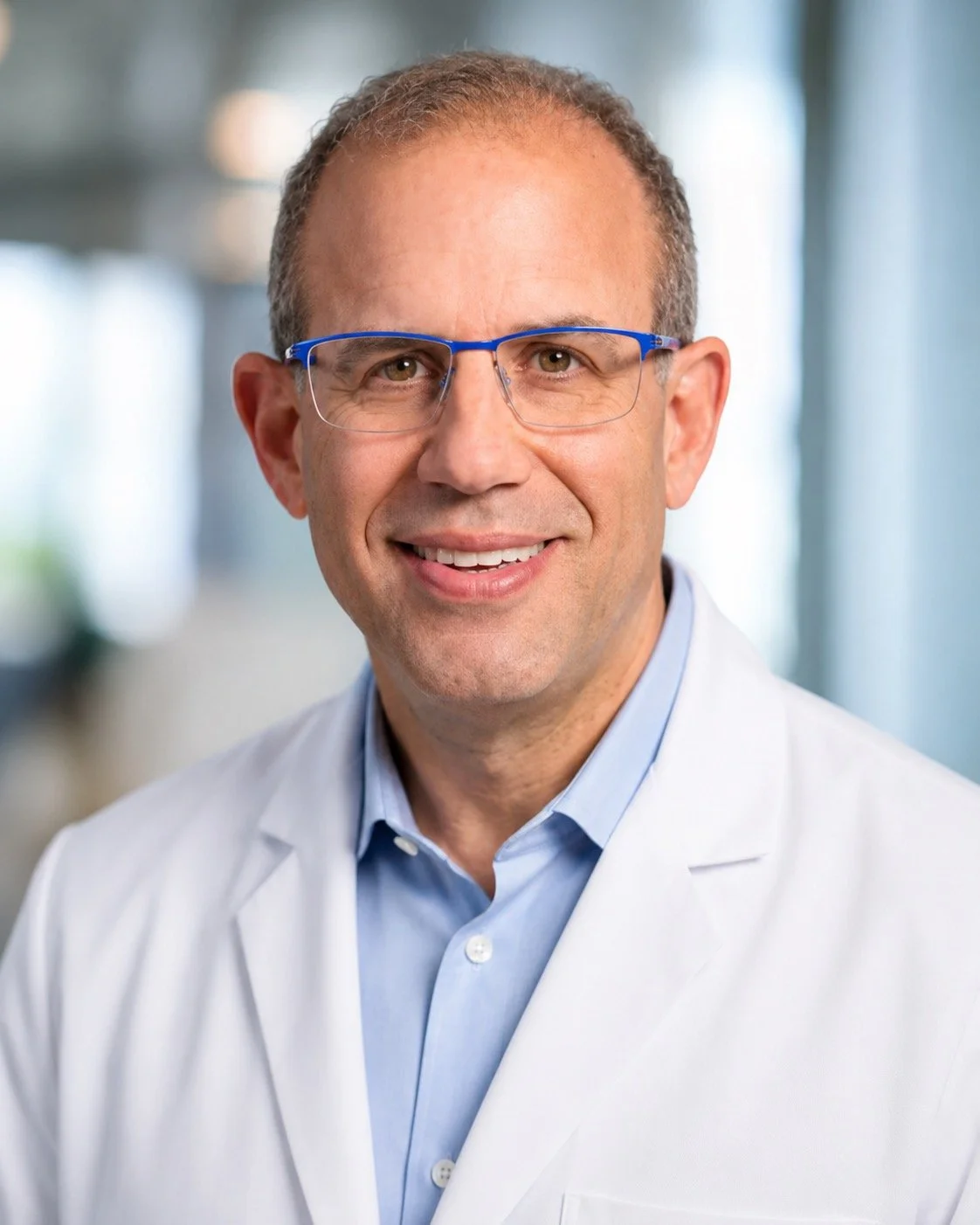
Transform your brain health with Dr. Josh Helman
What can you do today to protect your brain decades from now?
Dr. Josh Helman joins Rip for a deep dive into Alzheimer’s disease, dementia, cognitive decline, sleep, exercise, inflammation, vascular health, vitamin deficiencies, stress, environmental exposures, and nutrition.
After more than 20 years in emergency medicine, Dr. Josh shifted his career toward helping patients experiencing cognitive decline and other neurological conditions.
In this conversation, Rip asks the questions many families want answered:
What exactly is the difference between Alzheimer’s and dementia?
What does someone mean when they claim cognitive decline can be “reversed”?
How strong is the scientific evidence?
Why is deep sleep so important?
What role do blood vessels, exercise, and diet play in brain health?
And what can we start doing right now?
Dr. Josh also shares why he personally follows a low-fat, plant strong diet and why he believes brain health and cardiovascular health are deeply connected.
The conversation also explores several areas that remain debated or outside conventional medical practice, including environmental toxin testing, mold, chronic Lyme disease, blood filtration, and other specialized therapies.
The big takeaway?
Don’t wait for memory loss to start protecting your brain.
Move your body. Prioritize restorative sleep. Eat fiber-rich whole plant foods. Manage stress. Stay socially and intellectually engaged.
And get Brain Strong.
Episode Resources
Watch the Episode on You Tube: https://youtu.be/NZ1eZUUOKpw
Connect with Dr. Josh: https://drjosh.com/
We hope to see YOU at one of our Live Events! https://plantstrongevents.com/
Our new Meal Planner is LIVE: visit https://goplantstrong.com/ and use code podcast to receive an additional $10 off an annual subscription (It’s just $69/year!)
To stock up on the best-tasting, most convenient, 100% PLANTSTRONG foods, check out all of our PLANTSTRONG products: https://plantstrong.com/
Give us a like on the PLANTSTRONG Facebook Page and check out what being PLANTSTRONG is all about. We always keep it stocked full of new content and updates, tips for healthy living, and delicious recipes, and you can even catch me LIVE on there!
We’ve also got an Instagram! Check us out and share your favorite PLANTSTRONG products and why you love it! Don’t forget to tag us using #goplantstrong 🌱💪
Episode Transcript via AI Transcription Service
Rip (00:00)
Doctor Josh Helman, I want to welcome you to the Plant Strong Podcast.
Dr. Josh (00:05)
Rip, it's it's amazing to be with you. And as I told you in person in Austin, you you were one of the key people who taught me or put me down the plant pathway. And so a dozen years on, it's amazing to be actually on your podcast.
Rip (00:22)
Yeah. Well, it's great to have you. As you just mentioned or alluded, we first met at actually that I remember at Casa de Luz, which is that macrobiotic slash whole food plant based restaurant in Austin, Texas. And we were introduced to each other there. it was really wonderful to meet you and I think it was your wife and and
Rip (00:52)
Part of your entourage that was with you
Dr. Josh (00:54)
Yeah.
Rip (00:55)
that evening. But what I discovered is that, you know, you're really into, you know, Alzheimer's prevention and reversal. You are on a mission to protect people's brains. That's a great mission to be on, no doubt about it. You know, I want to know that I've had other people that are very adamant about protecting people's brains on the Plant Strong podcast.
Rip (01:21)
I've had Dean Aisha Schurzai on the podcast, as I'm sure you're you're you're acquainted with. I've had Dr. Dean Ornish on the podcast. And so it's a pleasure to have you as well now, especially since as we as we all know, dementia and Alzheimer's is ravaging this this society right now. So my first question, well actually, Josh, before we jump in, where am I talking to you from right now?
Dr. Josh (01:51)
Yeah, so I'm in West Palm Beach, Florida, Florida, where there are literally 800,000 people with Alzheimer's. This is a huge problem. I've I've lived in Florida for about twenty years, but I've I've been all around the country. I worked at true north in California for a few years, l learning how fasting and going plant strong can can reverse diseases, not just
Dr. Josh (02:20)
brain diseases. And, it it's great to see not just you, but, f from your father, where changing using plants to reverse heart disease. Well, the way I look at it, I'm I'm using the same type of technology to reverse brain diseases.
Rip (02:38)
So you initially got into emergency medicine. And then at some point you decided that you were gonna pivot out of emergency medicine into kind of Alzheimer's prevention and reversal. What what made you decide to make that pivot?
Dr. Josh (02:57)
Yeah, so it was a couple of things actually. I did for for over twenty years in in 14 different states around this country, I practice emergency medicine where it's amazing, saving people's lives. but one of the things I would see in emergency rooms is not just acute conditions, but chronic conditions, including stroke and dementia and and
Dr. Josh (03:25)
And and people would come to the emergency room in the middle of the night for a third opinion because they've seen their they saw their primary doctor, they they went to a specialist and they weren't fixing their chronic condition. And they they would often show up to the emergency room. And I'll be up front with you. One of the reasons I I got out, I really enjoyed the adrenaline, et cetera. But I looked around, I was the oldest person there, not just the physicians, the nurses. I I think emergency medicine is a young person sport.
Rip (03:52)
Mm.
Dr. Josh (03:53)
I I can work night shifts. It's just but I what I realized is that there are very few physicians focused on preventing and reversing brain disorders. And I got into this niche a dozen years ago working for an anesthesiologist of all specialists who had a clinic in Tampa, Florida reversing ALS, Alzheimer's.
Dr. Josh (04:21)
mold and lime toxicity. basically he was running an almost like an intensive care unit. Some patients were seizing, etc. And we were doing daily IVs, working on diet, et cetera. And I realized that there were very few people like myself with two degrees of biochemistry who have the technology, the knowledge to apply that and and and seek out the cutting edge technology. So
Dr. Josh (04:50)
both both seeing that I was the oldest person here and guess what? They're they're training new emergency medicine physicians every year. They're not training people, physicians like like me or or people like like you and me and many of the listeners who who see that changing what people eat, changing people's diet, has an amazing effect on the brain in and and can prevent and reverse certain conditions.
Rip (05:17)
Yeah. Okay. So emergency medicine's a young a young D's game and you you're in this for the long haul and so yeah.
Dr. Josh (05:27)
to tot totally and
Dr. Josh (05:29)
and and you I know for many years you're you were a firefighter. do do you still are are are you still work working as a firefighter?
Rip (05:39)
No, Josh. I I I
Dr. Josh (05:42)
Yeah.
Rip (05:44)
retired from firefighting in two thousand and nine at
Dr. Josh (05:47)
Okay.
Rip (05:48)
at the age but I took early retirement after twelve years in order to to pursue really this path of me being a wellness evangelist, right? A crusader for all things around a whole food, you know, plant strong lifestyle. Yeah. Yeah.
Dr. Josh (06:06)
That's awesome.
Rip (06:08)
So let's get let's get back to to your journey. So your grandmother, Eileen, pla played a very instrumental role in I think you choosing this path as well. So what what's what's her story and how did how did she shape your you know, your brain?
Dr. Josh (06:28)
totally. So when I was a teenager, I unfortunately my grandmother Eileen developed Alzheimer's. So I saw firsthand how this affected her. And it's devastating. But what I also saw was frankly the fear and the concern of my parents and their generation, because there's they're thinking, wait, this is Grandma Eileen today. What's going to happen to us in 20 or 30 years? And and also say at the same time,
Dr. Josh (06:57)
I was I was a nerd as a teenager. I was literally studying biochemistry. And what what what what
Rip (07:03)
Yeah.
Dr. Josh (07:04)
what I love is the things that I was actually learning as a as a teenager, the biochemistry, I am still using today because most of it hasn't changed. I'm still using today to help my patients with their brains.
Rip (07:19)
All right, so I wanna come back to you used you used this term at Casa when I met you and you know, used it recently because
Rip (07:32)
r you y you use you've used the word reversed Alzheimer's and and I'm sure that you don't say that very lightly. and so like in patients, I'm we're just wondering like what specific objective measurements are you using, like cognitive testing, imaging biomarkers, and over what time frame? Because I mean, this is very exciting, and I'm just wondering like
Rip (08:04)
what are we actually talking about here when you use the term reversal?
Dr. Josh (08:08)
Right. So so I'm using all the different ways to measure, as you as you mentioned. To me, the most important is functional tests, specifically cognitive testing, computer testing, measuring how many items people can remember one minute, ten minutes, and and and thirty minutes later, the processing speed and their visual memory. so
Dr. Josh (08:36)
To me, th that's the most important functional test. Of course, there's subjective things when when when I have a spouse who's in tears who said, Look, Dr. Josh, you just gave me my my my husband backed. but and and sure, I I do enjoy looking at markers. I do enjoy seeing that the amyloid and tau will go down in the brain. But again, it's not just me. It's you've had Dean Ornish.
Dr. Josh (09:04)
on on your podcast here. he's he showed that within twenty and he's published a randomized study that in twenty weeks he was able with lifestyle, changing diet, supplements, things like that, he was able to reverse some of the early mild cognitive impairment. And he's got even
Rip (09:25)
But yeah.
Dr. Josh (09:26)
better data now after forty weeks.
Rip (09:28)
Yeah. Well yeah, and you used the term early. So I'm just wondering with your around your protocols and I wanna get into some of your protocols, are there any other peer reviewed, published studies that support that?
Dr. Josh (09:45)
there's the Evan Thea study, which is pre-print. I I think they're gonna be publishing soon. And the preprint with with Kat Toops and Dale Brednesson, that's I think that's going to be published in the in the next few months.
Rip (10:06)
Yeah.
Dr. Josh (10:07)
there's there's the finger study, there's the pointer study,
Dr. Josh (10:12)
So so there are there's more and more evidence that's coming down the pike. So and and I appreciate your perspective is like where where's the evidence? But from my perspective, I've been doing this for 10 years. I I've I've seen firsthand. the the doctor I worked for in Tampa, Florida, Dr. Spinalgo, brilliant physician, but literally he did not want to publish because he didn't want people to steal his techniques. I'm
Dr. Josh (10:41)
I am not that way. I want to share this information with as many people as possible and publish too. But but but to your point, no, I personally have not published what I have seen. but i and I and I don't want to to up here lightly that it's as easy to reverse advanced Alzheimer's or brain disease as it is to prevent it. no, the more advanced the disease it is, the the more
Rip (11:08)
Yeah.
Dr. Josh (11:09)
the more work it takes.
Dr. Josh (11:11)
and but but this notion that there's no hope and that that's just not true anymore.
Rip (11:18)
Mm-hmm. Mm-hmm. you mentioned Dr. Bredizen's, you know, and he's got this reversal of cognitive decline protocol. and I think your approach would you say closely echoes his. His is drawn criticism for lacking any kind of random randomized controlled trials. like what how what's your response to that? Kind of the same thing?
Dr. Josh (11:45)
similar. I if you if you look at Dale Bredison's protocols, his Apollo program, it's mainly it's mainly lifestyle. And the supplementation is oral. I what I would say is what I'm I I I like his protocol, but what I'm doing is more on top of it. I'm using intravenous medications to decrease inflammation in the brain. I am also
Dr. Josh (12:15)
doing blood filtration for patients that have high toxins levels. so I'm I'm using hyperbaric oxygen. So yeah so so w what what what what I think is there needs to be more people like Dale Bredison and myself and Dean Ornish who are who are in this field because this is there's this huge need. There are like seven million people
Dr. Josh (12:43)
in the United States with Alzheimer's. And right now, the only thing on offer essentially is two different intravenous antibody antibodies against amyloid, where in many cases patients will get brain bleeds, brain swelling, and it and that doesn't there there's mild improvement. So my point is that when patients are offered this, they're normally told you can eat anything you want. You don't have to exercise
Dr. Josh (13:13)
Yeah, you you don't have to work the brain. just
Rip (13:15)
Yeah.
Dr. Josh (13:16)
just take this drug and and maybe you'll get lucky. And and and that it just makes me upset that that we we know that that's not the right way to do things.
Rip (13:25)
Yeah. you know, so the the Schurz eyes have a have a have a an an acronym, it's neuro, right? N is for nutrition, e is for exercise, U is for, you know, unwinding, meaning to de stress, R is for restore, so getting good quality sleep, and then O is for optimize, you know, cognitive and social engagement.
Rip (13:51)
And I'm wondering, so you cite metabolism and inflammation, hormones, toxins, mold, infections, and as root causations. And I'm wondering, like, how do you prioritize amongst all those things for an individual patient?
Dr. Josh (14:10)
Right. so the first thing I focus on are toxins. And let me explain why. And and when I say toxins, I'm referring to things like heavy metals, plastics, pesticides, forever chemicals, and mold toxins. And as an aside, what really concerns me is I've been doing this 10, 12 years. I'm seeing higher and higher levels of toxins in my patients. I think there's more toxicity in the environment. So that's number one.
Dr. Josh (14:40)
And the reason I go after that first is that if you start doing the other things, if you optimize energy, if you get rid of microbes, unfortunately, many of my patients have something called biofilm, a biologic sticky film that the bacteria in their in their brains and other parts of their body will spin around the bugs themselves to protect the bugs from the body's immune system. And if you
Dr. Josh (15:10)
Too quickly destroy the bugs by either giving antibiotics, or if you actually give more energy to the cells, including the immune cells, the immune system will do its job and kill the bugs. But when you kill the bugs, they die. And when they die, it's like they explode like a bomb going off. For example, many parasites will store heavy metals within themselves to use as a weapon against other bugs.
Rip (15:40)
Hm.
Dr. Josh (15:40)
when
Dr. Josh (15:40)
those types of parasites or other bugs die, you're s you're suddenly increasing dramatically the level of heavy metals and other toxins to the point that I I I've seen this with with my patients when before I knew better. If I started by killing the bugs, the toxin levels would predominate and I I I I had a patient end up in a wheelchair j just from the increased toxin level. So from
Dr. Josh (16:07)
From a standpoint of safety, I recommend going after the toxins first, lowering the toxin level, which gives you a margin of safety to then do some of the other techniques.
Rip (16:19)
Help me out here, because I'm I'm a complete neophyte when it comes to I I obviously I know what toxins are, I know there's PCPs and mercury and stuff like that. But give me an example, how do you test for toxins? And is it give you one fell like swoosh of the amount of toxins that are in your blood, or are you testing for certain toxins specifically?
Dr. Josh (16:45)
Right. G great questions. And what I would say is unfortunately most of the toxins we're talking about here are are from a category called xenotoxins, meaning they didn't exist hundreds of years ago. Most of them are man-made. So one example of man-made toxins are forever forever toxins. There are they're they're called PFOA, they're they're highly fluorinated organic compounds.
Dr. Josh (17:13)
That were originally used in World War II to protect tanks, et cetera, from from water, et cetera. But then they started using them in the military, firefighters even, to prevent fires. And unfortunately, these these toxins have now gotten into the food supply. They cause cancer, they cause brain disruption.
Dr. Josh (17:42)
They're they're devastating. And so the way I test for them normally in my clinic is through urine. Heavy metals I will also test through blood. You can also test if you have hair, you can also test hair for
Rip (17:57)
Yeah.
Dr. Josh (17:57)
for for heavy metals. But so so but but basically it it's it's either urine, blood, or or hair is how I'm I'm testing for these toxins. And
Rip (18:10)
Right, yeah.
Dr. Josh (18:10)
But but but but
Dr. Josh (18:10)
but you're exactly right. Normally people aren't getting these levels checked. y you know, it was you you may be familiar in Flint, Michigan. There was a whole scare because there was lead in the drinking water, and the the pediatrician who who alerted the press about this, basically initially she got in trouble. You're just like, how how dare you spread word that the water supply isn't safe?
Rip (18:39)
So let's say that I'm a patient of yours and I get tested for high levels of of toxins. Is there a way that we we can remove these toxins from our bodies? Can we can we go into a sauna for, you know, eighteen sessions for twenty minutes at 180 degrees and sweat out?
Dr. Josh (18:59)
Yeah, so so the answer is yes, some of the toxins you can sweat out. That's number one. another thing you can do is eat a diet that's high in fiber. guess what? A plant strong diet is high in fiber, but but unfortunately, by the time I'm seeing these patients, I'm trying to reduce these toxins as quickly as possible. And so I'm recommending not just diet.
Dr. Josh (19:26)
Not just sweating, not just exercise. I'm also recommending a very small peptide called glutathione, which is just three amino acids long. And I'm recommending
Rip (19:36)
Yeah.
Dr. Josh (19:37)
that because it's a proven way to help the body remove toxins. Glutathione is normally produced by the body, but unfortunately, as we get old, as the toxin levels go up, glutathione levels
Dr. Josh (19:52)
go down. What I'm finding, which is fascinating, when I analyze my patients' genetics, most of my patients with Alzheimer's and other brain disorders have specific genetic mutations in the genes or the protein, the genes for the proteins that actually manufacture glutathione like GSST1. So I don't think it's a coincidence that if you you know, we're all born with certain mutations, but if you happen to inherit a mutation
Dr. Josh (20:22)
that affects the metabolism which which which affects the manufacture of glutathione. If you have that mutation, you're much more likely to get much higher levels of these toxins.
Rip (20:37)
Okay, you you just y mentioned
Rip (20:42)
Plant-strong diet, got the fiber. That's another thing that can help drought toxins. How do you classify yourself when somebody asks you, hey, Dr. Josh, how do you eat? I mean, are you plant forward? Are you plant-based? Are you plant-strong? Are you vegan? Are you whole food plant-based? Are you Mediterranean? What are you?
Dr. Josh (21:04)
Yeah, so I I tell people I am plant strong and low fat. That's that's what I normally recommend for for mo for myself and for most of my patients.
Rip (21:15)
Okay. So you're not then a fan of animal products or dairy?
Dr. Josh (21:21)
I'm not. And and I think it's really important for for listeners to understand that there is no nutrient that humans need that you have to get from animal products. so that and what once I heard that, number one, number two, we just talked about toxins. It turns out the higher you go on the food chain, the amount of toxins go up and up and up. So if you happen to be eating at the top of the food chain, whether that's fish or beef or chicken.
Dr. Josh (21:49)
you're getting a much higher level a load of toxins. You are what you eat. If you're eating food that has high levels of toxins, you unfortunately will become toxic too. So, so yeah, so I I think a a plant strong diet that's low fat is the ideal diet.
Rip (22:07)
Yeah. let's take a step back for a second. And I'm glad to hear you say that about the plant strong diet.
Rip (22:19)
When you mean my understanding is a lot of people with Alzheimer's have these amyloid deposits that are in the kind of pockets of their brain. explain to the audience what exactly is amyloid and w do we know like what are the main drivers of the beta amyloid into the cell pockets in our brain?
Dr. Josh (22:47)
Yeah, so it's it's fascinating. So amyloid is a certain type of protein that the body will deposit on the outside of neurons as a as a method to heal. Amyloid itself is antibacterial. So, for example, if you happen to have an infection in your brain, one of the techniques the brain will use is actually to deposit this amyloid to act.
Dr. Josh (23:15)
As a way to heal the damage from either the infection or if there's inflammation. And and I mentioned at the beginning that there are a couple medications now that are approved in the United States for Alzheimer's that are antibodies against amyloid. And it turns out that in many of the cases, if you use medications,
Dr. Josh (23:43)
you can cause brain swelling and brain bleeding because it's as if, if if you cut yourself and your body was trying to heal the the wound with a scab, and if you kept ripping the scab off, you you you might bleed again. It's the same thing in the brain. The br the amyloid is actually healing, helping to heal a damage. And if you have an antibody against it, you can potentially cause bleeding and swelling from that.
Dr. Josh (24:12)
and unfortunately it's not one-to-one. It's not, it's not like if you get rid of the amyloid all of a sudden automatically your brain is going to start working again. It's not unfortunately, it's not that simple. There's also a protein called Tau that gets misfolded and deposited in the inside of neurons. But to complicate things just a little bit from a genetics, there are certain
Dr. Josh (24:40)
Proteins that will help regulate and remove amyloid. And many of my patients with Alzheimer's have a defect in in a gene like MAPT, MAPT, that normally helps remove the tau protein. So there are many layers to it. You know, I I I wish it was that simple.
Dr. Josh (25:07)
twenty years ago was or even longer, we we'll just we found that amyloid is sometimes associated with Alzheimer's. If we just come up with a d a a drug against amyloid, we're gonna fix all the problems. And so far that has not turned out to be the case.
Rip (25:23)
So so I I'm just trying to get my brain wrapped around everything you just said here. And so tell me if this is is accurate at all. So just like with heart disease, you have the plaque formation and it's really in in in part because of just this chronic inflammatory diet that we're feeding ourselves. And so, you know, we don't have much when we're ten, even twenty years old, but gradually it builds up and and now it basically it presents itself.
Rip (25:53)
in our forties, fifties, and sixties. So with Alzheimer's, is the amyloid also trying to is like a a it's almost trying to protect you from the an injury that's caused from inflammation, but because of the chronic inflammation, it just builds and builds and builds. Is that accurate or not?
Dr. Josh (26:10)
That that the
Dr. Josh (26:11)
that that is accurate. And but there's also another level, which guess what? The brain is a highly vascular organ too. Most
Rip (26:19)
Yeah.
Dr. Josh (26:19)
of my patients with Alzheimer's and other brain disorders also have vascular dementia, where the blood vessels inside of their brain are also
Rip (26:28)
Mm.
Dr. Josh (26:28)
getting plaque, et cetera, which is why I think a a plant strong diet also helps for those patients too.
Rip (26:36)
Got it. So over the course of the last 10 years, how many different patients have you worked with?
Dr. Josh (26:45)
it's it's gotta be close to three thousand.
Rip (26:48)
Okay. Is there I would imagine you have lots of stories is stories. Is there one story that sticks with you, where their transformation surprised even you?
Dr. Josh (27:02)
Yes. I I yeah, I'm I'm thinking about one patient who who had gotten married later in life with with
Rip (27:13)
Yeah.
Dr. Josh (27:13)
Alzheimer's and i it was th this was a a little while ago w before I had some of the blood filtration techniques. So it literally it took it took eight or nine months of constant IV therapy, intensive therapy.
Dr. Josh (27:32)
but at the end of it, the the wife in in tears told me, you know what, you you gave you gave me my husband back and they're part they're parts of of him I I'd never met before because the
Rip (27:47)
Hmm.
Dr. Josh (27:47)
again they admit it later in life. So it's it's you know it's it's really moving that the human side of it and and similarly where
Dr. Josh (27:59)
yesterday I had a patient who actually from Ecuador where her whole family that there were five five other five five of her her kids on the line. it it's just it's just great to see whole families rallying behind behind their their loved one. So
Rip (28:22)
Mm-hmm.
Dr. Josh (28:23)
so I so I love that there's there's a human story. This isn't just
Dr. Josh (28:27)
cold hard science. There there's a human side to this. And w what what I also love is when I see reversal, often the first thing that comes back is not memory. It is better interaction with their family members. So yeah.
Rip (28:43)
Hmm. Hmm. Yeah.
Rip (28:46)
So for somebody who's watching right now and they've got a a parent or a loved one who is declining and has been stricken with dementia or let me ask you this before and I'll and I'll get back. Is dementia are dementia and Alzheimer's interchangeable? What's the difference between the two?
Dr. Josh (29:08)
Yeah, so it turns out dementia is the umbrella term, that there are many different types of dementia. Alzheimer's is just one type of dementia. It turns out in the United States, about 70% of adults' dementia is from Alzheimer's. So
Rip (29:23)
Okay.
Dr. Josh (29:24)
often I'll use them interchangeably. They're they're not necessarily, but in the United States, often they are. But just to also try to clarify, Alzheimer's is not a clean single cause dementia.
Dr. Josh (29:37)
Effect type approach. It turns out from studying it, for for most cases of Alzheimer's, you have between 30 and 200 root causes behind it. And they're different patient to patient in terms of the amount and the importance. So this is this is turning out to be a lot more complicated than the model of plaque in arteries. you know, sure, sure,
Rip (30:03)
Right, right.
Dr. Josh (30:04)
there are there are a bunch of causes, but
Dr. Josh (30:06)
But it it's turning out to be much more complicated in the brain.
Rip (30:10)
Yeah, no, with with my father, he basically has one protocol for for all of his patients, right? Eat a eat
Dr. Josh (30:17)
Right, right.
Rip (30:19)
a whole food, plant-based, low fat diet, and then come back to me in you know three months, six months, a year, and let's let's let's see what's going on. So you're saying with with the dementia slash Alzheimer's, it's multi multifactorial, it's customizable.
Rip (30:39)
based upon the testing you do, the genetics, toxins, inflammation, the the the whole list that we talked about. So yeah. Yeah.
Dr. Josh (30:48)
Correct. Yeah, yeah.
Rip (30:50)
It sounds like it sounds like quite the intellectual pursuit there, especially when you're trying to tackle each individual. Where do you so where do you start? if somebody comes into you with with Alzheimer's and
Rip (31:08)
Do you start with a blood test? Do you what do you do?
Dr. Josh (31:12)
it's interesting. I'm people will come some people will come with a whole workup that's, a whole book of
Rip (31:18)
Yeah.
Dr. Josh (31:19)
tests they've already had. And some people will come with nothing. You know, I I'm the first person they're seeing. So in
Rip (31:25)
Yeah.
Dr. Josh (31:26)
that case, if I'm the first person they're seeing, one thing I'm I make sure that I do is that I get a brain scan, either a CAT scan or MRI of the brain, if they have dementia, to make sure
Rip (31:35)
Yeah.
Dr. Josh (31:37)
that this isn't from a tumor like a cancer or a bleed in the brain, because
Dr. Josh (31:42)
Those you treat differently and you want to know about that sooner rather than later. But but normally I I explain the all these different things, and the first thing I will start with actually is sleep. It turns out the number one risk for risk factor for developing Alzheimer's is not getting enough deep N3 sleep. So if they have if they're not sleeping well or if they haven't had a sleep study, I normally recommend that they start there because.
Dr. Josh (32:10)
During deep sleep, that's when the brain can remove the amyloid and consolidate memories.
Rip (32:17)
Wow. How about that? So do you have any any suggestions for a good night's sleep for people?
Dr. Josh (32:26)
Yeah, so obviously exercise can can promote deep sleep. I I recommend a sleep study because you don't know if you've got sleep apnea or or how much of the deep sleep you're getting. if they're having trouble getting to sleep, I normally recommend natural products like magnesium or lavender as opposed to pharmaceuticals. You know, the things like Benadryl or
Dr. Josh (32:57)
Librium, et cetera. They may help you get to sleep, or even alcohol. They may help you get to sleep, but unfortunately it's not the deep restorative sleep. And and and what we're seeing is patients who have been on Benadryl or Valium for years on end, are more likely to get brain damage or dementia later in life.
Rip (33:19)
Yeah. So,
Rip (33:24)
Let's say I come into the office with my uncle who's experiencing what we you you diagnose as as Alzheimer's. What's the the first most doable doable thing that you could tell us to do that week, immediately?
Dr. Josh (33:43)
Sure. So so the first thing besides focusing on sleep would be focus on diet and exercise. Th those are easily modifiable. Exercise is free. Diet e plant plants aren't free, but they can be less expensive than the alternatives. yeah.
Rip (34:01)
Yeah. Yeah.
Rip (34:03)
I saw on your Instagram channel you doing a fair amount of exercise and talking about how exercise obviously boosts brain health. You like leg day, you know, legs also help
Dr. Josh (34:17)
Mm-hmm.
Rip (34:18)
the brain, which I I definitely appreciate very much. how how often does you mention sleep as kind of something that
Rip (34:30)
is that affects people's, I guess, brain. How often do you see somebody where they either have a some sort of a vitamin deficiency, depression, or mild cognitive impairment that is actually not Alzheimer's?
Dr. Josh (34:47)
I see. I I would say not infrequently, maybe
Rip (34:54)
Yeah.
Dr. Josh (34:54)
one in one in ten patients. It's it's not Alzheimer's. It could be vitamin D deficiency, it could be magnesium deficiency. you know, it's sad. I I find most people these days are actually deficient in both vitamin B twelve and vitamin D, whether you're
Dr. Josh (35:16)
Plant forward or eating tons of meat, regardless of diet, I'm seeing a huge, unfortunately, a huge amount of deficiency in both vitamin D and B12. But I I want to put a warning out there. I've also seen patients who are taking too much vitamins externally, specifically vitamin B6. I've seen people with not only dementia, but tingling in the hands and the feet from getting too much vitamin B6. They may be taking.
Dr. Josh (35:46)
five different supplements that have a moderate amount of B six, but that adds up to too much. So I I would say be before t taking supplements or medications, definitely run it by your physician to make sure
Rip (35:58)
Yeah.
Dr. Josh (35:59)
it's safe.
Rip (36:00)
So I I noticed that you like your patients to have a vitamin D level between seventy and a hundred. I would imagine that most Americans are not not in that range. In fact,
Dr. Josh (36:15)
No, no, i i it no no.
Rip (36:18)
I would imagine most Americans are s are sorely if that's if that's the standard are deficient. I know that I know that I it I know that I'm like
Rip (36:29)
In the high thirties, low forties. And I live in Austin, Texas, and I'm out in the sun a fair amount. So would you recommend somebody like myself even supplement on top of my sun exposure?
Dr. Josh (36:41)
I would. I would try to at least double your vitamin D level. And that's not uncommon. I see carpenters here in or roofers here in Florida who are literally
Rip (36:51)
Yeah.
Dr. Josh (36:52)
exposed to the sun every day and yet yet their vitamin D levels may be thirty. And I think that's because of, you know, vitamin D is a fatty top it's a fatty vitamins. I I think
Dr. Josh (37:07)
Number one, our toxin fatty toxin exposure is is going up. But number two, in order to absorb that vitamin D from the sun, you actually have to abstain from bathing soap, etc. So it yeah, I
Dr. Josh (37:23)
I mean I mean our ancestors thousands of years ago were not, you know, chupping in the shower a couple of times a day normally with with soap and water.
Rip (37:29)
Well, I well, I should be good then. I never bathe. But I
Rip (37:35)
but but Josh, I do I do swim. And I'm usually s swim usually at least once a day. So that might be my the culprit there. What about B twelve? Because you know, I know the range on B twelve is like, you two fifty to a thousand roughly. so you're actually seeing patients come in below that two fifty for the B twelve?
Dr. Josh (37:58)
I I I am not not all the time, but but but even but again with with B twelve I like to see the number towards a thousand, not
Rip (38:07)
Yeah.
Dr. Josh (38:08)
not the two fifty. And here's the other interesting thing I'm finding on genetics, there's some of my patients that have a defect in the ability of transferring the vitamin B twelve into their brain. So these tests we're talking about are blood tests, which are great. But what I care about is I want to make sure.
Dr. Josh (38:27)
That vitamin B12 is actually getting into their brain cells. So
Rip (38:31)
Mm.
Dr. Josh (38:31)
for those patients, I want, I actually want their B12 level above a thousand because it's not what's in the blood, it's what's in their brain cells that are important to them.
Rip (38:42)
Hmm. I'm gonna switch gears for a second, Josh. So I've noticed that common threads in your work are mold and lime. talk about that.
Dr. Josh (38:56)
Yeah, so it's very true. I've seen many of my patients with Alzheimer's and brain disorders have high levels of mold, and especially black mold, the the trichothecine. and I've also seen a good amount of Lyme disease, Bartanella, and parasite infections. And I learned a lot of this at this Spinalgo clinic in Tampa.
Dr. Josh (39:25)
starting just over 10 years ago. And I I know it's controversial, but traditional medicine only recognizes acute Lyme disease. They don't, in general, even infectious disease doctors don't recognize that someone can have a chronic Lyme infection. Lyme is Lyme disease is caused by a spirochete, which is just a spiral bacteria
Dr. Josh (39:51)
Well, what are some other spiral bacteria? Well, syphilis is one of them. And they they do recognize that that you can get tr tertiary advanced syphilis in the brain nails for, but for some reason they haven't made that connection yet. But I've definitely seen it. My patients with brain disorders will often have high levels of Lyme infection. And when I when I treat the Lyme disease, I I can often improve their
Dr. Josh (40:20)
Their cognition. Mold is a little bit different. Mold is is tough to treat because you have to treat two different pieces. The, for example, black mold, you've got the mold spore, you've got the live mold, and then you've got the the toxin, the fatty toxin that it produces. And this toxin can can actually go in through the air, it can get go in through the skin. It can actually go in through the eyes back into the brain. This is
Dr. Josh (40:50)
Mold tox some of these mold toxins are they're biologically active, they're studied by the military because they stop rapidly dividing cells, for example, in the gut. Many of my patients with mold toxicity, not only will the the mold affect their brain, but it also embed in their gut, preventing absorption of food, supplements, medications. And those are some of my sickest patients who are.
Dr. Josh (41:20)
They may be as skinny as a skeleton because they eat, but their food, their their nutrients are not getting absorbed. So of course, mold has been around for, you know, for forever. but what's different is we now live in buildings that are sealed to be energy efficient. And they the construction used in buildings is drywall these days.
Dr. Josh (41:50)
And drywall is a great, it's it's a great substance for mold to grow on. So
Rip (41:54)
Mm.
Dr. Josh (41:56)
mold can obviously embed in the sinuses and other parts of the body. And I've also seen a common pattern where patients will will have conjec sinuses around the ears congested with mold, but then the mold spores, especially if if they're being treated with antifungals.
Dr. Josh (42:18)
The mold will actually travel from the sinuses back into the brain, into through it's called the ethmoid sinus, into the middle lobe of the frontal lobe. and embed there when I when I look at PET scans with neural quant imaging of my patients, I'll actually see the the decreased activity in the frontal lobe from from the mold. And and again, this is not traditional medicine. This is not something I learned in emergency medicine or even in.
Dr. Josh (42:46)
my two degrees in biochemistry or I'm board certified in lifestyle medicine. They're not normally talking about this. You do see some people in functional medicine, integrative medicine talking about it. But I I I've I've taken care of some of the sickest patients with with both mold and Lyme disease. And what I find fascinating is often it's both. Patients will have both. It's devastating to the immune system, to many different body systems. And
Dr. Josh (43:16)
It's not just elderly. I've seen teenagers. Some of the sickest patients I've seen are teenagers with both Lyme
Rip (43:22)
Yeah.
Dr. Josh (43:22)
disease and mold toxicity to the to the point where they want to go to college. But but I'm like, why, you know, college is a fun experience, but why would you want to go to college for a year if you can't remember that experience? So I've had patients where, you know, we would have to say, why don't you take off a year of starting college so we can clear this stuff out?
Dr. Josh (43:44)
So you can get your brain working again, so you can actually not just have a fun experience, but also remember what you're learning.
Rip (43:51)
So this is a so the protocol to help remove either these the the lime or the the mold, it's it's I mean it's several months to years.
Dr. Josh (44:05)
Correct. So w when I started this ten years ago, we didn't have the blood purification. So it would take sometimes a year of daily IV therapy, IV glutathione, phosphytocholine and and and antibiotics, antifungals. So that was ten years ago. Now with some of the the TPE blood purification, we've got that down to two or three months sometimes. So so what what I'm really excited is I've just seen in my own practice
Dr. Josh (44:35)
New technology can make so much of this a lot easier.
Rip (44:39)
And is is this are these protocols that you're using are these typically reimbursable by health insurance or not?
Dr. Josh (44:48)
Yeah, so unfortunately not not often because traditional insurance doesn't normally recommend mold toxicity. It doesn't recon recognize chronic Lyme disease.
Rip (45:02)
Yeah.
Dr. Josh (45:03)
I mean there's there's some people with with with plant plans that are more forgiving, but but in general it's very hard to get insurance companies to pay for cutting edge, what what are considered cutting edge technologies.
Rip (45:18)
Yeah. man, that that must be rough when you know you can help somebody but they can't afford the treatments.
Dr. Josh (45:28)
It's it's it is really tough, which is which is one reason why I will start and I will lead with why don't we focus on lifestyle? You can change what you're putting in your mouth, you can change whether you're going to the gym or not, you you can change how much sleep you're getting potentially. You can change
Rip (45:44)
Yeah.
Dr. Josh (45:44)
how much stress you're under, potentially.
Rip (45:47)
Yeah.
Rip (45:48)
You're also a proponent of stress management and and breath work. what what like how does how would you incorporate that into one of your patients' daily routine?
Dr. Josh (46:05)
Right. So and again, each patient's gonna be a little bit different. If they enjoy yoga, I'd say do do yoga every single day to lower your stress level. if they don't like yoga, you know, maybe they're okay with prayer, maybe they're okay with breath work. I I I will maybe they're okay with, you know, there's certain devices, you can listen to music, you can listen to bin oral beats to entrain s some of your your thinking.
Dr. Josh (46:35)
so what what I do is I I give people a menu of different choices and I say, you know, try this, try that. Did di differ different things work for different people. There's some people who expand to lavender essential oil. There's some people who don't. You know, so it's it's it it's very personal.
Rip (46:53)
Yeah. In your opinion, is there an age where it's like too late to start prevention or reversal work, or is it never too late to make a difference?
Dr. Josh (47:06)
Yeah, the I I I'm I'm very emotional about this because I I see literally every single week, I get I see people in their eighties or nineties who've basically been told by one or more doctors, there's you're you're you're getting old, there's really not much we can do. Because to my mind, it's like I think we could live pat easily past a hundred. There is no magic age. so so what I would say is there is hope, but here's the flip side the more advanced the Alzheimer's is, the more advan
Dr. Josh (47:35)
The more difficult it is. If if you or a loved one are at the point where you don't understand what's happening around you, if I want to draw blood from you or do a you know put an IV in, I need three people to restrain you. I mean, that's a much different scenario than than trying to treat someone early. But I would say in general, there is hope. And I and I don't people I don't want people to take that away. Now now the flip side is, you I've
Dr. Josh (48:03)
I've worked in hospitals and ICUs with with extremely sick people who've been basically written off and I've seen I've learned humility because you don't know. You don't know what often what the underlying causes are, and you don't know what the changes that can be there. So for people categorically to say, you know what, you're too old for us to even worry about this, no, that I I think that's that's completely inappropriate.
Rip (48:30)
Okay, so outside of that myth is there another common myth that you wish more people in America understood was false?
Dr. Josh (48:44)
Yeah, the the myth that it doesn't matter what you eat.
Rip (48:48)
Mm, mm-hmm. Yeah, that's a big one. Yeah.
Dr. Josh (48:51)
Yeah, because because but
Dr. Josh (48:53)
i it's a huge one because the the typical American diet is very inflammatory and and as you know, the the narrative and the education of most people is influenced heavily by the big food industry. So if if people just knew that, hey, if you just eat 30 different plants.
Dr. Josh (49:19)
a a a week, you're you're gonna you're going to have a much healthier gut microbiome, your inflammation in your gut's better, in your brain is better, in your other organs will be better, and your longevity and and quality of life will be improved.
Rip (49:35)
Yeah. So you're you're you said you've been doing this now for twelve years, is that right?
Dr. Josh (49:41)
Correct.
Rip (49:41)
But right around right around twelve years you've been tackling this hard against against Alzheimer's. is there anything recently, just in the last six months, that has you more excited than ever?
Dr. Josh (50:00)
wow, I only get to pick one thing. yeah, so I'm going to be interviewing this this weekend a doctor who has a magnetic helmet that can basically help improve the electricity of the brain. So that that's what's on my radar for this week. But I can
Rip (50:25)
Wow.
Dr. Josh (50:25)
tell but I can tell you for the last two years, I've been giving
Dr. Josh (50:29)
patients an FDA approved drug for compassionate use that decreases the inflammation in the brain. And I'm seeing improvement. It's it's it's a monthly dose given IV and it's it's not the ones against amyloid. And I'm seeing improvement in in all of my patients. So and
Rip (50:47)
Hmm, mm.
Dr. Josh (50:48)
so so there is hope. It's just that most people, most physicians haven't haven't heard about this.
Rip (50:57)
Yeah, well that that a magnetic magnetic helmet. That
Dr. Josh (51:01)
Yes.
Rip (51:02)
and the well, listen, I mean, I'm sure that over the next five to ten years, we're not gonna believe the the the different modalities that are available to help people with dementia and Alzheimer's. I also I saw on your your Instagram that you're you're a fan of hormone replacement therapy for
Rip (51:25)
Women, especially during I think it was pre premenopause, because it also reduces their chances of Alzheimer's. Is that correct?
Dr. Josh (51:32)
True. Perimenopausally, yes. And and I see data that basically twice as many women as men end up with Alzheimer's. I think one of the reasons women are much more likely to get Alzheimer's is the the rapid drop in estrogen that happens around menopause. So if we if we can get that early, we can help prevent prevent it because we we now know that estrogen, estradiol is very important.
Dr. Josh (52:02)
important for normal brain function.
Rip (52:06)
Gotcha. And so you, Dr. Josh, you have a podcast yourself. What's it called? And how often does it drop?
Dr. Josh (52:14)
Yeah, it's it's every week. It's Alzheimer's breakthrough with Doctor Josh.
Rip (52:20)
Well, how long have you had it?
Dr. Josh (52:22)
it's been just over a year. I have over seventy episodes.
Rip (52:28)
Well, congratulations on that. seventy, you're chugging along. Way to be.
Dr. Josh (52:33)
yeah,
Dr. Josh (52:33)
it's it's it as you know, it's a lot of fun. You get to meet you meet cool
Rip (52:37)
Ha ha ha.
Dr. Josh (52:38)
people and talk about cutting edge techniques.
Rip (52:42)
Yes you do. Yes you do.
Rip (52:44)
I also noticed that are are you recently did are you in or did you appear in a movie as as yourself?
Dr. Josh (52:50)
Yeah. I
Dr. Josh (52:53)
I did, yeah. So this was filming in Nashville just a few weeks ago, a a a series called Watergrave. It's a it's a mystery series with with cops and and everything else like that. And I I I have I have a patient there with Alzheimer's. I I try to reverse and I get to play myself and th this is
Dr. Josh (53:19)
My first acting role and it was just fascinating.
Rip (53:21)
Yeah.
Dr. Josh (53:23)
also writing and and and pr helping produce. So yeah, I I it's it's it's so far it's been amazing.
Rip (53:32)
Yeah, yeah.
Rip (53:34)
So if people if people want to know more about your work, your clinic in Florida, your podcast and all that stuff, is there one location where we can send them?
Dr. Josh (53:46)
Yeah, pro probably the easiest way is just my website, which is just drjosh dot com drjo. Just six letters. Most of my patients can remember that. and then from there you can find my podcast at drjosh dot com slash podcast. and I've got a new book coming out in in a few months on getting your brain back. So yeah, I mean it's it's exciting times and and rip I I I
Dr. Josh (54:15)
I really appreciate the opportunity to be on on your show and and share the information that there is hope for preventing and reversing Alzheimer's.
Rip (54:25)
Yeah. No, listen, there's so many people that have lost hope and and I I I I love I love your message. and the way you've really taken the deep dive into helping people figure out what they can do to save their brains. Cause, you know, we all know how important, you know, y your the other organs are, right? Your heart, your your your lungs, your kidneys. but man, that brain's a biggie.
Dr. Josh (54:56)
yeah. And and the fact that you can have damage going on for twenty or thirty years with huge reserves until when you finally notice it, there's a huge amount of damage that's already been done.
Rip (55:07)
Yeah. What's the what's the name of your new book? And do you know when it's gonna drop?
Dr. Josh (55:11)
Yeah, so the the name of it is Get Your Brain Back with a Harvard trained medical doctor. and the it'll drop in the next couple of months.
Rip (55:24)
All right. Well, you know what? A after it drops, let's get you back on here, okay? Yeah, yeah.
Dr. Josh (55:30)
Okay, we'll do. That'll be a lot of fun.
Rip (55:32)
We'd love to love to help you promote it. All right, well, Dr. Josh, you know what we gotta do, as we're as we're heading out here, we gotta you gotta give me the Plant Strong Fist Bump. Boom. All right, brain strong, baby, brain strong. All right.
Dr. Josh (55:43)
Okay. Boom. All right. All right. And peace and plants. All right.