#340: Jan Liband - The Masculinity Myth That’s Wrecking Men’s Health
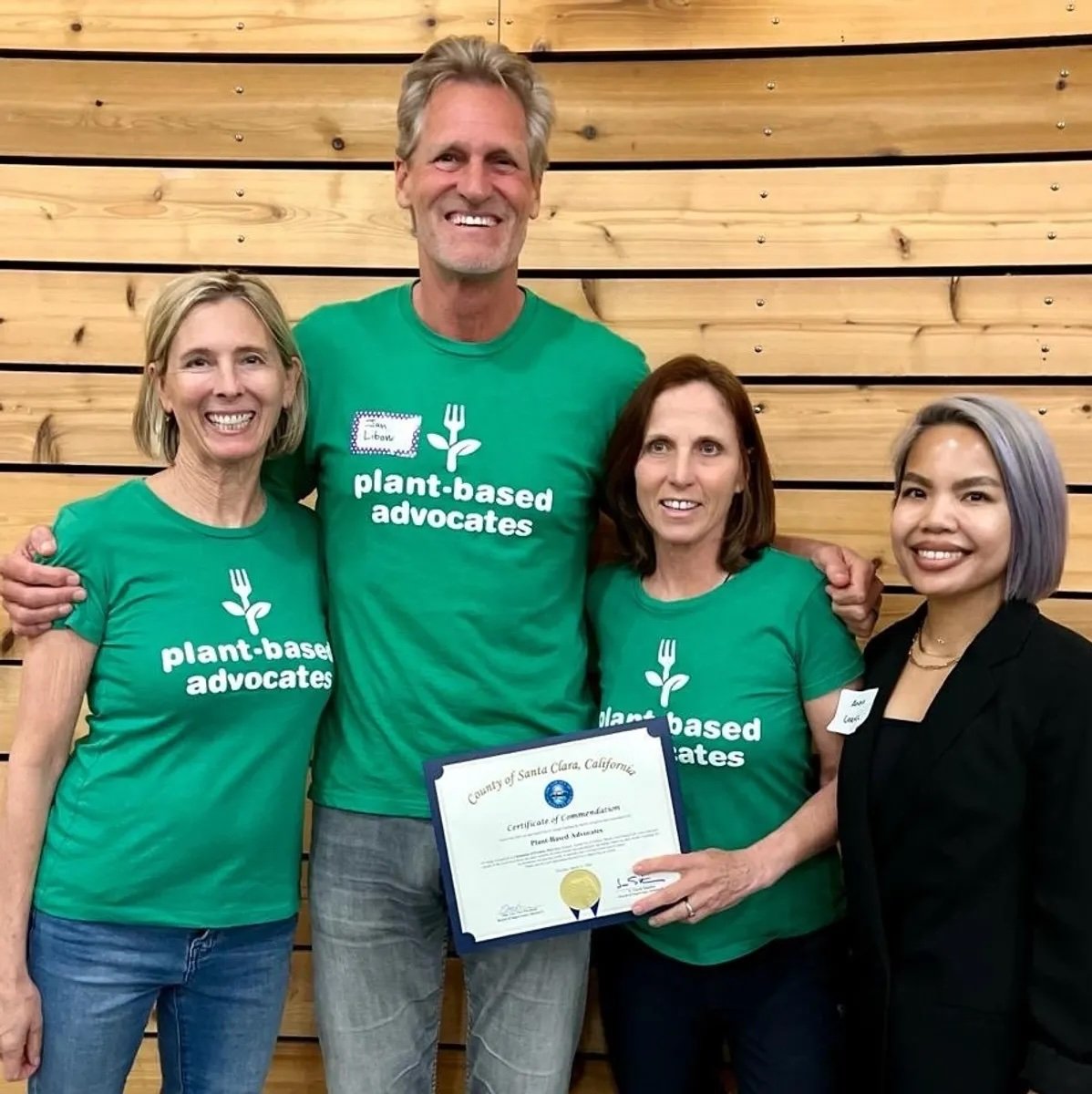
Jan Liband has been a plant-based advocate for 40 years!
In this deeply grounded conversation, Rip sits down with Jan Liband — a former college athlete, longtime plant-based advocate, and expert in food and environmental sustainability. What began for Jan as a single pamphlet exposing the environmental toll of animal agriculture became a lifelong commitment to plant-based living nearly 40 years ago.
Jan shares his journey from a meat-centered, “healthy by 1980s standards” diet to discovering how plant-based eating dramatically improved his energy, recovery, and athletic performance.
Along the way, Rip and Jan tackle some of the biggest barriers to change — especially for men — including cultural conditioning, fear of change, and the never-ending obsession with protein.
The conversation goes beyond personal health and zooms out to the bigger picture: how our global food system drives roughly one-third of greenhouse gas emissions, accelerates deforestation, drains freshwater resources, and threatens biodiversity. Jan explains why dietary change is one of the fastest, most impactful climate actions individuals can take — far faster than waiting on energy or infrastructure shifts.
From practical food swaps and transition strategies, to a powerful discussion of the Eat-Lancet report and planetary boundaries, this episode is both a reality check and a hopeful roadmap.
The message is clear: small, consistent changes on our plates can ripple outward — improving our health, strengthening our communities, and protecting the planet for generations to come.
Key Takeaways
One piece of information — a pamphlet on animal agriculture — can spark lifelong change.
Plant-based eating can improve digestion, recovery, energy, and athletic performance within weeks.
Men often struggle with plant-based eating due to early-formed habits, social pressure, and protein myths.
Americans are not protein-deficient — they are protein-toxic — while severely lacking fiber.
Gradual change increases long-term success; the best diet is the one you’ll stick with.
Animal agriculture drives the majority of food-related greenhouse gas emissions, land use, and water waste.
The Eat-Lancet report supports plant-rich diets as essential for both human and planetary health.
Food choices are the single most powerful daily action individuals can take to protect the environment.
Episode Resources
Watch the episode on YouTube: https://youtu.be/po7FZxmeboU
We hope to see YOU at one of our 2026 Live Events! https://plantstrong.com/pages/events
Interested in seeking a scholarship to our April retreat in Black Mountain, NC? Apply Here: https://forms.gle/wt4rPyKMEDht6HKG7
Join thousands committing to 30 days, 30 minutes of movement, and 30 different plants each week with our FREE Real 30™ program
To stock up on the best-tasting, most convenient, 100% PLANTSTRONG foods, check out all of our PLANTSTRONG products: https://plantstrong.com/
Give us a like on the PLANTSTRONG Facebook Page and check out what being PLANSTRONG is all about. We always keep it stocked full of new content and updates, tips for healthy living, and delicious recipes, and you can even catch me LIVE on there!
We’ve also got an Instagram! Check us out and share your favorite PLANTSTRONG products and why you love it! Don’t forget to tag us using #goplantstrong 🌱💪
Episode Transcript via AI Transcription Service
Transcript
[0:00] I'm Rip Esselstyn, and you're listening to the Plant Strong Podcast.
[0:05] Hey, hey, Plant Strong family. Today's conversation is a powerful reminder that sometimes one moment can change everything. I'm sitting down today with Jan Liband, a former college athlete whose entire worldview shifted after reading a single pamphlet that exposed the environmental cost of animal agriculture. That spark led Jan to a plant-based lifestyle nearly 40 years ago, and what followed was more energy, better recovery, and a whole new relationship with food. In this episode, we talk honestly about how hard change can feel at first, especially for men navigating cultural expectations around meat and protein. We also bust some long-standing protein myths and explore why whole plant foods provide everything that the body needs to thrive. This conversation is about personal health, planetary health,
[1:12] and the power of small, consistent choices. Let's get down to it with Jan.
[1:25] All right, Jan Liband, I want to welcome you to the Plant Strong Podcast. It is a pleasure to have you. Pleasure to be here, Rip. Yeah. So just so everybody knows, so Jan, he sent me a DM, a direct message on LinkedIn several months ago, and I saw that Jan was a kind of food and environmental sustainability expert. Very much committed to accelerating the societal shift to a more sustainable food system.
[2:02] And I'm like, you know what? I want to have a conversation with this guy. So we scheduled a phone call. And I immediately knew that you were a kindred spirit of sorts. We're about the same age. You went vegan in the 80s. I'd love to know a little bit more about that. And you really are pushing for cultural shifts that allow us to be healthier, I think, as humans and as a planet. So setting that up is kind of the backdrop. I look forward to having a bunch of different conversations with you today.
[2:46] Wonderful. Looking forward to it. Yeah. So you went to college at the University of California, Santa Cruz. Is that right? I did. Go slugs. That's the mascot there, banana slugs. Go slugs. And you played tennis there. Is that correct? Yeah, I sure did. I was a walk-on onto the team. I kind of gave it up in high school, did some elbow injuries and various things, threw it out as a pitcher there playing baseball. And so I kind of gave it up for a few years. But, you know, once I was in college, I was stronger and lifting weights and doing stuff. And I said, I could probably still play some tennis. And I went out there and just started blowing away some of the guys on the JV squad and got my way onto the team. You know, not the top of the ladder. The top of the ladder guys go play the pro circuit in the summer. You know, more further down. Yeah.
[3:36] Well, congrats. I mean, my oldest daughter is now looking at colleges, and she recently went out and visited the University of California, Santa Cruz, and was blown away at how beautiful it was. It is. It's nestled right in the red woods, you know, in the mountains, you know, beyond Santa Cruz, view Monterey Bay. You're right. It's beautiful. Yeah. Yeah. So was it there that you kind of discovered veganism and all things plant-based? I wish I could say I did rip that somehow going to this liberal arts college at the time somehow enlightened me, but it did on some other areas. But the big change actually didn't come until about a year and a half or so after I graduated. And at that point, I was like most of your listeners or followers here. I was a big, strong guy, played sports in college, and kept playing recreationally and competitively recreationally and doing a lot of cycling and a lot of stuff, concerned about health.
[4:41] Concerned about, you know, how you feel your body and so forth. And I came upon a little pamphlet of information called Reality Jesus. And it was put out a year before a book was to be published called Diet for New America. This is the Pulitzer Prize winning book by John Robbins, you know,
The Challenges of Change
[5:00] the son of the Baskin Robbins ice cream empire. So in any case, I was given this booklet and I was like, oh, okay. I mean, I haven't thought about the food system too much or, you know, exactly. I eat healthy, I eat salads, I eat chicken, fish, and whole green bread. And I thought I was doing pretty good. And I was feeling okay. But I read all the statistics. And this book was just a compendium of statistics. And I'm kind of a left-brain guy, actually. I'm somewhat logical about things. And I read it. And I was just blown away. I was surprised. I was blown away. I was shocked by just the environmental toll of raising animals for me or producing dairy. And just the sheer inefficiencies of that. And I was like, huh, I didn't know this stuff, right? You know, most of us don't, right? We're not taught this in college or high school or anywhere. And I was like, shoot. And then I was looking at, oh, geez, you know, eating all the saturated fat, all these meats, all this cheese. I was a cheese hound, right? You know, grew up in a Nordic family, right? You know, eat cheese by the ton, literally.
[6:06] And, you know, I thought this was good for me. I'm getting protein and all that. And then you find out there's a lot of downsides to all that saturated fat, all that cholesterol. And it's like, shoot, okay, well, that's not helping me. And then you find out how our farm systems work. And that was just shocking, you know, and what really happens on industrial-scale agricultural factory farms. I was like, okay, that's it. None of that for me. So I made the switch. Right yeah yeah made the switch and you know how it is rip i'm not sure when you transitioned how quickly you transitioned you know on this stuff but once you once you make the switch and kind of figure out what you like to eat oh my gosh you feel great and so just it just got better it gets better and better yeah and and so how how old were you when you kind of made that transition so i was 25 years old yeah 25 so you know spent the first two decades or so you know eating like a normal guy, pretty healthy, I thought, you know, at the time. And this is all pre-internet. For those of you out there listening, remember something, this is like the 80s, right? You had to go to the library, get a magazine or something like that if you wanted to learn about these things. Yeah. And so how long would you say that, so 25, how are you? Are you 62? 63. 63. Yeah. So you're 63, I'm 62. So you've been doing this for, geez, almost 40 years, right? Right.
[7:32] Would you say that you felt great immediately? I mean, how long would you say that you've been feeling really amazing? I would say it really started in the first about two weeks, the transition. As soon as I said, okay, that's it, no more meat, backing off the dairy and all that. Stuff um within the first couple weeks you know you just your digestive system just starts to feel a lot lighter you don't feel so heavy i mean i used to love pizza um and you know just the weight of all that dairy and stuff you know sit in you for three days and slow you down right also and i was also getting into martial arts training then just out of you know out of college this is a form of karate called the shodin ru it's a okinawan style karate and And, you know, so I was training, you know, starting to get training a lot with that. And I just felt lighter. I felt stronger. I could recover, you know, after getting kind of sore from all the training. And so I started recovering really quickly. I started feeling lighter, more nimble. And I was like, shoot, there's really something to this. I didn't say anything about this in that little booklet with all the facts and stats, right? Yeah. You know, this is just, you know, welling up internally. And I was like, so it's like a snowball of goodness.
Men and Dietary Shifts
[8:44] What about did you find or have you found it to be any kind of a sacrifice over the years.
[8:52] Uh sacrifice good good question here well it's a change right uh you know it's a change you have to learn to eat different stuff right and uh because think of all of us who grew up in america or even in europe or in any other parts of the world you go hey you know what's for dinner and it's it's fish it's chicken it's beef it's meatloaf it's whatever the meat is at the center of the plate. I mean, that's just how we grew up, right? You know, so, okay. So you take that thing out of the center of the plate and you go, what's left? I'm going to be hungry, right? You know, but geez.
[9:23] So yeah, you got to figure out, you know, what is I'm going to eat instead of that big thing in the middle, right? So you got to, you know, up the sides and also find some really hearty, satisfying things to put in the middle, like chili, right? You know, and pasta of dishes, you know, that, you know, have some substance to them and, and, you know, good whole grain goodness of things, new grains. Like I didn't grow up eating quinoa, but quinoa is awesome. You know, copes up quick, tastes great, put it in lots of things. So you do have to, you know, figure out what you're going to eat instead of the good old thing in the middle. And you also got to figure out what's, you know, what's going to feel good, what's going to feel satisfying. So, yeah, you know, I spent the first few weeks really kind of studying it up and again, No internet back then, so you had to look at cookbooks or talk to friends that are already on the path to healthier eating and figure out what to do. But over the months, you figure out what your body really likes and what you like.
[10:20] And then over the years, you get better and better at it. And, you know, you kind of evolve from the kind of simple, simple foods of, oh, I'm going to use, you know, margarine instead of butter. Or I'm going to eventually they had these plant-based burgers. And originally it was like the Boca burger, which, you know, I got to say it wasn't one exactly, you know, winning the awards there. Sorry, sorry, Boca people, but I hope they're not sponsored for you. But it's, but the, but the, you know, the offerings, the plant-based offerings, you know, everyone's, you know, drinking oat milk now and almond milk. And these things, you know, they weren't available in the 80s. You had to really eat real food and not the substitutes, you know, so to speak. And so you figure it out.
Overcoming Protein Myths
[11:00] Yeah. It's interesting. You know, you mentioned the center of the plate, and I could see how somebody that's transitioning would be like, well, you know, what am I going to eat? You know, you've heard the thing, twigs and berries and salads, and they're just – it's like people are so –.
[11:18] We're just so accustomed to thinking that everything needs to revolve around a slab of chicken, a slab of red meat, a slab of fish. And an analogy that I'll make is if I was to tell you, Jan, starting tomorrow, we're going to throw your TV in the woods. We're going to throw it in the ocean. And you're not going to be able to watch TV. I know you do it every night after dinner. you know, you sit down and you watch it. And then all of a sudden you're like, well, what am I going to do? And you go for a walk. You, maybe you'll play cards with your wife, or maybe, you know, you'll, you'll join a pickleball club. All of a sudden you write, the world opens up to you. And that's the same thing. What happens here when you get rid of the stupid, the dead animals that are on your, on your plate that are prematurely killing you. Now, you get to expand your repertoire to foods you never dreamed of, and the world is now your kale.
[12:25] You say it really well, Rip. You're right. I mean, if you're going to change, that means change. Most of us fear change. My educational background is in psychology, and then professionally, I went into marketing for decades. And I continue to study psychology and looking at motivated reasoning, confirmation bias and decision theory and neural marketing. And, you know, I really look carefully at how people make decisions. Right. And one of the key things is that humans fear change. You know, we don't like the unknown. You know, we rather take, you know, the devil we know versus something we don't know. Right. So, you know, you're right. You're kind of going, you take away the thing I love, the thing in the middle of the plate. Like, what am I going to eat? It's, I don't want that. You're right. You kind of feel lost. You feel lost in the woods, right? Totally. At first. Yeah. So let's, like, you and I, we are both...
[13:21] Athletic men, right? And so I think one of the demographics that has a hardest time embracing this plant-strong way of eating are men. And so based upon your background and what you've experienced, why do you think men in particular are so reluctant to shift to this, what we know is a healthier way of eating and living? Right, right. It's a great question. And for those of your listeners who maybe are still eating meat or lean meats or something to meet their protein requirements, I get it. I mean, that's what you see, that's what you hear, that you read about there's a million influencers out there and a and a million articles that are helping you know confirm that that's the way to go yeah um so it's reason for a lot of guys it's so hard as look these are lifetime habits i mean you form your basic like food preferences are formed when you're about actually about three years old you're not even choosing what you want to eat you know then the people that study this go so your core eating habits are set when you're about three years old, you're not choosing what you buy at the store or what.
[14:41] Restaurants you go to you know for and you start getting probably gerbers peas and turkey when you're like a year old you know when you're weaning and then you and then it kind of okay then the center of the plate every night is the meat thing so you learn to like it you like the taste you like the seasonings you like the feel of it and then you do that year after year and your friends all like it and we all want to fit in with our friends like who wants to be the odd man out you know with the guys hey we're going bowling tonight we're going to do this we're going to barbecue and you're going to meet a guy going, eh, I want a salad. You're not going to have a salad. You're going to have something better than that, right? But it's constantly reinforced. So we learn these eating preferences in childhood. They're reinforced by our friends, our family, our culture, and now everything you see out there online there. And so if you learn to like that, you're going to continue to seek out information that confirms your belief. You're going to double down and maybe do carnivore diet or some paleo thing, or, you know, or maybe you are really concerned about your health. So you're going to go, okay, no red meat. And I'll back off the dairy and I'll just go lean proteins, fish and chicken and things like that. And, you know, you're well, you know, I'll give them some applause. I mean, if you're doing that, okay, you're kind of going the right direction.
[16:00] But it's hard to actually, you know, go off entirely. I I mean, even people that have been plant strong, fully plant-based diet, vegan diet, for many years, there's always this little thing in the back of your head going, gosh, am I getting enough protein? Even though you know this, Rip, you study this stuff. I study this stuff. While your listeners follow, read this stuff. And there's always going, geez, am I getting enough? And if you eat enough food, And it's not just sugary junk food. You're getting more than enough protein. Just stop worrying about it. You know that. You get all the amino acids. You get plenty of protein for all the muscle protein synthesis and keep all your organs and immune system fine unless you're on like a calorie-restricted, thousand-calorie-a-day diet. But that's not what we're told.
Facing Blowback
[16:49] What do you see out there, right? So tell me this. You've been doing this since you were 25, as you said. What kind of blowback have you gotten from your male friends, maybe even female friends, siblings, parents?
[17:11] Uh blowback yeah good question i do get question i don't get too much i'm six foot six two and a quarter secondary black belt you know i don't get a lot of blowback i'm not the first guy you pick on for a fight but um there are guys that are bigger than me so yeah there but um normally they'll do a little friendly teasing and so forth or oh what are you gonna have you know there you know your tofu your veggies are gonna slip through the grill right you know so uh about that but a lot of people are really more more curious uh than anything like you know why do you eat that way or why did you do that right because it's not really common it's not really uh common here in the u.s and then really most of western society um to you know issue or you know avoid all the animal products so um yeah the blowback i do get the questions you know like where do you get your protein or you know and then they'll talk about how their protein goals are or something like that and you know i found really good ways to answer that question you know over over the decades in ways that you know my my goal is not to like dump a wikipedia of information onto them if they ask a simple question it's more like hey thanks for asking that question um i get that question a lot uh where where are we all taught that we're going to get protein what's the best source protein we're all taught it comes from.
[18:31] Meat right and they'll go yeah yeah okay right okay so we're on the same page here and then go okay well you know well is that the only source of protein is that the best source of protein uh you start asking questions kind of you know see where their their level of knowledge is you know around this stuff yeah and you know most people come on most people don't have time to study nutrition year in and year out like you know you and i've been doing um as to what what's the healthiest sources of protein, not just the ones that have the most, you know, in there. But yeah, big questions always, you know, tends to evolve around protein. And then also, okay, well, what do you eat instead of meat? And then rather than just listing off, you know, boring ingredients like lentils and, you know, legumes and whole grains, which sounds like dry ingredients, I'll say, oh, you know, good question. I personally, I really like lasagna. I'm a big fan of pizza. I love three bean chili. That's good. You know, talk about a hearty, good meal, you know, around some dry, you know, pantry staples. Yeah. Yeah. That's really good.
Engaging Men in Plant-Based Eating
[19:36] What do you, what do you think we can do better as far as promoting this lifestyle to men in particular so that they are intrigued and curious and want to.
[19:55] You know, experiment and explore this lifestyle. I mean, what can we do to get the hook in these guys to show them that this actually is the most masculine manly way to eat on the planet? And you saw me in Forks Over Knives when I was going up that fire pole, right? Without my legs saying real men eat plants. I mean, I've been trying to shout it from the top of the pole for as long as I've been a firefighter. I'm doing a good job there too, I might say.
[20:28] Right. Part of it is, again, if people are afraid of the unknown or they're afraid of change, make the unknown known. Talk to people that have made the switch and are eating healthy and then find out what their eating habits are, what their eating patterns. Let's talk less about dry ingredients more about just overall eating patterns right i mean most guys that are you know most guys are you know somewhat concerned about their health none of us want the the middle age pot belly or you know be way overweight or anything uh or want to keep up with our sports be weekend warriors you know yeah that's my kind of guy um and and i want to do the same you know i want to keep being strong forever you know as best as best i can not forever but for a good long time yeah and uh if they can if they can talk to folks or engage with folks you know listen to podcasts like this and and others uh that aren't just you know pounding you with with uh misinformation about you know more and more protein and more and more meat or this supplement or that supplement which you largely don't need um.
[21:36] And, and just be kind of real, take a more logical look at what you, at the facts on, on what's the healthiest diet and, and to think of what's the healthiest packaging. And one of the, one of the easiest things to do, you start is just start with swaps, right? So just look quick thing here, like you go to the meal. Okay. So I want to be healthier. I'm hearing about this plant-based whole food stuff. It's good for me. Okay. So start with breakfast, you know? So a lot of people have some kind of cereal or oatmeal or something ready. So add some power-ups to it.
[22:10] First off, get off the dairy milk with all the hormones and nasty stuff in it and lactose and all that. Use almond milk, oat milk, soy milk is even the best, right? High in protein and all that. And then power up with it. Add walnuts. Add pepitas. Pumpkin seeds to it.
[22:27] Soak some chia seeds. Add that to it. Throw in some omelet powder. uh you know add these just add things to your normal cereal you do and use a higher quality more nutritious plant milk along with it okay breakfast done right you know so and for lunch you know you can typically we have sandwiches right or we'll go out you know to eat just find out what your good veg options are at the places you like you know or make some really great sandwiches you know with chickpeas or or you know make i make a greek egg salad sandwich that's made with tofu instead egg salad use the black salt you know the kala namak that's the secret ingredient right it's real eggy and sulfur smelling uh you know chop into veggies and apples and celery throw it all in there pickles you know just make stuff good right and then for dinner well then like you were saying earlier that's where the you know the world opens up to you also at dinner time as to how many different things you can use think you know whole grain dishes together with some sweet potatoes, throw in some tempeh or tofu. If you want to really, you know, up the heartiness of it. Like I said, you know, Chili, any of these things. And so kind of take your favorite meals. Like if you like pizza, when you're starting out, let's say you like pizza. Okay, just make it with plant-based cheese.
[23:44] And then put a plant-based meats on it. If you still like pepperoni, just get plant version. Start with that. Just start getting the full saturated fat kind of out of your diet. Start lowering that. And then over time, you can navigate to eating more whole food plant-based. So I consider a lot of these, you know, these plant meats and things like this, they're a lot better for you than the animal alternative, but they're also not necessarily the healthiest thing for you. That's where whole plant foods, right, you know, really, really come in. And so, you know, but you can start with them, kind of like the nicotine patch, right? If you're trying to give up smoking, you get the nicotine patch, kind of help you along. That's a lot of these substitutes are just a good thing to, you know, as you're helping along. Some you might stick with for life. Some you might just have during the transition period. Yeah. That's a really good analogy. I've never heard the nicotine patch. Yeah i thought of that one one time in a presentation it was like yeah just something to help you along for a few weeks months whatever years however long it takes to make the transition and yeah you know and also taking time i i would also you know counsel listeners who are just uh, you know considering these changes you go okay i'm gonna go vegan now that worked for me because i that's just how i work i'm lefarin i read the facts i go oh that doesn't make sense this makes more sense. I'm doing that. Let's go figure it out. A lot of the reasons, you know what the recidivism rate is for people that go veg? Who just eat regular diet and then go veg and then decide, go back to eating meat. What is it?
[25:12] 84%. Oh, it's pretty high, right? So, and one of the main reasons people stumble is they make the transition too quick, right? You know, so, I mean, if you're late in life and you've already got the cardiac problems and the, you know, the, you know, your veins are already clogged up, your arteries are already clogged up, you got all the diabetes, you're overweight, all the stuff that your wonderful dad would help treat, you know, they'll put you on the emergency diet. You're going whole food, plant-based, no oil, low salt, like today, right? And you're getting on the 21-day program and let's go because it's either that or we're going to crack your chest open, right? And do work on the plumbing.
Transitioning Gradually
[25:52] Now, if you're a younger guy, you're in your 20s, your 30s, 40s, you're strong, you don't have weight issues yet or something, you're not even thinking about these remote chronic diseases, and so forth, you know, make the change, maybe consider doing it gradually. You know, it's okay, I'm going to do this over the next few weeks or months, I'm going to start just sampling, learning about my options, just figure out kind of seasonings I like. And if you make that change kind of gradual, it's not so sudden, it's not a shock to your system. And if you're eating a lot more fiber now, right, if you're reducing your dairy and meat intake, or an egg intake and eating more whole plant foods, right? You're going to be upping your fiber thing, which is great, right? Lowers your inflammation, feeds your gut microbiome. But you also get a bit of gas at first if you start upping the fiber dramatically. So if you do it gradually.
[26:42] Your body adjusts, you know, your biome, you know, changes, you know, over time. So I counsel a lot of people just, you know, give yourself a few weeks, even a couple months, or in my mother-in-law's case, took her two years.
[26:55] She's older, she's, you know, there, but, you know, she was in her late 70s, she ate like a normal American, had all the diseases a normal American has, you know, like she was 70 pounds overweight, diabetic, she had the hypertension medications, diabetes medications, the high cholesterol medications, and not feeling that great. So, you know, myself, my wife, you know, we're talking to her, we're showing her all these wonderful, great foods. We're beating her up or saying, you have to do this, but hey, we want, you know, mom-in-law to be around. So she made the shift gradually over about two years, just started replacing things, you know, here and there and found out stuff that she loved. And my gosh, without even trying, you know, all 70 pounds are gone. All her blood markers are totally great. When she goes into the doctor, they're like, whoa, you know, no medications, you know, none of that stuff. So it works. She did it in a smart way. And I wouldn't say most people take two years, you know, but, you know, give yourself time, be nice, find out what you like, because the best eating patterns, the best diet is the one you'll stick with. And it continues to fuel your health and your performance and you're feeling good.
The Best Diet for You
[28:06] Yeah, no, that's really, um, the best diet is the one you'll stick to. And that's, that's great advice. Um.
[28:14] I'm just writing that down because I like it so much. Sure. You know, we were talking about guys and getting them to transition to eating more plants and how it really is the more kind of masculine way to eat for just a multitude of reasons. You know, you want to be around. If you want to take care of your family and not keel over from a heart attack in your 50s or 60s, this is a fantastic way to do that. One of the things we always talk about is how...
The Health Benefits of Plant-Based Eating
[28:48] Eating plant strong, it basically allows you to also not have to suffer from erectile dysfunction, right? And if you know who Dr. Robert Osfeld is at Amanifior, he's the head of preventive cardiology there. And he's actually doing research studies as we speak with different participants to basically show what can happen when you eat a whole food plant-based diet with your performance of the penis, much the way was done in the Game Changers film with Dr. Aaron Spitz with these collegiate athletes and how one heavy meat meal can actually.
[29:38] Affect, affect, you know, girth and, and, and longevity, all these things related to erections. So he has a saying that is, you know, the standard American diet is basically the starter kit to erectile dysfunction. So, you know, men, men, men, come on, let's get on board. I know, I know so many guys my age, right? You said I'm, you know, my mid sixties, you know, And they're all on the little blue pill, right? You know, and it's like, that's the canary in the coal mine, right? Because that's one of the smallest arteries in the body is the one feeding the equipment there. So if that gets a little clogged up, that you start getting plaque and build up in that artery, then things don't work so well.
[30:21] Guess where else is probably not getting clogged up and not working so well. So if that's starting to not work so well, it's time to rethink your eating patterns, right? If you want, you know, a good life and a good time, you know.
[30:34] So oh yeah i love that clip in the in the game changers film that you know they they show that you know the impact even a single meal and look at the impact of that and i i take there's actually a small clip of that just that five or six minute sequence on YouTube. I sent that to a few friends recently who I'm, you know, talking to about, you know, plant strong, plant-based eating. And they're like, why didn't you tell me this 20 years ago? You know, it's like, I have been, you haven't been listening, but it took that clip to get them to, you know, to, to notice that. But yeah, I mean, that's a key part of, you know, life and all that, but it's, you know, when, when it comes to health, you know, key thing, just not just athletic performance or, you know, prowess, you know, in the bedroom and so forth. But when you think about health, your health is not just a personal issue. It's not just whether you feel good and, you know, you're kind of going through
The Environmental Impact of Food Choices
[31:26] and not overweight or something. I mean, if you are sick, you develop cancer or you develop heart disease, you're on these medications and all the nasty side effects and the interactions of the side effects. I mean, that's going to impact your spouse, your partner, your kids. If someone's taking you to chemotherapy and you're down for the count and you're out of work or you have a big, you know, chest operation, right? Already, you know, a bypass or something, you know, or you're just grumpy and you're, and you're miserable, you're depressed, or you can't do stuff because you're overweight and you have inflammation in your joints.
[32:03] Think of everyone that impacts, it impacts your time with your buddies. You can't maybe do stuff that they can do, stuff you do with your partner, your kids. I mean, health is not just about looking good. I mean, that's even just a teeny, that's just a teeny part. Health is about feeling good and being able to live your life the way you want to live it and be able to give to others around you, right? And so health's not just about, you know, looking in the mirror. I mean, it's, you know, what you see there. It is so much deeper than that. And there's a major ripple effect that happens when you're healthy or conversely unhealthy and everything you just talked about. Do you think that... This country is going to continue down this crazy obsession that we have with protein. Do you think it's ever going to let up?
[33:02] America's protein obsession. Great topic. Well, unfortunately, the winds of change here right now online and elsewhere and various movements and health movements, I think it's going to get a little worse before it gets better. Honestly, I think right now there's this huge focus. focus on protein. Because again, people don't have a lot of time to study nutrition. They want simple answers. And for guys and for a lot of people that are health conscious, here's the simple equation, right?
[33:34] Meat equals protein. Protein equals muscles. Muscles equals strength, masculinity, attractiveness, everything that's good in the world. So therefore, meat equals you know goodness and that and then and then people we have this simple mentality of well if some is good more is better right so you have this very simplistic nutritional thinking going on because a lot of people don't have time to study or they want to believe what they want to believe that justifies continuing their same behavior which is eating chicken fish and dairy and stuff so they'll seek out information in podcasters and articles that that confirm those beliefs, you know, confirmation bias, right? So, it's probably going to get worse for a while, because right now, the online and the manosphere, they're dominated by these guys that are, you know, doubling down on meat and talking 200 grams, 300 grams of protein a day. It's a challenge to see how much you can eat. There's this darn Dave Barr thing I just heard about recently, you know, that, you know, super concentrated protein, highly processed junk energy bar, but loaded with protein, right?
[34:43] Yeah. Until people realize that, you know, in just simple terms, yes, you need protein. It's a macronutrient. You don't need too much of it. Get it from the healthiest sources and then you'll feel better. It's not about maximizing something. I mean, one of the great questions, you know, the protein obsession is you talk to guys that are, you know, they're taking their health seriously. I talk to gym bros, you know, guys in the gym all the time. They see me and we're talking and they'll ask me about, you know, protein and so forth. And then I start asking them a few questions too, just to see, you know, why are they so obsessed, you know, with protein? And then you go on there, they're talking about the various calculations and how much they need. And you go, well, do you know, just kind of test their thinking. Okay, so do you know what the consequences are of excess protein consumption?
[35:31] What do you mean excess? It's like more is better, you know. you know, they don't know, like, this is so hard on the kidneys, you know, processing, you know, all this extra protein, it can actually, you know, it makes your blood, you know, highly acidic, right? You know, so it's got to, you know, pull, you know, your body's smart, it goes, oh, shoot, our blood's really acidic here, this excess protein, you know, we need to buffer it somehow, we need more alkaline. So, we're going to pull some calcium from the bones, we're going to pull this that for them it's just more protein good more you know more protein better but there's health consequences to too much protein and uh it wears on you over time right kidney health bone health uh ultimately contributes to you know various forms of cancers and so forth and this something your father studied um t colin campbell all these people it's like wow you know excess animal protein uh and even a little bit of animal protein can you know turn on cancer growth or and or or not so um, Most people don't know this. So the obsession is just, I want to be more manly. I want to be stronger. I want to build muscles. I want to stay strong. Protein's in my current favorite foods, and I'm just going to double down on my favorite foods. Well said. And.
[36:51] You know, that's one of the things that I've been doing at Plant Strong is trying to basically change the script or should say flip the script. We're letting people know that the foods that we thought were the strongest foods are actually the weakest foods and the foods that we thought growing up were the weakest are actually the strongest. And so it's kind of a bold, it's a bold idea, but, you know, the science proves it out. And just to go back to the protein specifically, to your point.
[37:20] We in this country are – the irony is most of us are protein toxic as opposed to being deficient in protein. And everybody's worried about not getting enough when we're like – we've got to come out of our ears, our eyes, our toenails. Right, right. I mean, it's crazy. Yeah. Yeah. There's no protein gap. There's no protein shortage. In in america or any part of the developed world right if as long as you're eating enough calories you're getting more than enough protein for all your essential you know bodily functions and your muscle protein synthesis just don't even worry about it right that it just i mean one of the points that it was made by uh you know dr greger in one of his uh videos you know the guy runs the nutrition facts site yeah uh is what you look at um in the whole world of all the animals you know what's the most perfect food for humans, a growing human infant? You're just born, you're now suckling at your mother's breasts, you're getting human breast milk. I mean, that is the most perfectly designed food by nature for human beings during the most active, growing, cognitive development part of your life, right? So what's the protein level in human milk versus, you know, all these other animals, right? Do you know about this one? Oh, yes. Oh, yes. Oh, yeah. Oh, yeah.
[38:44] It's about 8% to 9% protein, human breast milk. It's the lowest protein. In the animal kingdom there's you know cows are up at 30 protein actually yeah actually it's five it's five percent is it down five percent five percent so it depends if you're doing by weight or by by volume right you know or by calorie and so the thing is is that you go oh my gosh it's so low and it's like it's not low it's exactly where it's supposed to be it's right where nature intended, you know, hundreds of thousands of years, millions of years of evolution.
[39:22] Evolution is like, this is the right amount of protein. It's just very small. And we get that, you know, where do animals get protein? They get it from eating, you know, plants, you know, unless they're an apex predator of some sort, right? So, you know, we can, we, if you eat, as long as you're eating plants, you're going to get protein, right? And as long as you eat a variety of sources, they're going to get all kinds of extra micronutrients and phytonutrients and all that fiber and all the other things that, you know, you really need. So, I mean, America, everyone on this, listen to this podcast and all their friends are already getting way more protein than they need. What they're not getting enough of is fiber, right? You know, only about what, 5% of the U.S. population, you know, consumes adequate fiber. Exactly. Right. And so that's we should be focusing on. Yeah. Well, and when you're eating whole plant-based foods, you're just inherently getting all that fiber. Let's bring this thing home. Yeah. And I want to talk about, this is a topic that is very, very near and dear to your heart. And I know it's something that you want to do everything you can in your lifetime to make an impact. And that is the staggering. And I underline that word staggering environmental impact of our food system and our need to transition away from animal-based food production.
The Importance of Sustainable Diets
[40:45] And as you're probably aware, since this is such a passion of yours.
[40:50] Are you aware of the Eat Lancet commission report that came out October 3rd? Absolutely. This is the second edition just came out. Yes. And so I'd love to just kind of hear your thoughts on what can we do? What can each and every one of us do? And what can we culturally do and worldwide do to mitigate climate change, make food systems more sustainable, and ensure that we have a planet that's livable in, you know, 50, 75, 100 years? Right, right. That's a big topic. It is. Right, right. Yeah, yeah. I mean, you know, our health obviously is heavily dependent on the health of our environment, right? If we have a poisoned environment and we don't have rich biodiversity, a large number of species and pollinators and everything kind of working as it should, like when you watch a nature documentary, you see all the animals and plants and bugs and fish and everything in there, everything plays a role in some cases where we don't even understand. So, you know, our health, our well-being is tied in with the well-being of the environment. Right. And, you know, at this point here, we got eight billion plus people, you know, on the planet.
[42:16] And, um, a lot of these people, you know, we got about a billion people, uh, that are, are basically food starved, very food insecure, um, you know, starving or don't really don't have enough. And we've got about less than a billion, I mean, 500 million people in the developed world here in the U.S., Europe, Australia, parts of China, Far East Asia.
[42:39] South America that eat really high on the food chain, right? Lots of meat, lots of dairy, a lot of animal products in our diet. And you have a big part in the middle where 6 billion people that only, you know, a modest amount of meat and animal products, right? But in the developed world, we weigh more than our share, and we suffer all the health consequences as a result. But what a lot of people don't know because we're living busy lives and focused on a lot of things is they don't know about the environmental impact and the environmental inefficiencies, the food conversion inefficiencies of using our land and cutting down our forests to free up more land for animal grazing or soy production, which is to grow feed for feed crops for livestock, for pigs. Chickens, cows, um, that's just how devastating that is on the environment. And, you know, we need those environments intact, uh, there that's, you know, vital habitat. And a lot of people don't realize how much of the water, uh, of our fresh water is all used for agriculture and growing feed. And so whenever we're eating, when we sit down to eat and we choose to have, um.
[43:56] Plant, whole plant products. We're eating in a way that's the friendliest to the environment that it can be, especially if you choose organic over conventional grown, there's less toxic pesticides and so forth to put on the land. But every time you eat animal products, you're eating something that ate a lot of something else, or use a lot of land and a lot of water to grow that food. And they produce a lot of waste, which obviously gets spread on the land. And, you know, that's going to foul your local rivers and your lakes, your local fishing hole is going to be fouled by the chicken, you know, the poultry farm up the way.
[44:34] A lot of people just don't make the connection between, hey, what I'm eating has enormous impact on the environment. And that's just you. I mean, you think of that collectively. If you're part of that billion of people that eat well, and there are 6 billion that eat only a little bit of meat, not too much, but that has an inordinate and huge impact that it is no longer sustainable. I mean, we're, you know, aquifers are running dry. We've got only so many remaining forests left.
[45:03] You know, countries, you know, a lot of our forests are gone. Our grasslands have been converted to, you know, grazing lands and so forth. We just don't have the biodiversity that we used to have and so, None of us wants this for our kids. None of us wants this for, you know, ourselves. You know, we want, you know, healthy lands, healthy ecosystems, clean water. And obviously, you know, with global warming, et cetera, you know, we got to, you know, stop pumping so many heat trapping gases, you know, up into the atmosphere. And agriculture plays an outsized role in that. And you've probably heard the food system overall is about a third of current annual greenhouse gas emissions. You know, up in the average, about a third. You know, of course, energy production, transportation are kind of the bulk of the other part. But the food system is enormous. And even within the food system, you know, most of that one third is through animal agriculture. You know, it's from all the carbon and nothing that's released in producing the food or belched out by the cows or the sheep.
[46:05] There as part of they're just living and you know shooting up all the methane and you know people aren't aware of this so a lot of people that are environmentalists and eco-minded or have kids and or and you know care about the care about the future haven't necessarily made the connection between uh wow if i eat you know a diet a regular american diet or i'm having some meat on occasion what that's doing you know to the to the environment so collectively we can have a huge impact if we shift and that's where the eat lancid diet kind of comes in yeah before it yeah um.
[46:42] Yeah it it you know they they specifically i think used the terms in the eat lancet a plant plant rich you know kind of dietary pattern and they also talked about how you know if we were to do this we would save 15 million premature deaths annually right which is just very very you know substantial right and they're not nice deaths think about a chronic disease death from diet looks like you know cancers with years of chemotherapy or radiation therapy or living on these meds being overweight i mean this is not even a pretty death it's not a good life before the premature death right you know um yeah we could avoid all that yeah right we could avoid all that and then and help preserve our own health but also preserve the health of the environment of the ecosystem so we don't risk the the utter collapse you know of the of of you know the coral reefs and the you know the various you know all the pollinator collapse that's going on it's just um in the pilot pollinator populations and we need them yeah yeah well and the thing to me that.
[47:52] I love about the e-lancet support is that it doesn't have any ties to government it doesn't have any ties to industry it's very very clean and uh it's you know it's made up of scientists nutritionist, climate people, you know, a variety of people that aren't paid. And, um, It just is. It's a very independent, unbiased support based upon their whole premises based upon the scientific evidence. Right.
The Role of the Eat Lancet Report
[48:22] And so that's something that you and I can respect immensely. I do. I mean, because you got to take the, you know, some of the soft and the feelings and some of the emotions out of it and go, OK, let's look at the decades of accumulative evidence. Let's look at the patterns. Let's look at the trends over time.
[48:43] And kind of look objectively at our own biases, but let's really look at what the data tells us. What is the picture it tells us? And it's telling us very clearly that the way we live, the way we eat is not sustainable. The earth is huge. It has given us tremendous things, but we have overstepped our bounds hugely in terms of many planetary boundaries. And we need to pull back to allow nature to recover I mean, and we saw it happen when we had the pandemic, right? And all of a sudden, a lot of these resort areas, like in Thailand or things like that, no one hits the beaches, right? And things, all of a sudden, the fish came back, the starfish came back, the growth, like, boom! Or even, strangely, it was, like in Chernobyl in Ukraine, right? There was the big nuclear reactor disaster back in the 80s. Yeah there's a lot of radiation around there but the people cleared you know were cleared way out and all this wildlife came back and and animals and plants like.
[49:43] If we just leave the nature alone, we don't even have to go plant a ton of trees. Just leave it alone, take the animals off the land, take the grazers off the land and let nature recover. And in areas that, I mean, out in the plains where it's just grasslands, well, it's not like a lot of trees are going to just sprout up, but in the rainforest area or temperate rainforest areas or other areas where trees naturally were growing, they will come back and rich life will come back. We don't even have to assist it. But in some cases, yeah, if we can plant more trees and, you know, and draw down more carbon that way, smart. Yeah. It provides habitat. Yeah. You really know your stuff with all that. That's very impressive, Jan. Is there a documentary that you've seen lately that you recommend that the Plant Strong audience watch?
[50:33] Well, it depends on their interests, right? I mean, I got a running list of over 70 documentaries about health, environment, plant-strong eating,
Recommended Documentaries
[50:42] and everything. What's one that comes to mind? Yeah. Like for the environment, the one that really sticks out is the one, the big award-winning documentary called Eating Our Way to Extinction. Oh, God. Oh, yeah. Have you seen that one? Yeah. I find it to be insanely intense and very depressing. But it's a wake-up film. It is, yeah. I work with the producers. I didn't work on the film, but after it was produced, it came out, I think, in 2021. It's narrated by Kate Winslet. It features all the top environmental scientists and a lot of people that also study the food system more intentionally than I do.
[51:23] And it's available. It's not free. It's on YouTube. It's available in like 22 languages. People around the world can watch it in their native language. And it is a wake-up call when you really look at the environmental impact of our food system and the urgent necessity to us to change course. We've got to reduce animal product consumption. We just, we don't, it's not like just a nicety or, Hey, it's good for your health. Like we need to do it. So I really, you know, employer readers eating our way to extinction, check it out. I presented a lot of hosted screenings to this, to that documentary. And you're right. People, even people that have been plant strong, you know, plant-based for many years, they're blown away by the information. And it's like, you know, hard to take all this stuff and just try to, you know, put it in context. And one of the most important things also is if you just forget about global warming or climate change, let's just pretend it's not happening, right? Let's just pretend everything's fine up there and, you know, there. But if you just look at the environmental toll just in terms of land use and deforestation, land degradation, the species lost, what we're doing to the oceans, how much fish, you know, how much life we're pulling out of the oceans.
[52:30] How much water we're wasting in the agriculture system, not for crops for us, but crops to feed other animals, it just doesn't make sense. It literally doesn't make sense. And so just you can take climate change completely out of the picture and just look at the other environmental impacts of our food system. That's the result of our food choices. And it's shocking. You know, make you think twice and one reduce and get on the Eat Lancet diet or even better, get on a whole food plant-based, you know, one all together. Yeah. No, to me, it's really –.
Advocating for Change
[53:07] I mean, this is a harsh word, but I think I find it to be despicable what we are currently doing. We've been doing it for a long time, actually, to the planet and to ourselves. And it's so misguided, so misguided and atrocious. I mean, we should be deeply ashamed of ourselves. We really should. Yeah, but we didn't know, right? If we didn't know, it's one thing. But with, you know, so if you're ignorant or if you're blissfully ignorant or willfully ignorant, shame on you, right? But with knowledge comes responsibility. With knowledge comes accountability, right? So if you know this has these kind of effects, if you're aware of these things, you've done a little bit of reading, you may want to adjust your behavior and your choices with those around you to be in line with what you value. Like, I want a clean environment. I want clean water, you know? I want safe and healthy ecosystems. I want to see a nature documentary 30 years from now where there's still animals in it.
[54:10] And I want to see them around. Yeah. We read the Lorax to my kids when they were little, and it just reminds me of that. You just use up everything that you can get your hands on. And then before you know it, you've just obliterated the most beautiful, wonderful, and only place that you have. The only have, yeah. Yeah, it was really moved. A few years ago, I was at a conference and I saw this guy wearing a t-shirt, black t-shirt, big white letters. And it really, it stuck with me. It just said, our planet.
[54:50] Theirs too oh yeah it's the only one we got but it's also the only one they've got oh man right and it was just four words but man did it it you know that kind of encapsulated everything i think and something that drove my choices and my reason to change you know back in the 1980s right i mean i was concerned mostly about yeah i don't want to have terrible impact on the environment you know i want to be a good guy i also want to be healthy and strong and all that stuff. But I didn't know, you know, the impact of our food system. And once I learned about this pre-internet, it's like, oh my gosh, I'm going to make some changes. And I think other people, as they become more aware of the environmental impact of their choices, might make some changes too. I'm like, look, I mean, most people recycle or don't want to buy stuff unnecessarily or throw away stuff. And people are getting a little better, at least more aware of that. But think about it in terms of food choices, because that's the number one thing that you do that impacts the environment. It's more important than what car you drive or how you heat your house or anything. It's like your food is the number one determiner of how much environmental impact and destruction is. You have on the planet. Yeah. Yeah. You know, preach it, my brother. I love it.
[56:09] Got to do it. It's for everyone's benefit, right? There's two. Yeah. Well, Jan, I, I, I, I've really enjoyed, you know, deepening our, our, our conversation and our relationship. I appreciate you coming on the Plant Strong podcast and sharing your, your, your knowledge and your expertise around a myriad number of topics here today. And I appreciate you for representing what a planned, strong lifestyle can look like, can feel like, and for being a fantastic role model. Thank you. Thanks, man. We can all be part of the solution. You're a big part of it. I want to be part of it. And I would encourage everyone who's listening or watching, you can be part of it too. Yeah. Be part of the solution. Right? You know, it'll make you feel good. I swear.
[57:05] Healthier to boot. Hey, so as we sign off, I want you to tell me two things. One. What are you going to have for lunch today? So lunch today. So today, well, since we were talking about earlier, I think I'm going to go for the chickpea, the no tuna tuna sandwich. Chickpea sandwich, right? So you got your whole wheat bread. You get a can of garbanzo beans. You mash them up a little bit. You have an avocado in there. You have some seasonings and everything. You put it on bread. And we actually use a little chopped seaweed in there to give it that little fishy taste. You know, and, and, uh, Oh, it's just, it's dynamite. It's just dynamite. Who does the cooking in the house? You or your wife? Oh, well, we, we both do. We both do. But I, you know, me having gone plant-based so long ago, I learned to be a good cook way back in the eighties and nineties. So, but we, we share it and that's one of the wonderful things we do together. You know, so what a great skill to have personally. And to be able to share that with your wife must even just strengthen the relationship that's really wonderful yeah we do go out do cooking demos we'd go you know encourage people you know in any way we can because you know people are genuinely curious and most people i mean there's a country western song i can't remember the artist years ago years ago because i believe most people are good.
[58:29] I actually believe uh this country guy you know so most people are good and they want to do good they want to do right by their friends their neighbors even if they're of different religions or political persuasions. We want to do good, right? So let's do good. I like it. Hey, give me a plant strong fist bump. Here's to doing good, Jan. All right. Doing good. Boom, boom, boom. Let's do it, man. All right. I'll see you around. All right, man. See you around.
Key Takeaways and Closing Remarks
[58:59] I found that to be such a wonderfully grounding and hopeful conversation with Jan. I really liked his reminder that the shift to plant-based living, it doesn't have to be radical or perfect. It just should be intentional. From discovering new flavors and cooking techniques to seeing immediate gains in energy and athletic recovery, Jan shows us what's possible when we lean into curiosity instead of fear. And the takeaway here is simple but profound. Our daily food choices, they really matter for our bodies, for the planet, and for future generations. Remember, as the Eat Lancet report makes very clear, plant-rich diets, they're not just an option. They're a powerful solution. So start where you are, make small changes, and then keep stacking them one on top of the other. I'll see you next week. And until then, always, always keep it plant strong.