#341: Rachel Atcheson - Playing the Long Game for America’s Health
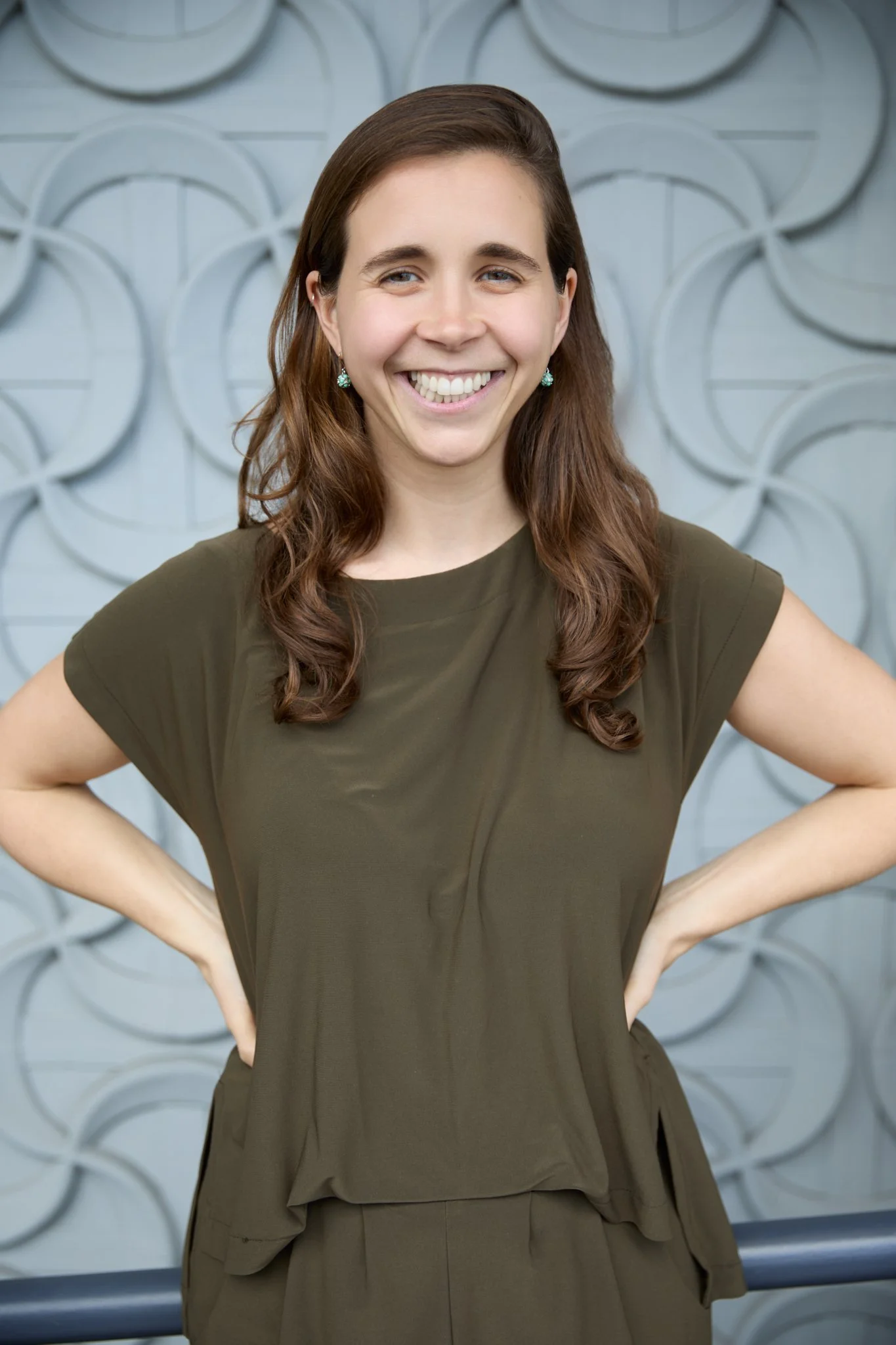
Rachel Atcheson is playing the long game for our health.
What does it look like when plant-based living moves beyond personal choice and into real systems change? This episode answers that question in a big way.
Rip sits down with longtime friend and food policy powerhouse Rachel Atcheson, founder of Food Policy Pathways, for a wide-ranging conversation about how food policy can transform public health, reduce chronic disease, and make healthy eating the default — not the exception.
Rip and Rachel unpack how initiatives like Meatless Monday and Plant-Powered Fridays in NYC public schools, plant-based default hospital meals, and lifestyle medicine clinics became reality — reaching millions of people while saving money and cutting carbon emissions.
They dig into the behavioral science behind defaults, why taste and culinary training matter, and how real change happens when policy aligns with public health.
Rachel also introduces her newest chapter: Food Policy Pathways, an organization building a pipeline of professionals who want to work inside government to advance healthier, more sustainable food systems at the city, state, and federal levels.
This conversation is optimistic, practical, and deeply motivating — proof that playing the long game can reshape our food future.
Key Takeaways
Change the Default, Change Behavior - When NYC hospitals made plant-based meals the default instead of the alternative, participation jumped from under 1% to about 50% — without removing choice.
Systems Matter More Than Individual Motivation - Advocacy alone didn’t move the needle. Real impact happened when policy shifted what schools, hospitals, and institutions serve by default.
If healthy is easier, more people choose it.It’s a Win-Win-Win - Plant-forward policies: Reduce chronic disease risk, lower carbon emissions and cut costs (chickpeas are cheaper than chickens). When health, climate, and budgets align — momentum builds.
Kids Don’t Carry Our “Meat Baggage” - When delicious plant-based meals are served in schools, kids embrace them. Taste tests and smart menu design matter more than ideology.
Food Is Medicine — And Policy Is the Delivery System - Lifestyle medicine clinics in NYC hospitals are now serving thousands of patients a year, teaching food-as-medicine for conditions like type 2 diabetes and heart disease.
Play the Long Game - Rachel isn’t focused on winning the next news cycle — she’s building a pipeline to win over decades. Food policy change is a generational strategy.
Bipartisan Momentum Is Possible - Healthy school meals and chronic disease prevention are no longer single-party issues. There is growing cross-aisle interest in improving food systems.
Episode Resources
Watch the episode on YouTube: https://youtu.be/XEWFV5yXNc0
We hope to see YOU at one of our 2026 Live Events! https://plantstrong.com/pages/events
Join thousands committing to 30 days, 30 minutes of movement, and 30 different plants each week with our FREE Real 30™ program
To stock up on the best-tasting, most convenient, 100% PLANTSTRONG foods, check out all of our PLANTSTRONG products: https://plantstrong.com/ Use code: podcast to receive 10% off your first order.
Give us a like on the PLANTSTRONG Facebook Page and check out what being PLANSTRONG is all about. We always keep it stocked full of new content and updates, tips for healthy living, and delicious recipes, and you can even catch me LIVE on there!
We’ve also got an Instagram! Check us out and share your favorite PLANTSTRONG products and why you love it! Don’t forget to tag us using #goplantstrong 🌱💪
Episode Transcript via AI Transcription Service
I'm Rip Esselstyn, and you're listening to the Plant Strong Podcast.
[0:06] Today's episode is all about how food systems can change when you have the right people at the helm. Today, I'm joined by Rachel Atcheson. She is founder of Food Policy Pathways and is a true leader in food policy who is helping bring plant-based meals into schools, hospitals, and government programs serving millions and millions of people. From launching Meatless Monday in New York City schools to reshaping hospital menus and lifestyle medicine clinics, Rachel shares what it really takes to create change that reduces both chronic disease and uses taxpayer dollars wisely. If you're curious about how positive change can happen on a large scale, then you'll really appreciate this conversation with Rachel. We'll get right into it right after this message from Plant Strong.
[1:12] Hey, Rachel, I want to welcome you to the Plant Strong Podcast. It is a pleasure and honor to have you, and it's really been way too long. So this conversation is long overdue. You are so sweet. It has been a minute. We have known each other now for about a decade or so, and so the pleasure is all mine. So I think it's been a beat since I saw you last, if I'm not mistaken. Was it the holistic holiday at sea cruise?
[1:43] Wow. That was five years ago. Yes. That was right before COVID shut us down and almost made us not disembark from the cruise. Yes. Yes. And I think you were there with your parents, if I'm not mistaken, lovely human beings. I love, I love getting to spend some time with them and get to know them. You, you've, you know they did a wonderful job with you, but it's no surprise considering, you know, the stock that you came from. Very sweet. They are two of my favorite humans on earth. That's for sure. Yeah. You know, isn't that something when you can say that about your parents? I mean, it's really fortunate. Yeah. And I feel the same way about my parents. And I love your parents. So dear Lord, right back at you. Yeah. Thanks.
[2:28] Now, since we last, well, since I last saw you, I mean, a lot has happened in your life. And I think where I'd like to start is you got married. I got married. I got married this past June to a wonderful man, Sean McElwee. And I am a very fortunate married lady. And we are actually family planning now. And so we're going to be settling down and trying to have a kid. So, yeah, it's a wild, wild world. Sure is. And so are you keeping your last name? I did. I kept Rachel Atcheson, Sean McElwee. Yeah, I, you know, in 2025, you have it like people know you and can Google you so easily. And if you change that name, SEO is just like a wild thing. So, you know, I'm not going to be changing. Everyone knows me, right? Rachel Atcheson. Yeah. Sean, I'd like to, but the SEO is just going to be hindered too much. Sorry, buddy.
[3:33] I'm not going there. You know, you know, it is what it is. Yeah. What are some of your favorite qualities about Sean? So Sean is my favorite person. And we had about 200 folks out to our wedding this past summer. And being able to describe all of the things I love about Sean to them, it actually turned out to be the best day of my life. And I kind of cliche thought that that would not be the thing, but it really, really did. So I love the fact that he is a go-getter. I love his hustle. I love the fact that when he wants something, he works incredibly hard to make it happen. And I am sort of in that same vein and in that same, uh, ecosystem. Um, and he's brilliant. Uh, he has a ton of book smarts. I like to say that I come to the relationship with more of the street smarts. Uh, but, uh, yeah, he's, he's a wonderful human, funny, uh, and has learned to cook. So when I started dating him, uh, he, I said to him like, you know, I'm really loving dating you. Um, but damn, I really wanted to marry someone who would cook for me.
[4:56] And he took that to heart. And he did not know how to cook at the beginning of our relationship. And now he cooks whole food plant based meals for us for lunches and dinner. And it's amazing. Well, don't think that I haven't been taking a peek at your Instagram. And I know I noticed that last night, you know, you wrote that the hubby, you know, made me a home cooked meal. Yeah. What did he make you? So he is really into making bowls And actually, Rip, I've got to have you and him do a cold plunge soon as well together because he loves the cold plunge life. But he's really big into bowls. So he'll start with spinach. He'll add on. We love our air fryer. So add on air fried tofu. He'll add in chickpeas, sometimes lentils, carrots, tomatoes.
[5:44] And then we've been adding in a little bit of tahini. Yeah. And it's just a solid bowl. And I yesterday we were at Trader Joe's and I was like, let's add sweet potatoes. And today during lunch, he was like, I love that extra flavor. So it's great. He's very into the bowl life. And he actually made me one of those twister, you know how twister has like the different colors and circles. Uh so he like put with a permanent marker like lentils chickpeas oh yeah and so he's like okay for when we teach the kid how they choose lunch we'll just break out this twister and it's very adorable and you spin the wheel you spin it and you step and you decide what you want so well what's interesting to me is that so you said you were dating when you said you know god you know sean i i was kind of thinking that my husband so so you were kind of planting the seed like hey hey, buddy, I want to marry you and I want you to kind of... I knew pretty early on that it was special. And so, yeah, it was a pretty easy leap.
[6:54] And how was 87 Sweets for dessert last night? It was so good. Oh, my God. Yeah, it's this plant-based ice cream shop in Atlanta. We're here for the month, and it was absolutely delicious. And the woman behind the counter was just a sweetheart and told us the things to do in Atlanta for the month. And that was also what a treat. So it was delicious in many ways. So are you guys doing the nomad kind of digital life right now? We're doing the digital life for six months in the quest of really trying to get traveled out before settling down to have the kid. So I want to not leave my house for a bit once we hunker down, but I love to travel. And so we're doing this six months digital nomad life and we're in Atlanta this month, Austin next month, and then San Diego the month after. Not bad places to be.
[7:57] And how did you decide on which cities you're going to spend time in? We don't love the cold. And so we were like, you know what, let's just go south. And so we packed up the car and here we are. Wow. So where do you live most of the time when you're not traveling? When I'm not traveling, we split time between New York and D.C. Yeah. Right on.
[8:24] Well, that's really good. Well, thank you for getting me caught to speed on all that. Totally, totally. And the audience.
[8:32] So everybody that's listening, Rachel is an absolute expert in food policy. and I think it's amazing.
[8:42] Where you've been and where you've gone over the last probably decade or so. And so I want to jump into that and discuss a lot of the initiatives that you've been working on and, you know, like how hard is it to like have these conversations, especially today. But first, I'd love to understand because I think it really will help inform the work that you're doing. Like, Tell me about your personal journey. So in high school, about 15 years ago, I was in an AP environmental science class and the class watched Food Inc. And we learned about the environmental implications of the food system on the environment. And so when I learned that it took 10 calories that you have to feed a cow in order to get one calorie of meat in return, I was pretty surprised. I, in the back of my mind, was like, maybe I'll work on world hunger one day. And when you learn that there's this middleman, this cow, that is taking all these calories that we could have fed to humans if it had been a different crop, et cetera.
[9:59] You're like, oh, wow, that's a huge inefficiency. And I hate inefficiencies. I want things to be delivered in an orderly way, et cetera. And so to have this middleman be taking up so many of the calories was just unfortunate. And so I decided, you know what, let me cut out the middleman. And I went vegetarian.
[10:20] From there, I sort of dug more into how animals are treated on factory farms. And I figured out, you know what, I don't want to be a part of this system. Let me personally change my eating habits and cut out the rest of the animal products. From there, I actually had struggled with acne and eczema. I actually have some bald spots on my arms and legs because of how much I scratched away the skin growing up. In the middle of the night, I would wake up and it would just be so red. And I'd put about throughout my childhood, about 10 different steroid creams on them, on my arms and legs. And the eczema would just figure out how to adjust and it would come back. And turns out when I went plant-based, it went away because I didn't realize the connection between the dairy that I was eating and the eczema. And so I say that as a tidbit to say that, you know, God, so much of our what we choose to eat has an implication on our health, as you know. And I didn't know the eczema connection and neither did the 10 dermatologists that I went to over the course of my childhood.
[11:38] So I sort of got exposed to the realm of lifestyle medicine and really embraced all of the reasons, the environmental, the animal, the health reasons for eating this way.
[11:53] Isn't that interesting about, you know, these dermatologists not making the connection? It's kind of similar the way a lot of cardiologists don't make the connection, right, between the meat and the dairy and the heart disease. Why do you think it was so you were in that high school class you were watching Food Inc you saw the inefficiencies you know, 10 calories to produce, you know, 10 calories in to produce one calorie out. Why do you think, that resonated and affected you and maybe probably not the other 35 people that were in the class? You know, I don't actually know the answer to that. What I do know is that now that I've been working in food policy, I want to make it as easy as possible to eat the healthy, more sustainable option. And eating the way that I eat now after 15 years, and for most of that, I found it very easy. I think in 2025, the options that are out there are phenomenal. There's some nice transition food that's out there that make it easy.
[13:10] But I actually, I don't really want to put the onus as much on the individual for everyone, because you know what? Some people find it hard, or sometimes there's family pressure to eat this, or sometimes it's cultural, or whatever it might be. I no longer, and I did advocacy to get folks to eat differently for years, and broadly, it didn't work. I was amazed that it didn't work, because I find my story pretty compelling. I find your story pretty compelling. I find all the folks that have been on this podcast, I find their stories very compelling. And yet we don't see a sort of mass transition to eating healthier,
[13:52] more sustainably that I would have anticipated. And so instead I looked at, okay, what are some policies that I can make on the inside of government that can actually make it easier and more of the default to eat healthy and sustainable, which leads me to sort of what I how I chose to spend about eight years of my career in New York City government. Wow. I want to definitely dive into that. But before we do, so you mentioned family pressure.
[14:27] So when you went back home and you said, hey, mom, dad, I'm going to be a vegetarian. How did they handle that? So my dad was a Marine. He was a cop. And he was also the cook of our family. And he said, Rachel, I think you need to move out. You are not going to be eating. I'm not going to be cooking two different meals under my house. Uh, thankfully my mother intervened and said, Robert, she's only with us for another six months. So we're going to, we're going to do this. And so, um, so then from there, he actually learned about, uh, plant-based nutrition and really started diving in. Cause he was like, oh, I, I feel like she's not going to get the nutrients she needs. And then turns out once he did, he exposed himself and now, you know, he's been eating plant-based for the past 12-ish years and absolutely loves it. He has a USA Today article called Real Men Don't Eat Meat. So he got inspired by some of you on this podcast. So yeah, they did not respond great. And that was unfortunate, but was what it was. Yeah. Well, obviously they are all in and are going on, you know.
[15:52] Holistic holiday at sea, plant forward cruises with you. So that's wonderful to see. Now, so you mentioned that you were doing some advocacy work in the beginning and you realized that it just wasn't resonating. It wasn't moving the needle. Why do you think that is?
[16:20] I think there are a thousand reasons that people... Think of as an excuse not to do a thing. Um, and whether like, I think there's, there's so much there. Um, there's, there are reasons. I don't think they're particularly like amazing reasons. Um, but there are reasons for why people eat the way that they do. I mean, we've got industries that have made delicious food that is incredibly unhealthy, incredibly bad for the planet.
[17:01] And they are the defaults. They're, you know, McDonald's is everywhere. Yeah.
[17:09] And there's just, there's a lot. Yeah, no, it's, it's, there's a, there's a confluence of factors that, that, that makes a, that makes the healthy choice, not the easy choice for sure. Yeah. So what were some of your first, your first forays and jobs, you know, into this advocacy work before you kind of got into the kind of,
[17:34] you know, inside track with New York city government? So I came from the advocacy space. I worked for the Humane League for about five years. I was their Boston director, their Philadelphia director, their director of campus outreach. And so I worked with the Philadelphia School District on a Meatless Monday campaign.
[17:54] I delivered presentations about factory farming across the country with our campus advocacy. We got Harvard and Boston University to go cage-free with their egg purchases for their dining operations. So we had a lot of success in the field of advocacy and also just sort of scratching the surface. And, you know, I worked with the Philadelphia City Council to pass a Meatless Monday resolution. And I was really intrigued as to what this would mean. And then one day I got a call to come and interview for the de Blasio administration in New York City. And I thought to myself, you know, I have been screaming on the outside for a couple years. Let me see about what it's like on the inside to...
[18:42] See if we could change the system. And I took that job. I was the animal welfare liaison in the de Blasio administration. What year was that? That was 2017. So 2017, I sort of dipped my toes into government. And then in 2018- Hold on, hold on, hold on. You're going too fast. So you're with de Blasio, you're on the inside track. And how was that? It was very fascinating. I learned a ton, learned that advocacy and government are two entirely different operations. And I pivoted. I tried to understand from the perspective of government, why we do the things we do. And it was really helpful to work from the inside. I think if there's one thing I'm trying to get folks to entertain, it's, you know, could you work for government? Because we need good government folks, good government officials to actually.
[19:51] Embrace programs that put constituents' health and, you know, the planet's health first. Now, okay, so you're with de Blasio. You got the inside track. You're there. And then what happened in 2018? So then Michael Greger actually introduced me to Eric Adams. Now, where did that happen? That happened in Brooklyn Borough Hall.
[20:15] Greger was speaking to about, I want to say it was like 700 constituents. And everybody on the podcast, if you don't know who Dr. Michael Greger is, you need to go back and listen to the four or five episodes we've had with him, but he's the guy. Remember, he is always putting it to the test. Yeah, yeah, yeah.
[20:36] Nutrition Facts, not Ori. Yeah. So we actually had the main hall in Borough Hall was full to the brim. And then.
[20:46] Eric at the time had set up, he was the Brooklyn Borough president. He had set up two huge overflow rooms. And so they were broadcasting him in these overflow rooms. And it was an amazing event. So I want to say there's 700-ish people there. And at the end, Michael brings me up to Eric and says, you all need to know each other. And I got his number and started texting. And he would then call me about an idea he had here, an idea there. And before long, he said, I want you on the team. Let us work together. And I made a leap of faith by asking a few political operatives if he had a chance of being mayor in 2022. And this was 2018. So they were really, they were guessing. But they said that he had a good chance at being the next mayor. And so we got together and I started leading his food portfolio and diving into what the agencies were up to, what they were feeding constituents in schools, hospitals, jails, homeless shelters, and older adult centers. And it turns out there's a lot of room for increasing the amount of plant-based options for sure. And so we had some fun. Wow. You sure did. Um.
[22:15] So I think everybody listening to the podcast may know that Eric Adams is very plant forward. You know, he actually came on the podcast in 2019 before COVID and you were there, you were in the room. And we had a wonderful conversation about, you know, his personal journey towards getting healthy because he had type 2 diabetes and was basically being ravaged by it. It had an incredible transformation story. So what I think is so...
[22:50] Compelling here, and I'd really love to hear what you have to say, is that you've now got kind of the inside track. You've got a very powerful man who is initially the Brooklyn Borough president that understands to his core, to the bottom of his soul, the power that this can have on somebody's health. And so like using that bully pulpit and you're kind of you're you're being such a go getter and a hustler. It sounds like Eric is, too.
[23:30] What were some of the initiatives that you guys were able to enact before he
[23:38] was mayor, but while he was the Brooklyn Borough President? So while he was the Brooklyn Borough President, at the time, de Blasio had embraced the Meatless Monday initiative. And at first, we started with 15 Brooklyn schools. So they did that announcement jointly. And then they expanded to the entire school district. So this was taking a million meals a day and making them vegetarian. And so from there, we actually looked to the other agencies and said, okay, what can we do with hospitals? Can I stop you with schools? So with the schools, I mean, was there much pushback? Did the parents go, no, you got to be kidding me. Where are my kids going to get their protein? I mean, how do you have these conversations or is it just because Eric, you had the backing of Eric, it was able to just happen? I mean, So for the most part, participation stayed constant.
[24:38] The wonderful thing about New York City Public Schools is they have an Office of Food Nutrition Services that taste tests the meals with the students. And so they're not just taking meat off the plate and saying, hey, eat the sides. They created other meals. And so, no, I mean, the work with schools went very well. OFNS did a great job at delivering a quality product. Now, one person who was upset about the initiative was the North American Meat Institute. They actually wrote a letter to us in 2018-ish and said, you know what, this Meatless Monday thing, it's taken away choices. And we, you know, redlined that letter and sent it back to them because that was a very hilarious letter to receive. But besides them, actually the support was there and on the ground. Wow. Well, I remember as part of that podcast episode with Eric, I went out to that school or one of the schools and interviewed the kids and they couldn't have been happier with the food that they were eating. It's amazing what we put in our heads as blockers when if you give kids delicious food, and mind you, all of this food is reviewed with a registered dietitian. So we know that they're getting the protein they need, et cetera, et cetera. But if you give kids delicious food, the.
[26:02] The decades of meat eating that are, you know, on our minds as adults are just not there for them yet. And so it's not as ingrained. Yeah. Yeah. Okay. So you were going to go into hospitals from school. So please, please go ahead. Yeah. So Eric had gone to, I want to say it was like five or six doctors. And none of them had taught him that food was the answer.
[26:33] And so he looked at our hospital system, which is the largest public hospital system in the country called Health and Hospitals. And he said, we should have a clinic that teaches people about food as medicine, teaches people about lifestyle medicine. And so with Dr. Michelle McMacken, who is a total rock star, He and she met up with, at the time, the Deputy Mayor for Health and Human Services, presented how a clinic could start, and he got the initial funding of $400,000 from the mayor, Mayor de Blasio at the time, to start this clinic at Bellevue Hospital. That clinic, just a preview, has now expanded to seven hospitals total in the system and now sees up to 4,000 patients a year. And so we're talking about, you know, people who maybe did not know that their type two diabetes and heart disease could potentially be treated with whole food plant based nutrition. That is really spectacular. Yeah. I want to go back to the schools just for a sec. Um, you mentioned how many schools?
[27:43] We've got, um, roughly 1600 public schools, um, across the system.
[27:50] And that's a million meals a day. And is that still going on? Not only is meatless Monday going on, but now we have plant powered Friday going on. Um, and I, and I think this year they're actually rotating the day. So it's not even just on Fridays, but, um, yeah, it is, uh, two days a week. Week are meat-free in the largest school district in the country. So we're showing that if we can do it, others can with partnership. So it is because of a nonprofit called Wellness in the Schools and a nonprofit called the Coalition for Healthy School Food that, you know, they did really. Culinary trainings. They did recipe taste tests. I mean, we're talking about delicious meals. I know because I ate a lot of them to taste test. And I was so excited and pleased with the products that they put out. Incredible.
[28:42] Okay. So schools, hospitals, do you want to talk about anything else as far as what? Once we got into office in January, 2022, I will say we were able to accelerate a few more items. So for instance, in our hospital system, the outpatient program that is that lifestyle medicine clinic is absolutely fantastic. It's a wonderful program. But we also wanted to look at what were we feeding the patients in inpatient meals. And so previously, the chef special was always meat based. And we changed that default to be plant based. And so now you've got pad thai with tofu, sancocha with beans, and about 50% of people stuck with the plant-based option and 50% of the people opted for the meat-based option. So choice is still there, is very integral that choice be there. But turns out that, you know, previously when it was just the plant-based option, less than 1% of people opted for it. Now you make it the default and 50% of people stick with it. And so it was a huge behavioral science nudge to get folks to embrace it. And turns out chickpeas are cheaper than chickens. So we saved 59 cents per plant-based meal. And we reduced our carbon emissions by 36% in the first year of implementation. So that was one of my crown jewel achievements. Yeah.
[30:08] Wow. What is, I think you said SYNC, something?
[30:13] SYNCOCHO. SYNCOCHO. What's SYNCOCHO? It is a typically a stew with meat, but we made it a stew with beans. And it's a absolutely wonderful dish that is very hearty, full of spices, and very, very delicious. I would like the recipe for that. Totally, totally. And actually, I think Sodexo, who has now expanded this partnership to be in many hospitals due to the partnership with Greener by Default, I think Sodexo actually has it on their website. So I'll shoot it over. Are you guys doing anything with Rob Osfeld and Montefiore? So Rob is doing such good work. He is outside of the public hospital system. So he is in one of the privates and, but he's doing such good work and is, yeah. I think they, I think he's also kind of helped, especially with heart patients where the plant, the plant-based meal is the default meal, right? Yeah, exactly. Exactly. Yeah.
[31:15] It's such a small thing, but making something the default. And then if you have to kind of go out of your way for the unhealthier option is so, is so smart. It is. It is. And kudos to Greener by default for really championing it across now the world. They're doing some international work, but they're doing a lot of good work. Hmm. OK.
[31:38] So you're so Eric's mayor, you know, things are accelerating. What you know, I'm sure I'm sure pun very much intended here. Eric has got a lot on his plate as mayor. So does, I mean, I know that this was probably going into the mayorship, a very, very important issue. Did it remain important or did it kind of...
[32:08] Take a back seat as things progressed. It remained important. So he really delegated the work to the mayor's office of food policy, which is where I left my service as the deputy director. But he really had the mayor's office of food policy champion better food policy. And so that was working with meals that are served on Rikers in jails, meals that are served in homeless shelters, working with the health department, working with the mayor's Office of Climate and Environmental Justice. There's just a lot to do in a city and a lot of different agencies at the table. So there was a lot done and continues to be done. I mean, even now, food education, I just saw they released their second annual report talking about how much food education is now a part of New York City Public Schools. So there's a lot of good work done. Yeah. So how long ago did you leave Eric? So I left the administration about a year ago and I launched Food Policy Pathways, which is what I'm up to now.
[33:15] So before you talk about Food Policy Pathways, so how long of a run did you have with Eric? I was with, so I was in New York City government for about eight years and I was with him for about seven. So I had a very good run with him. We made some amazing dents in the food system. And I'm very proud, very, very proud of my work with that administration. As you should be. That's incredible. So let's talk. So you left about a year ago and Food Policy Pathways started.
[33:52] Why? Why did you decide to leave? Maybe it was just time. I get it. You know, seven years is a long time. And then why Food Policy Pathways? I mean, I assume you are the executive director and founder? Yeah, I'm the executive director, exactly. Wow. Go get her. So I left because I wanted to see more staff who believed in advancing a more plant forward food system. I want to see more staff in more halls of government. We currently at Food Policy Pathways are building that pipeline for folks to enter city, state and federal government to move the needle. There is better food policy needed in so many different respects around chronic disease, around environmental devastation, around animal welfare. There's just so many different parts of the puzzle that I want to see more people actually working for government to change the systems and change the incentive structures. So we build a pipeline and so far it's working. We've actually helped land about 20 people on the inside of government so far this year across city, state, and federal roles. And we're just getting started. So Plant Strong listeners, if this is striking a chord with you.
[35:17] Where do people, you know, how do they get a hold of you? Yeah, so.
[35:24] And are you, I would assume, are you a 501c3 nonprofit? We are. We are. So they can get a hold of us at www.foodpolicypathways.org. And we have both a candidate pipeline of folks who are and want to enter government roles. We also have a mentor pipeline. So if you have government service and government experience and want to move the needle towards better food policy, we also welcome you into our mentor network to just kind of have a conversation with some of our candidates on what the application process was like, what the job is like. We've got different tracks for folks who are just exploring or those who are actively applying, et cetera. Remind me, you started this a year ago, so you're about a year old? We're about a year old, yep. Yeah, yeah. And how many people work for you right now or with you? It's a small but nimble team. We have three on staff and then a few contractors who we consult with. But for the most part, our job is not to get bigger ourselves. Our job is to build a pipeline and build a network of folks on the inside who care about advancing these issues.
[36:42] You are part, if I'm not mistaken, of the Aspen Food Society. Is that right? Yeah, I'm an Aspen food leader. Okay, wow. And so tell me, because I don't know, and let the audience know, what exactly does that mean?
[36:59] And yeah, let's start with that. Yeah. So the Aspen Institute puts together these fellowships for different cause areas. And so one of those cause areas is food. And Corby, who started the program, started this initiative a few years ago. And I'm now in the fourth cohort. And it's a small team. It's 18 cohort folks for each cohort. And it is really about getting people who are changing the food system to get to know each other on a deeper level and I did not quite know what I was walking into when I stepped foot on Aspen on Aspen's campus a couple months ago but I was blown away at the level of trust that was instilled in in those few days that we were there and so we've got two more retreats over the next 18 months. And then the network that Corby's built of these food leaders from all different sectors, from food waste, from urban agriculture, chronic disease. I mean, really, the food system is vast. And so, yeah, it's been a delight. And I'm excited to begin my journey with Aspen Institute. Yeah. Well, they're very...
[38:21] Very lucky to have you. And I'm glad that you have, you know, you found each other because it does. It sounds like the perfect fit. Any exciting projects that the Aspen Food Society is working on that you can share? So nothing concrete yet. I think it is just the beginning of our journey. And so we'll have more to share over the next few months. I know the Global Food Institute with GW has sort of partnered with the team. And we'll see what comes out of that partnership. I'm excited about it. Mm hmm.
[39:00] We're getting near the end right now. And so I want to kind of ask you this question.
[39:04] You know, you've been doing this for a long time and I'd love to know, like, what do you see right now from your vantage point as some of the most promising policies that can improve, you know, the public health and environmental sustainability over the next 10 years? So I think you want to find the win-win-wins. And I think with the plant-based default work that we did in hospitals, that is just so clearly something that should be embraced because it maintains choice, it cuts costs, it just aligns all the things. And so I could see that program being expanded to literally every hospital and don't see a ton of reasons why it won't. And so I think looking at culinary trainings, you know, we need to make sure the food we are giving our constituents tastes delicious. And I think sometimes folks just don't know how to make it taste good. And so you need that culinary training help. And so I'm excited for what culinary trainings will bring us as a society. Um, and then I'm, I'm excited about, you know, lifestyle medicine clinics opening up, uh, in order to fight chronic disease. So there's, there's a lot I'm, you could say I'm excited about a lot of different, uh, different paths forward.
[40:33] Yeah. Well, there certainly are.
[40:35] Um, let me ask you this. You mentioned the hospitals, right? And how, and how, how wonderful would it be if, um.
[40:44] All the hospitals across America made the healthy choice, the default choice. However, I would say, and I'm going to ask you this, you and I, I think both know, agree that the preponderance of the science is on our side when it comes to what denotes the healthiest dietary pattern for us as human beings to prevent all these chronic of Western diseases, but aren't you going to have people even within the hospital system that are saying it's, well, it's keto, it's paleo. And you, how can you make this, this plant based? What do you say to that?
[41:34] I am not looking to win in the next year. I am looking to win in the next several decades. And so what one or two people say here and there, yes, sometimes they have large followings. We know we have the science on our side for this issue. And so honestly, I'm not nervous about it. I think the science will come to show that we should be eating a more plant-predominant eating pattern. And that's definitely what the departments of health have said. If you look at the scientific report for the dietary guidelines, it's what it is saying. So I'm not too nervous about the short game. I am building a pipeline for the long game. I love that answer. It makes my heart warm. It really does. Because you're right. I mean, let's not worry about the next year or two. Let's look at the.
[42:38] And I'm excited about what Maha has shown. It has shown that an issue that typically was seen as a fairly Democrat issue is now a bipartisan issue. Turns out people want to feed kids healthy school food. And that is beautiful. So let's harness it for good. Let's harness it for having reduced chronic disease across our country. And I think we will have a little patience along the way. Yeah.
[43:12] That's love those sentiments. So we started with kind of you and your personal life. I want to, I want to end with you and your personal life. So about a little over a year ago, you went to China. I did go to China. For, I think one of your best friend's wedding.
[43:31] How was China and how was the food there? So I will say there is a thriving plant-based scene in China, and I credit Happy Cow with allowing me to dip my toes and find the places. But you know what I'm actually going to say was even more friendly was Japan. So I went to Japan for my honeymoon this year, and they have a whole map. And the amount of places that would have only one chef that would be the chef, the dishwasher, and the waitress, but would have like four seats was just really beautiful. That like entrepreneurial spirit was actually gorgeous. And so I think we ate at 40 plant-based places in a two-week period for our honeymoon, and it was terrific and delicious. and I highly recommend. That's good. So you gave the hubby a break from cooking for you. Exactly.
[44:35] Oh my. Rachel, this has been delightful. You are such a beautiful human being doing such beautiful, important, meaningful work. Thank you. And just as a reminder, where can people go to learn more about you and everything you're doing? Yeah. So our website at Food Policy Pathways is foodpolicypathways.org. My personal Instagram is xvxrachel. And just, I am fairly easy to find on LinkedIn. So feel free to find me there. Fantastic. Well- Rachel, my Plant Strong sister, can you give me a Plant Strong virtual fist bump on the way out? Boom! Boom, boom, boom, boom, boom. Let's go! Let's go! It's the long game! The long game! What a treat.
[45:30] That was Rachel Atcheson, and wow, what an incredible example of playing the long game for the health of our nation. Rachel's work reminds us that when we change the defaults, we change lives while still preserving choice. If this episode inspired you, check out foodpolicypathways.org and see how you can be part of shaping healthier food systems where you live. Thanks so much for listening. Thanks so much for caring. And as always, always, thanks for keeping it.