#367: Menopause Is Not the End: Dr. Jessica Shepherd on Hormones, Plants, and Thriving in Midlife
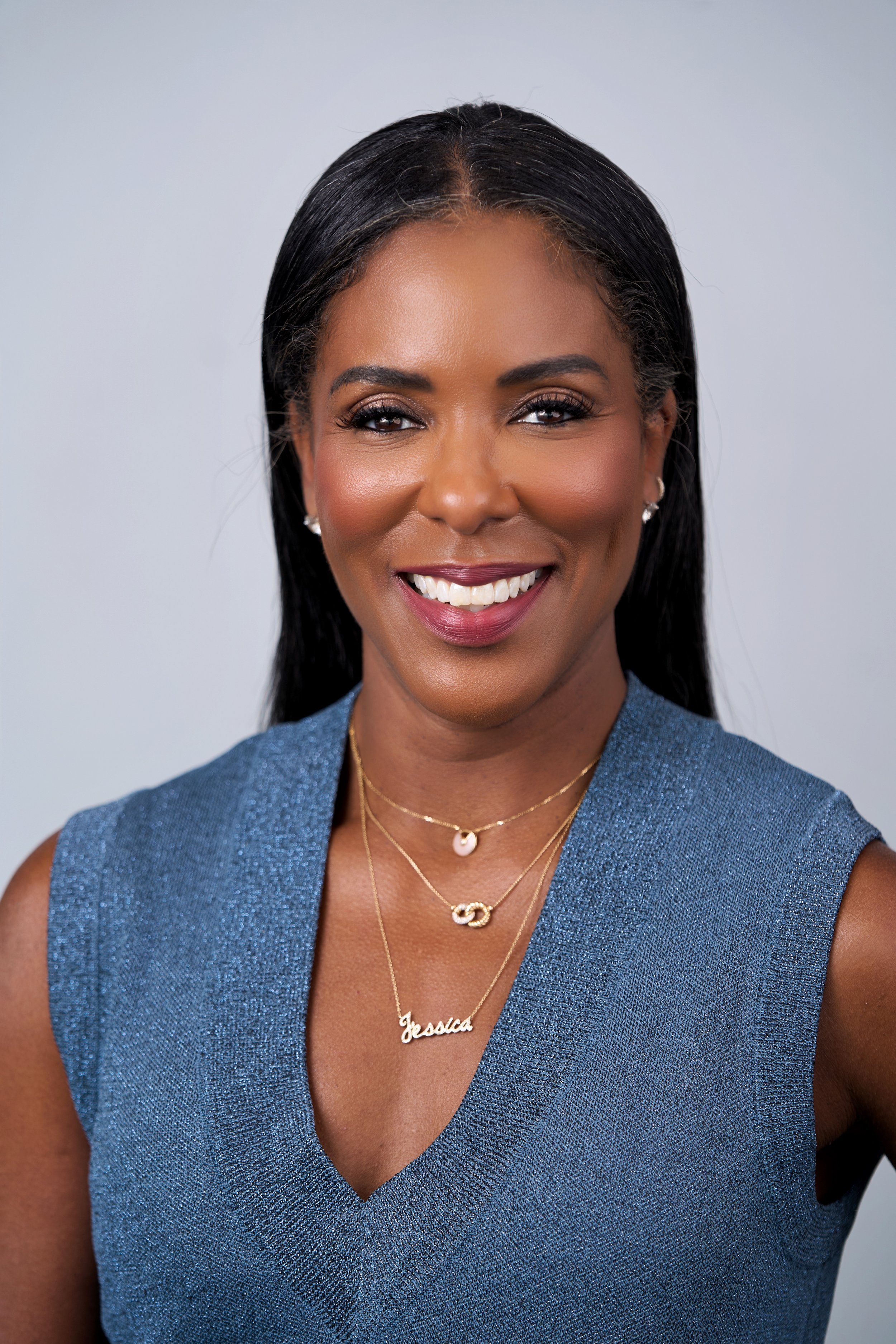
Dr. Jessica Shepherd invites you to her Modern Meno Community
Rip sits down with OB-GYN, women’s health expert, and author of Generation M, Dr. Jessica Shepherd, for a candid, empowering conversation about perimenopause, menopause, hormones, nutrition, sex, sleep, strength, and what it really means to thrive in midlife and beyond.
For too long, menopause has been framed as a decline — something to dread, hide, or simply suffer through. Dr. Shepherd is here to change that narrative. She explains that menopause is not a failure of the body, but a natural biological transition — and one that deserves far more education, support, and celebration.
In this conversation, Rip is joined by Plant Strong Podcast producer Carrie Barrett, who, at 53, brings her own lived experience in perimenopause to the discussion. They explore why estrogen, progesterone, and testosterone affect far more than reproduction — influencing the brain, bones, heart, muscles, metabolism, skin, sleep, and sexual health.
And because this is Plant Strong, they also dive into the power of nutrition. Dr. Shepherd emphasizes that food is one of the most important tools in the menopause toolbox, especially during the 10–12 year perimenopausal window. A colorful, plant-centered diet rich in beans, greens, whole grains, berries, legumes, soy foods, fiber, and fermented foods can help support heart health, gut health, metabolic health, inflammation, muscle maintenance, and long-term vitality.
This episode is not about one magic fix. It is about building the full toolbox: plants, movement, resistance training, sleep, self-advocacy, and, when appropriate, hormone therapy. As Dr. Shepherd reminds us, women deserve agency, options, and the chance to live their 70s, 80s, and 90s with strength, clarity, and confidence.
Rip, Carrie, and Dr. Shepherd discuss:
Why menopause is not “the beginning of the end” and actually represents 40% of our lives as women!
What estrogen, progesterone, and testosterone actually do throughout the body
Why perimenopause can begin 10–12 years before menopause
How hormone changes affect cholesterol, insulin resistance, bone health, brain health, sleep, libido, and metabolism
Why food is a powerful form of “dietary therapy” in midlife
How plant-based proteins like lentils, beans, chickpeas, quinoa, tofu, tempeh, oatmeal, nuts, and greens can support women through this transition
Why fiber and gut health matter more than ever
Why the protein conversation has gotten so loud — and what people often miss
The importance of resistance training for muscle, metabolism, function, and longevity
How menopause affects sex, libido, vaginal health, and intimacy
Why vaginal estrogen can be a game changer for many women
How hormone therapy can be part of the conversation without being the only tool
The biggest myth about menopause Dr. Shepherd wants to see disappear
How women can better advocate for themselves with their healthcare providers
Key Takeaways
Menopause is not a disease.
It is a natural biological transition, but that does not mean women should suffer through it without support.
Hormones have systemic reach.
Estrogen, progesterone, and testosterone have receptors throughout the body — including the brain, bones, heart, muscles, skin, and pelvic tissues.
Perimenopause is the time to build the foundation.
Dr. Shepherd emphasizes that perimenopause can last 10–12 years and is the ideal window to strengthen the framework through nutrition, movement, sleep, and lifestyle.
Plants belong at the center of the plate.
A plant-forward diet filled with legumes, whole grains, leafy greens, berries, soy foods, nuts, seeds, and fermented foods can support gut health, metabolic health, cardiovascular health, and overall vitality.
Protein matters, but it is not the whole story.
Women need enough protein to support muscle, but protein alone does not build strength. Resistance training, overall diet quality, and nutrient density matter just as much.
Midlife is a toolbox moment.
There is no one-size-fits-all solution. Nutrition, movement, hormones, stress management, sleep support, and self-advocacy all have a role.
Women deserve better conversations.
Dr. Shepherd encourages women to walk into appointments with honesty and vulnerability: “I’m having a hard time with this transition, and I need help.”
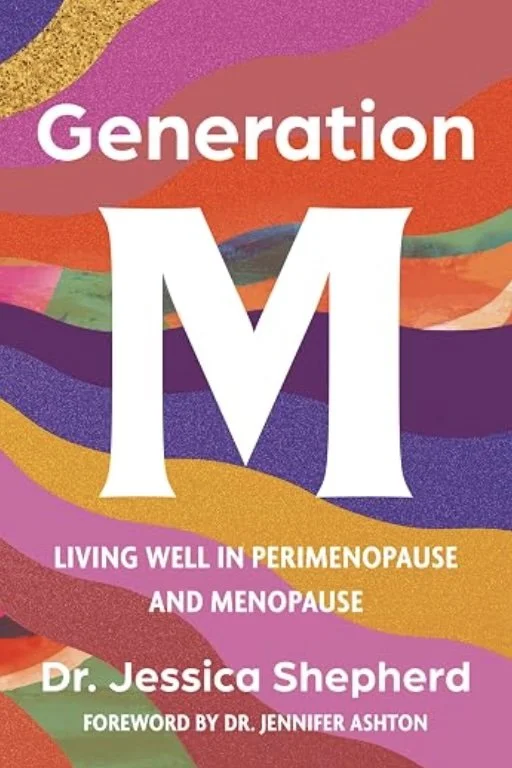
Order Generation M
Episode Resources
Watch the episode on YouTube: https://youtu.be/D0MRbMxjNQ4
Dr. Shepherd’s Website: https://www.jessicashepherdmd.com/
Modern Meno Community: https://www.jessicashepherdmd.com/modern-meno-community
Modern Meno Instagram: https://www.instagram.com/modernmeno/
We hope to see YOU at one of our Live Events! https://plantstrong.com/pages/events
To stock up on the best-tasting, most convenient, 100% PLANTSTRONG foods, check out all of our PLANTSTRONG products: https://plantstrong.com/ Use code: podcast to receive 10% off your first order.
Give us a like on the PLANTSTRONG Facebook Page and check out what being PLANTSTRONG is all about. We always keep it stocked full of new content and updates, tips for healthy living, and delicious recipes, and you can even catch me LIVE on there!
We’ve also got an Instagram! Check us out and share your favorite PLANTSTRONG products and why you love it! Don’t forget to tag us using #goplantstrong 🌱💪
Episode Transcript via AI Transcription Service
I'm Rip Esselstyn, and you're listening to the Plant Strong Podcast.
Menopause Reframed
[0:05] My guest today is Dr. Jessica Shepherd. Jessica is an OBGYN women's health expert, menopause advocate, and author of Generation M, Living Well in Perimenopause and Menopause.
[0:23] This conversation is really about changing the narrative. For way too long, menopause has been treated like the beginning of the end, something that women are supposed to grin and bear, hide, minimize, or push through. Dr. Shepherd says, no way. This is a natural biological transition, sure, but women deserve tools, support, education, and hope. And because this is the Plant Strong Podcast, we're going to talk about the role of food, how a colorful, plant-centered diet filled with beans and greens and whole grains, berries, soy, and fiber, and, fermented foods can help support women through this transition and beyond. I'm also joined today by our producer, Carrie Barrett, who is 53, right in the thick of perimenopause herself. And Keri brings an honest, personal perspective to this conversation. So whether you're going through this yourself, you know somebody who is, or you simply want to better understand what half the population will experience, this episode is for you. We're going to have Jessica right after these words from PlantStrong.
Conference And Retreat Update
[1:53] We have received a lot of emails asking this question. Are nutrition nerds allowed to attend the Vital Signs Conference? And the answer is absolutely yes. While the Vital Signs Conference is designed to help healthcare providers apply lifestyle medicine in the real world, It's also for anyone who loves digging into the science of nutrition, health, and behavior change. So, yes, come join us October 18th to the 20th at Case Western Reserve University in good old Cleveland, Ohio, for presentations from Dr. Michael Greger, Dr. Will Bulsiewicz, Dr. Laurie Marbas, Brian Asbill, and, of course, my father, Dr. Caldwell B. Esselstyn, Jr., and other leading experts in nutrition and behavior change. I'll be your emcee, and I'm especially looking forward to sharing PlantStrong Meals, conversations, and three energizing days with all of you. Healthcare provider or nutrition nerd, you are invited. Come join us in Cleveland. Visit PlantStrongEvents.com and register.
[3:08] Our Sedona, Arizona retreat is officially sold out, and I am so happy and grateful for the incredible response and cannot wait to welcome everyone to the Red Rocks this fall. I'm also pleased to announce that registration is now open for our spring Plant Strong Retreat in Black Mountain, North Carolina, April 15th to the 30th, 2027. And you can come join us for six immersive days of Plant Strong Meals, movement education, expert guidance, and the loving, kind community that makes lasting change feel possible. So whether you're brand new to this way of living, or you're looking for a reset, this retreat is truly a chance to step away from all the noise, reconnect with your health, and build habits that you can bring home with you that last. So the spring registration is now open. You can visit plantstrongevents.com for all the details and reserve your spot.
[4:21] All right, everybody, welcome back to the Plant Strong Podcast. Today we have Dr. Jessica Shepherd. Jessica, if I'm not mistaken, you are just up the road in Dallas, Texas. I'm down here along with Carrie and we're in good old Austin, Texas. You guys are just down the street, even though when I do take that street down there, it is not the easiest drive, even though it's so close. Yeah. I-35 is brutal. It's no fun.
[4:55] Not at all, but let's just, let's jump right in. We're going to talk today, everybody, about perimenopause, menopause, postmenopause.
[5:08] You have written this book, came out about a year and a half ago, called Generation M. And does the M stand for menopause? It actually does. I love that you clued into that right away. So a quick story about the title of that book was I did fight for that because the publisher really wanted to use just like menopause or perimenopause within the title. And I wanted women to feel a little bit more empowered by this transition that every woman will go through, 100% of women will go through menopause in a way where they contextually felt that this is something that I can come back to. This is something that I could showcase very, you know, confidently and not have anyone being like, what's that about? We still have that narrative, You know, that it's kind of this thing that you're going to go through that's horrible. And I wanted it to be kind of a work of art. You know, I fought for it actually to have lots of color and something that people could leave around and feel good about themselves and something that they could be a part of. It's almost like who doesn't want to be part of Generation M, right?
[6:14] Yeah, really, really smart. And I love the subtitle, too, because you say living well in perimenopause and menopause, because I think so many women think that it's going to be a traumatic experience. It's often portrayed as negative. And so you're changing the narrative because you're saying this is very natural. Our body is doing absolutely nothing wrong. And it's actually doing exactly what it's supposed to do.
[6:42] And so, you know, many people are hearing that this is the beginning of the end. And so what I'd love to do today as part of our conversation is reframe it, that this is a transition that can be a powerful new chapter rather than a decline. And it's one of the reasons why I've invited Carrie. Carrie is, for everybody that doesn't know, is the producer of the Plant Strong podcast, has been for six years, and is 53 years old, and is going through perimenopause right this second. Oh, I am case study for sure in this, And I really appreciated your book, Dr. Shepherd, just because it does provide a nice toolkit of.
[7:29] Answers to a lot of some mysteries about the body and what's happening right now, as well as some hope and empowerment that it's not all completely out of our control. So my question to you is, how is it possible that these hormones, estrogen, progesterone specifically, how is it possible that these two little hormones can have, so much effect on almost every system in our body? I mean, we think hot flashes, we think night sweats, we think mood swings, but the systemic reach of these hormones is so powerful. Can you explain hormonally what's happening when we are going through this transition? You know, I'm glad you worded it that way of how is it possible that these hormones have such systemic reach? I think I even might steal that the way that you mentioned that.
[8:24] And the reason really is that we don't initially think of it that way is we really typecast the, of progesterone, estrogen, and testosterone to the pelvis, right? We think of them as reproductive hormones, even though they're named that, they are not solely reproductive. And when we look at estrogen and progesterone and testosterone, they have receptors all over the body, in the muscle, the heart, the brain, the bone, like literally everywhere, skin. So it would only make sense that as we start to go through this natural biological decline, and I always frame it that way because it's no one's fault. No one is at fault for having gone through menopause or perimenopause. It's a biological decline. But the part about that is in that decline, if it's not available, then of course our systemic reach will not be optimal because we're not getting that input from those chemical messengers, which were always there from the time we were born. And that alludes to why we have hot flashes, night sweats, irritability, changes in skin in our bone and having osteoporosis is because now these receptors are not having the hormone that it needs to in order to work functionally. And that's why we start to see over the course of time after menopause, these things start to waver and decline and not function as effectively as they used to. Hmm.
[9:44] Yeah, because I do think that we think a lot about, you know, ask anyone about menopause and perimenopause and they'll say weight gain and they'll say night sweats, hot flashes. Like those are the things that people bring up and maybe like mood swings and disorders. But people aren't as familiar with rising cholesterol, insulin resistance, the brain health decline. And I think that can be incredibly scary for somebody entering into this stage, and not realizing that these hormones, estrogen, progesterone, testosterone, really affect all of that. And so in that way, what do you wish women in their 30s and 40s knew about this stage that they're either about to go through or are going through? Yeah.
[10:38] I feel that we need to change the storyline. The storyline of that as we are going down, or falling off the cliff is that there are things that are going to change in order of what our body is able to do, capable of doing to a different tune. But now we do have so much more information, education, awareness, and also tools in order to offset what this decline is going to look like. And so, for example, we hear a lot now about longevity. And people feel as if we're trying to increase your life expectancy, but that is not really the goal. The goal actually is to, in the life that I live after perimenopause and menopause, and I'm being specific to women, is how can I live that life in a way where I feel, that I have done such good work with what I've been given and using these other tools and whether it's food, whether it's exercise or hormones, to now be in my 70s, 80s, and 90s and live it in a thriving and striving way. Hmm.
Rethinking Midlife Longevity
[11:50] Hmm. Well, let me ask you this, Jessica. Um, it, it, it seems like a lot of women go through perimenopause menopause, and they have a lot of these, um.
[12:06] Side effects. What percent in your kind of research and, uh, you know, personal findings, What percent of women just skate through and like maybe even like a man, right? No problem. Yeah, that is probably where the majority of women actually go through, this transition, just grinning and bearing it or suffering silently, as I like to call it. And the reason that they do that is one, you know, I think socially, it was something that you don't talk about. So very taboo. I feel that in general, women's health never got the attention that it needs. And we're still there. We're getting better in addressing here is an issue that we can actually address. So there was a big gap in between from the medical community of how do we help women through this transition and so because there wasn't like a lot of options or tools then women were like well why would I bring it up anyway there's nothing to help, and then I think the other thing is historically just historically you know our moms our grandmothers, definitely were not bringing this up at the dinner table and so that carried through generationally and now we're still there where we're like why would I bring this up around the dinner table But we're getting better. Now we're bringing it up at happy hour. So that's good.
[13:32] I feel like obviously with social media, sometimes it's being brought up way too much in too many different confusing contexts. And uh women are and their partners women are left just wondering, i don't now i don't even know where to begin because it seems like every time i turn around i'm doing something wrong if i'm not lifting heavy or taking creatine or ashwagandha to help me like like you just so this is why i'm so grateful that you're here just to help us level set, relax and then like lay some groundwork of just places to begin because we can't do it all at the same time. And so when I was talking with Rip about framing this up, because again, I am like, I am firmly, firmly in it. My hormones don't know what they're doing on a day to day basis. And I thought.
[14:29] For ease of context and for the benefit of our listeners who are really tuned into nutrition and lifestyle, I wanted to sort of break it down into these two modalities of lifestyle, therapies that we can employ because we definitely have some control over a lot of that. And then talk the therapeutics, the MHTs, menopausal hormone therapy, as it's known now in the literature. So I think lifestyle is a great place for us to start. And nutrition being so key to our audience and people who are tuning in to the Plant Strong podcast, obviously are very attuned to whole food, plant-based nutrition. They know where Rip and his company stand on animal protein. They know where we stand on oils, added oils. And so what I loved about your book is even though it's.
[15:31] Not plant exclusive, it is very plant forward. Yes. And you spend a lot of time talking about the benefits of plant-based proteins and also fermented foods, soys, things like that. So, yeah. So if you could speak a little bit about how a plant-centered diet can help with some of these symptoms that we have. So let's go to nutrition, just like broad strokes of why this is so important, you know, because the menopausal transition and let's frame menopause as well. Menopause really is a one day in your life. It's the day when you have not had a cycle for 12 months consecutively that from a clinical perspective, like for doctors, we now know that at this level that you do not have enough estradiol release from the ovaries to elicit a cycle. That's really all it means. It's very boring in terminology or a definite one.
Celebrate The Menopause Day
[16:30] Now, when this when this day happens, is there typically some sort of a cake or a celebration? Is this something to celebrate? You absolutely. And we should do more of it. I think we should start something where women are celebrating this transition into the next chapter of their life. Because what we have been doing before is like when it comes, it's like we got a cape with a hood and we're like, please enter the dark room.
[16:59] It should be a party hat and streamers and a coach but yes you want one to something i would love it and did that, but at least up until that day that we clinically say you're menopausal and after that you're what we consider post-menopausal is perimenopause and perimenopause actually is, more of what we're hearing now in social media but it really can be a 10 to 12 year time frame before that day, where you're going through these hormonal shifts and this is really where we should be emphasizing the changes in our lifestyle in order to kind of bolster up the framework, right? You don't want to wait until you're completely depleted to being like, oh, let's work on that framework and that foundation. It should be the 10 to 12 years prior. So when you reach menopause, you're like, I've got a great thing going for me. And nutrition is one of those fundamental things that we should be utilizing to create this strong framework. Because menopause is associated with.
[17:54] Now, an increased risk of obesity, metabolic syndrome, cardiovascular disease, osteoporosis. And so changing dietary habits during that perimenopausal phase is probably the most effective way that you can intervene with your biological protoplasm or your organ system or your body's ability to use the fuel that it has through nutrition to prevent disease from coming later on in life. So I call it kind of like dietary therapy, right? So dietary therapy should be an integral part of this perimenopausal phase, in addition to others, but because we're talking about nutrition. So that can be in the form of, obviously, we'll touch on protein a little bit later, which has to do with muscle mass loss in the start of perimenopause. But looking even things at vitamin D, calcium, we talked a little bit about creatine as a supplement, but our B-complex vitamins. Vitamins, and then also looking at how we can use fiber as a form of helping with our gut health. So many different things that we can start to do as small changes over a long course of time during the perimenopausal phase and nutrition that's going to help. You are a fan of legumes. You are a fan of whole grain. You are a fan of green leafies and berries and eating the rainbow. I mean, that was very clear in your book and it touches on all of that where.
[19:19] With the calcium and the vitamin D, you don't always necessarily have to take a supplement if you are getting a, well-rounded supplement. Big variety of vegetables. And I think, you know, I'm generalizing our population, but we just don't eat a ton of variety. People in general just don't, you know. We very much eat a very monochromatic type of diet. And especially when it's a diet that is monochromatic in the, what I would call, like if you were doing a paint, a paint swatch for your room is in the whites, the creams, that whole color tone. And I was just like, no, we've got to add some rainbow to that color swatch that we're using.
Protein, Muscle, And Misconceptions
[20:12] You mentioned, let's talk about the protein and the bone loss. So what is your current stance personally? Because I know that right now it's crazy how much protein most Americans think they need to be consuming a day. I mean, the newest, you know, U.S. dietary guidelines are now like 1.2 to 1.6 grams per kilogram. And I'm wondering if you have a thought on that. I have lots of thoughts on that. One, two reasons. Looking historically at what the USDA had as recommendations for protein for me was very off for decades. Like this was for decades. And so now changing, that information is very hard for consumers, especially when we've done decades of saying something was more important than not and vice versa. And now we just expect for people to change overnight. So there is a lot that needs to be.
[21:19] Done in the, I call the PR, like we need to do a whole PR shift, is important in nutrition, especially when we're talking about proteins, because proteins play such an important role in our inner body health and how our bodies function, especially when we talk about muscle mass. And muscle really is that organ of longevity that's going to help to sustain us, not only from strength, a lot of it has, we talk about strength, but also from glucose metabolism, from even in an immunity part and an immunity stance of what our body is able to do. I always say, you know, muscle really is our beacon of strength and our muscle of longevity, but it allows us to live functionally as we start to age. So, for example, what do you want to be able to accomplish when you're older? Do you want to still travel? Do you still want to be able to garden, take a walk, play with your grandkids? All of that is what we call functionality. And the more muscle that we lose and muscle mass that we lose, also known as sarcopenia, that's going to significantly impact our 70s, 80s, and 90s. And that's what leads to this ability and literally the loss of independence and actually, quite frankly, death, because muscle loss equals increase in cardiometabolic disease. Yeah, I don't I I don't doubt that for a second. I think the thing that I would question is, I think that Americans are falsely.
[22:45] Under the assumption that if I just eat more protein, I'm going to have more muscle. And you're not going to have more muscle unless you actually get to the gym, you walk, you run, you swim, you bike, you do some sort of like body weight exercises. You don't just build muscle by eating protein. And to me, that's where people are just getting it wrong right now. People get it wrong. And that's why I wrote the book in the way that I did is because I was like, this is not a one-tool approach. This is not hammer-nail approach. This is, I need you to know the full toolbox in order to get the best product ever. And no house was ever built with just hammer and nails. And if we want our homes of, you know, who we are to be the best version, we have to utilize everything that's available to us. Now, is everyone going to use those tools in the same way, in the same fashion, and in duration? No. But if you think that you're going to do it with a one hit wonder, you're barking up the wrong tree.
[23:45] Or like I see in the gym, when I go lift, or if I do like a 45 minute CrossFit workout or something, I will see people that are just chugging, these chemical beverages that just because they have 25 grams of protein in them, and it's just like a can of garbage, or they're eating Slim Jims because it's got this arbitrary number of protein. And so they're hitting this macro number, but not without consideration of the rest of their body or their health, where I feel a lot of education can come from, okay, if you replace that beef jerky or whatever it is, that protein drink with, beans and rice or a little bit of tofu or tempeh and quinoa, like just...
[24:44] Not only are you going to hit your protein targets for the day, but you're also putting so many more nutrients into your body that are beneficial. So can you speak a little bit more to that? And do you feel like we've lost the plot there? Yeah.
[25:03] I think we have not necessarily lost it. Do I think we have thwarted a lot of our attention again to kind of that one hit wonder? Yes. We tend to do that in society. I think even with hormones, you know, now that hormones is coming back to a point where it's acceptable to speak of hormones in the open, I still do find that there is a, predilection to speak of hormones as the thing that's going to fix everything, right? And so I give a little bit of patience to that in the sense that that's what we tend to do historically as in society. We find one thing and we're like, that is the one thing that's going to save me completely. And so my goal is to always present here is the full array of things that need to be done in what cadence you do it or what importance you put them in in your life. That's up to you, but you cannot just do it with one thing. And so when we talk about protein, I think because for so long, it was never a part of the conversation, especially for women to talk about protein and weightlifting in the way that we do. It almost sounds like the megaphone approach right now, where that's all you hear.
[26:15] And I think truly from a marketing perspective, just, you know, have worked with, you know, product development and marketing is you do have to like overstate something over and over and over again when it's new, in order for people to be like, oh, hey, protein is really important. And we're like, we have said this about a million times, but for some reason it just hits and it resonates at a different time. So my hope is that in the next year or two or even three, the integration of the talk of protein, the talk of muscle mass and weight training, talk about hormones becomes this collaborative, holistic approach where people can put the pieces together. And I think that the fact that we're able to speak of all those three things that I just mentioned in the importance and kind of loudness that we speak of it now.
[27:12] Is great because we never were talking about this ever before. So now it's like, okay, now that we have it and everyone has heard it on, you know, a level of yelling at some point, it is the responsibility of the people who do have the correct information to now saying, okay, now let's put that together in a way that's actually useful for you.
[27:36] And so we'll get there. We'll get there. It's just, it's so, it's so funny to me. I mean, I don't know how old you are, Jessica. I'm 63, and I feel like we've been inundated with this whole more protein, more protein for a good 20 years, and it's just gotten worse.
The Echo Chamber Effect
[27:55] And I'm going to use this term, it's gotten worse and worse and worse as far as upping the amount of protein. And I just think it's, I think it's ridiculous. And people, you talk about education, right? But most people think the only way to get protein is from animals. It's from, it's from dairy, it's from red meat, chicken, fish. They don't realize that, you know, the, the, the origin of all proteins originate in plant matter. Right. Yeah. And so I find that just to be very aggravating for me. And then I look, I look, and then I'm going to turn it back over to Carrie. I look at my parents, my mother's 90 and just set a Guinness world record for the longest dead hang. Um, and my father, who's 92 and they have been whole food plant-based since 1984. And they epitomized to me what this lifestyle can offer. And they have never counted a micro, a gram of protein. They just eat basically three square meals a day and call it good. Well, let's say you and I and many other people in this, I'll call it industry for or lack of a better term, are in this, an echo chamber. Yeah.
[29:19] That's why sometimes, like even me, as much as I talk about hormones or protein, whatever it is, is because we are in this really small group of people who that resonates with. We live it. We understand it. We understand that the biology behind it, the evidence studies behind it, and also the experience behind it. And there are so many people, you know, we are fighting, you know, and I'll take it just to food, the food industry. You're fighting a food industry that historically for the greater population has fed them messaging and food that is not healthy. So if they've lived their lives like that and they haven't really seen a different way of doing it, they don't even know how it feels to be able to live that way, feel that way when you feel that your system is decreased in inflammation. It is experience and you don't know it until you know it. So it's kind of one of those things, if you don't know, you don't know. And that's, even for me in my own practice, it is sometimes frustrating. And I'm very, you know, candid with my patients because I'm like, I at some points always have to take a step back and realize I live in a very, very small echo chamber of people who only do that.
[30:36] And so taking a step back is like the majority of people do not live their lives that way. And so my goal is to be that bridge to saying this is the way that can give you the best bang for your buck as far as longevity. Won't you do me? And the joining part is the hard part because the joining of the club means making so many small micro changes and, that it almost seems impossible for them. Yeah. Yeah. You know, it's interesting. That's a great, thank you for saying all that. We have this new product we're rolling out. It's called this, it's this, these heat and eat chilies and stews. And so I.
Protein Marketing In Real Life
[31:24] Was playing pickleball last night and I carry around an extra couple of cases in my car and I brought some out and I, these are three guys. I didn't know them from Adam. And all they did is they picked it up and they're like, oh, 21 grams of protein. I like it. That's all they cared about is how much protein is in this bad boy. Right. And to me, it's just like, wow, it's all anybody's thinking about is what are the grams of protein? Maybe, maybe again, I'm in an echo chamber, but that's what I'm seeing.
[31:59] And I hear you too. That's what I see in my patients too. They walk in and they're like, yeah, yeah, I'm trying this new product. You know, they might have a protein bar and it has this many things of protein. I'm like, well, let me see the label because what else is in there, right? Like what else is in there because there may be other things that may have been added in order for them to say, state this, it may not be the best for you. But Matt, remember when we were in the fat-free days? Oh, yeah. Oh, yeah. That's all people heard. And then they were fixated with this product is fat-free. And I'm like, you actually need fat, which are good. Some are bad. Like how do we process all this information? That's kind of where you and I are, is like, we've kind of known the whole protein world before now that everyone's hearing about it. It's popular. It's the popular girl at school and we're like, okay, all right, I get it. Yeah. And it's basically what we want to get back to at some point is why can't we all just get along? Carbohydrates, protein, and fat, they love each other. They really do.
[32:54] They can't exist without each other. Carrie, Carrie, I think it's time that we talk about sexuality. Okay. All right. We're skipping right. Boring topic of nutrition. I know.
Turning To Sexual Health
[33:11] Carrie, very easily. You're like, Carrie, you're on. Yeah, Carrie, sex, go. Yeah. No, well, you know, and again, as we wrap up the nutrition conversation, I think what I want to leave our Plant Strong audience with is that you can, in fact, get the protein that will sustain you and build muscle only if you're doing resistance training, which I do want to talk about at some point. But but like understand that the variety is key. And, you know, Dr. Shepherd, if I came into your office as a patient of yours, you are an OBGYN and said, I am a plant based athlete. I lift weights and everything like, but how can I ensure that I'm getting my protein? And you would probably say, oh, as a plant based person, you would say, get a variety of all the things that you talk about in your book, beans, greens, grains, vegetables. Is that is that correct?
[34:07] Yeah, I think looking at how are you filling your plate, what are the proportions, and also how are you utilizing your protein and being able to look at the different types. Again, I do believe that people are fixated a lot more on animal protein than plant protein. I think that educating patients on the differences between, like what are their amino acid count, how much do you need, But also in a plant-based fashion is looking at, do you know that these foods are actually sources of protein as a plant protein? So when we think of our almonds or lentils or quinoa or chickpeas, oatmeal even, spinach. Also, even in that, and I will say this so emphatically, is how are you also preparing it? Because if it is cooked in a vat of butter or it's completely made in a way which has so much sugar added to your, you know, to your, then, again, we're not, we're not utilizing nutrition as a fuel in the way that it's supposed to be. And so that's an important part of the protein lecture that I give to my patients. All right. So sex. All right, let's go there. Um rip is not my partner by the way he is happily married as am i uh just to other people but obviously this is a precarious time for relationships and.
[35:30] Women and their partners because a it starts to hurt um and b uh.
Desire Versus Physical Pain
[35:38] Your mood changes and so you have low libido so, in general how are you guiding women and what tools in the toolkit can we employ to both increase desire and lessen, quite frankly, the atrophy and the pain that happens, in our sexual areas? So I would say two things first, and you name them in your question, is desire and actual physicality when it comes to pain and decreasing or minimizing pain are two different things. Desire or libido is more related to the change in our visual.
[36:20] In our brain, in how we define for ourselves intimacy, right? So desire is much more of, if I saw someone on the street, would I be attracted to them and have the desire to create some type of interaction with them in an intimate way? That's desire. And then we have the physicality part of it, of when you are in an intimate moment, is there pain? Is there a decrease in reaching orgasm? Which definitely changes, especially for women. It changes in men, but at a different rate and caliber for men. So specifically for women is looking at that as well. Both of those do respond to hormones. And because again, we talked about the decline of hormones is looking at how hormones can be.
[37:08] A help and an aid in helping with libido and desire, as well as the issues that may occur in the pelvis when it comes to decrease, especially in estrogen. So when women come in, I ask some very distinct questions because when I want to separate that out, make sure they're not confounding them as one thing. And once we define that, the saying, now, what do you want out of it? I think the goal is to always ask, what goal are you trying to accomplish rather than i'm going to tell you what you need, that is not a good approach and then also asking between those two things which one might be right now of more importance to you so we can address that first, then we go into here are the hormones that can help because they help in different ways testosterone versus progesterone versus estrogen, and then we find the best i guess you can say mix of all of those or one or all three or just two, to help that patient get to where they need to get.
Hormone Therapy Fears
[38:08] Can you alleviate some of the fears that women of our audience have who maybe were victims of the WHI study or who.
[38:21] Think it might be too late to get on some systemic hormones or that are just scared and don't know where to begin? Yeah, I always start out with three kind of facts to sit with. And then you get to decide how you want to start that conversation. I always say that it is never too late to start. However, the conversation might be different based on your age of where you can start and how that might impact your health. But it is never too late to start. The second thing that I would say is there was a lot of this messaging with the WHI that estrogen causes cancer. And the only way, the only thing that I would push back on that is, one, estrogen does not cause cancer, and they proved that in the study. And we knew that very shortly after that that was not the case. The other thing that I would say is cardiovascular disease is still the number one killer of women. So you can take breast cancer, ovarian cancer, endometrial cancer, lump them together in a group, and cardiovascular disease will still win as the number one killer. So if we know that heart disease actually impacts women as far as disease and death, more so after menopause, only goes to the fact that estrogen is cardioprotective. And that's why it actually is more important to consider estrogen as something that can help your heart when you think of heart health versus the risk of getting breast cancer.
[39:44] And so I think that that kind of puts them on the table as like, here it is, you get to choose what you want to do with that information. And the third thing that I would say is we were born with hormones. We always had hormones from the day that we were born. So what we are seeing is a natural depletion, a biological depletion of them for women. And in long-term health outcomes, that's where we have seen that the depletion of hormones actually increases the risk of diseases later on in life, namely heart disease, obesity, osteoporosis, and dementia. So you get to choose from that information because I just give information in that way for you to be able to sit with it and think, now from that information, what do I want to do with my life? And what do I want to choose? And what do I have agency over in order to get myself the best 70s, 80s, and 90s that I can? I love it. And yeah, and there's so many different modalities of hormones as well. And so I know that you can do oral, so pills, you can do gels, there are patches, there is topical creams for like vaginal estrogen, things like that.
Choosing Hormone Options
[41:01] How do you parse out what's best and safest for your patients? Yeah. I think that every woman who walks in is knowing that there are all these options. Most women do not know that there are so many different ways to get hormones. I will always say that vaginal estrogen is safe for anyone, whether you've had breast cancer or not. Local vaginal estrogen is a game changer and anyone can take it. It's kind of like that Oprah moment where she's like, and you get a car and you get a car. Everyone can take vaginal estrogen. And outside of that that's where you need to make sure that the, kind of the relationship that you have with the provider who's going to offer you this information has that breadth of knowledge to be able to say here's this full menu of things that you can take here's your personal medical history, and now here's the outcome of what we're trying to accomplish what do you think is best for you and i'll guide you through that i call myself the sherpa of longevity and hormone optimization. I'm here to provide you with the information and guide you. And when you are making something that could be detrimental to your health, or maybe not the best option for you, I will let you know. But outside of that, you get to choose. As the guy in the room, let me ask.
[42:18] When you're having intercourse, where typically is that pain coming from? Is it because of dryness? What is it? Multiple things. So estrogen is probably the most pronounced or, hormone that's attributed to vitality for women. We do have testosterone and progesterone, but estrogen decreases and the vaginal area specifically, because of the decline in estrogen, it loses its ability to have lubrication and distensibility, right? So that ability, those loss of that ability to have distensibility and secretions is where we get what we call atrophic vaginal tissue, which means dry. And so when you have the course and there's no natural lubrication or there's no ability for distensibility, that does cause a lot of pain. Some women have what we call micro tears. They have some tears from air courts. They have a lot of bleeding, which may impact that and pain thereafter or during intercourse. So those things alone, our brain is very smart, which is why it's the brain. It will then tell yourself that hurts. I don't like when you do that. And so then now you have this kind of aversion to being intimate in that way because the brain is like, oh, not good, not good. And it wanted to try and protect you. And so that kind of creates this wheel of I don't like sex. It hurts. I'm not going to do it. and you just keep doing that.
[43:44] Good, good to know. What about, unless Carrie, you want to move, I mean, unless you want to stay on sex. I think we should. It seems like we're doing well here. Yeah.
[43:57] We, we are, we're, we're, yes, we're pressing up against time. And I just, there's so many things that I want to try and, you know, get, get out of your brain.
Why Sleep Gets Disrupted
[44:06] We want to get out But what about sleep? Like, you know, I hear some women have a really hard time, like sleep becomes a nightmare. I can tell you my wife has, in fact, affected her one iota. She can sleep through anything. But I'm wondering, what are some ways that women can address, you know, maybe sleep disruption? Yeah, sleep disruption usually comes, there's multiple reasons, but two main reasons that you have sleep disruption is hot flashes, right? So someone will wake up in the middle of the night because they're having a hot flash. That's very estrogen dependent. So that's why estrogen therapy is actually beautiful for decreasing hot flashes, which will not interrupt your sleep. The other part is that we do have a decrease in progesterone and progesterone is very notorious for being our comfy hormone. So it allows us to relax, to sleep, to kind of counteract the estrogen and keep it in balance. And so when you're not able to have progesterone because of the decline, you don't have the ability to naturally relax and stay asleep. Two different things. The last thing I would say too is, and you named it before, the vaginal area, which includes the bladder, is also impacted by estrogen and decline. And so a lot of women have what we call a little bit of like incontinence, not able to hold their urine. And so at the middle of the night, what are they doing? They're getting up to use the bathroom because of bladder control. So there's a lot of things that kind of like interrupt our sleep.
[45:29] And also our cortisol also is impacted by estrogen decline. And so that, again, is something that the kind of circadian rhythm and the way that cortisol is supposed to be released is released in a dysfunctional way. And so then we have a disruption of sleep as well. So a lot of different things that contribute to that. Yeah. Boy, that 3 a.m. I always thought I wanted to start a little radio show called the 3 a.m. Club and kind of like how you have like the truckers on their CBs in the middle of the night. Like it would just be women just up because we're just up, you know, we're just, I guess we're up. Yeah, I guess we're up. Let's, let's talk about it.
The Biggest Menopause Myth
[46:10] Yeah. Jessica, what would you say is the biggest problem?
[46:16] Myth about menopause that you would like to see die? Yes, I have a lot of them, but probably the number one thing that I would say, Rip, is that women have been fed the message.
[46:30] That when they reach menopause, their worth has significantly decreased and their value as a human has also decreased. And that really plays on not almost physically, you know, our ability to kind of have this give up, like I'm, not going to do anything, but also mentally and how that impacts our mental ability to say, I have so much more left in me and I can work towards that because 40% of our lives are lived in the post-menopausal phase. 40, that's crazy. Right. And most people think that like at 50, you're like, I'm aging and maybe a few years left out of me. 40% of our lives are lived in that, but women live longer than men. But most times in poor health. So with that, as well as us, our thought process of thinking, I have nothing left to give and my value has gone down, are really, really changing how we live our lives in that last 40%. And I would think that we have to change that narrative of I have so much more life to live and I have the tools and resources to enhance this last journey of my life or this last chapter, rather, what am I going to do to improve that? And that is true longevity. Yeah. What...
Movement And Nutrition First
[47:49] So based upon what you just said, what are one or two things that you would suggest every women do in their 40s to kind of help get them through this in the next, you know, 20, 30 years? I would definitely say one of the easiest things that you can do is movement and exercise. I think movement and exercise is not only good for, you know, we're talking a lot about muscle mass loss, but also brain health. We know that exercise is one of the key things that improves what your brain can do later on in life and, also for obviously weight training and improving our muscle mass and the second thing that I would say is our nutrition our nutritional demands are going to change in midlife, and it's not easy to do overnight so if we can take that time to start to make these small changes I always say is the small changes with consistency that get us the biggest outcomes. And that's when we can start and not expect this overnight kind of manifestation of who we are going to be in this next chapter of our lives. It's starting small and working at it day by day.
Why Symptoms Vary
[48:58] Hey, on this, you have this chart in your book and it basically.
[49:04] I went through and I was looking at the post-menopause, which you call the after party and their duration. And it's fascinating to me that like you say, on average, 4.8 years for a Japanese woman. And then it goes incrementally higher and it ends with 10.1 years for black women. White women are typically Caucasian, I think you say.
[49:30] Anyway, why the difference? Is it dietary? Is it movement? What is going on? It's all of that. So that was a study that was done called the SWAN study, and it was looking at experiences of women of symptoms, right? So how they live their lives experientially through this. And a lot of that is attributed to hot flashes and night sweats. And so when we look at that, we don't specifically know why this happens. But this is one of the first studies that was done to kind of extract ethnicity, which is so important, because now we can start to look at it at that way. One, inform women who are of different ethnicities what their experience may look like as an average based on that study. But two, this is now where we start to see research being pushed towards why does that happen? So Rip, if I find that out, I will let you know by then. We will be in the Seychelles on the beach and I will be able to do this podcast from somewhere.
Hope For Women’s Health
[50:28] Hey, Carrie, I have one more question and then I want you to close it out, with a question or however you want. But what gives you hope, Jessica, about the future of women's health? I think what gives me hope is the amount of women that I've seen in my practice over the years is being able to impact women to make the change with themselves. I think individual choices and individual autonomy is where we're going to see the biggest change in everyone. Because once one person decides to make change for themselves, they impact not only themselves, but the people around them. And I think for us to think that we're just going to change the entire population overnight at once is not where it's done. It's done one by one with these interactions, these conversations, and continuing to know that women can do the best for themselves when they appreciate who they are and know that that's their worth. Hmm.
[51:29] That's how I wanted to close it out, which was by saying that you give me hope, Dr. Shepherd, you and many of your colleagues that are out there fighting the good fight for women. I appreciate your pragmatism. I appreciate you meeting our audience where we are, and I appreciate you not fear-mongering and knowing that there's no one size fits all to any of this. It's a very confusing time and what I might be going through, somebody else might be skirting through or just skating on through and vice versa. And so just thank you for providing a good level set for all of us and a good starting point. And so my final question is, like, if somebody comes to you or their OBGYN for their appointment and they're nervous and they've got these symptoms.
[52:23] How should they approach it with their doctor? Yeah, I think that's a great question because I've heard that very often because even in the medical field, we are not at the space where we can have all OBGYNs at this, area and where we're able to give this information well. And so I would say anyone who walks in is to walk in with vulnerability and the ability to say, I'm having a hard time with this transition in my life and I need help. If you feel uncomfortable, you're not able to give me the guidance that I need, please let me know so I can continue my journey in finding who is going to help me in that way. And I think that best thing that women can do for themselves is advocate for themselves in a way that's relational and allowing also the other person in the conversation to feel vulnerable and give their most honest opinion. And that's where we're going to start to make change. It's not for us to hold, each other to this expectation and then when they're not met, that's really where we see a lot of disappointment. Beautiful. Jessica, where can people find out more about you? Yes, I thank you for asking me that. I am mostly on Instagram at Jessica Shepherd, MD.
[53:41] Where I would love people to come is to my community on Modern Menno. It's M-O-D-E-R-N, M-E-N-O on Instagram. And that's really where we have more of these types of conversations that we had, answering people's questions, and how to actually enter into the phase of understanding what their bodies can do for them from a muscle perspective. Thank you so much. I'll make sure all those links are in the show notes for our audience. Yeah. So Jessica, Carrie, if we could do a plant strong fist bump on the way out, right? Virtual boom. Boom. Generation M is in the house. In the house. Yes. Thank you so much. This was amazing and I hope that I can come back soon. Oh yeah, thank you.
[54:29] Dr. Shepherd, thank you for bringing so much clarity, compassion, and common sense to this conversation. What I appreciate most is that you are not selling women one magic answer. You are handing them a toolbox. And in that toolbox, we've got the things that we talk about all the time here at Plant Strong. Real food, colorful plants, fiber, movement, strength, sleep, and community. But we also heard today that women deserve more than lifestyle advice alone. They deserve real conversations about hormones, sexual health, sleep, brain health, heart health, bone health, and how to advocate for themselves in the exam room. And the way that Jessica framed this is beautiful. Menopause is not a failure. It is not the beginning of the end. It is a transition into a new chapter. And for many women, that chapter may represent 40% of their lives.
[55:36] 40%. So let's make those years strong. Let's make those years vibrant. Let's make them powerful. Let's make them full of color, plants, movement, purpose, intimacy, agency, and joy. And to all women listening, you are not crazy. You are not broken, you are not done. You are Generation M and you are just getting started. So until next time, as always, let's keep it plant strong.