#363: Melissa Mondala, MD -Why So Many Women Feel “Off” — and How to Feel Better
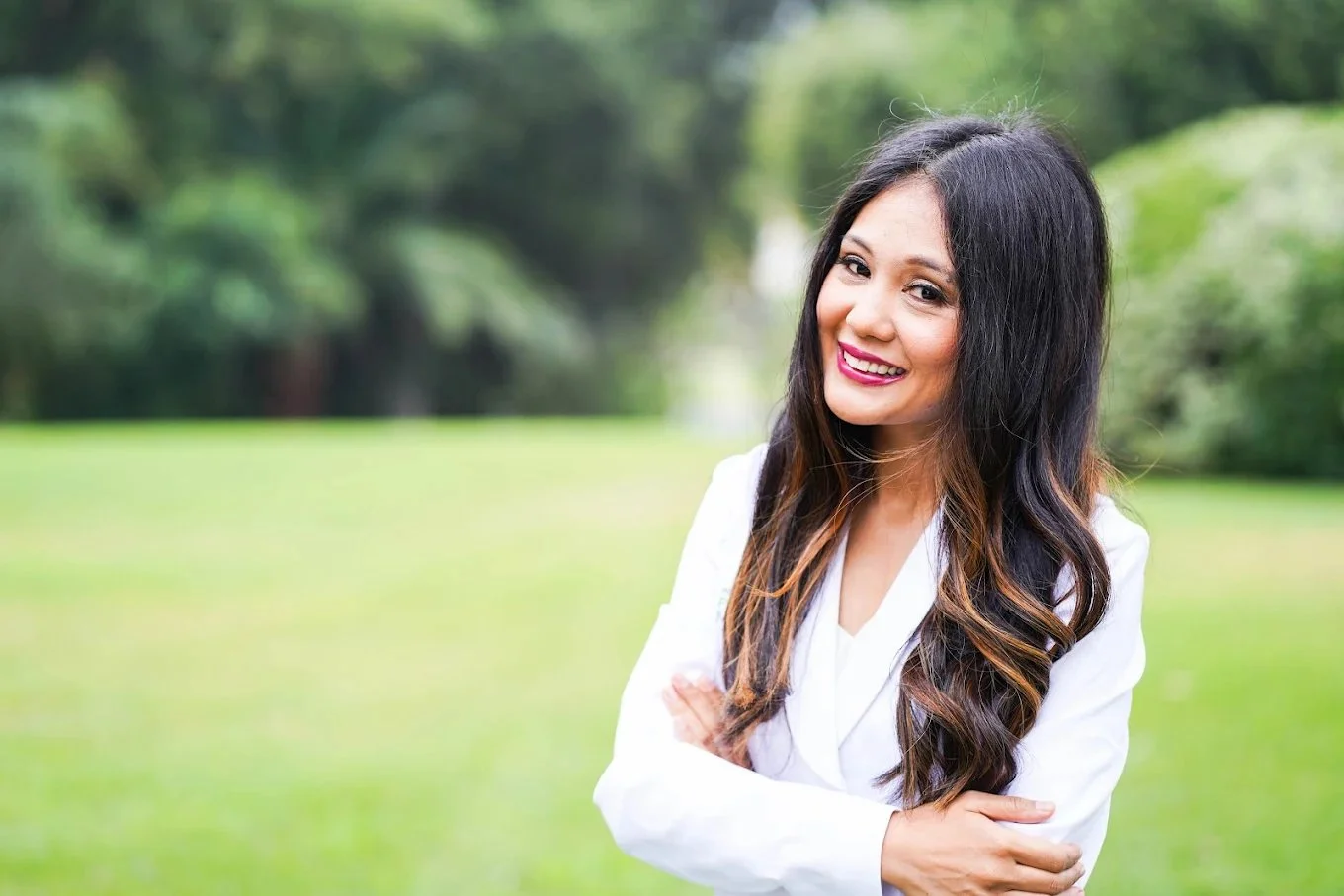
Learn more about Dr. Melissa Mondala
Dr. Melissa Mondala joins Rip to talk about women’s health, autoimmune disease, anxiety, perimenopause, metabolic health, hormones, and the power of whole food, plant-based lifestyle medicine.
A family medicine and lifestyle medicine physician, Dr. Melissa shares her personal journey from struggling with GERD, IBS, fatigue, and serious health challenges to discovering the transformative power of plant-based nutrition during her training at Loma Linda. She also shares how meeting Dr. Caldwell Esselstyn and Ann Esselstyn helped shape the way she practices medicine today.
In this conversation, Rip and Dr. Melissa explore why so many women feel anxious, foggy, inflamed, exhausted, or “off” — and how food, blood sugar, hormones, stress, sleep, trauma, movement, and metabolic health all connect.
They also discuss coronary calcium scans, advanced lipid testing, fatty liver disease, perimenopause symptoms, plant-based protein, resistance training, hormone replacement therapy, and why lifestyle medicine is often the most powerful tool in the medical toolbox.
Dr. Melissa’s message is clear: you are not broken, you are not crazy, and there is so much you can do to reclaim your health.
You’ll hear:
Why food is the foundation of healing
How blood sugar can impact anxiety, sleep, and mood
Why autoimmune disease is rising, especially among women
What women should know about perimenopause symptoms
Why resistance training matters for bones and muscle
The role of plant-based protein and fiber
Coronary calcium scans and advanced lipid testing
Fatty liver disease and metabolic health
Hormone replacement therapy through a lifestyle medicine lens
Why rest, sleep, breath, and nervous system regulation matter
Episode Resources
Watch the episode on YouTube: https://youtu.be/d5756fHSAXc
Dr. Mondala’s Website: https://drlifestyle.org/
Instagram: @drmelissamondala
We hope to see YOU at one of our 2026 Live Events! https://plantstrong.com/pages/events
To stock up on the best-tasting, most convenient, 100% PLANTSTRONG foods, check out all of our PLANTSTRONG products: https://plantstrong.com/ Use code: podcast to receive 10% off your first order.
Plant Strong Meal Planner: https://mealplanner.plantstrong.com/
Give us a like on the PLANTSTRONG Facebook Page and check out what being PLANTSTRONG is all about. We always keep it stocked full of new content and updates, tips for healthy living, and delicious recipes, and you can even catch me LIVE on there!
We’ve also got an Instagram! Check us out and share your favorite PLANTSTRONG products and why you love it! Don’t forget to tag us using #goplantstrong 🌱💪
Episode Transcript via AI Transcription Service
I'm Rip Esselstyn, and you're listening to the Plant Strong Podcast.
Summer Guest Preview
[0:04] Hello, Plant Strong family. I hope that everyone is having a fantastic summer and you're having all kinds of summer adventures.
[0:15] I've got a fascinating episode for you today. I'm joined by Dr. Melissa Mondala. She's a lifestyle medicine physician, family doctor, and women's health advocate, who is passionate about helping people heal from the inside out. Her own journey into plant-based lifestyle medicine began with personal health struggles, then her father's autoimmune disease, and later her training at Loma Linda, one of the world's blue zones. In this conversation, we're going to hit on a lot of topics.
[0:50] Including, now hold on, because I'm going to name off about eight here. Women's health, autoimmune disease, anxiety, perimenopause, metabolic health, coronary calcium scans, fatty liver disease, hormone replacement therapy, plant-based protein, blood sugar, and why so many women are walking around feeling like something is kind of off, but not always getting the answers that they deserve. Dr. Melissa doesn't separate the body from the mind. She looks at the whole entire person, and her message is clear. You are not broken. You are not crazy. And there is so much that you can do to feel better. So settle in for a rich and empowering conversation with Dr. Melissa Melissa Mondala right after these words from PlantStrong.
[1:47] Before we jump in, a little reminder for busy summer days. When that calendar is full, the kitchen is hot, and everyone is running in a different direction, your pantry can be your best friend. PlantStrong Pantry Staples make it easy to pull together fast, nourishing meals without overthinking it. Chilis over greens or potatoes, grain bowls with beans and veggies, quick pizzas cereals waffles and simple meals that actually satisfy, no oil no added sugar simple ingredients real food that you can keep on hand for the days when cooking from scratch just isn't happening stock your pantry for summer at plantstrong.com, and make your next meal one less thing to worry about use the code podcast and save 10 off your order.
[2:47] Dr. Melissa Melissa Mondala, welcome to the Plant Strong Podcast. Hi, it's so good to be here. I'm really excited. Yes, me too. So you and I have never formally met before, but you have met my father and my mother before. Where did you meet them? Yes, I clearly remember the day because I was in the phase of getting more and more plant-based. And this was at the Marion College of Lifestyle Medicine. And he, you know, I read all his books and this is on reversing chronic coronary artery disease. And he did an amazing talk, talking about his athletic days. And then I said, I need to meet him. And of course, he was way tall, but a giant in the plant-based world, but also in real life. And, you know, that changed my life and the way I practice medicine. And then meeting your mom full of energy and really passion for the community and making food come to life. I said, that's what I want to do for the rest of my life. And really, they've been my heroes. And it's always been an honor because it changed my family's life, my patient's life. And there's no turning back. Yeah, it's great to hear that. They're also heroes in my life. Make no mistake about that.
[4:07] When did you know that you wanted to become a physician? Great question. You know, early on in my life, I knew I wanted to, they always say the generic term, make a difference, serve the community. But I loved, first of all, I love mental health. That was my first love. And I still love it because I love to learn about human behavior.
[4:30] Human preferences, perspectives, emotions. But I knew that the anatomy, the biology was equally important. I wanted to know what was the neurotransmitters in balance. I wanted to know the connection between the brain and the body. And to me, that was early on. That was in, I think I was seven or nine. I said, that's what I wanted to become, a doctor and a missionary. I know that was like really early. And then I just went on into my undergrad years and pursued psychology and then medicine. And then I was looking for the answers, to be honest, to really heal people. You know, yes, I understood there may not be a magic cure, but I wanted to heal people from the inside out.
[5:17] And all I in medicine learned about was medications. I learned about diseases, but I really didn't see people get better. And then at Loma Linda, when I trained, that's where I, you know, I saw things come to life. But I saw a lot of people in the ER, in the hospital, still, you know, they were still stuck on the medications. They were getting repetitive strokes, heart attacks, and they were not getting better. And I was wondering, is this ever going to end? Is there a solution that's lifelong? Can we actually reverse disease? And so that was my journey of going into this whole plant-based world lifestyle and trying to really find the answers because I knew that that was just one side of the story. There had to be more. Well, you.
[6:03] Uh, so you entered medical school in 2011, correct? Yeah, that sounds about right. Yeah, you have my timeline there. Yeah, so 2011, and did you go, where did you go to medical school? So I went to Chicago Medical School over there, and interesting enough, that's where, you know, I grew up on the Filipino-American diet, which was a lot of, unfortunately, like.
[6:28] Heavy meats, pork, and all these animal products. And I saw myself getting really sick very quickly. I had GERD that wouldn't go away with medications. I had IBS, so I was always bloated, always having loose stools. And during my medical training, it was just horrible in Chicago. And I thought food was the answer, meaning I just ate every kind of food I can find because I thought, well, that's going to console me. But it was the wrong food. It was all the hot dogs, the pizza, and, you know, and things that I, you know, spicy food, things that you don't realize that was just negatively impacting my microbiome. So for a long time, to the point where it impacted my focus, my energy, and even my mood. So I knew that there was a connection with food pretty early on, but not to the point where I needed to make a radical change. And that wasn't until residency at Loma Linda. Okay. So you went to, so why did you pick Loma Linda for?
[7:36] Great question. So, you know, I know food is medicine. We know that, but then Loma Linda was one of the blue zones and blue zones are, um, I knew I wanted to be in a place where it was more holistic, uh, mind, body, spirit. Uh, and then I, I was really drawn because when I did go there.
[7:56] I saw that people were living long, but also without medications. My spin instructor, by the way, was a parotid cancer survivor. He was in his 70s and he was beating us all. He was making us sweat. He was really on fire because of his recovery. He changed his lifestyle. And so that was my motivation to get on the bike, to change my lifestyle. And that's when I was actually diagnosed with a rare breast cancer at that time. And that was squamous cell in situ. So early on in my life, I just had these health, like really negative health, I would say diagnosis that really would change one's idea of health because I, you know, as a doctor, you think you eat healthy, you think you do the right things, but there's always more you can do. And that actually had to lead to really giving up like the dairy and the animal products. So just, I think it was an opportunity for me to learn what was the poison in my body that I was actually putting in my body. So I'm just blessed that I was able to meet people at Loma Linda and everyone else on the journey to really empower me to make that change. Well, so I'm trying to, I'm trying to unlock something and I haven't quite.
[9:20] Unearthed it yet from you. So I'm going to keep pressing. So you, you're a medical school. You're, you said Chicago, right? It was the university of Chicago. Is that what you said? So you're there, you're there for four years, you're eating whatever you want. You see food, you eat it.
[9:38] And so you graduate, but like who planted a seed in your brain that maybe there is such a thing as food is medicine that made you decide to go to Loma Linda. Yeah, I think most of us know that Loma Linda is one of the five blue zones, but how did you discover that? Because it seems like that's not something that just would fall in your lap.
[10:04] Good, good question. I think it goes back, way, way back because my father actually had autoimmune disease. He had psoriasis and growing up, I saw him really suffer. He is someone who tried to be successful in the workplace. He was in the military, but he just had a lot of hard transitions in his life. And so it led to psoriasis. And then he was saying, you know what, we have to give up this pork and these saturated fats and these processed foods. And he introduced me to people like Dr. McDougall. He introduced me.
[10:46] When did he do that? When you were at medical school? No, earlier. This was like in my high school years. Oh, but it didn't stick. It didn't stick.
[10:58] I was, I was a resistance. I was like, no, I'm going to have my cup of noodles and my hot Cheetos. Like, no way. I'm not giving it up. Yeah. I didn't want to believe him. I was a rebel in my own way. And I was like, oh my gosh, I'm going to pursue medicine. I'm going to find the answers. Well, he must be so, is he still alive? Yeah, he is. Yeah. He's so proud of the direction that you've gone in and what you're doing now with your, with your career. Yeah, he definitely is because he would always nudge me and say, you know, it's in the food and it's you got to try something else and read those labels. And I think he was a fanatic before I was. And then that's when I was like, oh, I found the how not to die and, you know, forks over knives and what the health. And like here, I think you're right. Here's the documentary. Is this what you're talking about? And so that's when we shared our what we knew and he said yeah that's exactly what and that's why I you know he was feeling better and that's why he said well we need to make a family change, or for him to feel better which was hard because meaning because if you live in an environment where there what other people aren't eating similar to you it just makes it harder for him Yeah. Yeah. So now you use your specialty is kind of lifestyle medicine, nutrition and metabolic health. Is that correct? Correct. And family medicine and integrative psychiatry. Okay. Okay.
[12:27] But when you got out of your residency at Loma Linda, Did you immediately go into this kind of lifestyle medicine or did you, did that come later?
[12:40] A great question. You know, during the end of my residency, I met one of my, great friends and mentors. She's actually Dr. Brenda Ray and she was someone with multiple sclerosis and she shared her story because she, you know, we related a lot because we both.
[12:57] Had the struggle with, you know, the idea of autoimmune disease, because my dad had autoimmune disease, she had autoimmune disease, and there's no real like clear cut answer in medicine. And the medications are horrible, like they suppress the immune system. They're almost like cancer medication. So when we connected, she was so inspiring, because she, you know, what turned plant based, she was active, she, and she knew the challenges in medicine, how you patient sometimes and the healthcare system aren't always up for a lifestyle change. But then she introduced me to lifestyle medicine and that American College of Lifestyle Medicine is when I had my full immersion of 100% whole food plant based. And that's when I didn't get the meat sweats, or like the acne or the bloating or the, or the loose stools I would get typically. And so hearing her story was just inspirational to me, because then I knew that something as difficult as autoimmune disease was something that can benefit, from food, you know, food alone. Well, it is amazing to me when I look around.
[14:08] How many different autoimmune disorders or diseases there seem to be that are out there right now. And it just seems to be compounding. I don't remember, like when I was growing up, hardly any autoimmune diseases. What do you attribute all this autoimmune disease to? Right. So it's definitely climbing in the millions. And when we look at the studies, It's interesting because most of the people who have it, 80% of them are women.
[14:41] And that's like pretty significant. And yes, you know, there is a component of food, their food, their environment, but also their hormones. And so most people, most women get it right after pregnancy or right after menopause. So those are the peaks when there's the estrogen, progesterone change. But also, these women have likely, a lot of the women we see in our clinic at Dr. Lifestyle, you ask them about the food they're eating, and unfortunately, it's, you know, highly processed, highly sugary and salty, and then they are lacking not only the, you know, the physical activity, but they have high, high stress, and they have a lot of trauma. And so the trauma, the biological, physical, emotional trauma that has happened at a small or large level has impacted them. And they have this emotional dysregulation that impacts their immune system. There's studies and even that show that it's really when the body, and there's a great book by Dr. Gabriel Mate, who the body is saying no. So literally, the immune system is signaling out to the body, the microbiome, to the brain, and to the joints, you know, that they're saying no to either the food.
[15:59] The environment, their trauma, and it comes out into all these symptoms from head to toe and all these organs, and then it later on gets diagnosed as autoimmune disease. Oh, man. So I think this is a great transition. And you mentioned that almost 80% of.
[16:20] People with autoimmune disease are women. It just so happens that about, I think, 70% of the Plan Strong podcast listeners are women. Oh, and you love to empower women. Yes.
[16:35] So let's say that you have a 53-year-old woman that comes into your office and she says, Dr. Melissa, I have anxiety and I don't know what's causing it. I can't seem to get a grip on it.
[16:54] What are some of the things that you look at before assuming that this is strictly anxiety? Great, great, great question. It's a very, I would say, comprehensive, intensive evaluation in a good way because there's so many layers to anxiety. And when you think about it, the statistics show that anxiety is almost as prevalent as diabetes. And depression, they say it's about a 50% prevalence. And their first episodes of anxiety, depression are usually in their teenage years. And so when I really go back in time, I start from the very beginning, of course, knowing the family history of anxiety, depression, PTSD, there's bipolar, even suicide attempts. And sadly, I would say the number two cause of death in teens are going to be suicide. The number one cause of disability is depression and anxiety.
[17:53] So we got to address what's going on in the family, what's going on in the upbringing, what happened, life transitions, was there change in grief, change in location, and then understand that, With anxiety and depression, sometimes people live with it in waves. So it's chronically impacted by their work, their actual home environment. But also some people don't realize it's their high sugar, high salt, their caffeine. So I'm looking at that, of course. And then 50, so this is an amazing study that when you exercise for 30 minutes, it's equivalent to an antidepressant or antidiapressant. So we need to make sure that they're being physically active. And then I look at. Let me ask you this. How many, like what percent of your patients that come to you would you say are inactive and not even moving 30 minutes a day? Oh, yeah, yeah. Like ninety nine percent. Really? Really? It's that it's that it's that prevalent. Wow. It's that prevalent.
[19:01] People say they move around their house and their work, but not really. Maybe if they have a dog, they're walking, but a lot of people are not exercising. And then I look at thyroid imbalance. I look at insulin, metabolic health. I look at hormones. And then with anxiety, their vagus nerve and their stress management. So most people are holding their breath. They're not really breathing.
[19:31] What about blood sugar? Yeah, blood sugar is really important because when your sugars are above even, 130, 150, you're constantly on edge, you're irritable, you're already anxious, it's hard for you to sleep because you have that sugar in your body. And most of the time, it's impacting their periods. It's impacting their PMS, their postpartum pregnancy. So right after they delivered. And then, of course, their menopause and perimenopause. So when the sugar is there, it just makes things so much harder to uphill battle.
[20:11] All right. I'm going to keep grilling you on some questions for the women listeners.
[20:18] So I'm a 58-year-old female. I'm coming to see you and I'm concerned about kind of just my, my long-term health. What are some scans that you like, that you would suggest that I take, um, or this woman takes, uh, just to kind of check all the boxes and see, see, see where everything is. Right. Uh, so I really, really love to start with, you know, of course there's a lipid panel and an advanced lipid panel. So the advanced lipid panel, by the way, has all the LPA, apolipotin B, has HR sensitivity, CRP, and all the LDL particle sizes. So that's lipidology. And let me ask you this. When did you start doing the LP little a, the lipoprotein B and those things that just within the last year and a half, two years, I would say about six, five, six years ago, it was, um, I was doing it right away. Um, and then the coronary calcium scan, which is my biggest, I've been doing that from, um, five, six years ago too, for I'm very proactive and very preventative because sometimes patients will have a normal LDL or normal cholesterol. So 50% of people who get a heart attack actually have, as you probably know.
[21:36] May have normal lipids, but they may have other causes of their heart attack. If it's the inflammation, if it's the particle sizes, and that invisible area can be best known when you do other advanced lipid testing. And the coronary calcium scan, finally, this year, I think this last month, either the American Heart Association finally put that in their guidelines to say it's okay to do, a CT coronary calcium scan because we have to catch it early as you know and I start even in my 30 and 40 year olds depending on the risk profile. So when you're looking at a CT coronary calcium scan.
[22:23] Let's say you have 100 patients that you recommend get one. What percentage would you say show something that is, you know, cause for concern? Yeah, great. So at least probably 50 to 75 percent. It depends on the population and the age group. But I would say it's pretty, pretty significant. And, you know, it ranges from zero to 500. And the percentage is based on the age too. Some people say 300 to 500, that's when you should start getting more attention to it, see a cardiologist. But I like to say if it's greater than zero, we're acting. We're changing our lifestyle. Wow.
[23:06] And tell me, do you see 70, 80-year-olds that have a CT coronary calcium scan of zero? No. I do. I actually do. Yeah, I do. It's amazing. And do you ask them what they eat or what their lifestyle is like? And does it usually, you know, line up with that? Yeah, most of them. It's like plant, definitely more plant predominant and they have a very active lifestyle. They're physically active. And so that's the beauty of it. But there are a small percentage of people who, you know, they have, you know, 100% plant-based and somewhat physically active, but they still have some higher scores. So we talk about other things as well, just for their longevity and for the safety of their coronary heart disease risk.
[23:59] Any other scans that you recommend that maybe we've missed? Yes, I do love the ultrasound. So the abdominal ultrasound, and that's the screen for fatty liver, so our metabolic fatty liver disease, and to see because sometimes women, by the way, they may look thin, especially Asians or just thin females, they realize that, well, I'm thin, I'm eating well, but you look at this liver, and it's, completely full of lipid deposits. And they have high insulin, even though they don't have diabetes or pre-diabetes. And it's because there is a metabolic dysfunction in the muscle to the liver and the hormone imbalance. And of course, the older they get, there's estrogen deficiency. So that impacts their metabolism. So abdominal ultrasounds are really key to really, really get people to change their lifestyle because people have no idea what's happening to their liver. Well, help me out here Because I know that a lot of the fatty liver is not so much by alcohol, but it's by, you know, all the processed foods we're eating, right?
[25:10] What percent of your patients would you say have... Come back with some sort of fatty liver. Yeah, I would say majority of them because it's very prominent, not just because of the alcohol, but the saturated fat, the high sugars, it's the insulin resistance that develops over time. And so these women will be like, well, I eat healthy, but I still have my coffee, which lots of sugar, they have their desserts and their sweets. And they may not realize that one or a couple items are still taking a toll on their liver. And so that's really important. So that's the non-alcoholic fatty liver disease. Correct. Got it. Well, you're doing fantastic here. Let's keep rolling, all right?
[25:59] Yes. So let's go back now. I'm a 48-year-old woman. I'm in perimenopause. What are just a couple habits that you would recommend that will change how I experience perimenopause? Right, exactly. So just to back up, what is perimenopause?
[26:21] So perimenopause, people think it's only a year, but it can last for 5, 10 years. It's just basically a period of time when the estrogen, progesterone are lowering and the FSH is increasing and they're no longer ovulating and they are still having periods. So that's the key. They may not have periods every month, but they're having periods maybe every two months. And it's becoming less frequent, sometimes longer periods, sometimes heavier periods, and they're beginning to start to have some changes. And those changes can be either.
[26:55] They're having, and people think it's hot flashes right away. The subtle changes of perimenopause is actually going to be brain fog. It's going to be a little bit more irritability and anxiety, low mood, lack of focus. And sometimes even they're feeling like they're bloating, they're gaining weight.
[27:15] They're even into the point where they're having somewhat, there's about 100 symptoms, by the way, of perimenopause and menopause that people don't realize, tinnitus. Those are the rare ones, of course, and they're just not feeling themselves. So what are those habits that you can really implement early? I would say you definitely want to start with food. Food is going to be the foundation when it comes to it because you want to stabilize your sugars. You want to be able to have fiber to stabilize your sugars. So of course, fruits, vegetables, beans, nuts, and seeds, and protein. You know, there's a lot of fads out there. We're saying, oh, high protein. And yes, it's important to get plant-based protein in the beginning of your day and at night. And for women, especially because they start to have early bone loss in their 30s. That happens already because they are not, you know, their estrogen is going down and they're not as active as they were in their teens and 20s. And so we want them to really establish a nutrition as the foundation and then start exercising. They got to work out those bones. So bones are going to be really important for resistance training because we don't want fractures. We don't want risk for falls.
[28:28] And then number three, of course, a lot of women are prone sometimes to low blood pressure. And so you want to make sure that you're having good, I would say, smoothies and electrolytes and making sure that because women in their perimenopausal years tend to get vertigo and what what causes that it's usually um.
[28:50] Yes, there's an inner ear dysfunction, but also the low blood pressure and the high heart rate. And then other great ones is really spending time to really understand your hormone cycle. Because if you are stressed out and irritable, by the way, that might be a sign to you that you need to slow down and rest and focus on that sleep. Because that's the first thing, too, that happens in peripendamolus. They don't sleep as well. They wake up multiple times during the middle of the night and they are in, And they can't get that deep sleep. So you want to have a wind down because people are so used to go, go, go through all the decades of their life that they don't know how to rest. So I love teaching women how to really rest, reset, because you can actually help your perimenopausal time by actually preserving your hormones by not burning through those hormones. And how do you preserve your hormones? You take breaks. you rest.
[29:53] Because you don't necessarily want to go into menopause right away. You want to keep those hormones as much as you can so that it can help with, cardiovascular health. It can reduce the rates of dementia. And it can really help reduce the rates of anxiety and depression as well. So in summary, rest and sleep. Number two, move, exercise, work those bones and muscles And number three, really minimize the sugar and put the plant-based protein in there and the fiber. You need both so that you can build your hair, skin, and nails, which most people complain about that they don't have the older they get. But you need that plant-based protein. Yeah. You know, you also, on your website, I think I mentioned some or I saw something that I thought was interesting. You mentioned dry brush before showering. I've never heard that before. Yeah, yeah, yeah. I know. It's really calming. It's really important to kind of activate that vagus nerve. And in the shower, too, I say gargle when you shower because that relaxes you, that winds you down. Hum while you shower so that you can really relax because….
[31:12] Why do we want to have that cortisol level really high? Because if the higher cortisol is for a long period of time, that's going to suppress the HPA axis, which is the hypobalamus-biteria axis that will shut down your thyroid, your reproductive hormones, your estrogen progesterone, and men's testosterone. And then you want to keep cortisol nice and low, but not too low where you burn through it. Hmm.
[31:40] Well, what's been your experience with hormone replacement therapy? Yeah, great question. You know, I know there's a lot of talk about hormone replacement therapy, obviously, because not just of the studies and the news and the old, you know, studies, you know, was really debunked for a while. And but finally, now, medicine is going back to not just the studies, but looking at the patient for what's really going on.
[32:10] And it's really powerful because hormones are just like vitamin D, by the way. Vitamin D is a hormone. It's a signal, just like progesterone, estrogen, testosterone. And we need that. So if we're lacking that, we need to first ask why. We don't want to just give a hormone without knowing why. Is it because their cortisol is too high? Is it because there's thyroid imbalance? Is it because they're overweight? I have patients who went on plant-based and lost all this weight and their testosterone went from 200 to 600 to 800. So just by eating more plant-based eating. And so that is also a very big potential when you do that as well. And then when it comes to hormones in itself, after addressing the lifestyle, so looking at their nutrition, their exercise, their sleep, then I really dig into their labs, make sure that their DHA, their TSH, their insulin, their FSH, all these things are all normal. And then if it's really low for a persistent amount of time, after trying all the lifestyle interventions, then.
[33:20] I look at considering giving DHA, men, sal palmento, women, there's flavonoids, there's rhubarb. But then if you tried all those things, reclining up the ladder, then for women, especially if you're having hot flashes, if your libido is just not there, you're just lacking the quality of life. And then we talk about hormones. And estrogen is important because that's your vitality. That is where you really find yourself present. And progesterone calms you down. It's the thing that keeps you from becoming overly anxious and allows you to sleep. So you need both. Estrogen helps build your bone and helps support your heart. So some people don't realize that they do need both. You need, just like the body, I want it to be as close as physiological levels as possible.
[34:14] And sometimes cycle it, depending on their diagnosis. Because some women live in this PCOS endometriosis realm where they have excess estrogen and not enough progesterone. And they end up having really dysregulated periods and LH defects. So if you're going to perimenopause and menopause, if you have that history, we want to make sure we got to get rid of that saturated fat, those toxins driving up the estrogen, and then really balance it with the progesterone. So both is going to, you know, both really important. And then it's for some women, they need a little bit of testosterone if they've tried it all. And they're just lacking, once again, their sharpness, their certainness, they're working out hard, by the way, they're doing the best they can, but they're just not themselves. And so then we do a little bit of testosterone for those people who need it. But I love DHEA too, which is a great supplement that helps convert that to testosterone as well. Right on.
[35:14] You're located outside of Orange County. Yes. Yes. I'm outside. I live outside of Orange County. My clinic's in Newport. Newport. So do you also do telemedicine or just patients in person? I do telemedicine, so I welcome both. Some people come in and fly over, but I see people throughout the U.S. and I know my husband sees people around the world. He's an integrative rheumatologist. And so we're just blessed because we know that we want to help people from wherever they are get the support they need because it's not easy and I don't want anyone to feel alone. What states are you able to –.
[36:00] Counsel people from? Yeah, great question. So there's California. So I have California, Florida, Pennsylvania. And I think I recently got Idaho. So those four, and then other people, I, you know, it depends on their, their medical history. Sometimes I just serve as a one-time coaching and counseling from those other States, but we, we make it happen. So if there's interest, just let us know. Gotcha. And what's the best way for people to reach out and get in touch with you? Yeah, great question. Thanks for asking. So you can find us at drlifestyle.org. And then I'm also on social media, Dr. Melissa Melissa Mondala or Dr. Melissa's Kitchen, YouTube, TikTok, Instagram, where I share all my recipes, all my women's health information, and really getting you back to your best self. Where did you meet your husband?
[37:01] Good question. You know, that's a funny story. We met in college and that was out in Riverside, UCR. And we were part of this health club. And this health club was all about like eating healthy. I was already into this, like eating healthy, being active. But I was the president there. And so I met like once or twice. but he was the, he was the guy who like, he was, he was on my roster, but he, he wouldn't answer my call. So fast forward eight years later, we met the first day of medical school. So you just happened to be in medical school together? Yeah. Yeah. Wow. Wow. And now you're both physicians. Yeah. And do you like, do you have, are you located in the same office? Yeah, we're in the same office. And it's so funny. We work together. We didn't realize our home base. Our parents also live five minutes away from each other. So it was just a circle. Um, um, it's everything, you know, it's all purpose fight that, uh, you know, divine that we're just in the same path working together and just love what we do. Who does most of the cooking?
[38:10] Of course, you know, I do because I love cooking. It's just a real joy and just creating recipes. And I actually was the first person who cooked for him for plant-based reasons. And that's what helped change his lifestyle and got him better from his autoimmune disease. So I was the one sneaking in all those veggies for him. Right. Well, and you mentioned before we went live, you mentioned my kale T-shirt. And you mentioned you have a garden and you're growing kale in the garden. How long have you had a garden? Yeah, good question. So we moved back to our hometown about three years ago. And so we remodeled and started that. So we planted about, I don't know, 10, 15 trees and then three raised beds. And so it's been about a year or two. And now the cauliflower comes to life and the Brussels sprouts. And you just appreciate from seed to tree. And it takes patience. Do you have a favorite breakfast that you guys make? Yeah, we do. You know, it's a combination of different things. You know, I'm really simple. You know, if it's still cut oats with goji berries and like black seeds and chia seeds and then all the berries, of course. And then I do make some tofu scramble.
[39:33] And so those are like the basics for breakfast. but he's a smoothie guy that he just, he's better at making that. It tastes good. I don't make, my smoothies aren't the best, but my food is good. Yeah. Well, that's, that's good. Have you, do you know what you're going to have for lunch today? You know, I just made some curry, tofu curry with all these vegetables with sweet potato and butternut squash and different things. So, And then I have some, we call it forbidden rice. So it's like red and black rice and different grains in there. Hmm. Mm-hmm.
[40:11] I saw on your Instagram, there was a study from the University of Sussex that said that if you can read six minutes a day, it can reduce your anxiety by up to 68%. Is that reading from like a book or can that be like, you know, something on your phone or computer? Good question. I believe it was from paper because there's something that happens with your nervous system. And it's actually what I do. It's a mindful exercise.
[40:47] When we're able to really have this mindful connection with the words, for example, I help patients quick alcohol use, smoking, vaping, CBD, and go have like, they have severe addictions. And I recommend reading because this is where they're able to not disassociate. And disassociation happens when someone has severe trauma or PTSD. When you're on a screen, you're likely to be distracted and not fully in. And there's a lot of, we call it EMF, just like a lot of electricity impacting the brain. And so when you're reading, you're able to really be focused and it's more therapeutic at the same time. And you're less likely to be in this, I would say, because there's things that can happen when people are like reading on the screen. There's like so many distractions, notifications from social media, the news, it can be very trauma inducing. So from when you're in a book, it's one task at a time. And, and you're all in. Yeah.
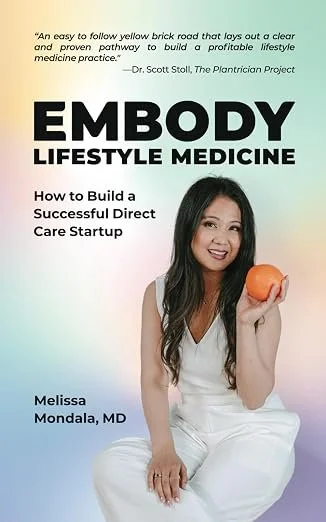
[41:53] You also have a podcast, right? Yeah. The autoimmune alchemy podcast. When did you start that? Yeah, about, I think last year, about 50 to 60 episodes and you're going to be on there soon. And so we're excited because this is autoimmune alchemy and it's really blending science with soul. So this is where you're going to get all the hard science, but also knowing, you know, what do patients need at integrative levels and in a way where it's mind-body connection, but also hearing we have patients on there. We have innovators out there. We have people who are really pushing medicine, in a very positive way and seeing the things that you can make interventions every day rather than waiting decades to help. Yeah. And then if, am I mistaken, or did you also write a book? Yeah, thank you. Embody Lifestyle Medicine, is that right? Yes, thank you. That's right there. And this Embody Lifestyle Medicine is a book in the corner. Maybe I'll show it to you. Yeah, I'd love to see it. Yeah. Yeah, thank you. So this is me holding the orange and then Dr. Scott School, he endorsed in all these plant-based physicians and people in the community. But basically, it's my life story in here. You'll hear about the details. Even my patients love to read it and how I've embodied lifestyle medicine. It's become a way of life.
[43:22] It's really taking it and living it and making it transform you. And that's what it did for me. And so that's why I started my own practice. And that's why I give that patient care. That's why I spend more time with patients. And so this talks about how to build that practice up, but also how there's all these like QR codes and freebies on like anti-inflammatory eating and how to find your North Star and how to find purpose in your life. So this is what it's all about. Wow. And tell me.
[43:55] Do most of the patients you see, do they have an open mind to this, you know, kind of holistic lifestyle or not? Great question. So, you know, when I worked in like the, you know, Loma Linda, VA, big hospital settings, even the urgent care settings, it's definitely a shocker. It's not always welcome. However, there are patients along the way that like when I even in a five minute visit versus a 15 minute visit where I just talked about the punchline for lifestyle medicine or plants is really is it reverses diseases. It changes lives. And this is the root of your issue. And so as soon as I implemented that, in my practice, I would say everyone's open. They actually want this. They're hungry for this.
[44:48] This is something that they've been wanting for a really long time because they they don't want to rely on medications and they know it has some side effects and um, they don't want to have the same generational i would say diseases as their parents um and so this means everything well and what a, They get to see you and you are such a great representation of what this lifestyle, can afford you, right? What it can bestow upon you. And so, you know, if I'm a patient and I'm talking to you and you light up like a Christmas tree when you start talking about, you know, plants and how they can empower you and heal you and all these other things, I'm going to be so much more likely to jump in and embrace this as opposed to if you're like, yeah, nah, I tried that. People can't stick with it. Just take these meds. You know what I mean? That's not going to work.
[45:49] That really just drowns you. That's not the way to do it. It's really about finding the purpose and the transformation. And every day it's our life. We talk about it. We're obsessed about it in a good way. And I think the thing that really steams my clams is that you –, seem to be more of the exception than, you know, the rule when it comes to most physicians. And we have to flip the script and get more physicians on board because, you know, I think as you would agree, this is the most.
[46:28] Powerful tool you have in your toolbox. Right. It's the most important, right? It's the key. Like we can, if we don't put this, open this with nutrition and lifestyle. We're going to just stay there. We're going to be stuck. It's a dead end and we're not going to be able to live. And sadly, you're going to be, it's, you're closer and closer to your tomb, but we can take that away, right? We can instantly take away by a meal, by the food you eat, by the movement.
[46:56] Yeah. Yeah. A hundred percent. Well, Melissa, this has been an absolute pleasure. I can't wait to talk to your husband, um but you know kudos to you right i mean, author entrepreneur podcaster recipe creator, educator all around amazing human being thank you, thank you so much it's always an honor this is life thank you so much for what you do too can't wait to have you on our podcast and we'll see you soon yes hey on the way out you have to give me a plan oh that's right oh i'm excited Boom. Yeah, we're going to blow up. Yeah, we blow up like that.
[47:44] That's good. We did it. Synchronized. I want to thank Dr. Melissa Mondala for bringing the wisdom, warmth, and empathy to this conversation. She is not just treating symptoms. She is helping people understand the whole story through food, movement, sleep, stress, hormones, blood sugar, and of course, community. That is real medicine. And it's the lifestyle medicine that we adore here at Plant Strong. For more information on Dr. Melissa Mondala and her work, you can go to drlifestyle.org. And I'll be sure to drop a link in the show notes today. And for all the women listening who are feeling anxious, foggy, tired, inflamed, frustrated, or like you just don't feel like yourself anymore, I really hope that this conversation reminds you that there are answers out there. Start with the foundations. Move your body. Work those bones and muscles. Protect your sleep. Breathe. Rest. Read. Create space for your nervous system to come down. And of course, always, always keep it plant strong. I'll see you next week.