#358: How Terri Edwards Reversed Her Joint Pain, Lost 50 Pounds & Transformed Her Health with Comfort Foods
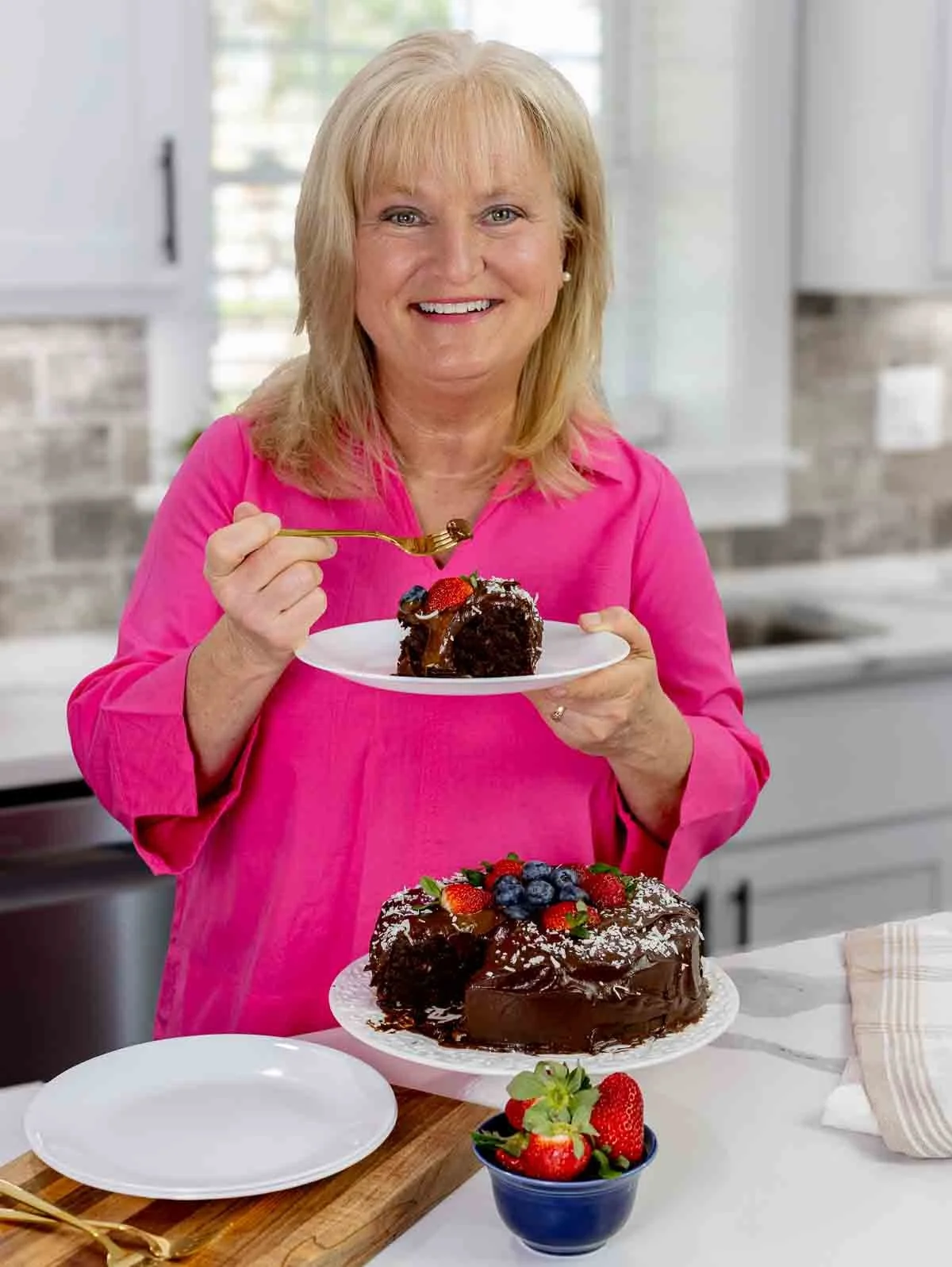
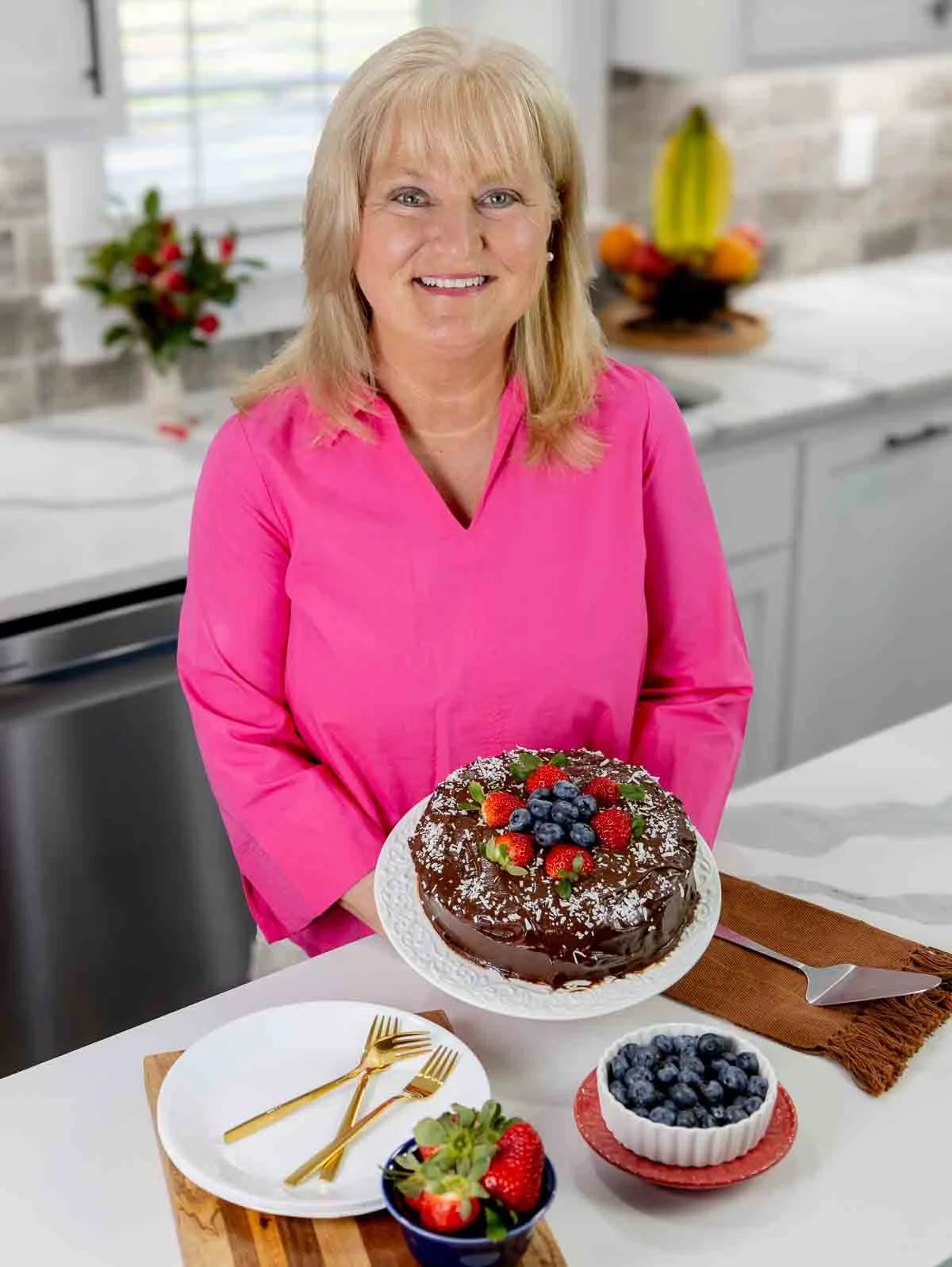
Terri Edwards from https://eatplant-based.com/
Rip sits down with Terri Edwards — founder of EatPlant-Based.com — to talk about the recipes, habits, and simple food swaps that helped her completely transform her health.
After years of struggling with joint pain, high cholesterol, insomnia, adult acne, and weight gain, Terri discovered the power of whole-food, plant-based nutrition after watching Forks Over Knives in 2013. Within weeks, she noticed major improvements in her joint pain and energy — and never looked back.
Today, she teaches thousands of people how to make plant-based eating approachable, affordable, and delicious.
Rip and Terri dive into:
How Forks Over Knives changed Terri’s life
Why flavor and seasoning matter so much in plant-based cooking
The secrets to crispy tofu without oil
Easy recipes for chickpea burgers, tofu egg salad & barbecue soy curls
Why beans help you stay fuller longer
How Terri makes creamy mashed potatoes without dairy
The plant-based recipes that win over skeptics
Carrot dogs, black bean brownies & sweet potato chocolate frosting
Success stories from people who reversed major health issues with food
Tips for making plant-based eating sustainable long-term
If you’ve ever felt intimidated by plant-based cooking — or just want more easy, satisfying recipe ideas — this episode is for you.
Key Takeaways:
Plant-based eating can dramatically improve inflammation and joint pain
Flavor comes from seasoning, marinades, and technique — not oil
Beans are one of the most powerful foods for satiety and long-term health
Freezing tofu changes the texture and improves marinade absorption
Comfort foods can absolutely be recreated in a PlantStrong way
Simplicity and consistency matter more than perfection
Episode Resources
Watch the episode on YouTube: https://youtu.be/oN7zs5vgfLA
Terri’s Website: https://eatplant-based.com/
We hope to see YOU at one of our 2026 Live Events! https://plantstrong.com/pages/events Use code: podcast to receive early bird pricing
To stock up on the best-tasting, most convenient, 100% PLANTSTRONG foods, check out all of our PLANTSTRONG products: https://plantstrong.com/ Use code: plantstrong10 to receive 10% off your first order.
Plant Strong Meal Planner: https://mealplanner.plantstrong.com/
Give us a like on the PLANTSTRONG Facebook Page and check out what being PLANTSTRONG is all about. We always keep it stocked full of new content and updates, tips for healthy living, and delicious recipes, and you can even catch me LIVE on there!
We’ve also got an Instagram! Check us out and share your favorite PLANTSTRONG products and why you love it! Don’t forget to tag us using #goplantstrong 🌱💪
Episode Transcript via AI Transcription Service
I'm Rip Esselstyn, and you're listening to the Plant Strong Podcast.
[0:05] What if some of your favorite comfort foods, burgers, mashed potatoes, barbecue, brownies, and even egg salad could actually help you feel better? I've got a fun one for you today with Terri Edwards from eatplantbased.com. She is one of the internet's go-to recipe creators for simple, affordable, whole food, plant-based meals that people actually want to eat. This conversation, though, goes way beyond recipes. Terri shares her powerful personal story of struggling with joint pain, elevated cholesterol, insomnia, acne, and weight gain before discovering the life-changing power of plant-based nutrition after watching forks over knives. This episode is packed with approachable plant-based meal ideas, beginner-friendly tips, and proof that healthy food can still taste incredible. We're going to meet Terri right after these words from PlantStrong.
[1:14] I want to tell you about a woman named Diana who came to our week-long Sedona retreat a few years back. She was a stroke survivor. Her blood pressure was creeping up and her doctor was ready to write her a prescription. But when we talked about why she wanted to come back, she said something that I've heard many, many times. Nobody in my life eats this way. She had the knowledge. She had done the work. She knew what could happen when she committed to a plant-strong lifestyle. But doing it alone in the real world, that can get hard. And at our last Black Mountain Retreat, I heard the same thing again and again. Things like, my friends think that I'm in a cult. I don't have one person in my life that's doing this with me. Or my kids keep asking, where do you get your protein, mom?
[2:09] And that is what Sedona is really about. Yes, you're going to get the science. You're going to get incredible food and all the clinical data showing what can happen in just six days. But the real magic is.
[2:24] It's in the room. Six days surrounded by people who get it. People who understand what you're trying to do. People who are not questioning your plate or making you feel like the difficult one at the table. So for a few powerful days, the healthy choice is the easy choice. You're supported. You are understood. You remember you are not alone. And that's why people come back. And that's why Diana came back. So our Sedona retreat, it's happening this September 28th to October 3rd. If you've been trying to do this mostly alone, or if you've slipped up and you need the environment that helps it click again, come and join us. Hang with me and the crew for six days. Just go to plantstrongevents.com and sign up for Sedona today.
[3:20] All right Terri Edwards i want to welcome you to the plan strong podcast it is a pleasure to have you, thank you for having me i appreciate it, absolutely love your show thank you very much and Terri you're you're we spell your name with an i not with a y at the end correct correct yes yeah yeah how was that how was that growing up with Terri with an i your whole life, There are so many different ways to spell it, and it's not even my real name.
[3:52] My name is Teresa. Well, I think I'm going to be referring to you as Terri and it's spelled T-E-R-R-I. That's right. Yes. Yeah. Wonderful. I am speaking to you. I know you're in North Carolina. Where in North Carolina?
[4:09] I'm in a little area called Polk County, North Carolina. We're about an hour, around an hour south of Asheville. So I've met you before. I've been to plant stock. You have. Okay, great. So then you've been to Black Mountain. Yes. Excellent. Excellent. So Terri, you know, you, your kind of brand is eat plant based. And what I want to do with you today is very specific, because you say that one of your passions is sharing recipes and tips to empower others to get healthy. And so I would love to do just that. I'd love to talk about, oh, a dozen or so recipes that I've kind of gone through and curated from your, literally hundreds and hundreds of recipes that I've seen on your website and on your Instagram channel. And then I'd love to talk about a couple just simple tips that people can utilize going forward to help them with a whole food plant-based lifestyle.
[5:25] But before we jump in and do that, I think it's imperative that the PlantStrong
[5:31] audience gets to know you a little bit better. So can you tell us a little bit about your personal story and how you discovered, whole food plant-based and what it did for you? Yeah, I'll be happy to because for me, I found out about plant-based nutrition by watching the Forks Over Knives documentary. I had, this was back in February of 2013, and.
[6:01] I had oncoming health issues. Actually, I'd been dealing with a number of things for quite some time. Rheumatoid arthritis runs in my family. My mom has been disabled with RA since she was about 53. And my sister was diagnosed with it when she was 53. And I have not been diagnosed with it. I've been tested twice, but I have had joint problems since I was 35. So that was my biggest health issue. And that was really what, drove me to plant-based nutrition, but I was dealing with a number of other things too. I had high blood pressure and high cholesterol. These things came on, you know, early for me in my thirties. And so I had developed sleep problems. I was taking melatonin or Tylenol PM every single night, sometimes just to get to sleep. There was just a lot going on with me. I was on doxycycline for adult acne because my entire life since high school, I had dealt with acne and didn't outgrow it. So I was taking an antibiotic for it daily for years, just a lot of things. But the main driving force for me was the joint problems that started in my hands and then progressed to other joints in my body. But.
[7:29] I was 50 pounds heavier too. And so I had tried Atkins. I had tried Suzanne Somers diet, a number of the fad diets and lost... What was the Suzanne Somers diet? I've, heard a diet associated with her? She has so many books. And it was just a high protein diet, very similar to Atkins and exercise. So honestly, I went through a crazy exercise phase when I was about 25 until, I don't know, my early 30s. I was in Shape Magazine because I was using just exercise to, uh, lose weight. Um, and, uh, you know, I was pretty successful about it, but I was doing like two and a half to three hours of heavy duty workouts back then. And I was young, you know, in my twenties. Um, and, but you know, it worked until it didn't work because, you know, as we age, our metabolism slows down and you just have to keep up in the routine, uh, to continue. If you don't change anything in your diet, uh, you just have to keep adjusting the intensity or the time or whatever. Um, and back, back, back, back when you were in your twenties and thirties, was there someone that you looked up to like a Jane Fonda or somebody like that?
[8:58] I guess it was Suzanne Summers. I don't know. I really didn't have any heroes or anything like that. I was just trying to figure out what would help me to lose weight. And so I started biking and I started power walking. I wasn't much of a runner, but I would power walk even with hand weights, um, for 10, 12 miles, uh, at a time. I was really sweating it out, but, um, you know, to me, I'm, I don't love exercise. That's not, um, I do like even now I do yoga three times a week and I walk six to seven days a week with my dog. And I also walk on the treadmill because walking with the dogs is, you know, it's more of a slow walk. So I get the cardio in on the treadmill, but, um, you know, I'm not somebody, I think you love exercise from what I see. I mean, you are really on it. Um, your mom just absolutely kills me, uh, with what she can do in her nineties. Uh, she, I want to be like her when I grow up. Yeah. Join the club.
[10:06] But, um, but yeah, so I did a lot of different things, uh, without, you know, I would lose some weight on like the Atkins and the high protein and things like that, but it didn't touch my joints. I did not help with that at all. And so my daughter became a vegan, an ethical vegan when she was 16. And, uh, actually she was vegetarian first and eventually went vegan. So I was familiar with it, but it was all, it was never about health. It was just about, um, you know, uh, animals and everything, which I was a wildlife, uh, rehabilitator for years, uh, federal and state license. So I'm an animal lover. Um, but I was looking for, for health benefits. And so, uh, when my daughter was in college, she asked me to watch Forks Over Knives. And honestly, I didn't do it right away because I thought it was one of those very hard to watch vegan films where, you know, it's just a lot. So I put it off. And when I finally decided to watch it, I realized she wasn't, what she was wanting me to see was the health benefits of a plant based diet. That was the very first time ever I had heard of plant-based nutrition or lifestyle.
[11:18] For preventing and reversing, you know, all of the common, you know, diabetes, heart disease, all those things that we, that even I was dealing with. I find it fascinating. And that was just 2013. I mean, that was not too long ago that that somehow or another.
[11:40] Had not been presented to you or you had not come across it until then. And then when you saw it, it was very novel, but something about it obviously resonated with you. Can you, I mean, can you take yourself back to that February 15th, 2013? And what was it about what you heard and saw that sparked you to make the change? Um, in the film, I know you've seen it probably many times, Forks Over Knives, your dad is in it. There was so much science that was presented. Very, you know, convincing science with the studies. I remember your dad talking about the war and how, you know, people's health actually improved when they weren't eating as much meat and dairy. And then Dr. Colin Campbell was on talking about the China study. So it really was the science. It was. They had a few people on there, too, as far as they had had health benefits from it. So that was compelling. But for me, it was the science.
[12:54] And when I watched it, I didn't go 100%. Well, I did go 100%, but I was thinking temporary. I decided to do it for four weeks just to test. I've tried so many other programs and been let down. And so I'm not committing, you know, I'm going in four weeks. But I saw a big difference within two and a half to three weeks with my joints. And that's when I decided that this is what I was going to do. It's funny, when I went to watch the documentary, when I finally sat down to watch it, my husband said, not going to watch it. Because remember at that time we thought it was going to be animal and stuff. And I said, you know, it doesn't matter to me if you don't want to watch it because I don't want to watch it.
[13:45] So it was in February and it was when all the, I guess, basketball games were going on. And he had a game coming on and he was going to watch it in another room. It got delayed. And so he ended up in his lazy boy chair in the living room watching a little bit of it. And he would come and go a little bit, but.
[14:04] I was mesmerized by it. And when it was finally over, I said, not sure what you're going to do, but for four weeks I'm doing this. And he said, I'll do it with you. And so we did it together. He didn't have a lot of health issues at that point. He did have high cholesterol, but other than that, he wasn't dealing with anything that was, you know, incapacitating him. Like my joints were beginning to affect my daily life. And he was just, you know, he was, he said the food needs to taste good. He said, if it doesn't taste good, I'm not going to do it. But if it, you know, if, if it's tasty and it's good for you, then I'll do it with you. And so that's how we began and, uh, really never looked back after I started seeing the improvement. First thing was the joints I saw a great improvement with, and then with, um, the acne and sleeping. That was another one that really took me by surprise that that helped tremendously with my sleeping. So that began. And of course, once I watched that, I started reading your dad's book and trying to study and became very hungry for more information. Yeah. Well, yeah, you're right. It's quite a rabbit hole that you can go down with all of this. And you went down it big time. Your cholesterol in my research went from 220 to 141.
[15:34] So many wonderful things. Did you, Did you suggest that your sister and your mother try this for their rheumatoid arthritis? And did they have any success?
[15:47] At first, in the very beginning, I did. They saw my health improving, but they weren't real open to it. My sister, the reason that she held back on it was because we called her the veggie hater. She hated vegetables. So she thought that she couldn't do it. But I had probably been plant-based, I want to say maybe a year and a half, something like that. And my sister was so happy for me and was seeing all the changes. And she said, you know, I would try it, but you know me, I hate vegetables. And we sat down, we all kind of live close to each other. And so we sat down one Sunday afternoon at my mom's and I said, surely you do not hate all vegetables. Let's make a list of what you do like. She said she liked potatoes and she liked pickles and uh but then once we started naming things off she realized she she liked enough to make it happen and she got on board um and she's been able to control her rheumatoid arthritis without any medications, because she is she's she's not 100 plant-based but she's mostly plant-based and she says she can tell a big difference when she goes off plan. Well, so you, you, you just dove in, you've become a licensed food for life instructor with PCRM.
[17:14] You got your certificate from eCornell. Obviously you started your,
Building Eat Plant-Based
[17:18] uh, eat plant-based, you know, website and brand and Instagram. When did you, when did you decide you are really going to give back and go all in like this and create recipes.
[17:32] Really, from the beginning, when I started going plant based, getting excited about it, doing the research, I was I had a personal Facebook page. And so I began just snapping photos with my phone and sharing it on my my personal page. And we had a he's like a nephew. He's a lot younger than us. He could be our child. Um he came he private messaged me and he said I see what you're doing you know and it's great I'm glad that you're doing it but Facebook is not really the platform for this.
[18:06] And it hurt my feelings but he said you need to start a blog uh, you need to and but honestly back then I didn't even read blogs so I had no idea where to begin but you know over a few months I decided to start a free blog and plus at that time too um.
[18:23] Early in the game, I took the eCornell class and I got licensed through the Physicians Committee to teach. And I needed a way to share some of my recipes with students in the class. And so that was a good platform for me to do. It was the blog. And it was mostly for friends and family and for class participants. But things really just took off and I couldn't have foreseen the way that it all went. So yeah, it really did. Yeah. Fantastic. So I want to talk about about 12 recipes that I discovered either on Instagram or on your, uh, on your website. And I just want you to talk a little bit about them and, um,
Burger Basics
[19:11] maybe some of the ingredients, how you make it and why you love them so much. So let's start with this. Everybody, almost everybody loves a good burger, right? I find that a really good whole food plant-based burger, um, it's a little bit harder to come by. And so you make a couple that I think you're head over heels in love with. One of them that I'd love for you to, it caught my attention was your crispy chickpea burgers.
[19:43] What can you tell me about those how do you make them and why are they so darn good, I love chickpeas and chickpeas are so versatile.
[19:55] I mean, besides being full of protein, they're just, I like chickpeas because the texture of them is so different. They're, they're more dense. Of course, you can make hummus and everything with them, but I always have chickpeas on hand. And so for making burgers, it seems like a no brainer. They're, you know, they're so good. And you pack the patties with, you know, celery and carrots and other vegetables as well. And it just makes them be all around. They've got the beans. They've got the vegetables. And so, you know, they're just a really good burger. They're not as firm as my black bean burgers, but they are still good. You can crumble. I mean, you can eat them on a bun if you want to, but you can also crumble them or make smaller patties and include them like with a veggie grain bowl or crumble them over a salad or something like that. But they're just a good little twist on a vegetable veggie burger. What holds them together? What's the binding ingredient?
[21:01] Mostly it's going to be the chickpeas and flour. I use some flour in mine. And so that mixed with the vegetables. And I put a little bit of different spices and things in there. But amazingly, chickpeas, when you mash them, they are good as far as, self-bonding, I guess you would say. Yeah. Yeah. Good. Well, I like that.
Crispy Tofu Secrets
[21:28] So one of the things that we eat a lot of in our household, I've got, you know, three kids between the ages of 12 and 18, and they are fanatical tofu eaters, fanatical. And so I noticed that you've got a crispy baked tofu and you also have an extra crispy panko tofu that your niece told you about. So I'd love to just understand. And I think the listeners would, how do we make the most crispy, wonderful tofu without using oil and all the other, you know, nonsense.
[22:09] Air fryer is the best, but I, with my recipe, the two that you mentioned, one is mine and one is my niece's recipe. Hers has the panko in it. And so it's like extra crispy. Mine, I make it in the air fryer or in the oven. You know, a lot of people are using aquafaba. I know you know what that is as far as coating. It's the juice off of the chickpeas and it's thicker. And it makes spices and flours and cornmeal and all of those things hold so well if you're needing to batter something, especially if you're wanting to add spices and you're wanting them to stick. And so that is what I do with my recipe. And I slice them like steaks. You could really cube them or do whatever you want to. But seasoning is everything with tofu. I've heard so many people, especially in the classes that I've taught, because I mostly taught at medical centers, and you go in there, and they're there because their doctor has told them that they need to, you know, add more plants to their diet. So they're coming in, and tofu is for them, as well as some other things, but to them, and yeah.
[23:28] I mean, some of the recipes that we did in class with tofu, when I told them what we were going to make that day, the responses were kind of hilarious. Some of them pretty much refused to try it at first. Then when you start cooking, the aroma of the onions and the garlic and whatever you're making smells so good. And it was usually at dinnertime that they would try, whether it was tofu mayonnaise, which we had a lot, or tofu breakfast scramble. Those things they would definitely try it but you know the key is in the seasonings whether it's with these tofu steaks I use a lot of especially with tofu steaks poultry seasoning that freaks a lot of, plant-based people out like they think it has poultry in it which it doesn't it's just spices that are usually used to season chicken and, other poultry dishes but you know what it's just dried spices and it's terrific in gravies. It's terrific to make a marinara sauce for your, not marinara, but a marinade for your tofu and let it soak in it. And then you start the breading process and the cooking process. So those flavors are sealed in there.
[24:42] So do you recommend then taking your poultry seasoning and then putting it into the aquafaba and then you dip your tofu in that? No. For me, the marinade happens first. The aquafaba is going to be when you're going to batter it. But you're going to use like for me, I would use like the poultry seasoning. I love to use nutritional yeast to do some seasoning, a lot of onions, powder and garlic powder, things like that to make the marinade. And I use a little bit of soy sauce. I'm not salt free. I do use low sodium soy sauce, but I do use soy sauce. And so you make a liquid to actually slice, go ahead and slice the tofu into steaks, put it in a dish, cover it with the liquid, with the spices in it. And the longer you let it marinate, the better.
[25:43] 30 minutes at a minimum. But if you could let it do its thing, I call it marrying up. For hours or even overnight, the better flavor you're going to have. Because that tofu is just bland. It's going to soak those flavors up. Then you start the battering process. So I want to know two things. So first, do you ever freeze your tofu and then thawed? Because I find that's very interesting with the cell structure and how it absorbs marinades. Yes, I do. And there's really two main types of tofu. So there's the shelf stable kind, The kind you're going to find on the shelf in the boxes that don't have to be refrigerated. I never freeze those. Because one, you don't need to because they're going to last a long time on the shelf anyway. And that's silken tofu. And if you're going to use that for like making mayonnaise and sauces, you...
[26:36] When you freeze tofu, it needs to be the produce section type of tofu. And you need to realize that it is going to change the texture of it. For me, in a good way, it becomes more sponge-like. And when I say freeze it, I don't mean just for one or two days. It needs to stay in there for a while for that process to happen. But I find that when I freeze the freezer section, the refrigerator tofu, you don't even need a press. When you're ready to use it in a breakfast scramble or you're ready to use it in whatever recipe, you can squeeze it out like a sponge over your sink. You don't need a press anymore because it's not going to be ooey gooey in between your fingers anymore. It's more sponge-like. What do you usually do when you take it out of the freezer? Do you put it in like warm water for an hour or so to let it thaw? That will speed up the process. But oftentimes, if I'm planning ahead, which I try to do, I will just move it from the freezer to the refrigerator 24 hours ahead of time. And then it will defrost in the refrigerator.
[27:48] You can do the hot water like you're talking about. That speeds it up. Or just put it on the counter for, you know, a couple of hours. And that will be the trick too. So tell me when you put your these the you know, the crispy baked tofu or the panko tofu into let's just say that we don't have an air fryer, but we have an oven. What temperature do you like to throw it in there for and typically how long?
[28:15] Um, I like to do it around 400. You got to keep in mind, you're not cooking the tofu. You're just really crisping it up. Tofu, you can eat it raw. You're wanting the outside of it to become crispy. So I, I suggest 400 degrees for, it just depends, um, you know, 25 minutes, 30 minutes on your oven. Yeah. Yeah. All right. Let's move on from tofu. That was wonderful.
Vegan Egg Salad
[28:42] So you have a vegan egg salad. And I think that there's probably a lot of listeners out there that probably miss their egg salads. Yeah. Maybe not the cholesterol, but maybe the flavor and the mouthfeel. So how do you make your vegan egg salad and how good is it? It's delicious.
[29:07] And I make it with tofu. Of course, tofu is, and a lot of people don't realize, tofu is great for protein for sure. But it's also great for calcium because only four ounces, which could fit, you know, in the palm of your hand of tofu has as much calcium as a cup of milk. So it's a great way to do that. But yeah, the egg salad has tofu. We're back to chickpeas because it has chickpeas in it too. Um, and then it has vegetables like onions and Dijon. And I love to put the little, um, the little celery in there to give it that same crunch, especially if you're going to make a lettuce wrap or a, uh, eggless egg salad, um, sandwich, it gives it a nice crunch with the onions and the celery. So, but yeah, it's delicious, especially if you're going to, you know.
[29:58] Anytime for a quick meal, lunch, whatever it might be, but also for picnics. We've got spring. Spring is here. So we left to head to the lake with the boat and pack sandwiches and spend the day. And so, yeah, egg salad is a great one. Another great one is the avocado chickpea. Oh, yeah. Your chickpea avocado salad. Yeah. That looked really good. Do you use any particular spices on that vegan egg salad or the chickpea avocado salad to kind of give it more of that eggy flavor? You can use the pink salt or the Himalayan salt to give it the eggy flavor. I do sometimes, not all the time, more so in the egg salad than in the smashed chickpea avocado one. My go-to seasonings for so many of these, what you call them salad spreads for sandwiches, is garlic and onion powder. I do love that. And I love a kick, so sometimes I'll add a little cayenne in there.
[31:04] But yeah, if you want the eggy flavor, whether it's with the scramble or with the egg salad, the Himalayan salt does a great job.
Spice Cabinet Essentials
[31:13] You don't even have to add a lot of it, but it's almost like that sulfur-y egg flavor to it. So it's a great addition. If you were going to go, let's say you're going to go on a trip to Italy and you could only pack, you're going to stay in an Airbnb for two months. You could only pack 10 different herbs and spices.
[31:35] What would be your top 10? Okay. Well, we know it's going to be garlic and onion powder. Personally, I love tajin, the Mexican seasoning that we put it on so many places. Dishes. And I love chili powder. That's a good one for me that I can't seem to do without. There's just so many. It just depends on what I'm going to be making. I know, but you can only take 10. You can only take 10.
[32:12] If I'm going to be doing anything with breakfast, I'm going to take some cinnamon. I love cumin. I love, oh my goodness. You mentioned cayenne. You mentioned cayenne. Cayenne, definitely, for sure. Yeah. What about black pepper? Is that up there or no? Yeah. I mean, I like black pepper and I use it, especially freshly ground. I do enjoy it. But yeah, it's not at the top of my list. Like I said, we're not salt free. So I do a little bit of sea salt as well. And yeah so those are those are really my go-tos it's crazy because i have so many spices in my cabinet uh there's just no tell i mean i love turmeric too um i just you know especially if i'm doing a, scramble or something like that and it's got the anti-inflammatory properties to it too so just like wonderful here and there all, right let's let's let's talk about, let's talk about potatoes for a second.
Creamy Mashed Potatoes
[33:16] And one of the things that you reminded me of when I was going through all your recipes that I, that I love, adore, but I haven't had them in probably no joke, nine months.
[33:32] Actually, that's not true since Thanksgiving is just mashed potatoes. And so you, you have a way of making mashed potatoes without the butter, the milk, or the mayonnaise that you say is just as good. How do I recreate that? I still use the recipe from my mom and my grandmother, but I just replaced it. Keep in mind, I'm in the South. So we may make mashed potatoes a little differently than some folks, but they're creamy mashed potatoes.
[34:04] So I boil the potatoes with a little bit of onion and a couple of cloves of garlic when I'm getting ready to make them. So that's going to add flavor straight off the bat. I used to always peel my potatoes. I don't always peel them now. You know, I kind of like having the skin on there, some to add even more fiber. But when it comes to, once they're cooked and they're drained and you're getting ready to just put them in a big old bowl, I use a hand mixer to mix mine up. It's always going to be, I'm going to have my homemade tofu mayonnaise, which is, I mean, always a jar of it in our refrigerator. And I don't, is that a Southern thing? Does everybody eat mayonnaise as much as we do? You know what? I think, I think it might be a Southern thing. I can't even tell you the last time I had mayonnaise. What, what just as a little sidestep here to the baked potatoes, I'm sorry, the mashed potatoes. Well, how do you make your, your, your vegan mayonnaise? Super simple. You're going to use the shelf stable tofu, the kind that's on the, You can use a refrigerator kind too, but I just always use the silken tofu.
[35:18] It takes Dijon mustard, a little bit of sweetener. So I use a little bit of cane sugar, just a little bit of salt, Dijon mustard, and that. And I use vinegar. Most of the time I use red wine vinegar in it, but you really could switch it up. I have used lemon juice in it before. But yeah, just that, what, five ingredients and you blend it in the blender. And it is so good. I keep it in a mason jar in the refrigerator because we truly eat, whether we're having sandwiches, even on wraps, I will use the mayonnaise. But when I'm making potato salad, mashed potatoes, it's a staple. So it's your go-to condiment. It is most, I'm almost never.
[36:06] Don't have some, you know, made. It's just always in process. So what are the other ingredients that you whip up your mashed potatoes with besides your homemade mayonnaise? Seasonings. Can you guess which seasonings? Onion powder and garlic powder and sea salt. I do use plain almond milk in them as well. And I sprinkle mine with nutritional yeast. It just adds some more flavor to it. But that's mostly all that there is between the mayonnaise and the seasonings and the milk. Only to get the right consistency of the potatoes. It doesn't add much elks, you know, as far as flavor goes, the mayonnaise and seasonings do that. Yeah.
Potluck Favorite Salad
[36:50] A lot of us are invited to other people's homes, you know, whether it's for a, like tomorrow, for example, I'm going to a potluck. I was invited to a potluck. And what is, What is a really easy go-to potluck recipe that people enjoy that doesn't take a lot of time and effort? How about the black bean and corn salad? That's easy. Yeah, that one's super simple. There's no cooking involved at all. I love to add a few water chestnuts in there, as well. And I'm a huge cilantro fan, so that's going in there. And then you're just going to do the balsamic dressing in there and it's super simple to make. Everybody likes it because whether they're going to scoop it like it's a side dish just to put on their plate or some people like to actually have chips there to scoop it with.
[37:45] I always come home with an empty bowl when I take that. So what are some of the ingredients? So you just use a can of black beans? Do you use frozen corn or a can of corn? Always frozen corn. I don't, I don't suggest ever using canned corn. I mean, it's an option, but the flavor there is completely different. So I just defrost, I take the frozen corn, put it in a colander, run warm water over it. That's all that I do. You can, I know you can buy the little steam bags of corn, um, in the freezer section if you want to too. But you know, I just always keep it, um, try to get the big bag and I don't want, it's, It's more expensive to buy the small bags of corn and then just use them like that than to buy a big bag of frozen corn and then just pour out what you need and defrost it in your colander. Do you like the roasted frozen corn or do you just like regular corn? It's delicious. It's hard to find the roasted around here. Trader Joe's has it, but I'm an hour away from a Trader Joe's. Okay. So I have to buy it in bulk and freeze it if I'm going to do that. But yeah, I do love that. But most of the time, it's just the plain. And I add in a can of fire roasted tomatoes.
[38:55] So, so good. And your juice, it's lime juice, it's balsamic vinegar, and garlic powder is what I read. Yeah, really simple. The juice from the fire roasted tomatoes along with the lime juice is all the juice that you need. You don't have to add anything else to it. And there's just so much flavor. And with a lot of recipes, if a recipe that's not mine calls for diced canned tomatoes, I'm, 99% of the time going to switch it out for fire roasted tomatoes. There's just more flavor in that. When I think of fire roasted tomatoes, are these big tomatoes? Are they little finely cut tomatoes, like dice size? They're diced. They're already diced, already roasted in there with their juices. And so you don't have to do any cutting.
[39:52] What's a brand you like? You know, I don't have favorite brands, but I do shop at Aldi's a lot. And so they have the fire roasted and it's so inexpensive. I mean, it's not even $2 a can. It's less than that. And that's what, 15 ounces. So, and I just, I keep it on hand all the time because it's amazing how many recipes you can add the fire roasted tomatoes to. And I mean, when we're making nachos and tacos, I make that with, you know, bean mixture. It's usually a mixture of different types of beans. You can do it with just pintos if you want to. And I add bulgur wheat because it has that crumbly ground beef texture and it just soaks up the flavors. So I keep the fire roasted tomatoes on hand and I can't whip up tacos and nachos in no time for dinner. It's like no planning involved. You just easily. And half the time I have bulgur already cooked in the freezer frozen. But if I don't, it takes, you know, 12 minutes in the microwave. Oh, I'm liking what I'm hearing, Terri, a lot.
Broccoli Cheese Magic
[41:00] I'm sure the listeners are as well. You have a broccoli cheese soup.
[41:06] I have never been a huge fan of the broccoli cheese soup, but I have a feeling that a lot of our listeners are. And so I got to say, the photo just looked so kind of orange, cheesy, you know, how do you do your cheese? It's the best cheese sauce in the world. I'll just tell you that. I'll tell you that. We call it the best cheese sauce because it is amazing. I mean, there's lots of cheese, vegan cheese sauces. You can make quesos and things with just cashews. But this cheese sauce is made with potatoes and onions and carrots as the base. I know it sounds ridiculous, but believe me, it's crazy. You're going to have some cashews in there. Some people who are staying away from nuts will substitute some white beans in there, maybe northern beans or.
[41:57] Some type of white bean in there. But, you know, I personally feel like the cashews just, they do add flavor, but they also add the creaminess. But yeah, between the cashews and nutritional yeast is a big ingredient in there. It calls for onion powder and garlic powder, a little cayenne, a little paprika. You can use smoked paprika if you want to, and some sea salt. That's basically the ingredients. But I am telling you, it will rock your world. Just do it. Rip, just do it. Just take the cheese sauce. And then from there, if you want to make the soup, go for it. But the cheese sauce is the ingredient for the broccoli soup. Well, speaking of broccoli, I would say that broccoli is probably one of our favorite green leafy vegetables in our household.
[42:56] We have a certain way of making it where we just kind of we I put it in a steamer for exactly 10 minutes. I take it out and then I just throw a little bit of garlic and onion powder on it and we just gobble it up.
[43:12] Do you have a special way that you make broccoli? Like if somebody that said, I don't really like broccoli, how would you prepare it for them so that maybe they did like it? Hmm. I haven't thought about it on a basis of them not liking broccoli. I'd probably try to hide it in something like you were talking about. I probably wouldn't try to give it to them just like you just mentioned, because they already know that it's going to take more to convince them of it than just steaming it with some things. But truly the soup would be a great way because it's mixed in with the creamy and the cheesy flavor already. And if I was going to convince somebody who does not like broccoli, like my sister, who used to, well, you know what? She didn't like broccoli. She likes it better now, but she prefers it in stir fry. She's not going to eat it just steamed and she's not going to eat it raw. But if she can put it in a stir fry, that's doable for her. I find that blackened broccoli, when done correctly, can be really incredible. Just like blackened cauliflower.
[44:28] Yeah. All right. Let's keep moving.
Smoky Soy Curl Barbecue
[44:33] You have a vegan barbecue dish that you say your family adores. I'd love to know what you use as your base, your sauce, and how do you cook it? Um, the, our most favorite, uh, barbecue dish is soy curls. Do you guys use soy curls? You know what we have started to, uh, Butler Butler makes them right. They do. They may have other brands. Um, I've heard some people say they bought them from the bulk section, like at Whole Foods, but I, I mean, like I said, we don't have Whole Foods around here. We're in the country, but yeah, I order them online. And the thing I know a lot of people at first, when they hear soy curls, it sounds foreign. Um, and there may be a little, you know, unsure of it, but it's one ingredient. It is soybeans and there's nothing added and there's nothing taking away. So we're not talking about isolated soy protein or anything like that. It is soybeans. So we include them. Um, they're just dehydrated. You buy them dehydrated and you have to rehydrate them. But I think if you're going to try soy curls, the package like butler's says to rehydrate them in, I think it says water. Don't do that. What do you recommend? Rehydrate them in vegetable broth with a splash of soy sauce.
[45:59] Because if you rehydrate them in water, even if you're going to use them in a stir fry or something, they never quite get to the flavor intensity that I like. So I start from the very beginning soaking them in vegetable broth. And you can mix a little bit of water in there if you don't want just straight 100%. If you're saving money and vegetable broth is too expensive. To half vegetable broth and half water, but add a splash of either the liquid amino or soy sauce, And let them rehydrate for about a half an hour or so. That's the first step. And that's key is to let them marinate as they rehydrate. And then squeeze all of the liquid out.
[46:49] And then for me, I love to, if I'm going to use them for barbecue, especially we do a lot of family get-togethers. And when I go to a family get-together, they're going to have regular barbecue there. Um, and so, um, not a lot of my family are plant-based and I need something that's going to impress. And the, the barbecue definitely, um, is one of those things where I slow cook it. I also, after I squeeze the, um, the juice, you know, out of it so that it will soak up more of the barbecue flavor, I pull it apart with a fork, uh, that shredded texture. So it's because if you don't, it's going to stay in those soy curl. What would you call those curls? I don't know. But that's not as appealing looking as if, especially if you're going to put it on a sandwich or something. I always shred it and then I slow cook it in.
[47:44] And the, and the crock pot, people ask about the, the instant pot all the time. I'm sure you could do that. But for me, I'm just, I'm interested in the very slow cooking. Yeah. It just, it helps with the flavor and soaking it up. And even those non-vegan people who are at the family get togethers and other things, they actually love it and cannot believe that it doesn't, that it's not chicken. Because soy curls, the texture of makes you think of chicken. Do you make your own barbecue sauce or do you buy a store-bought one?
[48:25] Both. Sometimes I'll make my own or I'll buy the bone-sucking sauce. I found out about it when we were doing a plant-based cooking summit back in 2016. It's delicious. So it's a good option. And then it's easy if you don't want to make your own. You just pour it in there and let it do its thing. Because you really don't add anything other than barbecue sauce. There's no adding more seasonings or anything else when you're making this barbecue. It's just the soy curls shredded, marinated and shredded, and the barbecue sauce. And if you slow cook it just right, it'll get that caramelized to it. And so that's delicious. And you don't have to just serve it on a bun. You can serve it over brown rice. And you can serve it in a wrap. There's just, I mean, the ways you could serve it are endless. Yeah, it's very versatile for sure. All right, good.
Perfect Carrot Dogs
[49:21] Help me out here because I love a good carrot dog, but it's got to be a good one. What's the key to making the carrots just right for a carrot dog? I pre-boil mine just a little bit, but the key is, uh, call it parboiling. Don't do it too much because if you do it too much, the carrots are going to get mushy and I don't, I don't want my carrot dog to be mushy. Um, and don't do it too little because, um, you don't want to be crunchy. So, but, uh, I parboil mine, I poke holes in them and parboil them just a little bit. And then I will marinate them. And I truly believe that people who say that they don't like carrot dogs, it's because they don't marinate them long enough. You really think I would suggest overnight to make sure that they get all of, that liquid smoke flavor in there. It's just delicious. Is it a similar marinade to what you use for the tofu?
[50:34] Um, no, cause I don't usually, I usually don't use liquid smoke, uh, for, I guess you could, I hadn't really thought about that, but I don't really have any dishes that I use liquid smoke in. Um, and for the carrot dogs, I think that that liquid smoke is a, is a key ingredient in some maple syrup and soy sauce and a few seasonings. So, um, but yeah, I think the only dishes that I use liquid smoke on are the carrot dogs. I also use that same marinade to make like little smokies out of the baby carrots in the cropping. That's really good. And I use it to make smoked tempeh bacon. So that I don't, once in a while I might, you know, just do a few drops and maybe a bean soup or something like that. But, but yeah.
Sweet Potato Frosting
[51:24] Let's talk for a second about some desserts all right um so in our house we love, We love making chocolate-covered strawberries or blueberries or even raspberries, and full-blown bananas. You've got a chocolate frosting that you make from just like a couple ingredients. Do you know which frosting I'm talking about? Yeah, it's the sweet potato frosting, sweet potato chocolate, because it's really the only one I've got on there. I just made some of that this weekend. It is delicious.
[52:02] Um what are the ingredients um cooked sweet potatoes you're gonna have to cook them first whether you put them in the microwave or if you have leftover baked sweet potatoes that you've had from dinner uh another night that's always great um but yeah it's sweet potatoes i use almond butter in mine you could switch it out for peanut butter if you wanted to um, and i use maple syrup in it. Um, and that's mostly, let me, let me think. What about cacao? You have to have something for the chocolate. Yes, I do. I use of course the, the powdered cocoa, um, or cacao in there and that's really it. And you just blend it in the, uh, blender and it's great. What I did this weekend is what I do very often is just slice apples and we use it as an apple dip. I have a grand nephew who's eight and a grandniece that live right here with us, um across the road from us who's 11 and they love that frosting on apple slices it's just um you can put it on a cake too i've got a cake but um, but yeah it's just easy um and so delicious and who would ever figure i mean the only thing sweetened besides the sweet potatoes is maple syrup, and i suppose you could also use dates. You could definitely use dates. Yes.
Black Bean Brownies
[53:24] Okay. Let's talk about.
[53:28] Chocolate brownies, where one of the main ingredients are black beans. Yeah, yeah. I haven't made those in a while, but yes, they are delicious. Everybody loves them. I use oat flour when I make those. You could switch out different kinds of flour, but I just love to use oat flour with a lot of baking. Some people that I'll be serving them to oftentimes are gluten-free. So the oat flour, you know, it can be gluten-free if they're certified gluten-free. But yeah, and you can hide black beans in brownies is delicious. I mean, by the time you add the flour and the, you know, you're going to have to have the sea salt and the baking soda and things like that to them, along with sweetener. And it depends on what, how you want to sweeten them. But, you know, when I'm going to use a dry granular sweetener, I tend to go towards the pure, either Sucanot or pure cane sugar. Those are my go-to or maple syrup or date syrup or dates. There's just so many different, you just have to make some adjustments when you're changing out whether it's a granular or liquid or date paste. but yeah.
[54:44] The chocolate the black bean brownies surprise people with the fact that you cannot taste the beans I mean it's not a bean flavor at all it tastes like chocolate and it tastes.
[54:57] You know it's moist it's delicious yeah yeah the other I had somebody on the podcast and I can't remember now but she suggested making a, like cacao, banana, date, smoothie with chickpeas in it. Right. And then of course, you know, some almond milk. Um, and I made that for my kids the other night and they just absolutely adored it, but you're right. I mean, and, and it's great as we all know, to get in at least a cup of beans a day because they have so many amazing health properties. And so to your point, black bean brownies, chickpea smoothies, I mean, let's do what we can to get these into our, the people we adore. Yeah. It makes them feel full for longer too. A lot of folks in classes over the years had told me they tried plant-based, but they couldn't seem to, they were hungry all the time, but beans and grains, you know, that's what is going to make you feel satisfied for longer. If you're just eating salads all day, yeah, you're going to be hungry. But that's the reason you add the chickpeas to the salads or, um, or, you know, black beans to whatever you can, uh, that just to help you to feel full for longer, but you're going to need those things to satisfy. Yeah. Yeah. Right on. Um.
[56:21] Are you, um, I'd love to ask you a few questions about some success stories. Now, I don't know if these are people that you have worked with or people that you're, you just kind of have crossed paths with, but you have them on your website.
Success Stories Shine
[56:38] Can you tell us the story? Let's start with Craig Milton. Does that ring a bell? Yes. I'm trying to remember. There's so many on there.
[56:51] A lot of these folks, when I find their stories, they have shared them on a plant-based community my Facebook group. And then I will ask them to write. But Craig, yeah, Craig.
[57:05] Craig was a huge, uh, the before and after pictures were, um, just crazy of him. I think the, there's one of him playing the guitar and he's very, very, uh, overweight. And, um, and I'm thinking that they had watched a film. I don't think it was Forks Over Knives, but he and his wife, Deb, uh, had watched a film and, um, decided to go plant-based and, uh, had tremendous success. They are very much on the ethical side of health for sure. But I think one of the things was for the ethical reasons with them, but they he reaped the benefits because his before some people when I've shared his story on my Facebook page, especially lately, because technology has changed. They think it's an AI generated difference. They don't believe it because it's so dramatic. And I have to say, no, that story's been up for, I don't know, five or six years. I said this was way before AI. And sometimes I'll tag people who actually the story is about so that the people saying it's AI can see, no, these are real people. Well, yeah. So to your point, there were, I mean, you have many, many success stories on there. I just kind of earmarked three. One was Craig. Another was Jamie Reno.
[58:28] I mean, without surgery and without pills, this woman lost 250 pounds. And just like Craig, looks like a completely different person. It is really phenomenal. And then the last one I was really taken with was Esther Loveridge, who lost 130 pounds at the age of 75. And she's off all of her medications. She went from a size 26 to six, was on the cover of a Women's World magazine. So I mean, To your point, I mean, these these success stories when people are able to follow a whole food plant based diet are just phenomenal and their lives are changed forever.
[59:12] Yeah. Esther's become a big I mean, I see her stuff all the time. She is still going to go. She had she does her own videos now and she has become quite the spokesperson for being plant based. And for, like you mentioned, she didn't start it until she was in her 70s. So she's had great success. And her husband, too. They both look completely different now. And they've been at it for a number of years. Woman's World Magazine actually reached out to me to ask about who I might suggest. And I suggested Esther because she had just shared her story on my page. And I was just blown away by her success for sure. But also she was so excited to share with other people. And so that turned out to be so good. And like I said, she is a mouthpiece for the plant-based community. Yeah, yeah.
Simple Stir-Fry Dinner
[1:00:12] Um, what are you having for dinner tonight? Have you figured that out? Yeah, I was thinking about it before I actually came in here. Cause I like to kind of, um, you know, prep a little bit. Uh, we're going to have a stir fry, uh, vegetable stir fry with soy curls, go figure.
[1:00:30] And so, yeah, I'm, I'm got to get all my stuff out. I have some bags of frozen mixed vegetables that I get at Aldi's, um, that don't have anything in it except for, you know, like broccoli and carrots. And I actually have an Asian blend that has baby corn in it and the peas and stuff. So yeah, it's going to be a simple one because I don't have to cut up vegetables tonight.
[1:00:55] It will be just a simple stir fry. I will add, because there's no onions in the little bag, I will start the stir fry off with sautéing some onions in a dry pan. And then I'll add, after they start browning, I'm going to add just a little bit of the vegetable broth to start getting that caramelized flavor to them. And then, I will add the other vegetables and the soy curls to it. But it's going to be really simple. And I'm about to steam a pot of brown rice. So we'll eat that ever brown rice.
Eat Plant-Based Online
[1:01:28] Where can people go? And of course, we'll put this in the show notes, but where can people go to follow you and learn more about your work with Eat Plant Based? Eatplantbased.com. The website is the best place because there's so much information. It's not just recipes. It is recipes. And you mentioned the success stories, but we have a lot of articles, some that even your dad has allowed us to share from his book. And Dr. Campbell and others. So I like to say it's an online oasis for people who are searching. But yeah, the website is the biggest place. Sign up for my newsletter because that is, I send it out three times a week. You get all kinds of recipes and information and videos. And my biggest presence on social media is Facebook. I'm on Instagram and Pinterest and all those. But as far as actually being me talking to anybody, it's Facebook. I handle that myself.
[1:02:30] Well, Terri, I really appreciate you sharing all those recipes, all those wonderful tips, that will empower our listeners to continue to be their healthiest versions of themselves. Can you hit me with a plant strong fist bump on the way out? Yeah. Boom. All right, Terri, eat plant-based and plant strong. Yes, go plants. Yes. All right. Thank you.
[1:03:02] Plant-based eating doesn't have to be complicated to be transformational, and Terri is proof of that. She makes this lifestyle approachable, affordable, and delicious for everyday people. No perfection, no intimidation, just real food that helps people feel better. Or as we like to say here at PlantStrong, it's the real you can feel. If today's conversation inspired you, make sure to check out eatplantbased.com for Terri's incredible recipes, meal ideas, and success stories from people whose lives have truly been changed through food. And if you enjoyed this episode, please subscribe to the show, leave a review, and share it with someone who could use a little inspiration in the kitchen. Until next time, as always, always keep it plant strong. Thank you.